
Side-by-Side Cognitive Profiles
Delving into the specific cognitive dimensions for each breed, we uncover the nuanced mental landscapes that define the Maltese and the Lakeland Terrier.
**Maltese Cognitive Profile:** The Maltese, a Toy breed, is ranked #59 by Coren, indicating a respectable capacity for obedience and working intelligence. Their cognitive makeup is particularly tuned for companionship. They show a moderate Problem Solving ability (3/5), meaning they can navigate routine challenges and figure out how to get a toy, often with a slight inclination to seek human help rather than persistent independent effort. Their Training Speed is also moderate (3/5); they learn new commands with consistency and positive reinforcement, benefiting from their desire for approval. Where they truly excel is in Social Intelligence (5/5), demonstrating an exceptional ability to read human emotions, understand social cues, and form profound, empathetic bonds. This makes them highly responsive and intuitive companions. Their Instinctive Drive is low (2/5), reflecting minimal innate urges for hunting or guarding, which contributes to their adaptability as indoor pets. Finally, their Memory is moderate (3/5), allowing them to retain learned behaviors, routines, and social interactions effectively.
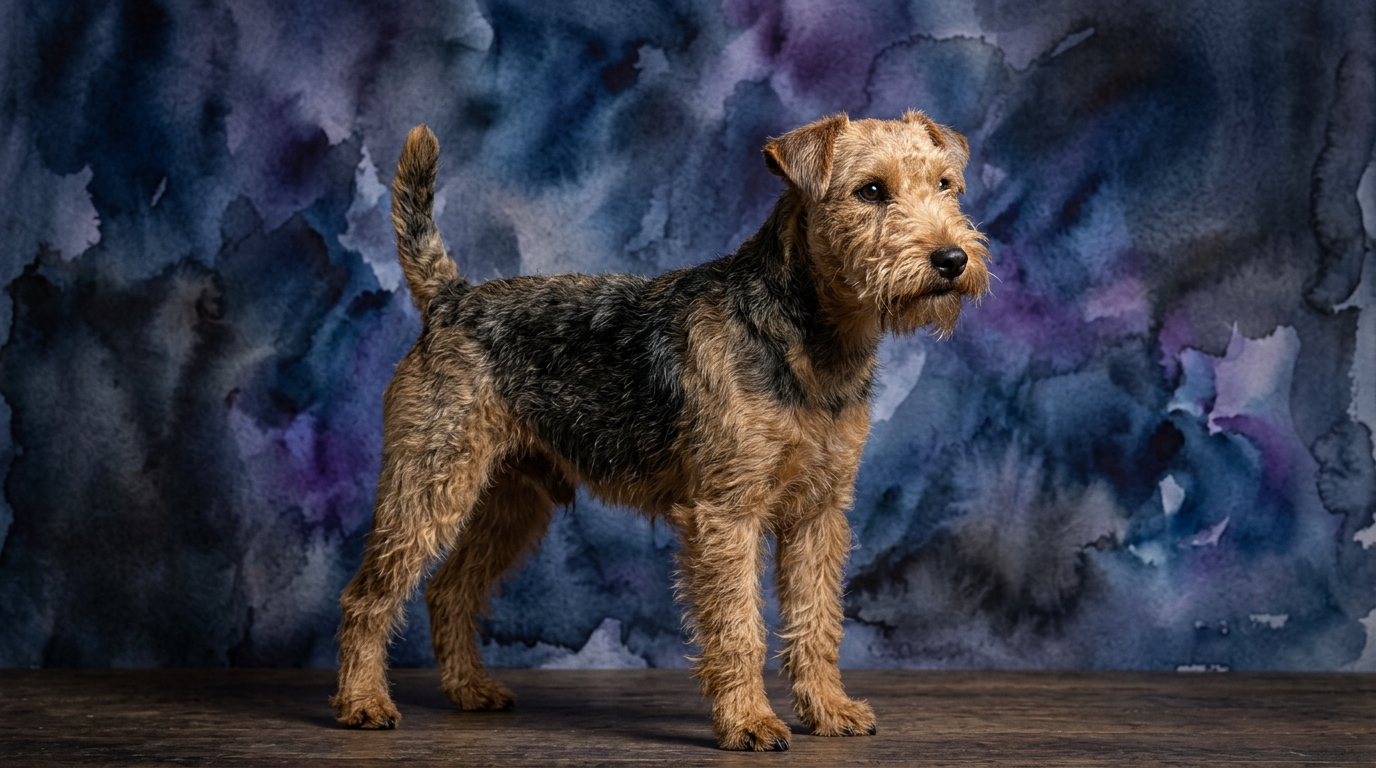
**Lakeland Terrier Cognitive Profile:** The Lakeland Terrier, a Terrier breed, is not Coren-ranked, suggesting their working intelligence might not align with traditional obedience metrics due to their independent nature. Their Problem Solving score is moderate (3/5), much like the Maltese, but their approach is often fueled by terrier tenacity, making them persistent in figuring out environmental puzzles or accessing coveted items independently. Their Training Speed is also moderate (3/5); they are capable learners but their independent streak means training often requires engaging methods and consistency to maintain their focus. Their Social Intelligence is moderate (3/5); they form strong bonds with their family but might not possess the same intuitive grasp of subtle human emotional shifts as a Maltese, often being more direct in their interactions. Their Instinctive Drive is moderate (3/5), manifesting as a robust natural inclination for exploration, digging, and chasing, a reflection of their historical role as vermin hunters. Their Memory is also moderate (3/5), enabling them to recall learned commands, routines, and experiences relevant to their active and inquisitive lives.
Where the Maltese Wins Cognitively
The Maltese's undeniable cognitive strength lies in its exceptional social intelligence, scoring a perfect 5/5. This isn't merely about being affectionate; it's a profound ability to read and respond to human emotional states with remarkable accuracy. A Maltese can often sense a shift in an owner's mood, offering comfort or seeking play at opportune moments. This high social acuity makes them extraordinarily empathetic companions, adept at forming deep, intuitive bonds and understanding complex social dynamics within a household. They excel at non-verbal communication, often interpreting subtle cues that other breeds might miss, making their interactions feel remarkably personal and responsive. This cognitive advantage allows them to integrate seamlessly into family life, acting as sensitive barometers of household emotional wellbeing and providing unparalleled emotional support.
Where the Lakeland Terrier Wins Cognitively
While both breeds share similar scores in problem-solving, the Lakeland Terrier's cognitive edge can be found in its moderate instinctive drive (3/5) combined with its independent problem-solving approach. Unlike the Maltese, which might seek human aid, the Lakeland Terrier's natural drive for exploration and persistence means it's more inclined to independently tackle environmental challenges. This tenacity, rooted in its terrier heritage, empowers it to investigate, dig, and pursue tasks with singular focus. This isn't just about physical activity; it's a mental fortitude that drives them to overcome obstacles through sheer will and repeated attempts, a valuable trait for a dog expected to work autonomously. Their ability to remain engaged and self-motivated through a task, even without immediate human direction, highlights a distinct cognitive resilience.
Which is Easier to Train and Why
Both the Maltese and the Lakeland Terrier share a 3/5 rating for training speed, suggesting they learn new commands at a similar pace. However, the *ease* of training can differ significantly due to their other cognitive traits. The Maltese, with its superior social intelligence (5/5), often possesses a strong desire to please its human companions. This inherent motivation makes them highly receptive to positive reinforcement and eager to engage in training sessions that strengthen their bond. They are more likely to comply readily, not just because they understand the command, but because they value the social interaction and approval, making them generally perceived as easier to train for a novice owner.
In contrast, the Lakeland Terrier's moderate social intelligence (3/5) and stronger instinctive drive (3/5) mean they can be more independent and occasionally less inclined to immediately obey if a command conflicts with a more pressing natural urge, like chasing a squirrel. While they are certainly capable of learning, training a Lakeland often requires more consistent engagement, creative methods to hold their attention, and a firm understanding of their terrier stubbornness. Their learning speed is moderate, but their willingness to *perform* can be conditional, making them potentially more challenging for an owner seeking immediate, consistent obedience despite the identical training speed score. Their cognitive independence requires a trainer who can make learning feel like a collaborative, engaging game rather than a strict command-and-response exercise.
Which Suits Active Owners vs. Relaxed Owners
For owners seeking a relaxed, devoted companion, the Maltese is often the more fitting choice. Their low instinctive drive (2/5) means they have fewer innate urges requiring intense physical outlets, making them content with indoor activities, gentle walks, and ample lap time. Their high social intelligence makes them thrive on constant human interaction and emotional connection, perfectly suiting a lifestyle where their owner is frequently present and engaged in quiet companionship. They are cognitively wired to be highly adaptable to a calmer, more sedentary household, finding fulfillment in close proximity and emotional exchange with their human family.
Conversely, the Lakeland Terrier is better suited for active owners. Its moderate instinctive drive (3/5) means it possesses a robust need for mental and physical stimulation, enjoying vigorous play, structured walks, and opportunities for exploration. Their terrier nature thrives on having a 'job' or engaging in activities that tap into their natural curiosity and persistence, making them ideal partners for hiking, agility, or engaging in scent work. A Lakeland Terrier would likely become restless and potentially destructive in a purely sedentary environment, whereas a Maltese would relish it. Their cognitive profile demands an owner who can provide consistent outlets for their investigative spirit and physical energy, ensuring their mental and physical needs are met.
The Verdict
Choose a Maltese if you prioritize a deeply empathetic, emotionally attuned companion who thrives on close social bonds and a relaxed home environment.
Opt for a Lakeland Terrier if you seek an independent, tenacious partner for an active lifestyle, one who enjoys mental challenges and outdoor adventures.
🧠 Find Your Pet's IQ Score
Our Pet IQ Lab assessment covers 25+ tests across 5 cognitive dimensions — personalized to your breed.
Take the Full IQ Test →Frequently Asked Questions
Do Maltese dogs bark a lot due to their social intelligence?
While their high social intelligence makes them excellent communicators, Maltese can be prone to barking if they aren't properly socialized or if they feel anxious when left alone. Their desire for interaction means they can voice their displeasure at solitude or use barking to gain attention, requiring consistent training to manage.
Are Lakeland Terriers good with other pets, given their instinctive drive?
Lakeland Terriers, with their moderate instinctive drive, can be good with other pets, especially if introduced early and socialized well. However, their terrier instincts for chasing small prey mean caution is advised around very small animals. They generally coexist well with other dogs when properly introduced, though individual personalities always play a role.
How do the different Coren rankings affect their perceived intelligence?
The Coren ranking primarily measures 'working and obedience intelligence,' focusing on how quickly a dog learns and obeys commands. The Maltese's rank of #59 indicates they learn new commands at a respectable but not top-tier pace. The Lakeland Terrier's unranked status doesn't mean they lack intelligence, but rather that they might be less consistently obedient in traditional tests due to their independent, terrier nature, which values autonomy over immediate compliance.