Side-by-Side IQ Profile
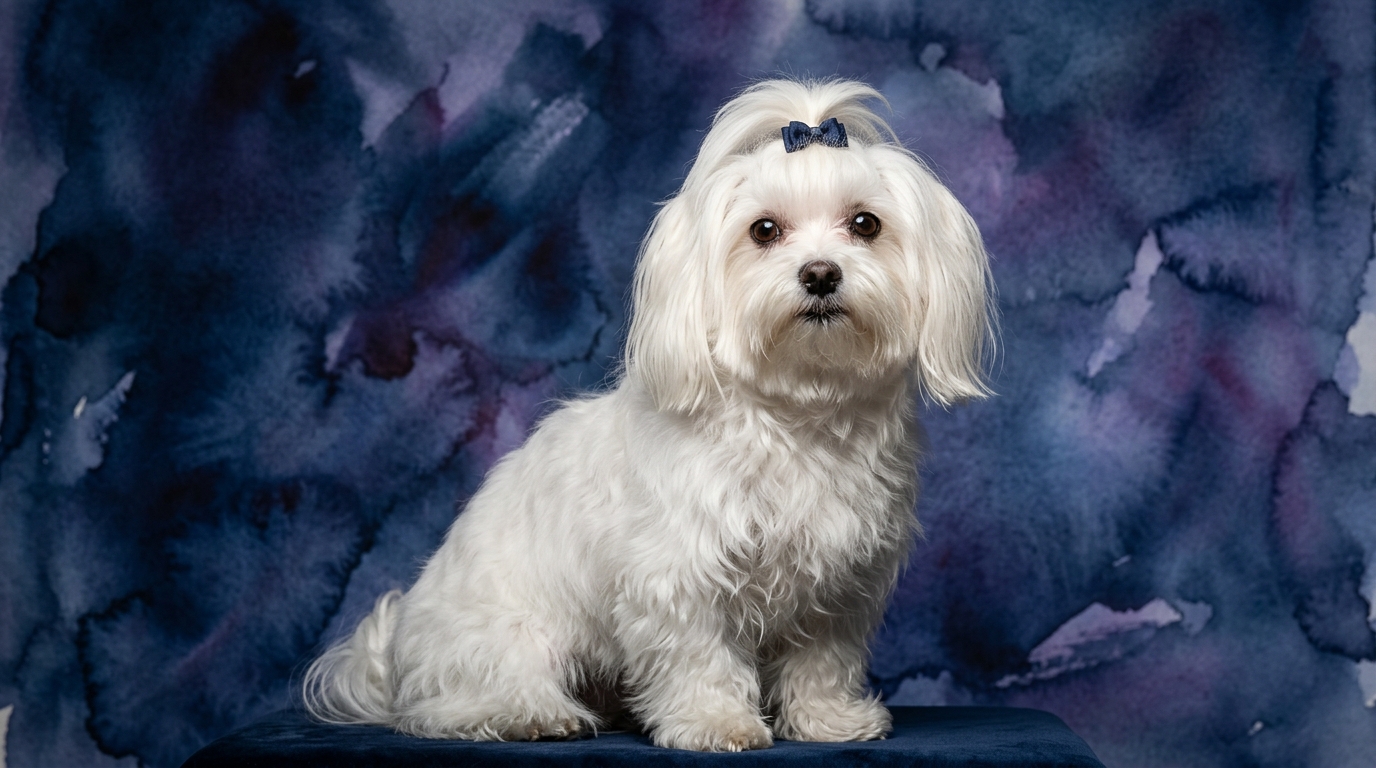
The Maltese, a cherished Toy group member, exhibits a balanced cognitive profile. They possess moderate Problem Solving (3/5) and Training Speed (3/5), indicating a capacity for learning and navigating routine challenges without exceptional prowess. Their standout trait is an exceptional Social Intelligence (5/5), making them profoundly attuned to human emotions and social cues. With a low Instinctive Drive (2/5) and solid Memory (3/5), they are primarily focused on companionship. The Maltese holds a Coren rank of #59, reflecting their average working intelligence.
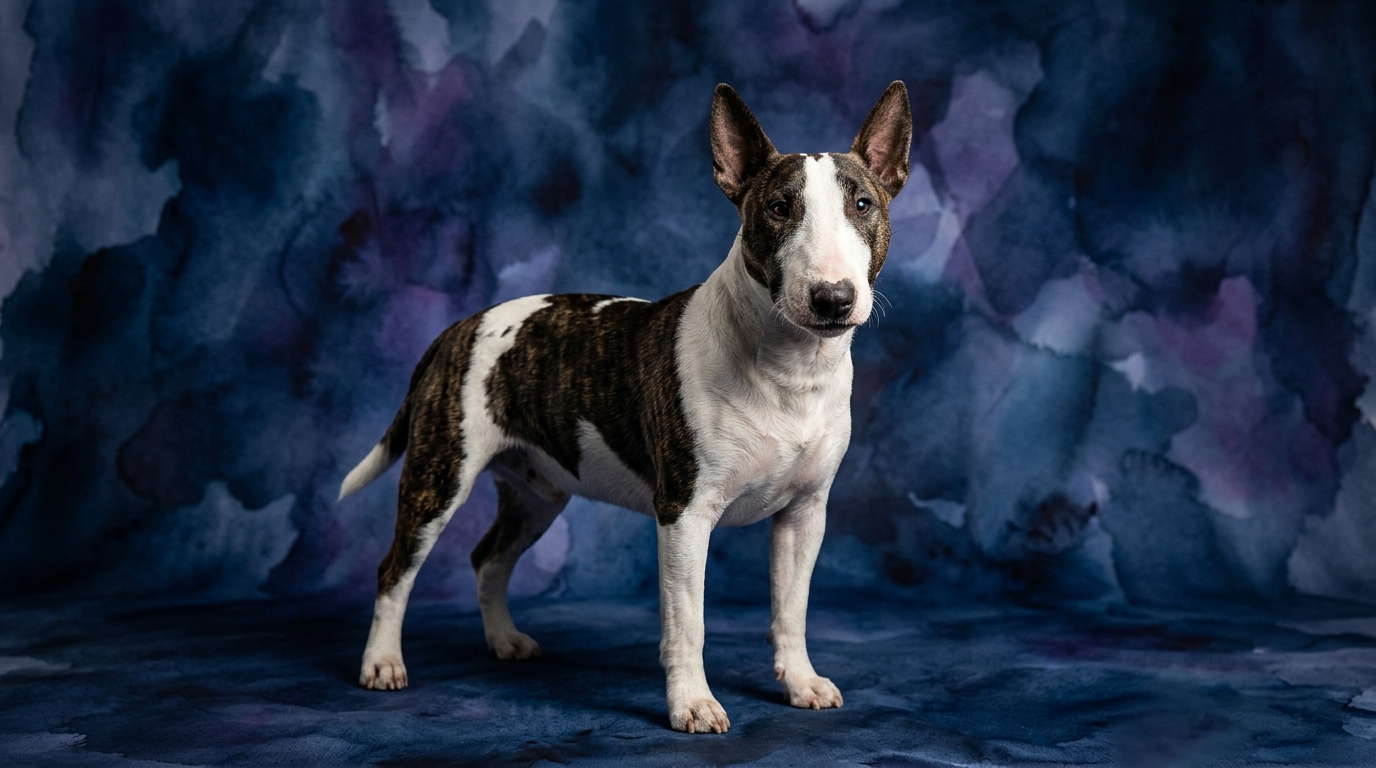
The Miniature Bull Terrier, a robust Terrier group member, presents a distinct cognitive makeup. They share moderate Problem Solving (3/5), Training Speed (3/5), and Memory (3/5) ratings with the Maltese. However, their Social Intelligence is moderate (3/5), suggesting a more independent nature compared to the Maltese's deep human focus. A notable difference is their higher Instinctive Drive (3/5), reflecting a strong terrier heritage for exploration and determined engagement. The Miniature Bull Terrier is not Coren-ranked, underscoring their unique, often spirited, approach to tasks.
Where Maltese Wins Cognitively
The Maltese's undeniable cognitive advantage lies in its superior Social Intelligence (5/5), surpassing the Miniature Bull Terrier's 3/5. This translates into an extraordinary capacity to perceive and respond to human emotions, making them exceptionally empathetic and intuitive companions. A Maltese often anticipates owner moods, offers comfort, and communicates needs through subtle, highly perceptive cues. This profound social acumen fosters deep, responsive bonds, making them masters of companion interaction. Additionally, their lower Instinctive Drive (2/5) means less distraction from innate urges like chasing or digging, simplifying daily life and reinforcing their role as focused house pets.
Where Miniature Bull Terrier Wins Cognitively
The Miniature Bull Terrier's primary cognitive strength, especially against the Maltese, is its elevated Instinctive Drive (3/5). This inherent tenacity fuels a pronounced zest for exploration and determined engagement with their environment. Unlike the comfort-seeking Maltese, the Mini Bull Terrier is more inclined to investigate, problem-solve through physical means, and pursue tasks with singular focus. This drive manifests as persistent ingenuity in overcoming obstacles or achieving desired outcomes through action, such as figuring out how to retrieve a toy or access a forbidden area. While sharing 3/5 in Problem Solving, Training Speed, and Memory, their higher drive means these abilities are often applied with a more action-oriented, self-motivated approach.
Which is Easier to Train and Why
While both breeds share a 3/5 Training Speed, their divergent social and instinctive drives make the Maltese generally easier to train for typical companion behaviors. The Maltese's exceptional Social Intelligence (5/5) means they are highly motivated by praise, affection, and the desire to please their human, responding readily to positive reinforcement. Their low Instinctive Drive (2/5) minimizes distractions, allowing for greater focus on the trainer. In contrast, the Miniature Bull Terrier's more independent Social Intelligence (3/5) and higher Instinctive Drive (3/5) require more creative, engaging training methods. They can be strong-willed and need consistent motivation that taps into their problem-solving nature and terrier tenacity, making training a more active and less purely social endeavor.
Which Suits Active Owners vs. Relaxed Owners
The Maltese, with its low Instinctive Drive (2/5) and supreme Social Intelligence (5/5), is an ideal companion for relaxed owners. They thrive on moderate daily activity, indoor play, and, most importantly, extensive human companionship. Their cognitive needs revolve around social closeness and integration into a calm household routine, making them perfect for those who value quiet devotion over strenuous activity. Conversely, the Miniature Bull Terrier, featuring a higher Instinctive Drive (3/5) and moderate Social Intelligence (3/5), suits active owners. These dogs require consistent physical exercise, mental stimulation through structured play or training, and outlets for their natural inclination to dig, chase, and investigate. Owners prepared to engage their spirited minds and bodies daily will find a rewarding, tenacious partner.
The Verdict
Choose a Maltese if you seek a deeply empathetic, emotionally attuned companion for a relaxed, indoor-centric lifestyle, valuing social closeness above all else.
Opt for a Miniature Bull Terrier if you desire a spirited, tenacious partner who thrives on active engagement, consistent, stimulating training, and an owner capable of channeling their robust drives constructively.
🧠 Find Your Pet's IQ Score
Our Pet IQ Lab assessment covers 25+ tests across 5 cognitive dimensions — personalized to your breed.
Take the Full IQ Test →Frequently Asked Questions
Which breed is more adaptable to different living situations?
The Maltese generally exhibits greater adaptability due to its high social intelligence and lower instinctive drives, making it content in various home environments as long as it receives ample human companionship. The Miniature Bull Terrier, with its higher drive, typically thrives best in homes that can provide consistent mental and physical stimulation.
Can a Miniature Bull Terrier be trained for advanced tasks?
Yes, a Miniature Bull Terrier can be trained for advanced tasks, thanks to their 3/5 problem-solving ability and training speed, especially when training methods are engaging and tap into their instinctive drive. Their tenacity allows them to persist, but consistency and creative motivation are key to success.
How does the Maltese's high social intelligence manifest day-to-day?
A Maltese's exceptional social intelligence manifests as a profound empathy and attentiveness; they often seem to "read" their owner's emotions, offering comfort or seeking interaction at opportune moments. They excel at non-verbal communication, using subtle cues to express needs and fostering an incredibly close, responsive bond.