A Side-by-Side Look at Cognitive Profiles
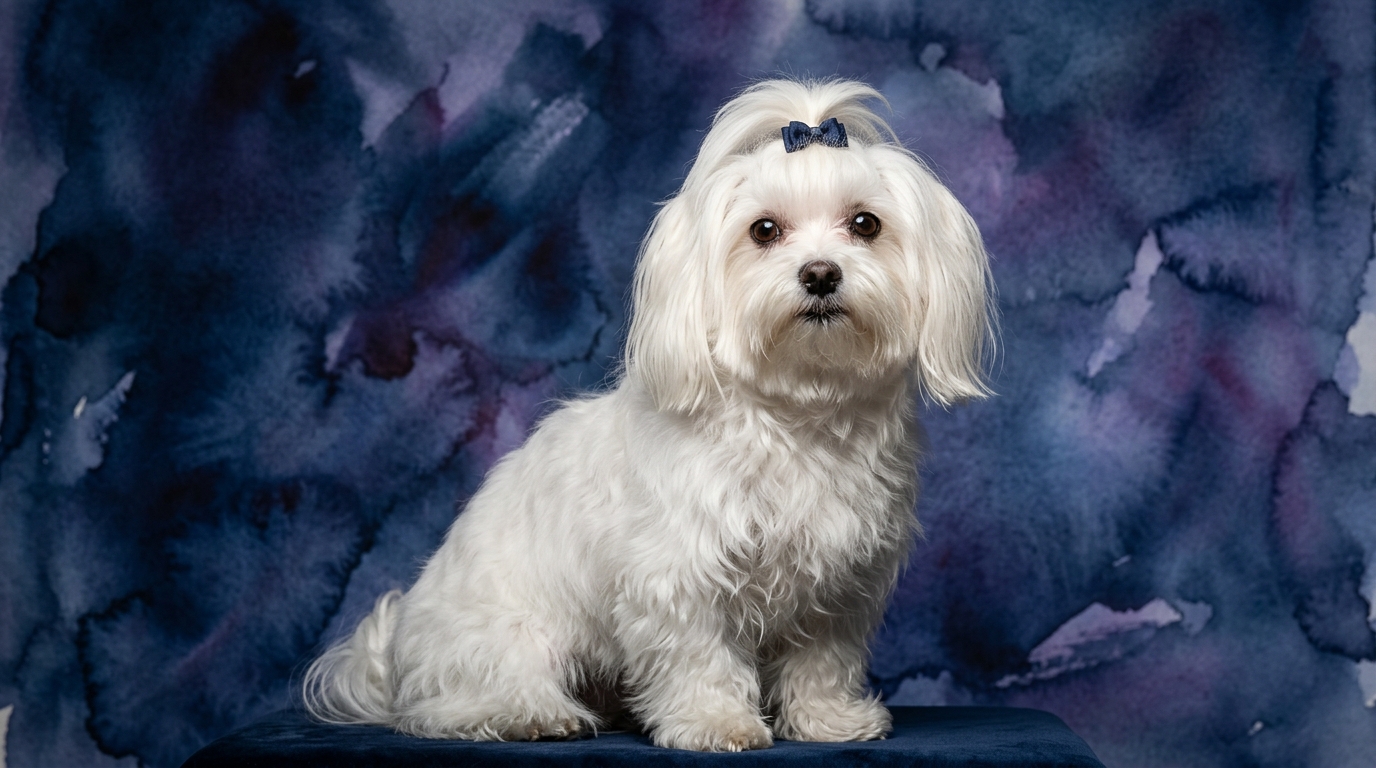
The Cosmic Pet Pet IQ Lab assesses canine intelligence across five key dimensions, providing a detailed lens through which to understand each breed's unique mental landscape. For the Maltese, a Toy breed with a Coren rank of #59, their cognitive strengths are deeply rooted in their history as devoted companions.
Maltese Problem Solving (3/5): This score reflects their capacity to figure out immediate, often human-centric, puzzles like opening a treat container or navigating furniture to reach a preferred lap. Their solutions are frequently driven by comfort or affection rather than complex independent tasks.
Maltese Training Speed (3/5): They learn new cues at a steady pace, particularly when motivated by praise and gentle encouragement, which appeals to their strong social bond with humans. Repetition and positive reinforcement yield consistent results, making them responsive to their human's guidance.
Maltese Social Intelligence (5/5): This is their standout cognitive trait. Their profound ability to discern human moods, anticipate routines, and respond to subtle emotional shifts makes them exceptional companions. They often adapt their behavior to mirror the household's atmosphere, seeking to maintain harmony and closeness within their family unit.
Maltese Instinctive Drive (2/5): Descended from companion dogs, their natural inclinations are geared towards comfort and social interaction rather than independent hunting or guarding tasks. Their curiosity is typically directed towards people and their immediate, domestic environment.
Maltese Memory (3/5): They retain learned commands, household routines, and the identities of family members with good consistency. This memory helps them navigate their domestic life smoothly and reinforces their social bonds over time, remembering pleasant experiences and effective strategies for attention.
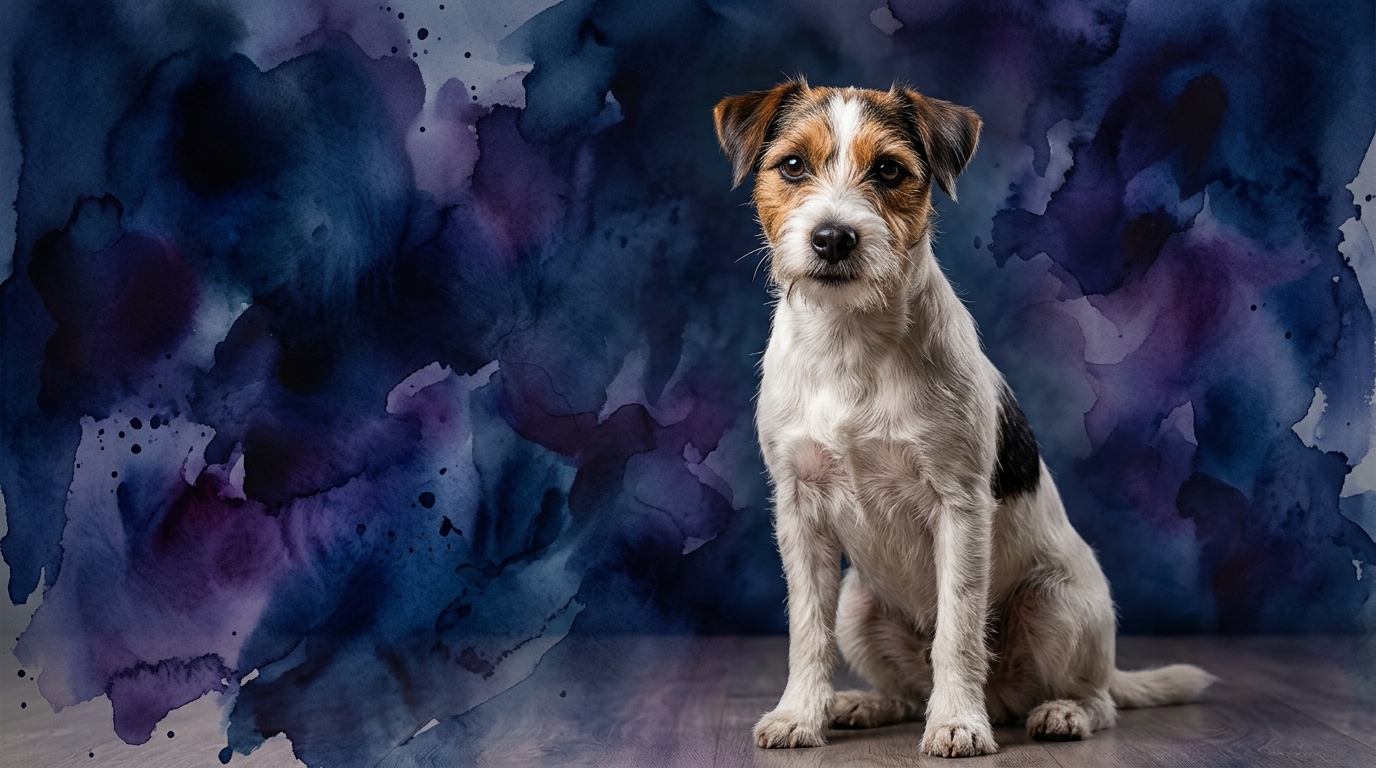
In contrast, the Parson Russell Terrier, a robust Terrier breed not Coren-ranked, presents a different set of cognitive priorities, shaped by their working heritage.
Parson Russell Terrier Problem Solving (3/5): Their problem-solving often manifests as determined resourcefulness in navigating physical obstacles or strategizing to "catch" a toy or investigate a scent. This score reflects a practical, goal-oriented approach to their environment, driven by curiosity and persistence.
Parson Russell Terrier Training Speed (3/5): They absorb new commands effectively, though their independent streak means training must be engaging, varied, and consistent to hold their attention. They respond well to methods that challenge their intellect and offer a clear reward or sense of accomplishment.
Parson Russell Terrier Social Intelligence (3/5): While capable of strong attachments and forming clear bonds, their social understanding is more direct and less nuanced than the Maltese. They respond to explicit cues and affection but may not be as finely attuned to subtle human emotional shifts or complex social dynamics.
Parson Russell Terrier Instinctive Drive (3/5): Their history as working terriers means they possess a robust drive to explore, chase, and dig. This inherent motivation requires structured outlets to prevent boredom and redirected behaviors, as they are naturally inclined to investigate their surroundings.
Parson Russell Terrier Memory (3/5): They demonstrate a solid memory for commands, boundaries, and the layout of their territory. However, their strong independent will can sometimes lead them to prioritize an immediate instinctual pursuit or a more stimulating activity over a remembered command.
Where the Maltese Shines Cognitively
The Maltese unequivocally excels in social intelligence, scoring a perfect 5/5 in this dimension. This superior aptitude allows them to perceive and respond to the most subtle human signals, making them profoundly empathetic companions. They are masters at reading body language, vocal inflections, and even anticipating their owner's emotional state, often offering comfort or seeking interaction precisely when it's needed.
This high social acumen translates into a remarkable ability to integrate seamlessly into family life, adapting their demeanor to the household's rhythm and emotional climate. While their problem-solving and training speed are moderate (3/5), their drive to please and connect with their humans means they apply these skills effectively within a social context, often figuring out how to gain attention or affection. Their relatively high Coren rank of #59 for a companion breed further underscores their capacity for learning within a cooperative framework, proving that cognitive strengths aren't solely about independent task execution but also about harmonious cohabitation and emotional reciprocity.
Parson Russell Terrier's Cognitive Strengths
The Parson Russell Terrier's cognitive strengths lie in their robust instinctive drive (3/5) and their practical application of problem-solving (3/5) in navigating the physical world. Unlike the Maltese, whose drive is primarily social, the Parson Russell Terrier is fueled by a heritage of working, which translates into a tenacious and resourceful approach to their environment.
Their problem-solving manifests as a persistent determination to overcome obstacles, whether it's figuring out how to access an intriguing scent or retrieving a toy from a tight spot. This breed's cognitive wins are in their independence and their capacity for sustained engagement with tasks that tap into their natural hunting and exploring instincts. They possess a mental fortitude that allows them to focus intensely on a goal, making them adept at activities requiring agility, swift decision-making, and a keen sense of purpose, even if that purpose is simply chasing a ball with unwavering focus.
Training Responsiveness: A Tale of Two Motivations
Both the Maltese and the Parson Russell Terrier share a Training Speed score of 3/5, yet the path to successful training diverges significantly due to their differing core motivations. The Maltese, with its exceptional social intelligence, is primarily driven by the desire for connection, praise, and comfort. They respond best to positive reinforcement, gentle guidance, and consistency, often eager to please their primary caregiver.
However, their small bladder size can make housetraining a challenge requiring extra patience, and without consistent direction, their social cleverness might lead to 'small dog syndrome' behaviors. The Parson Russell Terrier, on the other hand, is motivated by engagement, challenge, and their inherent drives. Training needs to be dynamic, stimulating, and consistent to channel their independent streak and mitigate potential distractions from their strong prey drive. While they learn commands readily, their terrier tenacity means they might test boundaries or choose to pursue a more interesting scent over a known command, demanding an owner who can make training feel like an exciting game rather than a chore.
Matching Lifestyle: Active Engagement vs. Relaxed Companionship
The choice between a Maltese and a Parson Russell Terrier largely depends on an owner's lifestyle and their capacity to meet distinct cognitive and physical needs. The Maltese, with its low instinctive drive (2/5) and high social intelligence (5/5), is ideally suited for more relaxed owners or those in apartment settings. They thrive on extensive lap time, short daily walks, and constant human interaction, finding their contentment in close companionship and the emotional rhythm of the home. Their mental stimulation comes primarily from social engagement and gentle play.
Conversely, the Parson Russell Terrier's instinctive drive (3/5) and practical problem-solving (3/5) necessitate an active owner who can provide ample physical and mental exercise. These dogs require regular opportunities to explore, sniff, run, and engage in stimulating activities that satisfy their terrier energy and curiosity. They are a fitting choice for individuals who enjoy hiking, dog sports, or have a secure yard for vigorous play, as they need a consistent outlet for their determination and adventurous spirit to prevent boredom and redirected behaviors.
The Verdict
Opt for a Maltese if your lifestyle prioritizes a highly attuned, affectionate companion who thrives on close social connection and a more relaxed pace of life, bringing profound emotional understanding to your home.
Select a Parson Russell Terrier if you seek an energetic, independent partner eager for adventure and mental challenges, and are prepared to engage their keen instincts with consistent activity and stimulating training.
🧠 Find Your Pet's IQ Score
Our Pet IQ Lab assessment covers 25+ tests across 5 cognitive dimensions — personalized to your breed.
Take the Full IQ Test →Frequently Asked Questions
Are Maltese dogs difficult to housetrain?
Maltese dogs can present a moderate challenge for housetraining due to their small size and bladder capacity, requiring frequent outdoor trips and consistent positive reinforcement. However, their strong desire to please and social intelligence means they can master it with patience and a structured routine.
Do Parson Russell Terriers get along well with other pets?
Parson Russell Terriers can coexist with other pets, especially if socialized from a young age, but their inherent prey drive (3/5) means small, fast-moving animals might trigger their chasing instincts. Careful introductions and supervision are crucial to ensure harmonious relationships.
How much exercise does a Maltese need compared to a Parson Russell Terrier?
A Maltese requires relatively low exercise, typically content with short daily walks and indoor play, aligning with their low instinctive drive (2/5). A Parson Russell Terrier, with its higher instinctive drive (3/5), demands significant daily exercise, including vigorous play, longer walks, or engaging in dog sports to satisfy its energetic and exploratory nature.