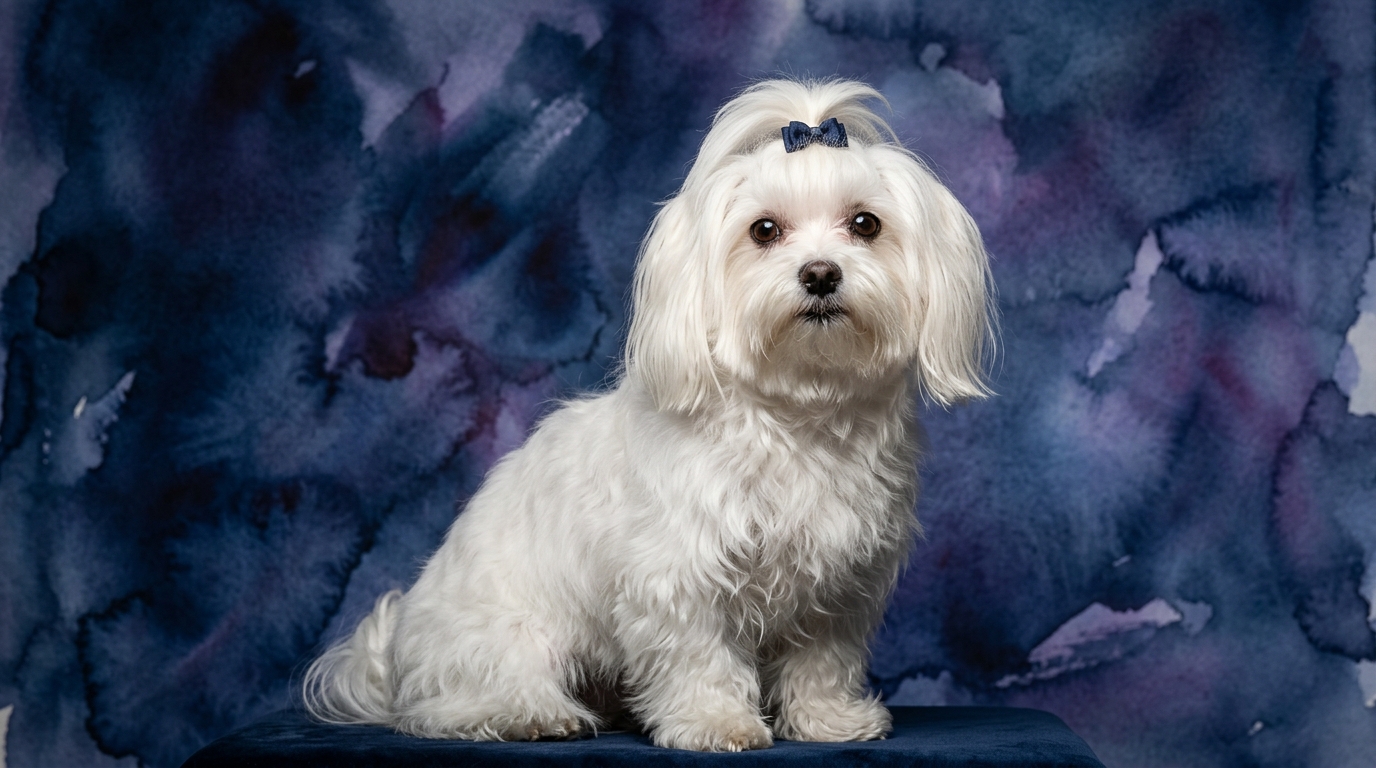
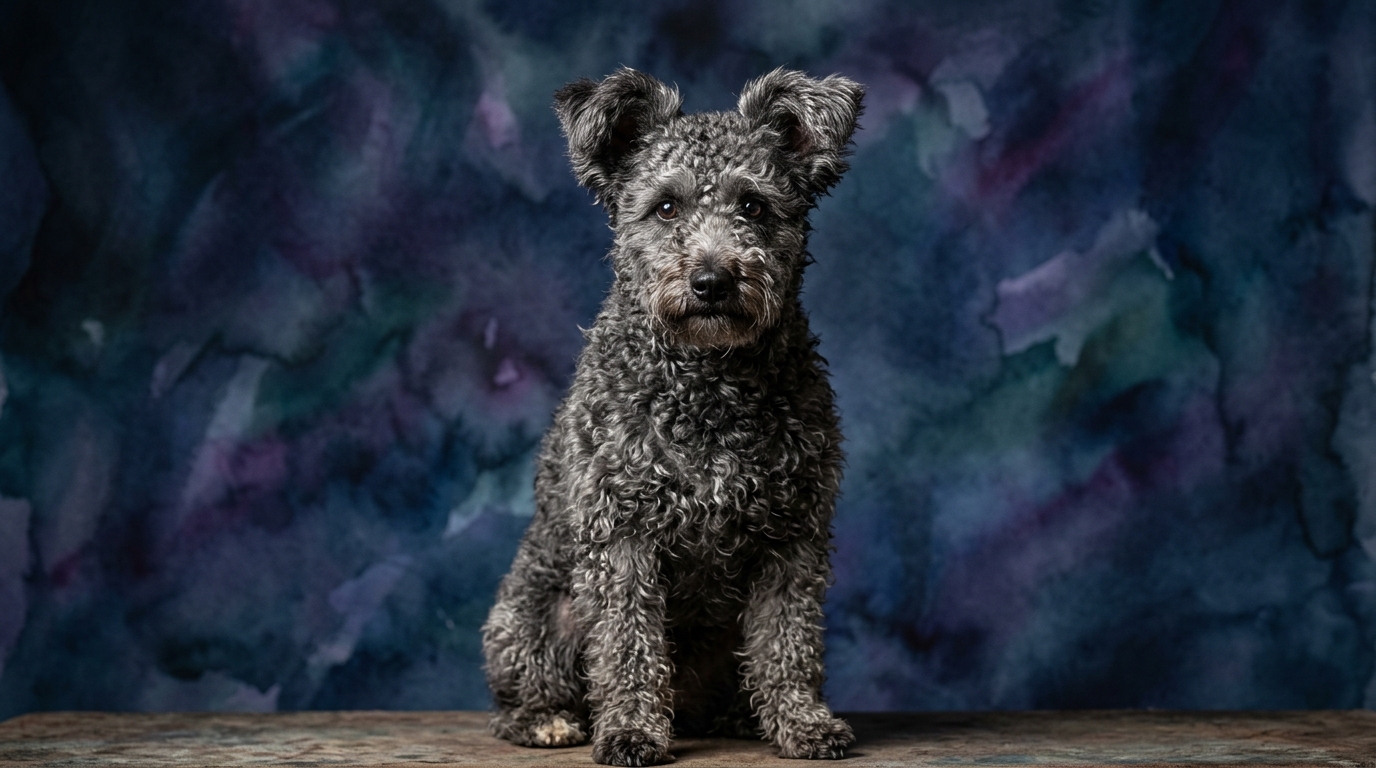
Side-by-Side IQ Profile: Maltese vs. Pumi
**Maltese (Toy Group)**
**Problem Solving (3/5):** The Maltese exhibits a moderate capacity for navigating challenges, often relying on observation and learned associations within their domestic environment. They can figure out puzzle toys or ways to gain attention, but may not possess a strong intrinsic drive to constantly analyze new situations for solutions.
**Training Speed (3/5):** Learning new commands and routines comes at a steady pace for the Maltese. They respond well to positive reinforcement and consistency, often motivated by praise and connection with their human, though complex sequences might require more repetition.
**Social Intelligence (5/5):** This breed excels in understanding and responding to human emotions and social cues, making them exceptionally empathetic companions. Their ability to read moods and adapt their behavior to fit the social dynamic is a hallmark of their cognitive makeup.
**Instinctive Drive (2/5):** With a low score in instinctive drive, the Maltese typically shows minimal inclination for tasks like herding, guarding, or intense prey pursuit. Their primary drive is often rooted in companionship and social interaction rather than working instincts.
**Memory (3/5):** A solid memory serves the Maltese well for retaining learned commands, familiar routines, and recognizing individuals. They remember experiences and can recall associations, contributing to their consistent behavior in a stable home environment.
**Pumi (Herding Group)**
**Problem Solving (3/5):** The Pumi possesses a practical problem-solving ability, essential for its herding background, allowing it to assess and react to dynamic situations. While rated similarly to the Maltese, this manifests as resourcefulness in a more active, changing environment, rather than purely domestic challenges.
**Training Speed (3/5):** The Pumi learns at a moderate rate, capable of grasping new commands and tasks efficiently, especially when engaged in activities that appeal to its working nature. Their independent streak, however, means they might challenge methods if they don't see the purpose or if training lacks variety.
**Social Intelligence (3/5):** While affectionate with their family, the Pumi's social intelligence is more grounded in partnership and cooperation for tasks. They are attuned to their owner's directives and presence but may not display the same overt emotional empathy or need for constant social affirmation as the Maltese.
**Instinctive Drive (3/5):** The Pumi's moderate instinctive drive is primarily expressed through its herding heritage, manifesting as alertness, watchfulness, and a desire for purposeful activity. This drive requires outlets, contributing to their energetic and engaged demeanor.
**Memory (3/5):** The Pumi demonstrates a good memory for complex sequences, boundaries, and learned behaviors, which is vital for retaining intricate herding patterns and adapting to various environments. They recall tasks and expectations reliably.
Where the Maltese Wins Cognitively
The Maltese stands out for its exceptional Social Intelligence (5/5), significantly surpassing the Pumi's 3/5 in this dimension. This isn't just about being friendly; it's a deep cognitive capacity to interpret human nuances, emotions, and subtle social cues. A Maltese can often anticipate a human's needs or mood, offering comfort or adapting their behavior without explicit instruction. Their world is intricately woven around human connection, making them profound emotional anchors. This cognitive strength allows them to seamlessly integrate into diverse family dynamics, often becoming the emotional barometer of the household. Their ability to form strong, empathetic bonds stems directly from this elevated social acumen, enabling them to thrive in roles where close human interaction is paramount.
Where the Pumi Wins Cognitively
While their Problem Solving and Training Speed scores are numerically similar, the Pumi’s cognitive strengths are rooted in its Instinctive Drive (3/5), which gives it an edge in specific scenarios over the Maltese’s 2/5. This drive translates into a more persistent and purposeful engagement with the world. A Pumi's problem-solving, though rated 3/5, is often applied to dynamic, real-world challenges like managing livestock or navigating agility courses, requiring quick assessments and independent decision-making. Their alert and watchful nature, stemming from their herding instincts, means they are often more attuned to environmental changes and potential 'tasks' than the companion-focused Maltese. This breed exhibits a cognitive readiness for engagement that seeks an outlet, leading to a more active and exploratory approach to their surroundings and a greater inclination for complex, multi-step activities that challenge their intellect and physical prowess.
Which is Easier to Train and Why
Both the Maltese and Pumi share a Training Speed rating of 3/5, yet the *experience* of training them can differ considerably due to their underlying motivations and breed characteristics. The Maltese, with its high Social Intelligence, often finds motivation in pleasing its owner and receiving affection and praise. They tend to be sensitive and responsive to positive reinforcement, making them generally compliant and eager to learn when the focus is on connection. Their desire for companionship means they are often attuned to their owner's subtle cues, which can make basic obedience feel intuitive for a novice trainer. Conversely, the Pumi, while capable, brings a herding dog's independence and drive to the training arena. While they learn quickly, they require engaging, varied training sessions that appeal to their problem-solving and instinctive drives. A Pumi might challenge a command if it doesn't understand the purpose or if the task feels repetitive, requiring a trainer who can maintain their engagement and channel their working instincts effectively. Therefore, for an owner seeking a dog that thrives on social connection during training and is generally eager to please, the Maltese might feel 'easier'. For an owner who enjoys the challenge of channeling a working breed's drive into structured tasks and can offer creative, stimulating training, the Pumi can be equally rewarding, albeit requiring a more experienced approach.
Which Suits Active Owners vs. Relaxed Owners
The cognitive and physical needs of these two breeds naturally align with different owner lifestyles. The Maltese, with its lower Instinctive Drive and exceptional Social Intelligence, is an ideal fit for more relaxed owners or those seeking a devoted indoor companion. Their cognitive engagement primarily revolves around social interaction, comfort, and quiet companionship. While they enjoy walks and playtime, their mental well-being is largely satisfied by being close to their human and participating in the ebb and flow of domestic life, without a strong need for extensive outdoor activities or complex tasks. Conversely, the Pumi is unequivocally suited for active owners. Its moderate Instinctive Drive and background as a herding dog mean it possesses an inherent need for physical exertion and mental stimulation. These dogs thrive when given a 'job'—whether it's agility, rally, herding, or long, engaging hikes. A Pumi's cognitive satisfaction comes from purposeful activity and the opportunity to use its problem-solving skills in dynamic environments. Without sufficient outlets for their drive, Pumis can become bored or restless, making them less suitable for purely sedentary lifestyles.
The Verdict
Choose the Maltese if you prioritize an exceptionally empathetic companion whose cognitive world revolves around deep social connection and a calm, affectionate presence in a relaxed home environment.
Opt for the Pumi if you are an active owner seeking a spirited, task-oriented partner who thrives on purposeful activity, mental challenges, and engaging physical outlets to satisfy its inherent working drives.
🧠 Find Your Pet's IQ Score
Our Pet IQ Lab assessment covers 25+ tests across 5 cognitive dimensions — personalized to your breed.
Take the Full IQ Test →Frequently Asked Questions
How does the Maltese's high social intelligence manifest in daily life?
A Maltese's high social intelligence means they are acutely aware of human emotions and social dynamics. They often anticipate your moods, offer comfort when you're down, and adapt their behavior to fit the social situation, making them incredibly intuitive and empathetic companions.
What kind of mental stimulation does a Pumi typically need given its instinctive drive?
Given its moderate instinctive drive, a Pumi thrives on mental stimulation that mimics its herding heritage. This includes activities like agility, rally obedience, puzzle toys, scent work, or even learning complex trick sequences that engage their problem-solving skills and desire for purposeful activity.
Despite similar problem-solving scores, how do Maltese and Pumi approach challenges differently?
While both score 3/5, a Maltese typically solves problems within a domestic context, often focused on gaining attention or accessing comfort. A Pumi, due to its herding background, applies its problem-solving to more dynamic, environmental challenges, exhibiting resourcefulness and independent thought in active scenarios.