
Side-by-Side Cognitive Profile: Maltese vs. Rat Terrier
Delving into the unique cognitive architectures of these two breeds reveals distinct mental landscapes. Understanding their specific strengths across five key dimensions provides insight into their potential as companions and learners.
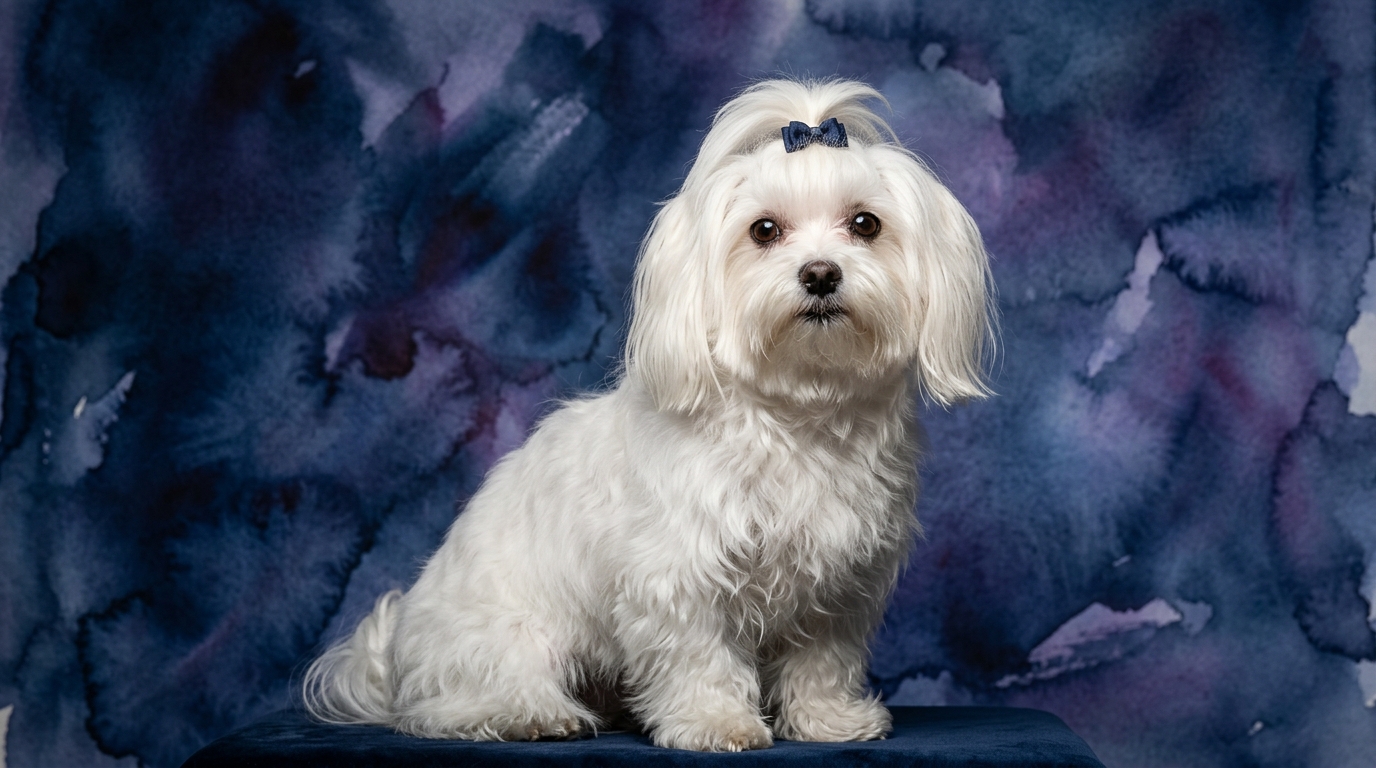
The Maltese, holding a Coren rank of #59, exhibits a respectable Problem Solving capacity (3/5), often figuring out desired outcomes through observation, like manipulating a toy for a reward. Their Training Speed is moderate (3/5), requiring consistent positive reinforcement, yet their eagerness to please aids the process. Where they truly shine is Social Intelligence (5/5), demonstrating an exceptional attunement to human emotions and social cues, fostering deep empathetic bonds. Their Instinctive Drive is low (2/5), primarily focusing on companionship rather than independent tasks. A solid Memory (3/5) ensures they retain commands, routines, and familiar experiences.
The Rat Terrier, not Coren-ranked, also shows a good aptitude for Problem Solving (3/5), often employing a hands-on, persistent approach to achieve goals, driven by curiosity. Their Training Speed is moderate (3/5), capable of learning many commands, though their independent streak may require engaging sessions. Social Intelligence is balanced (3/5); they connect well but might be more independent in interactions than the Maltese. A notable Instinctive Drive (3/5) manifests as a keen interest in chasing, digging, and environmental awareness, reflecting their historical role. Their Memory (3/5) is reliable, recalling behaviors and adapting to new situations effectively.
Where the Maltese Wins Cognitively
The Maltese’s undisputed cognitive advantage lies in its extraordinary Social Intelligence, scoring a perfect 5/5. This isn't just affection; it's a profound ability to interpret and respond to human emotional states and subtle social cues with remarkable precision. A Maltese can often sense a change in mood, offering comfort or understanding a gesture indicating a desire for quiet companionship. Their capacity for empathy and intuitive grasp of family dynamics allow them to seamlessly integrate into human lives, often acting as emotional barometers. This deep attunement means they learn through observing human behavior, picking up routines and expectations from the nuanced flow of daily life, not just direct training. This superior social cognition fosters an incredibly strong bond, making them exceptionally responsive and adaptable within a human-centric environment.
Where the Rat Terrier Wins Cognitively
The Rat Terrier’s cognitive edge surfaces primarily in its Instinctive Drive, rated at 3/5, which significantly surpasses the Maltese's 2/5. This drive isn't merely a historical relic; it manifests as a heightened awareness and engagement with their physical environment. Their terrier lineage imbues them with persistent curiosity and a keen focus on small movements and sounds, making them adept at tasks requiring alertness and sustained attention to details often missed by others. This translates to an inherent drive to investigate, explore, and often, to 'work' at a task until resolved, whether digging to unearth a perceived critter or searching for a hidden treat. While the Maltese might seek social cues for problem-solving, the Rat Terrier relies more on its senses and physical persistence, finding intrinsic satisfaction in discovery and resolution.
Which Is Easier to Train and Why
Both breeds share a 3/5 for Training Speed, indicating a moderate learning pace. However, the *approach* to training and overall perceived ease differs due to their divergent social and instinctive profiles. The Maltese, with exceptional 5/5 Social Intelligence, often appears 'easier' in a household context. Their deep desire to please and sensitivity to human cues make them highly motivated by praise and less likely to challenge authority. Their low instinctive drive (2/5) means fewer distractions from inherent urges, allowing more focused training. Conversely, the Rat Terrier, while capable, has a 3/5 Social Intelligence and 3/5 Instinctive Drive. This means an independent streak and potential distractibility from chasing instincts. Trainers might need to be more creative and engaging with varied methods and higher-value rewards. For owners seeking a cooperative, emotionally driven training partner with minimal independent 'working' behaviors, the Maltese generally offers a smoother, more intuitively 'easy' experience.
Matching Breed to Lifestyle: Active vs. Relaxed Owners
The choice between these breeds significantly hinges on an owner's lifestyle. For the relaxed owner, the Maltese is an ideal companion. Their low instinctive drive (2/5) means modest exercise requirements, content with short walks and indoor play. Their paramount Social Intelligence (5/5) translates into a desire for constant companionship and cuddles, thriving in environments where they can be close to their human family without needing intense physical or mental stimulation beyond social interaction. An owner valuing a quiet, empathetic, and easily satisfied presence will find the Maltese well-matched. Conversely, the Rat Terrier suits active owners. Its instinctive drive (3/5) fuels a need for more robust activity and mental engagement, enjoying brisk walks, runs, and dog sports. Their curiosity and problem-solving aptitude (3/5) benefit from puzzle toys, scent work, or learning new tricks. An active owner who enjoys outdoor adventures and providing opportunities for their dog to 'work' will appreciate the Rat Terrier’s spirited nature.
The Verdict
Choose the Maltese if your primary desire is an exceptionally socially attuned, empathetic companion who thrives on close human interaction and has modest physical exercise needs.
Opt for the Rat Terrier if you're an active owner seeking a curious, spirited partner for varied activities, capable of independent engagement, and appreciate a dog with a moderate but discernible working drive.
🧠 Find Your Pet's IQ Score
Our Pet IQ Lab assessment covers 25+ tests across 5 cognitive dimensions — personalized to your breed.
Take the Full IQ Test →Frequently Asked Questions
Is the Maltese difficult to train despite its Coren ranking?
The Maltese, ranked #59, has a moderate training speed (3/5), meaning they learn consistently with patience and positive reinforcement. Their high social intelligence makes them eager to please, often compensating for any perceived slowness in grasping new commands, making them generally responsive.
How does the Rat Terrier's instinctive drive manifest in daily life?
The Rat Terrier's instinctive drive (3/5) typically appears as a keen interest in chasing small animals, digging, and a strong sense of curiosity about their surroundings. Owners might observe them intently scanning yards for critters or enjoying puzzle toys that mimic hunting scenarios, requiring appropriate outlets for these behaviors.
Which breed is better for a first-time dog owner?
The Maltese is often a more forgiving choice for first-time owners due to its lower instinctive drive and high social intelligence, which makes training more intuitive and reduces behavioral challenges. The Rat Terrier's independent streak and higher energy might require a slightly more experienced hand to manage effectively.