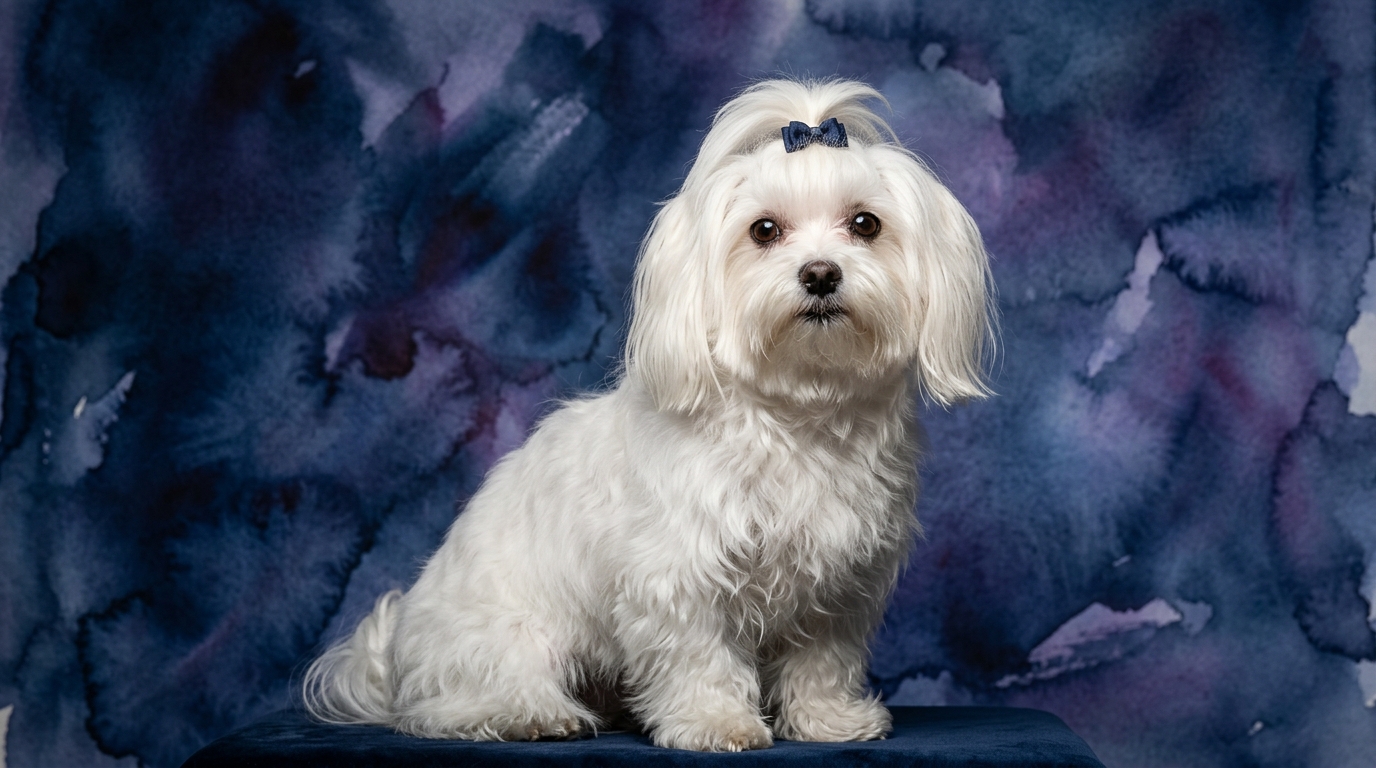
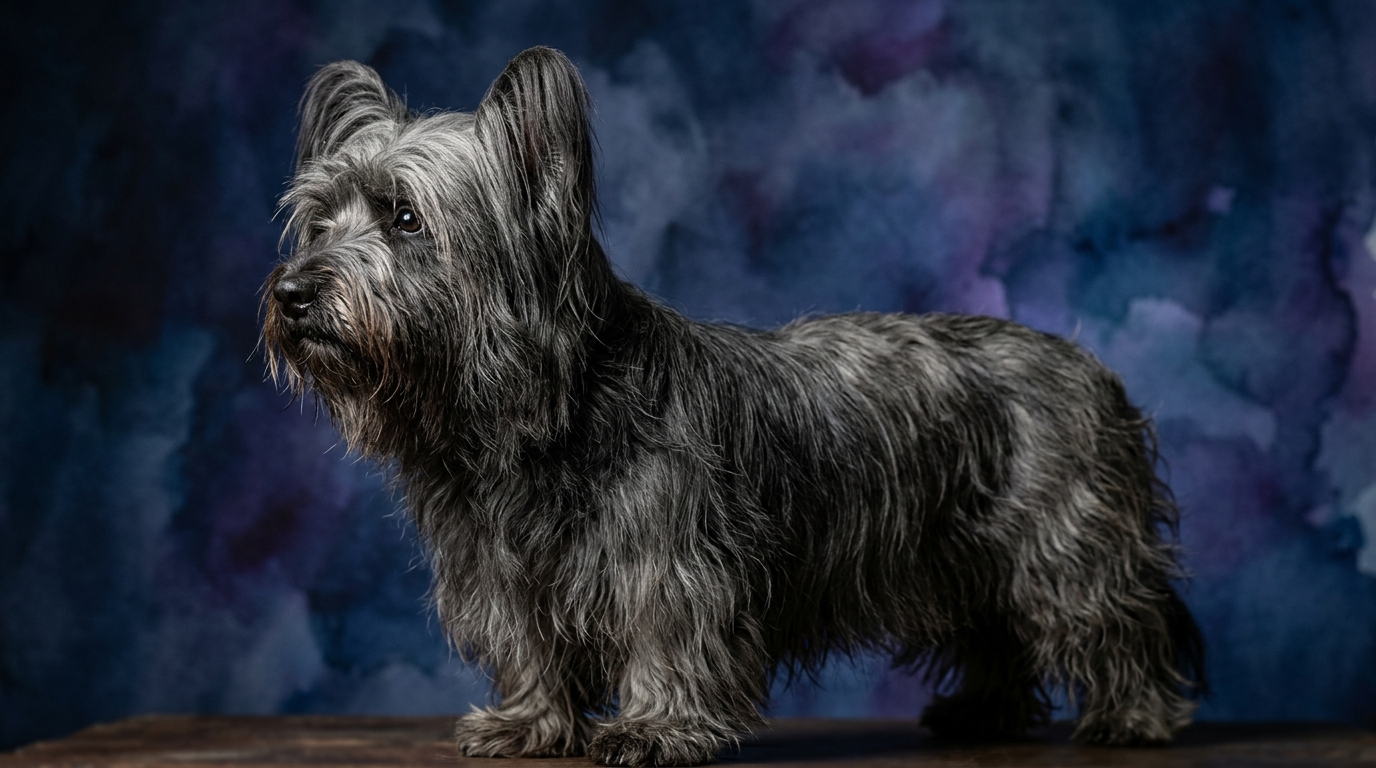
Side-by-Side IQ Profile: Maltese vs. Skye Terrier
The Cosmic Pet Pet IQ Lab evaluates canine intelligence across five key dimensions, providing a nuanced understanding beyond simple obedience. For the Maltese, a Toy breed with a Coren ranking of #59, its cognitive blueprint is deeply rooted in companionship. Its problem-solving capacity is rated at 3/5, indicating a moderate ability to navigate simple environmental puzzles or figure out how to access desired items, often leveraging its social skills to enlist human help rather than solely independent effort. Training speed for the Maltese is also 3/5, meaning they grasp new commands at a steady, consistent pace, aided by their eagerness to please. However, their standout trait is Social Intelligence, scoring a perfect 5/5, reflecting an exceptional capacity to read human emotions and integrate seamlessly into family dynamics. Instinctive drive is low at 2/5, as their historical role has minimized primal urges like hunting or extensive roaming. Finally, their memory stands at 3/5, sufficient for retaining learned commands and routines over time.
In contrast, the Skye Terrier, a Terrier breed without a Coren ranking, presents a different cognitive profile shaped by its working heritage. Its problem-solving ability matches the Maltese at 3/5, but their approach often involves more independent tenacity in overcoming obstacles or achieving goals, reflecting a terrier's characteristic determination. Training speed is also 3/5 for the Skye Terrier, indicating a similar learning pace, though their independent nature can sometimes require more patient and consistent methods. Their social intelligence is a moderate 3/5; while deeply loyal to their family, they tend to be more reserved with strangers and less overtly demonstrative than the Maltese. Instinctive drive is higher at 3/5, showcasing a natural inclination for digging, chasing, and exploring, stemming from their original purpose. Like the Maltese, the Skye Terrier’s memory is rated at 3/5, allowing them to recall training, routines, and significant experiences effectively within their familiar environment.
Where the Maltese Wins Cognitively
The Maltese clearly surpasses the Skye Terrier in Social Intelligence, scoring a perfect 5/5 compared to the Skye's 3/5. This higher score translates into a profound capacity for emotional attunement and seamless integration into a human family's social fabric. A Maltese is exceptionally adept at reading subtle human cues, understanding emotional states, and responding in ways that foster strong, harmonious bonds. They often anticipate their owner's needs for comfort or interaction, demonstrating an almost intuitive understanding of social dynamics. This superior social acumen means they are less likely to misinterpret human intentions and more inclined to seek and provide companionship, making them exceptionally empathetic and responsive companions in a domestic setting.
Where the Skye Terrier Wins Cognitively
While the Maltese excels socially, the Skye Terrier holds a distinct edge in Instinctive Drive, scoring 3/5 compared to the Maltese's 2/5. This moderate drive reflects its historical purpose as a working terrier, endowing it with a greater natural inclination for exploration, digging, and pursuing small prey. Cognitively, this means a Skye Terrier is often more motivated by environmental stimuli and possesses a greater persistence when engaged in tasks that tap into these primal urges. They demonstrate a more independent thought process when encountering interesting scents or potential "prey," often requiring less direct human encouragement to investigate. This enhanced instinctive drive fuels a different kind of engagement with the world, one rooted in self-directed discovery and a tenacious pursuit of sensory experiences, rather than purely social interaction.
Which is Easier to Train and Why
Both breeds share a moderate training speed of 3/5, suggesting they can learn at a similar pace. However, the Maltese is generally perceived as easier to train, primarily due to its exceptional social intelligence (5/5). This profound desire to please and connect with its owner makes the Maltese highly responsive to social reinforcement and praise. They are more likely to comply with commands not just because they understand them, but because they value the positive interaction with their human. Conversely, the Skye Terrier, with its moderate social intelligence (3/5) and higher instinctive drive (3/5), often exhibits a more independent and sometimes stubborn streak. While capable of learning, a Skye Terrier might require more consistent motivation and a trainer who understands how to channel their terrier tenacity rather than directly challenging it. Their training might involve more creative approaches to overcome their occasional selective hearing, as their focus can easily shift to an interesting scent or sound, reflecting their inherent drive rather than a lack of understanding.
Which Suits Active Owners vs. Relaxed Owners
Given their cognitive profiles, the Maltese is an ideal match for relaxed owners seeking a devoted, low-key companion. Their high social intelligence and low instinctive drive mean they thrive on companionship and gentle interaction without requiring extensive physical exertion or complex mental tasks focused on "work." They are content with indoor play, short walks, and ample cuddle time, making them perfect for apartment living or individuals with a less active lifestyle who prioritize affectionate bonding. The Skye Terrier, with its moderate instinctive drive and more independent nature, is better suited for owners who enjoy a moderate level of activity and are prepared to engage their dog's mind and body. While not requiring marathon runs, they benefit from regular walks, opportunities for scent work, and mentally stimulating games that tap into their terrier instincts. Owners who appreciate a dog with a bit more grit and independent spirit, and who can provide consistent, engaging activities, will find a rewarding companion in the Skye Terrier.
The Verdict
Choose the Maltese if your lifestyle prioritizes an exceptionally social, affectionate, and empathetic companion who excels at harmonious domestic integration and offers consistent emotional support.
Opt for the Skye Terrier if you appreciate a loyal, discerning companion with a tenacious spirit and a moderate drive for exploration, and you are prepared to engage their independent nature with consistent training and stimulating activities.
🧠 Find Your Pet's IQ Score
Our Pet IQ Lab assessment covers 25+ tests across 5 cognitive dimensions — personalized to your breed.
Take the Full IQ Test →Frequently Asked Questions
Do Maltese dogs often get separation anxiety due to their high social intelligence?
Yes, a Maltese's exceptional social intelligence and deep bond with its owners can unfortunately make them prone to separation anxiety. Their strong desire for companionship means they can become distressed when left alone for extended periods, requiring careful training to build independence.
How does the Skye Terrier's instinctive drive manifest in daily life?
The Skye Terrier's moderate instinctive drive often manifests as a keen interest in digging, chasing small moving objects like squirrels or leaves, and a general alertness to its surroundings. Owners might observe them intently following scents or showing a persistent curiosity about their environment, requiring secure yards and leashed walks.
Are either of these breeds good for first-time dog owners?
The Maltese, with its eager-to-please nature and high social intelligence, can be a good fit for first-time owners who are committed to gentle, consistent training and can provide ample companionship. The Skye Terrier's more independent and occasionally stubborn terrier temperament might present a greater challenge for novice owners, requiring more experience in handling a dog with a strong will.