A Side-by-Side Look at Cognitive Profiles
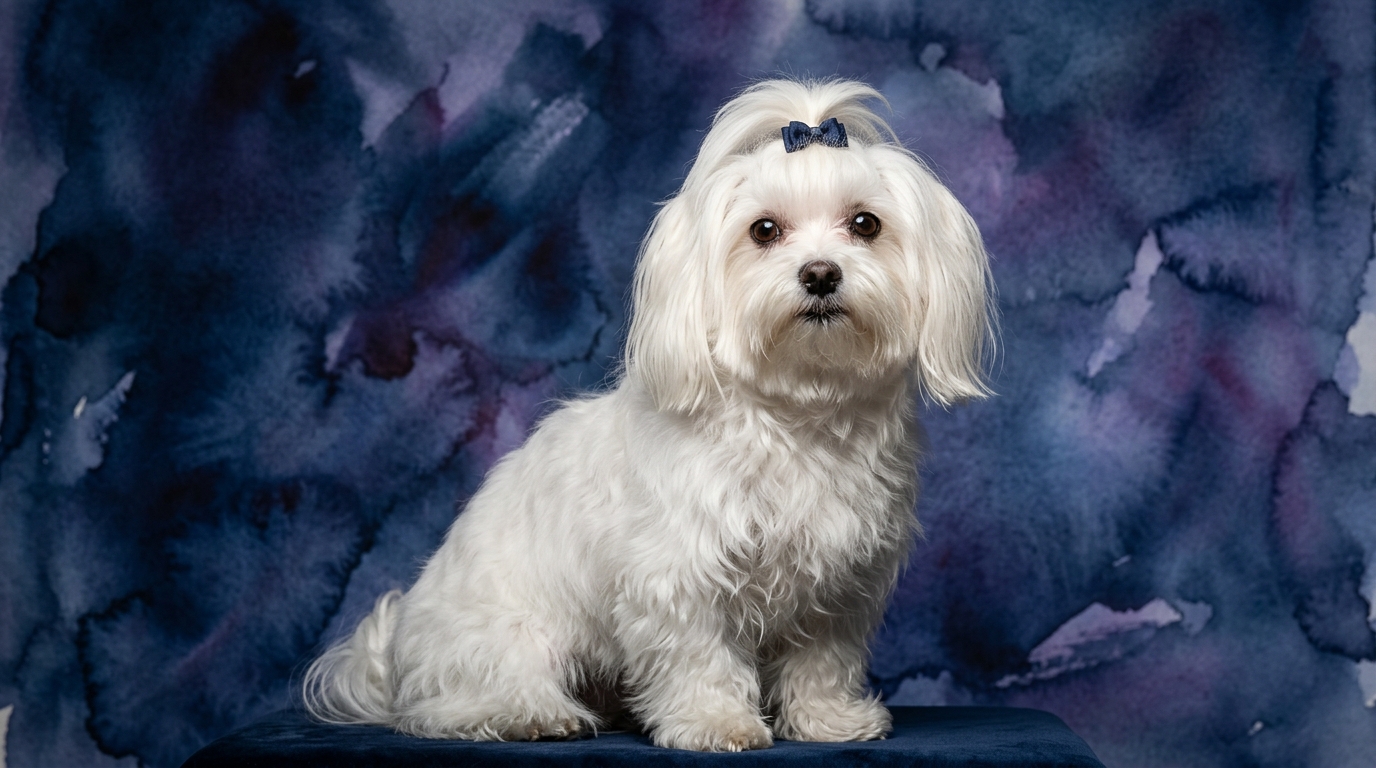
The Maltese, ranked #59 by Coren for obedience and working intelligence, presents a cognitive profile strongly geared towards companionship and social interaction. Their Problem Solving is rated 3/5, indicating an ability to navigate moderately complex environmental and social challenges, often through observation and learned association rather than independent strategizing. Training Speed also sits at 3/5; they absorb new commands at a steady pace, thriving on positive reinforcement and the desire to please their primary caregivers. However, their defining cognitive characteristic is their Social Intelligence, rated a perfect 5/5. This exceptional capacity allows them to effortlessly read human emotions, adapt to subtle social cues, and forge incredibly deep, empathetic bonds, making them highly responsive and intuitive partners. Their Instinctive Drive is a modest 2/5, meaning they possess a low inherent urge for independent working tasks like hunting or herding, preferring human-centric activities. Finally, their Memory is 3/5, enabling them to retain learned behaviors and routines effectively, contributing to their adaptability in a home environment.
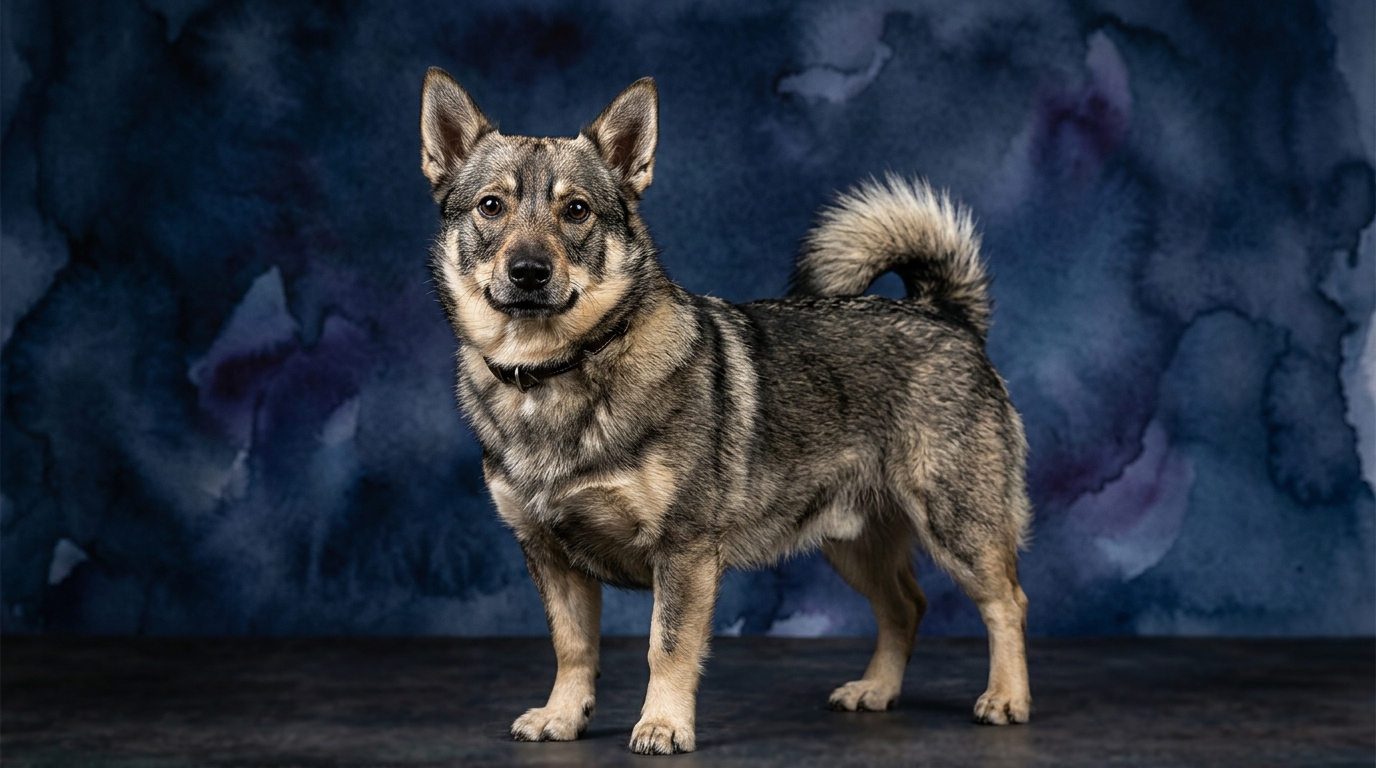
The Swedish Vallhund, though not included in Coren's ranking, showcases a distinct cognitive makeup rooted in its ancient herding heritage. Their Problem Solving is also 3/5, but this manifests differently, often involving practical spatial reasoning or navigating physical obstacles, reflecting their working background. Their Training Speed is 3/5, similar to the Maltese, meaning they learn at a moderate rate but often require engaging, purpose-driven methods to maintain focus and enthusiasm. The Vallhund's Social Intelligence is 3/5; they are loyal and affectionate with their family, forming strong bonds, but tend to be more reserved or discerning with strangers compared to the effusive Maltese, valuing practical interaction over constant emotional display. Crucially, their Instinctive Drive is 3/5, reflecting a moderate yet discernible urge for task-oriented activities, including herding, scent work, or agility. This drive is a fundamental aspect of their cognitive being, requiring outlets. Their Memory is also 3/5, allowing them to recall complex sequences and commands pertinent to their working roles and daily life with reliable consistency.
Where the Maltese's Cognition Shines Brightest
The Maltese truly excels in the realm of Social Intelligence, where their 5/5 rating is a testament to their profound capacity for emotional attunement. This isn't merely about friendliness; it's a sophisticated ability to interpret human moods, anticipate needs, and adapt their behavior to create harmonious interactions. A Maltese will often pick up on subtle changes in tone of voice or body language, offering comfort or initiating play precisely when it’s most needed. Their cognitive energy is heavily invested in understanding and engaging with their human companions, making them exceptional emotional support animals or therapy dogs, even without formal training. This highly developed social cognition allows them to navigate complex household dynamics with grace, becoming a deeply integrated and responsive member of the family unit, often seeming to 'understand' unspoken communication more readily than many other breeds.
The Swedish Vallhund's Unique Cognitive Strengths
In contrast, the Swedish Vallhund's cognitive strengths lie prominently in their Instinctive Drive and the practical application of their problem-solving skills, particularly when a task is involved. Their 3/5 Instinctive Drive fuels a desire for purposeful activity, a trait deeply ingrained from centuries of herding cattle and controlling livestock. While their Problem Solving is rated similarly to the Maltese, the Vallhund often applies this skill to environmental challenges or strategic maneuvering, such as figuring out how to cut off a 'sheep' (or a toy) in a game of chase, or how to navigate an agility course efficiently. This breed thrives when given a 'job,' even if it's just a structured play session or learning complex trick sequences. Their cognitive focus is less about emotional mirroring and more about engaging with and manipulating their environment to achieve a tangible outcome, making them highly capable partners in dog sports or other working endeavors.
Training Dynamics: Which is Easier and Why?
Both the Maltese and the Swedish Vallhund share a 3/5 Training Speed, suggesting they learn at a moderate pace, but the *ease* of training can differ significantly based on the owner's approach and the dog's inherent motivations. The Maltese, with its superior Social Intelligence (5/5), often presents as easier to train for basic obedience because of an innate desire to please and a strong responsiveness to human cues. They form deep attachments and are highly motivated by positive reinforcement from their beloved owner, viewing training as another form of engaging social interaction. Their lower Instinctive Drive (2/5) means fewer internal distractions from working urges, allowing them to focus more readily on companion-oriented commands. However, owners must be consistent, as their charming nature can sometimes lead to lax training, resulting in a dog that understands commands but chooses when to obey.
The Swedish Vallhund, also at 3/5 for Training Speed, requires a different training methodology. While they are equally capable of learning, their moderate Instinctive Drive (3/5) means training needs to be engaging, stimulating, and often task-oriented to hold their attention. They are less driven by pure emotional appeasement and more by the satisfaction of 'doing' something. A Vallhund might find repetitive drills tedious; instead, they excel when training incorporates elements of problem-solving, agility, or scent work that tap into their natural herding and working instincts. Their independent thinking, a byproduct of their herding role, means a trainer must be patient, consistent, and creative, channeling their inherent drive into desired behaviors rather than allowing them to become bored or self-directed. When their cognitive needs for purpose are met, they are incredibly willing and capable learners.
Matching Breed to Owner Lifestyle: Active vs. Relaxed
When considering lifestyle compatibility, the cognitive profiles of these two breeds paint a clear picture. The Maltese, with its unparalleled Social Intelligence and lower Instinctive Drive, is an ideal match for more relaxed owners who prioritize companionship and emotional connection. Their primary cognitive need is proximity and interaction with their human family; they thrive in environments where they can be close to their people, whether on a lap, following them from room to room, or enjoying gentle strolls. While they appreciate play and short walks, their cognitive well-being is less dependent on rigorous physical activity and more on consistent, loving social engagement. They are perfectly content to be a devoted, attentive presence in a calm home, flourishing when their human is readily available for cuddles and soft communication.
Conversely, the Swedish Vallhund, with its moderate Instinctive Drive and practical problem-solving capabilities, is a far better fit for active owners who can provide consistent mental and physical stimulation. This breed thrives when given outlets for its working heritage, whether through dog sports like agility, obedience trials, herding games, or long, purposeful hikes. A Vallhund needs more than just a walk around the block; they require activities that engage their minds and bodies, channeling their inherent drive into constructive behaviors. An owner who understands and embraces this need will find an enthusiastic, capable partner. Without adequate mental and physical engagement, their moderate drive can manifest as boredom-driven behaviors like excessive barking, digging, or creative mischief, making them less suitable for a purely relaxed, sedentary lifestyle.
The Verdict
Opt for the Maltese if your lifestyle prioritizes an emotionally attuned companion who thrives on close social interaction and a more relaxed pace. Their exceptional social intelligence makes them devoted partners in a tranquil home setting, requiring consistent human presence and affection.
Select the Swedish Vallhund if you are an active owner seeking a task-oriented companion who enjoys engaging in purposeful activities and can channel their moderate instinctive drive into structured challenges and physical endeavors.
🧠 Find Your Pet's IQ Score
Our Pet IQ Lab assessment covers 25+ tests across 5 cognitive dimensions — personalized to your breed.
Take the Full IQ Test →Frequently Asked Questions
Do Maltese dogs require less mental stimulation than Swedish Vallhunds?
While both breeds benefit from mental engagement, the Maltese's stimulation often centers on social interaction and gentle play due to their high social intelligence. Swedish Vallhunds, with their moderate instinctive drive, typically require more structured tasks, problem-solving games, and robust physical activity to satisfy their cognitive needs.
How does the Coren ranking of the Maltese compare to the Swedish Vallhund's cognitive profile?
The Maltese's Coren rank of #59 indicates a good capacity for obedience learning, reflecting their eagerness to please. While the Swedish Vallhund isn't Coren-ranked, its herding background suggests a strong practical intelligence and aptitude for task-oriented learning and independent thought, which might not be fully captured by obedience-focused rankings alone.
Can a Swedish Vallhund adapt to apartment living like a Maltese?
A Swedish Vallhund can adapt to apartment living, but it requires significantly more dedicated effort from the owner to provide daily mental and physical exercise, given its moderate instinctive drive. A Maltese, with its lower drive and high social intelligence, typically adapts more readily to smaller living spaces, prioritizing companionship over expansive outdoor activity.