Side-by-Side Cognitive Profiles: Maltese vs. Welsh Springer Spaniel
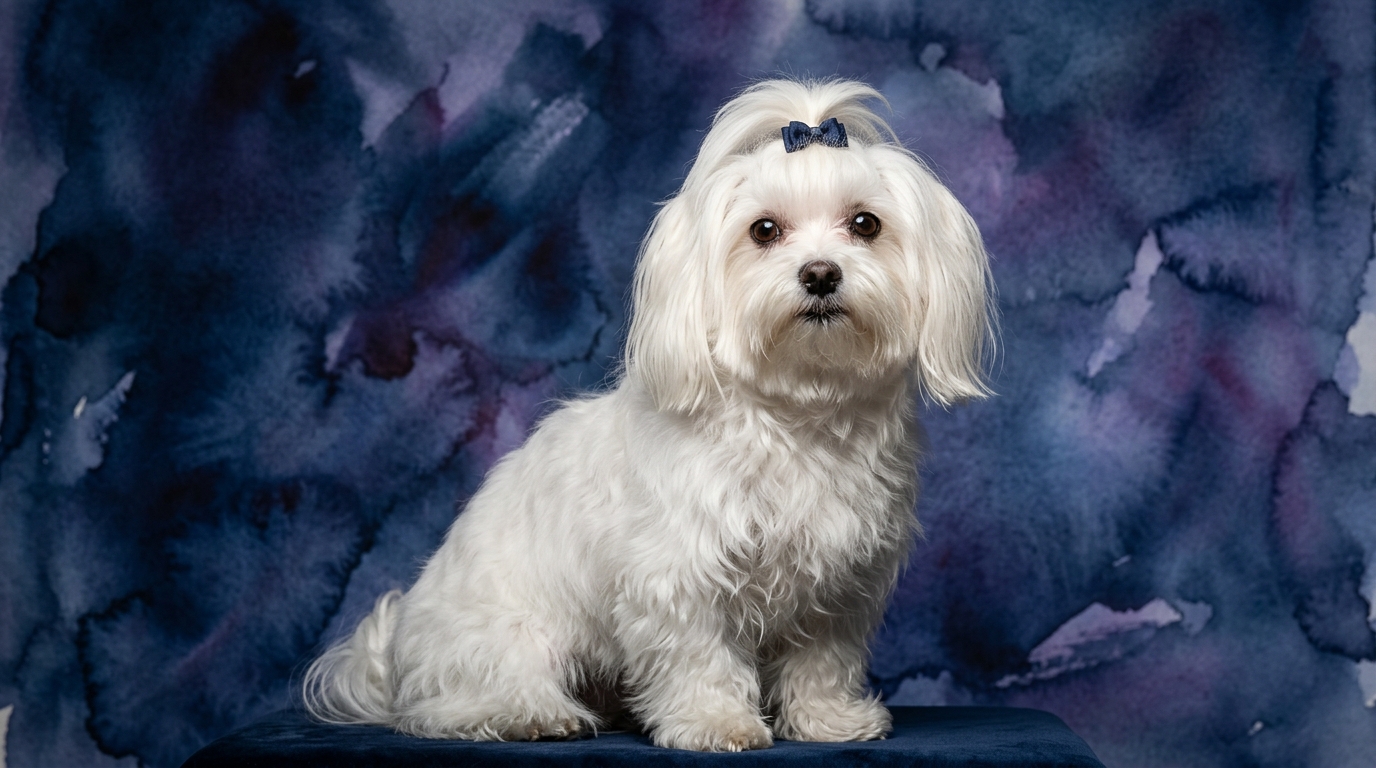
The Cosmic Pet Pet IQ Lab employs a five-dimensional framework to assess canine cognition, providing a nuanced understanding beyond simple rankings. For the Maltese, a Toy breed with a Coren rank of #59, we observe a unique set of strengths and moderate attributes. Their problem-solving ability scores 3/5, indicating competence in navigating novel challenges without exceptional ingenuity. Training speed is also 3/5, suggesting a steady, rather than rapid, acquisition of new commands. Where the Maltese truly shines is in social intelligence, earning a perfect 5/5, reflecting their profound capacity for understanding human cues and emotions. Their instinctive drive is low at 2/5, meaning they are less compelled by inherent breed-specific tasks, and their memory stands at 3/5, capable of retaining learned information adequately.
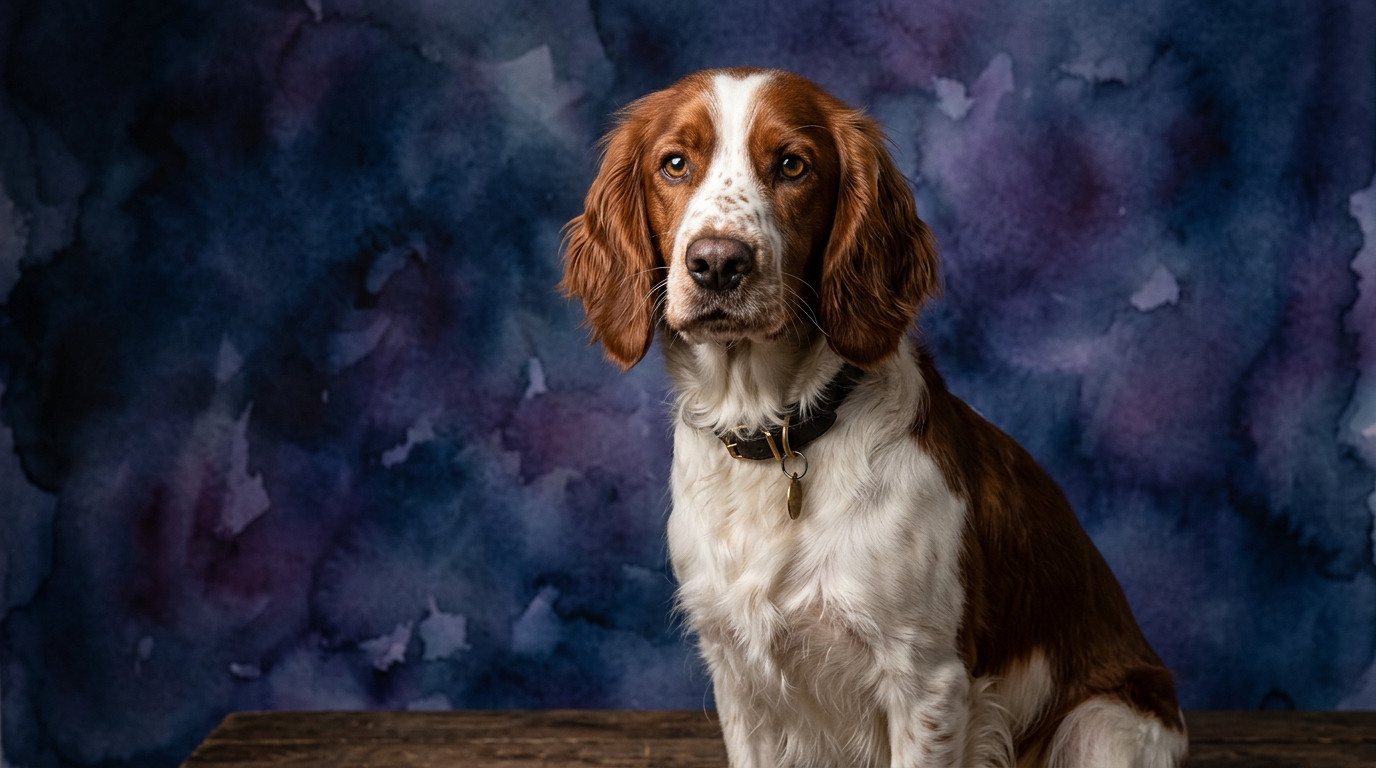
In contrast, the Welsh Springer Spaniel, a Sporting breed with a more prominent Coren rank of #31, presents a profile geared towards functionality and application. Their problem-solving ability is a robust 4/5, indicating a resourceful approach to environmental challenges and novel situations. Training speed mirrors this at 4/5, suggesting they grasp and internalize new instructions with considerable efficiency. Social intelligence, while present, is rated 3/5, meaning they are attuned to their immediate family but perhaps less universally focused on interpreting human social nuances than their Maltese counterparts. Their instinctive drive is a moderate 3/5, reflecting their heritage as working gundogs, and their memory is a strong 4/5, enabling consistent recall and retention of complex sequences.
Where the Maltese Demonstrates Cognitive Strengths
The Maltese's standout cognitive strength lies unequivocally in their social intelligence, achieving a rare 5/5 score. This isn't merely about being affectionate; it's a deep-seated ability to interpret the subtle emotional states, intentions, and non-verbal cues of their human companions. A Maltese can often sense a shift in mood, offering comfort or initiating play with remarkable accuracy. This cognitive aptitude allows them to form exceptionally strong, almost intuitive bonds, making them highly responsive to their owner's emotional landscape. They excel in environments where close companionship and emotional attunement are paramount, adapting their behavior to maintain harmony and connection within their human family unit. This acute social awareness means they are often adept at understanding household routines and anticipating needs, not through rigid training but through observation and contextual understanding of human behavior.
Furthermore, their lower instinctive drive (2/5) can be a distinct advantage for owners seeking a companion less preoccupied with external stimuli or working tasks. While some breeds are hardwired for specific jobs, the Maltese's cognitive energy is largely directed towards social interaction and maintaining close proximity. This means they are less likely to be distracted by hunting scents or the urge to herd, making them content in a more domesticated, companion-focused role. Their cognitive profile suggests a dog whose primary 'work' is relational, making them masters of co-habitation and emotional support.
Where the Welsh Springer Spaniel Demonstrates Cognitive Strengths
The Welsh Springer Spaniel’s cognitive profile highlights a pragmatic and task-oriented intelligence, particularly evident in their problem-solving (4/5), training speed (4/5), and memory (4/5). Their problem-solving capacity means they are not easily stumped by novel situations; they can assess a challenge, strategize, and execute a solution, whether it's figuring out how to retrieve a toy from under furniture or navigating a complex scent trail. This resourceful approach makes them engaging partners for activities that require mental engagement and adaptability.
Their superior training speed and memory are intrinsically linked, allowing them to acquire and retain a broad repertoire of commands and behaviors efficiently. Unlike breeds that might require extensive repetition, the Welsh Springer Spaniel often grasps concepts quickly and reliably recalls them over time. This makes them highly suitable for advanced obedience, agility, or field work, where intricate sequences and rapid responses are crucial. Their moderate instinctive drive (3/5), rooted in their sporting heritage, provides a functional motivation that can be channeled into productive activities, making them eager participants in structured tasks. This drive, combined with their cognitive strengths, enables them to excel in roles requiring focus, endurance, and consistent performance.
Training Dynamics: Which is Easier to Train and Why?
When evaluating ease of training, the Welsh Springer Spaniel generally holds an advantage due to its higher scores in training speed (4/5) and memory (4/5). These attributes translate into a dog that can pick up new commands and routines more quickly and retain them over longer periods with less refresher work. Their moderate instinctive drive (3/5) also means they possess an inherent desire to work and please when engaged in a task, which can be harnessed effectively in training sessions. For instance, a Welsh Springer is likely to master a multi-step retrieve or a complex agility course with fewer repetitions than a Maltese, and remember it consistently for future sessions.
The Maltese, with training speed and memory both at 3/5, may require more patience and consistent repetition during training. However, their exceptional social intelligence (5/5) plays a crucial compensatory role. While they might not grasp a command as rapidly as a Welsh Springer, their strong desire to connect and please their owner provides a powerful intrinsic motivator. They are highly attuned to feedback and emotional responses, often striving to understand what their human wants to maintain that social harmony. This means that while the *rate* of learning might be slower, their *willingness* to engage and comply, driven by their social bond, can make them surprisingly amenable to training, especially when positive reinforcement is heavily weighted on social praise and connection rather than just treats.
Lifestyle Match: Active Owners vs. Relaxed Owners
For active owners seeking a canine partner for outdoor adventures, sports, or consistent mental engagement, the Welsh Springer Spaniel is often the more fitting choice. Their higher instinctive drive (3/5) combined with robust problem-solving (4/5) and memory (4/5) means they thrive on purpose and activity. They are built for endurance and enjoy challenges that stimulate both their bodies and minds, such as long hikes, scent work, or participation in dog sports like agility or flyball. A Welsh Springer left without sufficient mental and physical outlets may become restless or develop undesirable behaviors born of boredom, indicating their need for an active lifestyle to fulfill their cognitive and physical requirements.
Conversely, the Maltese is an ideal companion for more relaxed owners or those living in smaller spaces where extensive outdoor activity is less feasible. Their lower instinctive drive (2/5) means they are generally content with moderate exercise, such as daily walks and indoor play. Their unparalleled social intelligence (5/5) makes them thrive on close human companionship and emotional interaction, often preferring to be a constant shadow rather than an independent explorer. They excel in environments where their primary role is that of a devoted companion, offering comfort and reciprocated affection. Their cognitive energy is best satisfied through intimate interactions, cuddles, and gentle play that strengthens the human-animal bond.
The Verdict: When to Choose Each Breed
Choosing between a Maltese and a Welsh Springer Spaniel ultimately hinges on an owner's lifestyle, expectations for engagement, and preference for a specific type of cognitive interaction. Both breeds offer unique companionship, but their core cognitive profiles steer them towards different ideal environments.
The Verdict
Choose the Maltese if you prioritize profound social connection, emotional attunement, and a companion whose cognitive strengths lie in interpreting and responding to human emotional states, thriving in a more relaxed, companion-focused household.
Opt for the Welsh Springer Spaniel if you seek a partner for active pursuits, enjoy engaging in structured training and problem-solving activities, and value a dog with a pragmatic intelligence for tasks and outdoor adventures.
🧠 Find Your Pet's IQ Score
Our Pet IQ Lab assessment covers 25+ tests across 5 cognitive dimensions — personalized to your breed.
Take the Full IQ Test →Frequently Asked Questions
Is the Maltese truly less capable of learning than a Welsh Springer Spaniel?
Not necessarily 'less capable,' but their learning style and speed differ. The Maltese (training speed 3/5) may require more repetition, but their high social intelligence (5/5) makes them eager to please and highly responsive to positive reinforcement based on connection, leading to effective learning over time, albeit at a different pace than the Welsh Springer (training speed 4/5).
Do Welsh Springer Spaniels need constant mental stimulation?
Yes, their cognitive profile, with 4/5 problem-solving and 3/5 instinctive drive, indicates a need for regular mental engagement. They benefit greatly from activities like puzzle toys, training sessions, and opportunities to use their natural retrieving and scenting abilities to prevent boredom and maintain cognitive well-being.
Can a Maltese participate in dog sports like agility?
While a Maltese might not have the same physical endurance or problem-solving drive as a Sporting breed, their social intelligence and eagerness to please can make them enthusiastic participants in modified dog sports. They might excel in beginner-level agility or obedience, particularly if the focus is on fun and bonding rather than intense competition, leveraging their desire for human interaction.