Side-by-Side IQ Profile: Maltese vs. West Highland White Terrier
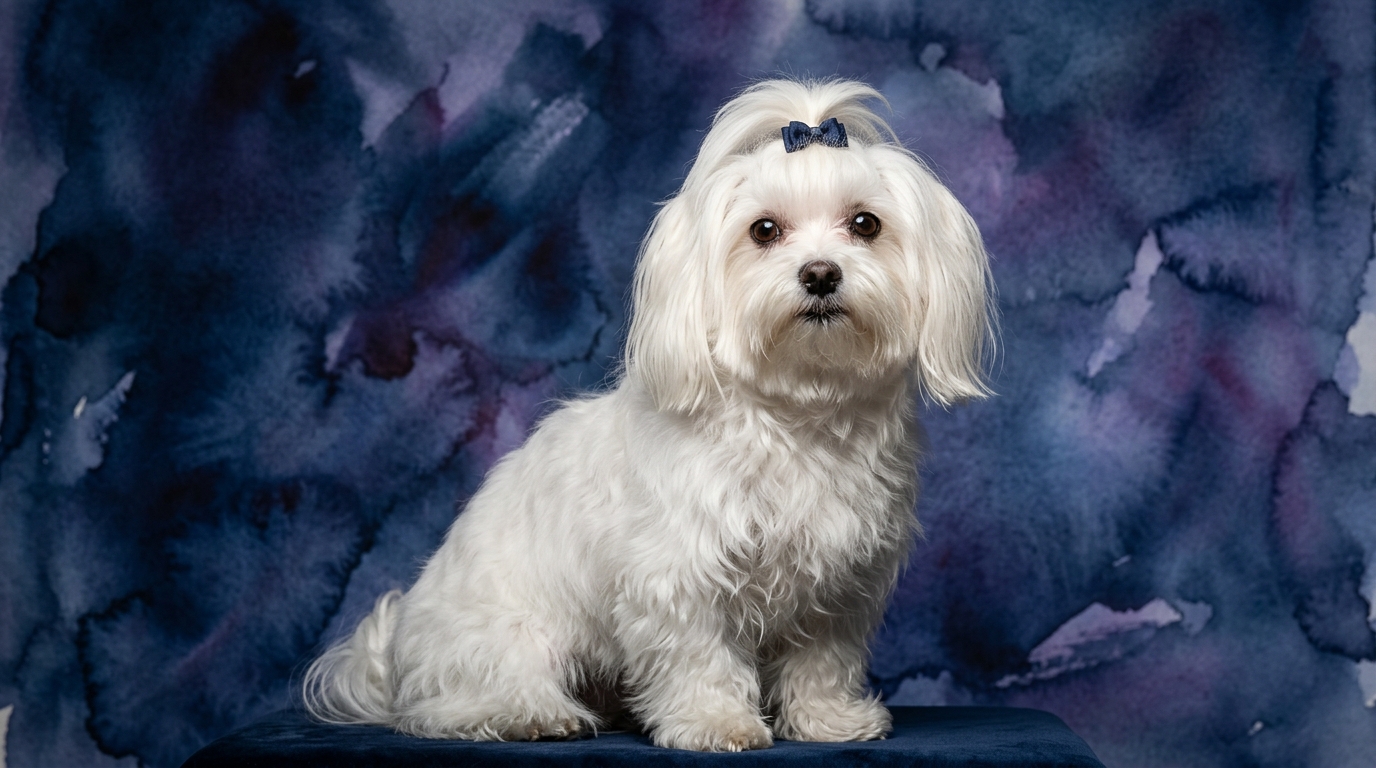
The Cosmic Pet Pet IQ Lab employs five distinct dimensions to assess canine intelligence, offering a nuanced view of how breeds process information and interact with their world. For the Maltese (Coren rank #59), this breakdown reveals a unique set of cognitive strengths. Their Problem Solving is rated 3/5, indicating a moderate capacity for navigating novel situations and learning through trial-and-error; they can grasp simple puzzle toys and adapt to minor environmental changes, but complex multi-step challenges might require significant guidance. Training Speed also sits at 3/5, meaning their ability to pick up new commands is moderate; while not the quickest learners, consistent, positive reinforcement methods typically yield steady progress, especially when training is made engaging and fun. A standout trait for the Maltese is their Social Intelligence, scoring an exceptional 5/5, reflecting an extraordinary capacity to understand human emotions, social cues, and intricate family dynamics, excelling at forming deep bonds and often anticipating their owner's needs or moods. Their Instinctive Drive is low at 2/5, as bred primarily as companions, their natural inclinations for hunting, guarding, or specific tasks are minimal, making them less prone to independent working behaviors. Finally, their Memory is 3/5, an average capacity meaning they will recall learned commands and routines, but might require occasional refreshers for less frequently practiced behaviors or complex sequences.
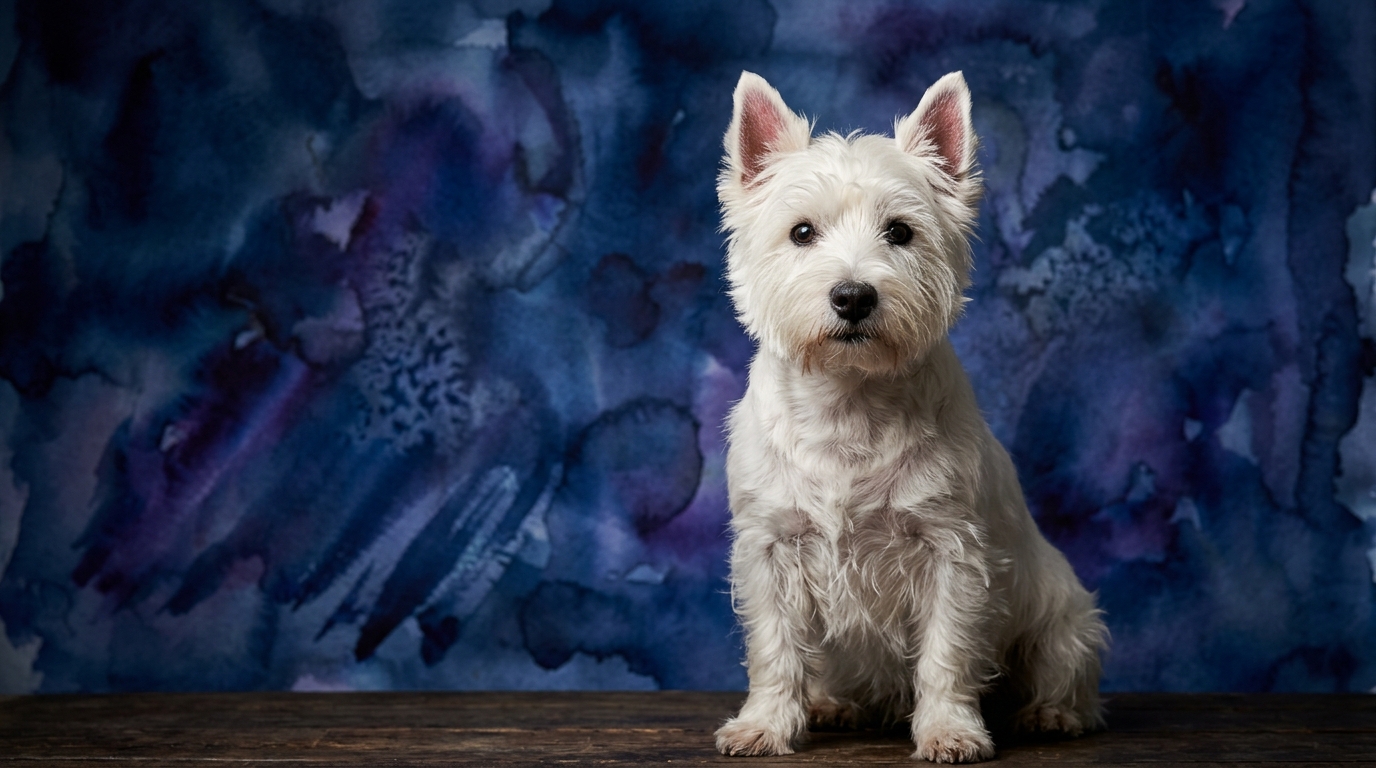
In contrast, the West Highland White Terrier (Coren rank #47) presents a different cognitive landscape. Similar to the Maltese, their Problem Solving is 3/5, displaying a moderate aptitude for figuring out how to get to a favorite toy or navigate familiar obstacles, though they aren't typically inclined towards abstract reasoning or intricate puzzles without significant motivation. Training Speed is also 3/5, placing them in the moderate category for learning new commands, but their independent streak, characteristic of terriers, can sometimes make them appear less eager to please, requiring patient and consistent methods. Their Social Intelligence is 3/5; Westies connect well with their families and can read basic human cues, but they tend to be more self-reliant and less focused on anticipating human emotions compared to the Maltese. A key differentiator is their Instinctive Drive, rated 3/5; as a terrier, the Westie possesses a moderate drive for digging, chasing, and exploring, remnants of their historical role as rodent hunters, influencing their curiosity and sometimes their independence. A strong point for the Westie is their Memory, rated 4/5, indicating an above-average ability to retain learned commands, boundaries, and routines effectively, often recalling lessons even after a long break, making them reliable in established patterns.
Where the Maltese Wins Cognitively
The Maltese truly shines in the realm of social intelligence, scoring an impressive 5 out of 5. This exceptional capacity allows them to interpret human emotions, body language, and vocal tones with remarkable accuracy, fostering an almost telepathic bond with their caregivers. Unlike many breeds, a Maltese might preemptively offer comfort when sensing distress or playfully nudge a hand when detecting a desire for interaction, often without explicit cues. Their high social acumen means they integrate seamlessly into family dynamics, adapting their behavior to suit the mood of the household and forming deep, nuanced attachments. This makes them profoundly attuned companions, often feeling like an extension of their human family rather than just a pet.
Where the West Highland White Terrier Wins Cognitively
The West Highland White Terrier distinguishes itself with a superior memory, rated 4 out of 5, which significantly aids in retaining complex sequences and environmental layouts over time. They are particularly adept at remembering specific routes on walks, the location of favorite toys, or the precise spot where a treat might have been dropped days ago. This robust memory contributes to their reliability in established routines and learned commands, even if training initially presents challenges due to their independent nature. Furthermore, their moderate instinctive drive, scoring 3 out of 5, though not a 'win' in pure cognitive terms, informs their problem-solving in a practical, terrier-specific way. This drive fuels their curiosity and persistence in exploring, digging, and tracking, making them adept at tasks related to seeking and finding, a different kind of practical intelligence.
Which is Easier to Train and Why
While both breeds share a moderate training speed (3/5) and a Coren rank in the middle tier, the underlying cognitive profiles suggest different training experiences. The Maltese, with its superior social intelligence, often appears easier to train because of its profound desire to please and connect with its owner. They are highly motivated by positive reinforcement that strengthens the bond, quickly picking up on subtle cues from their trainer and adapting their behavior to maintain harmony. Their lower instinctive drive means fewer innate distractions like chasing squirrels or digging, allowing for more focused attention during sessions. In contrast, the West Highland White Terrier's training speed is tempered by its moderate instinctive drive and more independent social intelligence. While they possess a good memory for retaining commands, their terrier heritage means they can be more strong-willed, occasionally prioritizing their own interests, like investigating a scent or digging, over compliance. Training a Westie often requires more patience, consistency, and creative methods to channel their natural drives into desirable behaviors, making them perhaps more challenging for a novice owner despite their good memory for the learned material.
Which Suits Active Owners vs. Relaxed Owners
The Maltese, with its lower instinctive drive and exceptional social intelligence, is an ideal companion for more relaxed owners who cherish close companionship and indoor activities. Their contentment stems primarily from human interaction and comfort, making them less demanding of extensive physical exertion. While they enjoy short walks and playtime, their cognitive needs are largely met through cuddles, gentle games, and being an integral part of daily family life. For owners seeking a quiet, affectionate presence that thrives on emotional connection, the Maltese is a perfect fit. The West Highland White Terrier, however, with its moderate instinctive drive and strong memory, aligns better with active owners who can provide outlets for their exploratory nature. They thrive on regular walks, opportunities to sniff and investigate, and even some light 'work' like agility or earth dog trials that engage their terrier instincts. While they are affectionate, their independence means they appreciate activities that challenge their physical and mental energy. Owners who enjoy outdoor adventures or structured play will find the Westie a spirited and engaging partner.
The Verdict
Choose a Maltese if you seek an exceptionally social, emotionally attuned companion who thrives on deep connection and a more relaxed, indoor-centric lifestyle.
Opt for a West Highland White Terrier if you appreciate a spirited, independent companion with a strong memory and an inclination for exploration, suiting a more active and engaging household.
🧠 Find Your Pet's IQ Score
Our Pet IQ Lab assessment covers 25+ tests across 5 cognitive dimensions — personalized to your breed.
Take the Full IQ Test →Frequently Asked Questions
Are Maltese good at learning tricks?
Yes, with their moderate training speed and strong desire to please, Maltese can learn a variety of tricks, especially those that involve interacting closely with their owner. Consistency and positive reinforcement are key to their success.
Do West Highland White Terriers need a lot of mental stimulation?
Absolutely. Their moderate instinctive drive and good memory mean Westies benefit greatly from mental challenges like puzzle toys, scent work, and varied training sessions to prevent boredom and channel their natural curiosity.
How do their social skills differ with strangers?
The Maltese's high social intelligence often extends to being generally welcoming or politely reserved with strangers, easily reading their intentions. Westies, while social with their family, can be more discerning and sometimes aloof with new people, a trait linked to their more independent nature.