
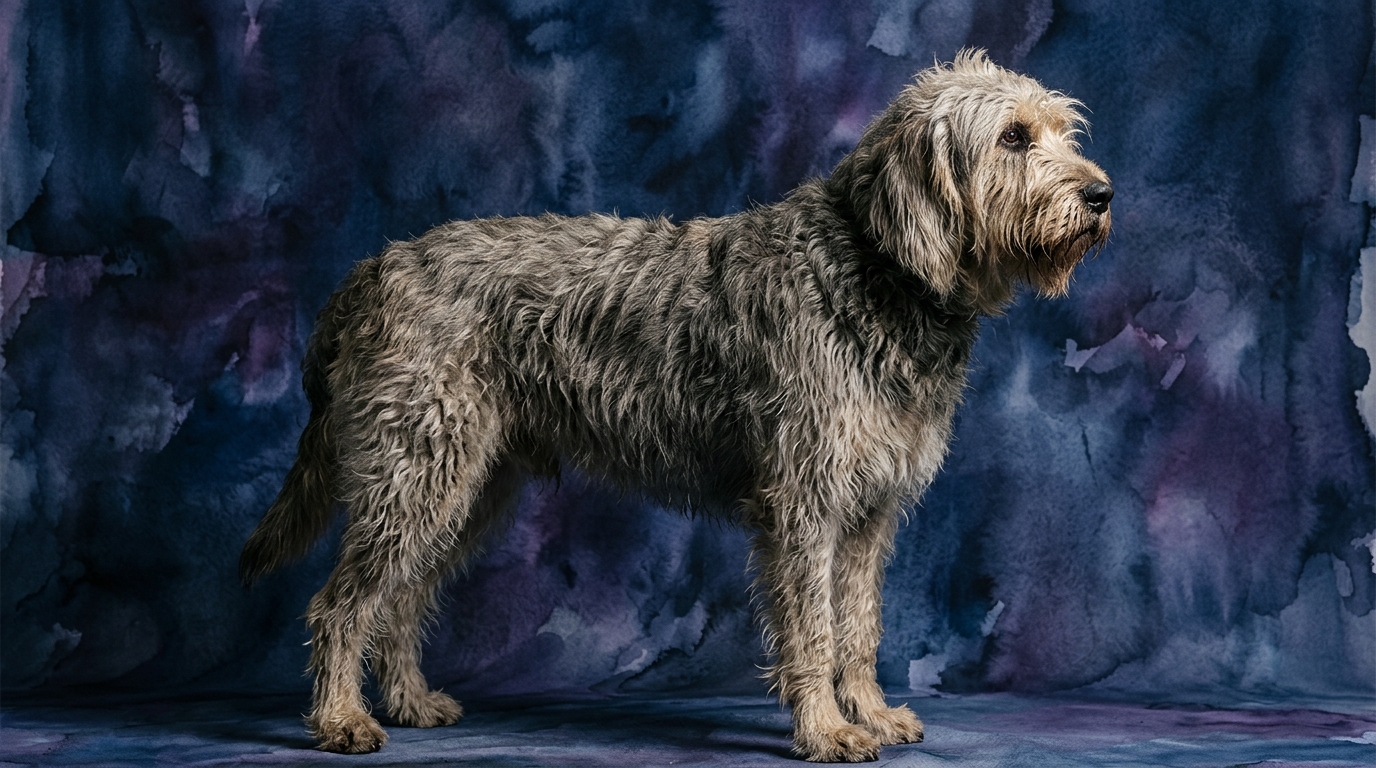
Side-by-Side IQ Profile: Unpacking Shared Scores
While both the Manchester Terrier and the Otterhound register identical 3/5 scores across our Pet IQ Lab's cognitive dimensions, their breed-specific interpretations of these abilities are quite distinct. These scores don't imply sameness but rather a comparable level of capacity expressed through different behavioral lenses, shaped by their historical roles and inherent temperaments. Understanding these nuances is key to appreciating their individual cognitive strengths and challenges.
For the Manchester Terrier, a nimble and alert member of the Terrier group, a Problem Solving score of 3/5 often translates into quick, resourceful thinking, especially when navigating domestic challenges or outsmarting small 'prey.' Their Training Speed at 3/5 indicates an ability to grasp concepts swiftly, yet their independent spirit means compliance isn't always immediate. Social Intelligence at 3/5 suggests they are observant of their human companions, forming strong bonds while often being more reserved with strangers. Their Instinctive Drive of 3/5 is characterized by a keen prey drive for small game and an alert guarding instinct. Finally, a Memory score of 3/5 means they retain learned commands and experiences effectively, shaping future interactions.
The Otterhound, a robust and amiable hound, interprets these same scores through the lens of scent work and endurance. Their Problem Solving at 3/5 manifests as persistent, methodical tracking, requiring sustained effort and determination to follow complex scent trails. A Training Speed of 3/5 reflects their capacity to learn, but their overwhelming focus on scent can make them appear slower to respond, often prioritizing environmental cues over human commands. Social Intelligence at 3/5 signifies a generally amiable, tolerant nature, well-suited to pack dynamics and family life, communicating needs in a straightforward manner. Their Instinctive Drive of 3/5 is dominated by an exceptional scenting ability and remarkable stamina for tracking. Their Memory score of 3/5 ensures they recall scent trails, routes, and learned behaviors, though instinct can sometimes overshadow training.
Where the Manchester Terrier's Cognition Shines
The Manchester Terrier's cognitive style often presents as a quick, adaptable intelligence, particularly in environments that reward ingenuity and responsiveness. Their 3/5 Problem Solving score allows them to excel at figuring out how to achieve desired outcomes within a household, whether it's retrieving a hidden toy or navigating obstacles to reach a favorite spot. This often involves a clever manipulation of their surroundings or a rapid assessment of new situations, making them appear particularly 'tuned in' to their immediate environment.
Their 3/5 Social Intelligence, while discerning, shines in their ability to quickly read and respond to their primary human companions' moods and routines. They often anticipate next steps or react with a keen understanding of household dynamics, fostering a strong, interactive bond. This attentiveness, combined with their sharp observational skills, allows them to process and react to novel stimuli within their territory with remarkable speed, showcasing a distinct form of cognitive agility that sets them apart.
Where the Otterhound's Cognition Excels
The Otterhound's cognitive strengths lie in areas demanding sustained focus, sensory processing, and physical endurance. Their 3/5 Problem Solving score is best observed in their methodical pursuit of a scent, where they demonstrate an unwavering determination to unravel complex olfactory puzzles over vast distances. This isn't about quick tricks, but rather a deep, enduring cognitive stamina, relentlessly following a trail regardless of environmental challenges or distractions.
Their 3/5 Instinctive Drive for scent work is not merely a physical trait; it underpins a sophisticated cognitive process of data collection and recall. They possess an exceptional memory for intricate scent patterns and routes, allowing them to effectively 'map' their environment through smell. Furthermore, their 3/5 Social Intelligence, honed by centuries of pack work, enables seamless cooperation with other dogs and a generally tolerant, amiable disposition towards people, making them excellent, if boisterous, companions in a group setting.
Training Dynamics: Independence vs. Instinct
When considering which breed might be 'easier' to train, the identical 3/5 Training Speed scores belie significant differences in the training experience. The Manchester Terrier, with its terrier heritage, can grasp commands quickly due to its alertness and desire to engage, often learning new cues in fewer repetitions. However, their strong independent streak and inherent prey drive mean that maintaining compliance requires a trainer with sharp wits, capable of offering varied, stimulating sessions to prevent boredom and manage their tenacious will. They are prone to 'selective hearing' if a more interesting stimulus, like a scurrying squirrel, captures their attention, testing boundaries more readily.
The Otterhound, while equally capable of learning (3/5 Training Speed), presents a different training challenge primarily due to its overwhelming scent drive. Their attention is often directed outwards, towards the rich tapestry of smells around them, making it difficult for them to focus on human commands, especially in stimulating environments. Training an Otterhound demands immense patience, consistent positive reinforcement, and a deep understanding of their hound nature. They might respond slower to commands if a compelling scent is present, necessitating foundational work to teach them to disengage from a trail and reorient to their handler. Their learning curve is steady, but the process can feel more drawn out as trainers work to integrate commands with their powerful natural instincts.
Lifestyle Match: Active Engagement vs. Outdoor Endurance
The Manchester Terrier is best suited for owners who thrive on interactive engagement and can provide consistent mental and physical stimulation. Their need for varied activities, whether it's agility, obedience training, or structured play, aligns well with an owner who enjoys active participation in their dog's daily life. They can adapt to apartment living if their cognitive and physical needs are met through regular, engaging outings and indoor challenges, ensuring their sharp minds and energetic bodies are constructively utilized. They appreciate a consistent routine but also benefit from novel experiences that tap into their problem-solving abilities.
The Otterhound, on the other hand, demands an owner who genuinely embraces the outdoors and endurance activities. These dogs require significant daily exercise, often involving long walks, hikes, or opportunities to follow a scent in safe, expansive areas. Their stamina and deep-seated need to 'work' their nose are fundamental aspects of their well-being, meaning they are not a suitable match for purely relaxed or sedentary lifestyles. While their amiable nature can fit a relaxed social environment at home, their physical and sensory demands are substantial, necessitating an owner prepared for consistent, often muddy, outdoor adventures that allow their unique cognitive and physical traits to flourish.
The Verdict
Choose the Manchester Terrier if you seek a cognitively sharp companion who thrives on interactive challenges, quick problem-solving, and engaging training, appreciating a dog with a discerning social approach and a vigilant presence.
Opt for the Otterhound if you are an outdoors enthusiast who values a persistent, scent-driven companion for long adventures, appreciates a generally amiable pack-oriented nature, and is prepared for dedicated, patient training guided by a profound understanding of hound instincts.
🧠 Find Your Pet's IQ Score
Our Pet IQ Lab assessment covers 25+ tests across 5 cognitive dimensions — personalized to your breed.
Take the Full IQ Test →Frequently Asked Questions
Do Manchester Terriers and Otterhounds learn at the same pace?
While both breeds score 3/5 for training speed, the manifestation differs significantly. Manchester Terriers can grasp new commands quickly due to their alertness, but their independent streak requires engaging, varied training. Otterhounds learn steadily, but their powerful scent drive can make them appear slower to respond, demanding consistent, patient reinforcement to override natural instincts.
Which breed is better at problem-solving?
Both score 3/5, yet their problem-solving styles diverge considerably. Manchester Terriers excel at quick, resourceful solutions often involving clever manipulation within their immediate environment. Otterhounds display a methodical, persistent form of problem-solving, especially when tracking scents, demonstrating impressive endurance and determination to achieve a goal.
How do their social intelligence scores of 3/5 compare?
A 3/5 in social intelligence means both are capable, but differently. Manchester Terriers are observant of their inner circle, forming strong bonds and often being discerning with strangers. Otterhounds, bred for pack work, tend to be more overtly amiable and tolerant, communicating their needs in a more straightforward, less subtle manner within a group setting.