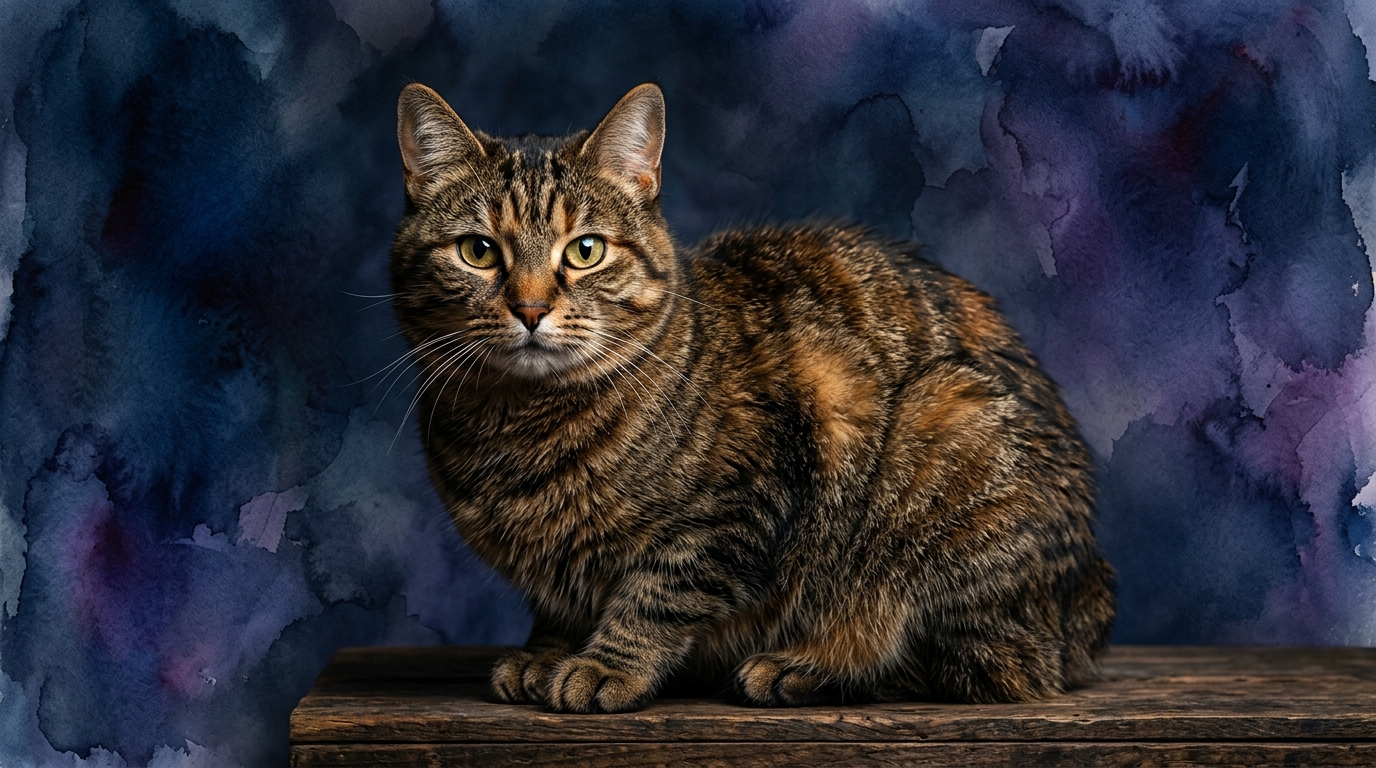
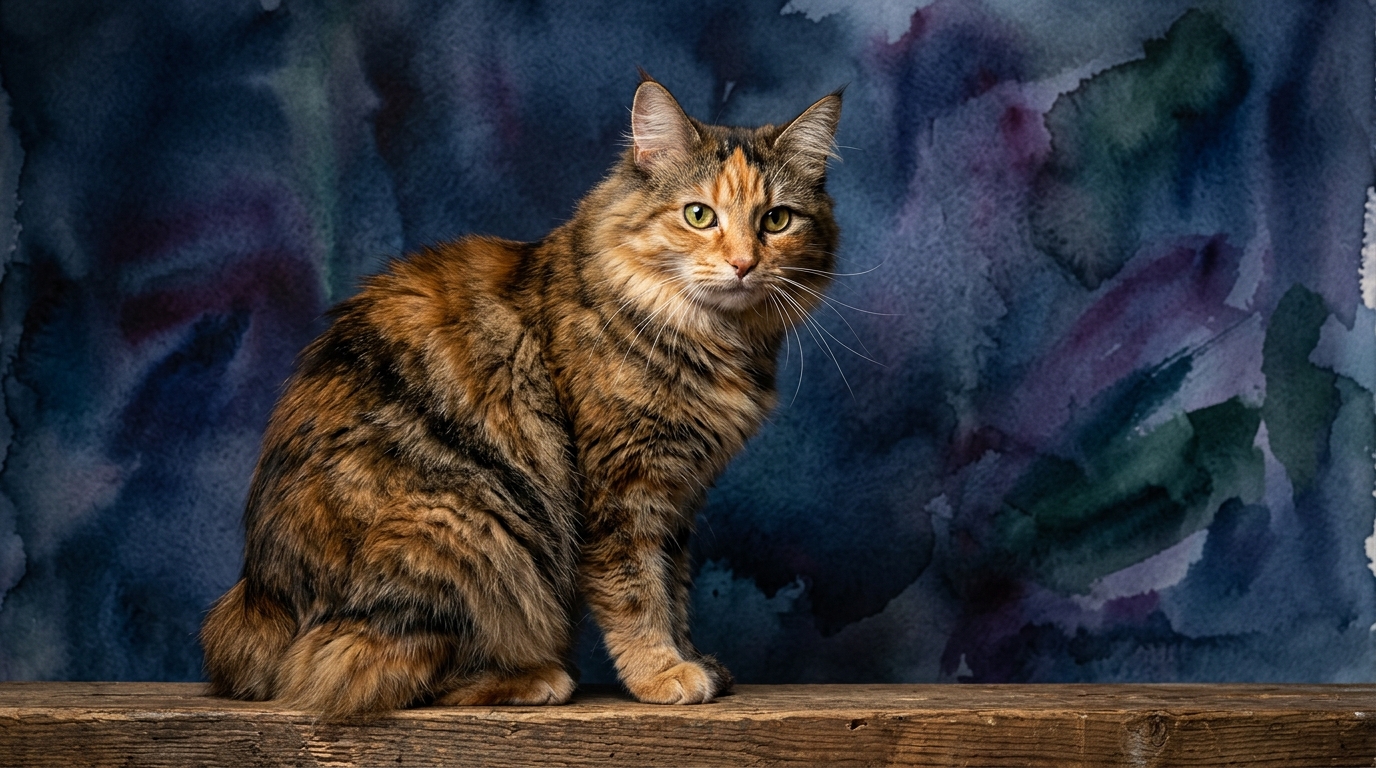
Side-by-Side IQ Profile: Manx and Cymric
Both the Manx and the Cymric, essentially long-haired Manx, register a consistent 3 out of 5 across all five measured dimensions in The Cosmic Pet Pet IQ Lab. This consistent scoring indicates a solid, mid-range cognitive capacity, suggesting neither is a cognitive outlier but rather a capable and adaptable feline companion. Let's break down what this 3/5 means for each.
In Problem Solving, a 3/5 for the Manx often translates into a direct, hands-on approach to deciphering environmental challenges, such as figuring out how to open a cupboard or navigate a complex toy. The Cymric, also scoring 3/5, tends to exhibit this ability through a more observant and perhaps strategic method, often assessing a situation from a distance before engaging, particularly if it involves comfort or routine.
Training Speed, also at 3/5 for both, indicates they are receptive to learning. Manx cats, known for their often 'dog-like' enthusiasm, can pick up tricks and commands at a moderate pace, especially when positive reinforcement involves energetic play. Cymrics, while equally capable of learning at a moderate speed, often respond best to gentle, consistent training focused on routine and companionship, valuing the interaction itself.
Social Intelligence at 3/5 for both breeds means they are capable of forming strong bonds and understanding human cues. The Manx often displays this through active engagement with family members, following them around and participating enthusiastically in household activities. The Cymric typically expresses their 3/5 social intelligence through a deep, gentle bond with their chosen humans, showing sensitivity to moods and offering quiet, comforting companionship.
Their Instinctive Drive, a 3/5 for both, suggests a healthy level of natural feline behaviors. For the Manx, this might translate into enthusiastic hunting games, exploring new spaces with gusto, and a pronounced, active curiosity. For the Cymric, this 3/5 often manifests as a keen awareness of their surroundings, a gentle curiosity, and a preference for observing rather than constantly pursuing, often tied to comfort and security.
Finally, Memory, rated 3/5 for both, allows them to recall routines and learned behaviors. Manx cats demonstrate their memory by remembering preferred playtimes, the locations of favored toys, and the patterns of their human companions with a lively recall. Cymrics also possess a 3/5 memory, often using it to recall comforting routines, the patterns of their human companions, and the best places for naps or quiet interaction, emphasizing predictability.
Where the Manx Shines Cognitively
Despite identical numerical scores, the Manx often exhibits its 3/5 cognitive abilities with a more pronounced zest for interactive engagement. Their Problem Solving, while rated 3/5, frequently manifests in a more physically direct and exploratory manner, making them keen on manipulating objects or finding ways into intriguing spaces. This hands-on approach can appear as a 'win' for owners who appreciate a cat that actively investigates and interacts with its environment.
The Manx's 3/5 Social Intelligence often translates into a visibly more 'dog-like' companionship. They tend to follow their owners from room to room, participate in family activities, and even initiate games of fetch, which is a specific expression of their cognitive capacity for bonding and play. Their Instinctive Drive (3/5) supports this, making them particularly adept at engaging in energetic play sessions that involve chasing and 'hunting' toys, showcasing a vibrant application of their innate feline instincts within a domestic setting. This blend of direct problem-solving and overt social interaction often makes the Manx feel like a particularly 'involved' member of the household.
Where the Cymric Excels Cognitively
The Cymric, while sharing the same 3/5 scores, often expresses its cognitive strengths with a quieter, more contemplative grace. Their 3/5 Problem Solving might lean towards observation and strategic assessment rather than immediate physical intervention. This means they might take a moment to survey a new puzzle toy or a changed environment before acting, often finding an elegant solution that prioritizes comfort or efficiency.
The Cymric's 3/5 Social Intelligence frequently manifests as a deep, sensitive bond, showcasing an exceptional ability to attune to human moods and provide subtle, comforting companionship. They might not be as overtly 'dog-like' as the Manx, but their cognitive capacity for empathy and quiet devotion is a distinct strength, making them excellent companions for those seeking a serene presence. Their 3/5 Memory often reinforces this by enabling them to recall preferred quiet spots, established routines, and the nuanced preferences of their human companions, creating a sense of predictable comfort and security within the home environment. This gentle responsiveness highlights a unique cognitive elegance in the Cymric.
Training Dynamics: Manx vs. Cymric
While both breeds score 3/5 in Training Speed, the optimal approach for each can differ significantly due to their distinct behavioral expressions of other cognitive traits. Manx cats, with their often more boisterous and playful nature, might be quicker to pick up tricks involving physical activity or fetch, thriving on energetic engagement and direct interaction. Their innate curiosity and desire for active participation can make them eager participants in clicker training for specific actions, especially if the reward involves play or a novel challenge. The 3/5 social intelligence of a Manx often translates into a desire to please through active participation.
In contrast, the Cymric’s serene disposition means training might progress best with a calm, patient methodology. They might excel at remembering routines or responding to quieter cues, appreciating consistency and gentle encouragement over high-energy sessions. Their 3/5 social intelligence still drives a desire to please their human, but perhaps in a less overtly 'showy' manner than their Manx cousins. This makes them more receptive to commands that foster a sense of security and companionship, such as coming when called for a cuddle or performing a routine for a gentle treat. For both, positive reinforcement is key, but the 'reinforcement' itself might need to be tailored to their individual temperamental leanings.
Lifestyle Fit: Active vs. Relaxed Owners
For active owners seeking a feline companion to engage in energetic play and even learn tricks, the Manx often presents a compelling choice. Their 3/5 instinctive drive and social intelligence translate into a desire for interaction and exploration, making them suitable for households that can provide plenty of mental and physical stimulation through games and varied environments. They thrive on being involved in family activities and often enjoy supervised outdoor excursions, eagerly participating in their human's adventures. Their direct problem-solving skills also mean they enjoy new challenges and puzzle toys.
Relaxed owners, on the other hand, might find the Cymric's calm and adaptable nature more fitting. While still possessing a 3/5 instinctive drive, it often manifests in a more measured exploration and gentle curiosity rather than relentless energy. Their 3/5 social intelligence makes them devoted companions who appreciate quiet companionship, lap time, and a predictable routine, offering a comforting presence without demanding constant high-octane engagement. They are content to observe and participate in a more laid-back fashion, making them excellent companions for quiet evenings and predictable home environments. The Cymric offers deep connection without the constant need for boisterous play.
The Verdict
Choose the Manx if you desire an actively engaged, 'dog-like' feline companion eager for interactive play and direct participation in household activities. Their zest for hands-on problem-solving and energetic social engagement will thrive with owners who provide ample stimulation.
Opt for the Cymric if you seek a gentle, deeply bonded companion who offers serene presence and quiet devotion, appreciating consistent routines and a calm home environment. Their contemplative problem-solving and sensitive social intelligence make them ideal for owners valuing subtle connection.
🧠 Find Your Pet's IQ Score
Our Pet IQ Lab assessment covers 25+ tests across 5 cognitive dimensions — personalized to your breed.
Take the Full IQ Test →Frequently Asked Questions
Are Manx and Cymric cats truly identical in intelligence, given their 3/5 scores?
While both breeds share identical 3/5 scores across all cognitive dimensions, their intelligence manifests in distinct behavioral styles. The Manx often expresses its abilities through active, direct engagement, while the Cymric tends towards more observational, gentle, and contemplative applications of the same cognitive capacities.
Which breed is better for families with children, considering their IQ profiles?
Both breeds, with their 3/5 social intelligence, can be good with children, but their interaction styles differ. The Manx's playful and interactive nature might appeal more to active children, while the Cymric's gentle and patient disposition might be better suited for calmer interactions or families seeking a more serene companion.
Does the taillessness of Manx and Cymric cats affect their cognitive abilities or balance?
The unique taillessness of both Manx and Cymric cats is a physical trait and does not inherently affect their cognitive abilities, as reflected by their consistent IQ scores. While a tail can aid in balance, these breeds have adapted with powerful hind legs and a different body structure to maintain agility, without impacting their problem-solving or social intelligence.