Side-by-Side IQ Profile: A Tale of Two Cognitive Styles
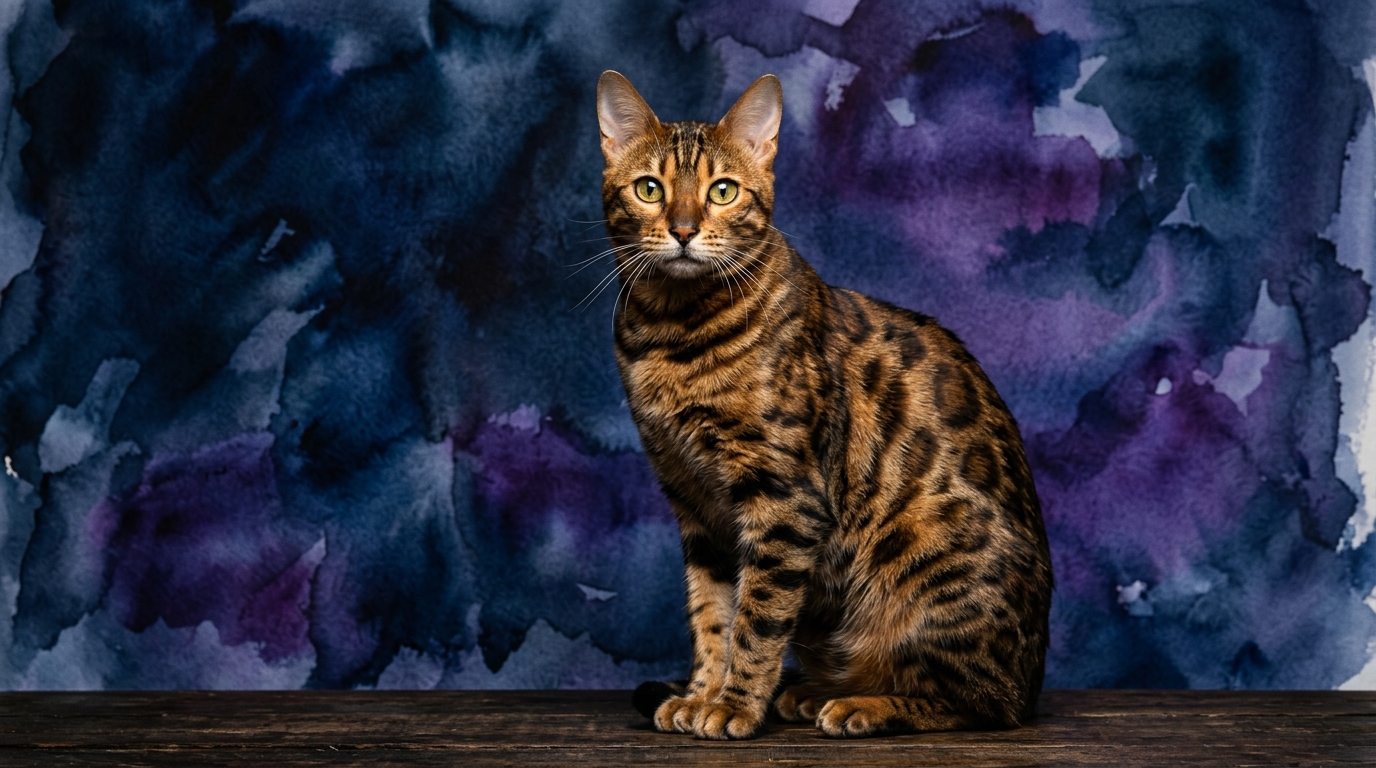
Bengal: Problem Solving (5/5) suggests a cat that actively seeks solutions to complex environmental challenges, such as figuring out how to open childproof latches or navigating intricate puzzle toys. Training Speed (4/5) indicates a rapid ability to grasp new commands and behaviors, often requiring fewer repetitions to master tricks or routines. Social Intelligence (4/5) points to a nuanced understanding of human emotions and social cues, allowing them to engage in complex interactions and form responsive bonds. Instinctive Drive (5/5) highlights a profound natural inclination for hunting, exploration, and highly active play, reflecting their wild ancestry. Memory (5/5) signifies an exceptional capacity for long-term recall, remembering specific events, people, and learned sequences over extended periods.
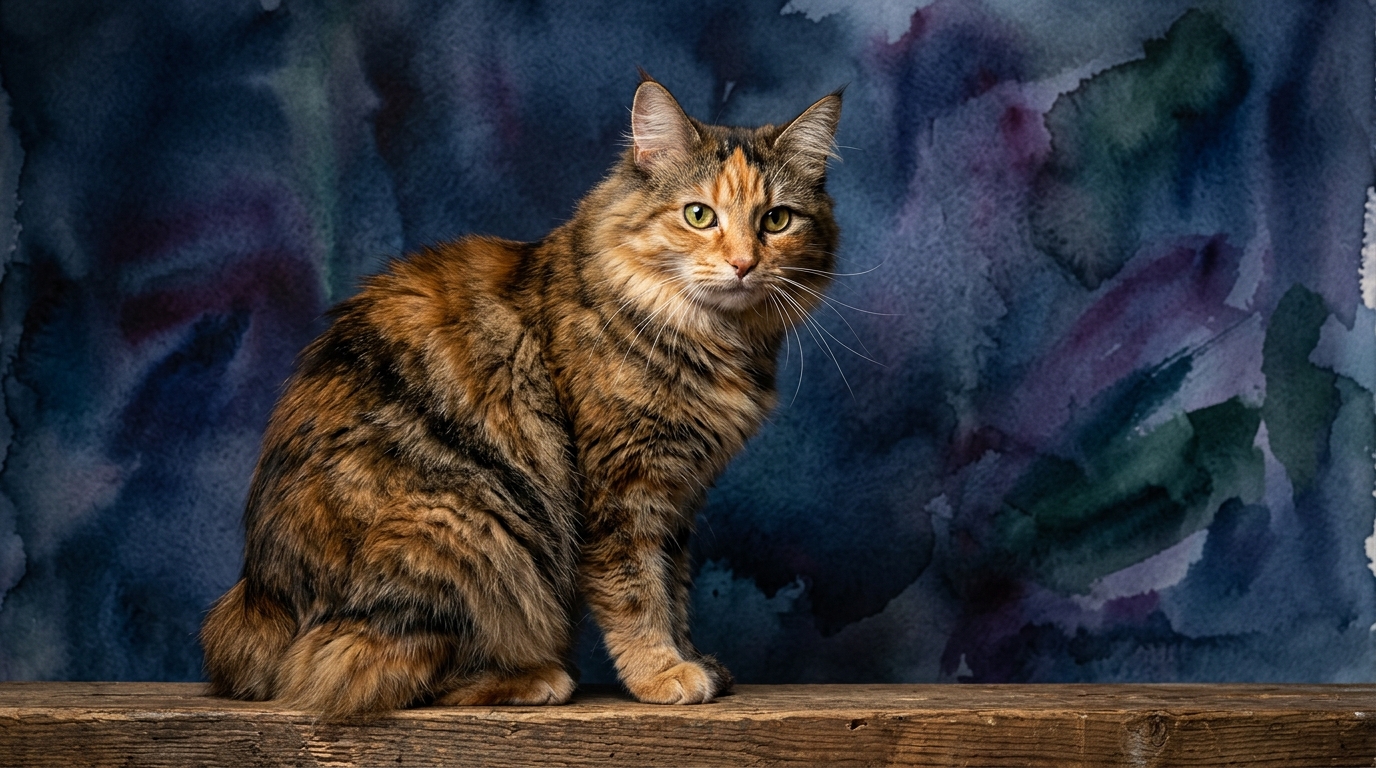
Cymric: Problem Solving (3/5) indicates a capability for solving straightforward problems, like basic food puzzles, but they may not display the same inventive persistence with more intricate challenges. Training Speed (3/5) suggests a steady learning pace, where new behaviors are acquired with consistent reinforcement, though perhaps not with the immediate grasp seen in some other breeds. Social Intelligence (3/5) points to a consistent and affectionate social nature, comfortable with routine interactions, though perhaps less attuned to subtle shifts in human mood. Instinctive Drive (3/5) reflects a moderate level of natural hunting and exploratory behaviors, content with regular play sessions without an overwhelming need for constant high-intensity stimulation. Memory (3/5) shows a reliable capacity for remembering routines, familiar faces, and basic learned associations, ensuring they are well-adjusted to their established environment.
Where the Bengal's Mind Shines Brightest
The Bengal's cognitive strengths are particularly evident in their problem-solving prowess and memory capabilities. A 5/5 in Problem Solving means these cats are proactive in manipulating their environment, often demonstrating ingenious methods to achieve goals, like retrieving a toy or accessing forbidden areas. Their 5/5 Memory further enhances this, allowing them to retain complex sequences and strategies, learning from past experiences to refine future approaches. Their profound instinctive drive (5/5) consistently motivates them to explore and engage, translating into persistent application of their problem-solving skills in diverse contexts, from deciphering new toys to navigating novel spaces.
Understanding the Cymric's Cognitive Strengths
While the Cymric's cognitive profile might appear less intense in comparison, their strengths lie in a different set of attributes that contribute to their appeal as companions. Their 3/5 rating across all categories suggests a balanced and consistent cognitive experience, rather than extreme peaks. For instance, their moderate instinctive drive means they are generally less inclined to exhibit the relentless exploratory or hunting behaviors that can sometimes be challenging for owners of highly driven breeds. This translates to a more predictable and often calmer presence in the home. Their social intelligence, while not as nuanced as the Bengal's, allows for straightforward and affectionate bonds, making them reliable and steady companions who appreciate routine and a familiar social structure without demanding constant, intricate mental engagement.
Navigating Training: Bengal's Rapid Grasp vs. Cymric's Steady Learning
When it comes to training, the distinctions between these two breeds become quite apparent, primarily due to their differing training speeds and instinctive drives. The Bengal, with a 4/5 Training Speed, often picks up new commands and tricks with remarkable alacrity. Their high problem-solving ability (5/5) means they can quickly understand the concept behind a requested action, while their strong memory (5/5) ensures long-term retention. This makes them excellent candidates for advanced clicker training, leash walking, or even learning complex agility courses, provided the training is engaging and consistent. They thrive on mental challenges, making the training process a stimulating activity for both cat and owner.
The Cymric, with a 3/5 Training Speed, requires a more patient and consistent approach. While they are certainly capable of learning, their acquisition of new behaviors is typically more gradual. Their moderate instinctive drive means they might not be as immediately motivated by complex tasks, preferring simpler, reward-based methods. Training a Cymric might focus more on essential house manners, using positive reinforcement to establish good habits over time. They are amenable to learning their names, coming when called, and using scratching posts consistently, but owners should expect a steady, rather than rapid, progression. The key to success with a Cymric lies in gentle repetition and clear, uncomplicated expectations.
Matching Personalities: Active Engagement vs. Relaxed Companionship
The cognitive profiles of the Bengal and Cymric naturally align with different owner lifestyles. Owners seeking an active, engaging, and intellectually stimulating feline companion will find the Bengal an ideal match. Their high problem-solving skills, intense instinctive drive, and excellent memory mean they thrive on constant mental and physical challenges. They are often keen participants in interactive play, enjoy puzzle toys, and may even be taught to fetch or walk on a leash. These cats require owners who are prepared to dedicate significant time to enrichment activities, providing opportunities for exploration and interaction to prevent boredom and channel their considerable energy constructively.
Conversely, the Cymric's balanced cognitive traits make them well-suited for owners who prefer a more relaxed and predictable companion. While they appreciate play and interaction, their moderate instinctive drive and problem-solving levels mean they don't demand the same intense, constant intellectual stimulation as a Bengal. They are often content with regular affectionate interactions, a comfortable home environment, and a consistent routine. Owners who enjoy a calm household and a cat that is generally less prone to elaborate mischief or demanding attention for complex games will find the Cymric's steady, affectionate nature a perfect fit.
The Verdict
Choose a Bengal if you are an active owner eager to engage in complex training, provide constant mental enrichment, and appreciate a highly interactive and problem-solving feline companion. Their cognitive intensity demands an owner ready to match their intellectual curiosity and high energy levels.
Opt for a Cymric if you seek a steady, affectionate companion who thrives on routine and consistent social interaction without requiring constant intellectual challenges or intense physical engagement. They are best for owners who prefer a more predictable and relaxed feline presence in their home.
🧠 Find Your Pet's IQ Score
Our Pet IQ Lab assessment covers 25+ tests across 5 cognitive dimensions — personalized to your breed.
Take the Full IQ Test →Frequently Asked Questions
Do Bengals get bored easily?
Yes, Bengals, with their high problem-solving abilities and strong instinctive drive, tend to get bored easily if not provided with sufficient mental and physical stimulation. They require engaging toys, interactive play, and opportunities for exploration to keep them content.
Are Cymrics difficult to train?
Cymrics are not difficult to train, but they learn at a steadier pace compared to breeds with higher training speeds. Consistency, patience, and positive reinforcement are key to successfully teaching them basic commands and good house manners over time.
Which breed is more likely to escape or explore new areas?
The Bengal, with its 5/5 instinctive drive and problem-solving skills, is significantly more likely to actively seek out and explore new areas, including attempting to escape enclosures or navigate challenging environments. The Cymric, with a moderate drive, is generally less inclined towards such persistent exploration.