The Cosmic Pet Pet IQ Lab: Side-by-Side Cognitive Profiles
At The Cosmic Pet Pet IQ Lab, we delve beyond general perceptions to offer a nuanced look at canine cognition, evaluating five key dimensions. While the Mastiff and Greater Swiss Mountain Dog both register a consistent 3 out of 5 across these metrics, the *manifestation* of these scores differs significantly due to their distinct histories and temperaments. This uniform score suggests a solid baseline of cognitive function, indicating neither breed is at an extreme end of the spectrum for these traits, yet their application of these abilities varies.
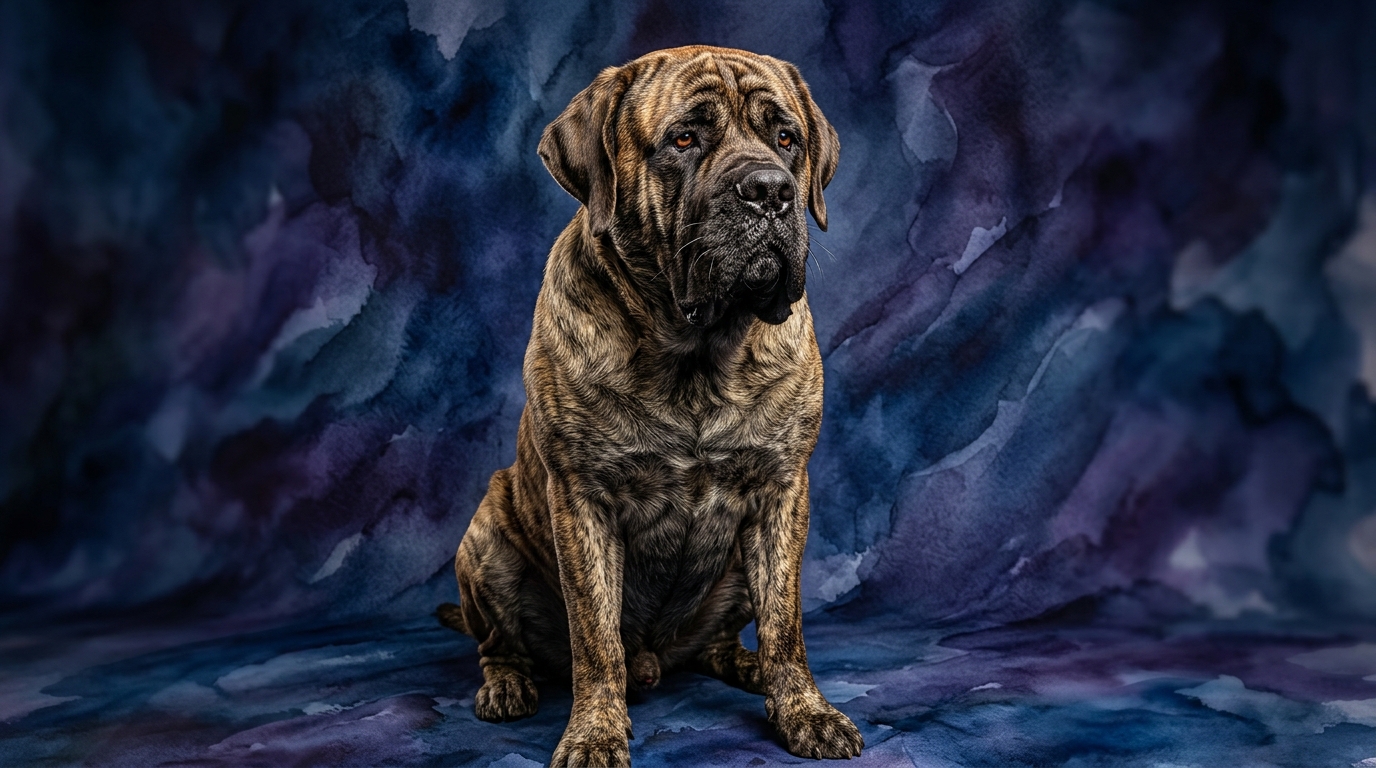
For the Mastiff, a breed ranked #72 by Coren for working and obedience intelligence, a Problem Solving score of 3/5 often translates to a deliberate, thoughtful approach. They excel at assessing situations, particularly those involving the safety of their family or territory, rather than intricate puzzle-solving. Their Training Speed, also at 3/5, requires patience and a clear 'why' from their human; they are not typically eager to please for its own sake but will comply once they understand the purpose. Social Intelligence at 3/5 means they are deeply connected to their immediate family, discerning with strangers, and adept at reading the emotional cues within their trusted circle. Their Instinctive Drive, a 3/5, is predominantly focused on protection and territorial guarding, manifesting as a watchful, imposing presence rather than a high-energy chase. Finally, a Memory score of 3/5 indicates they retain learned commands, routines, and significant social interactions, remembering both positive experiences and perceived slights or threats.
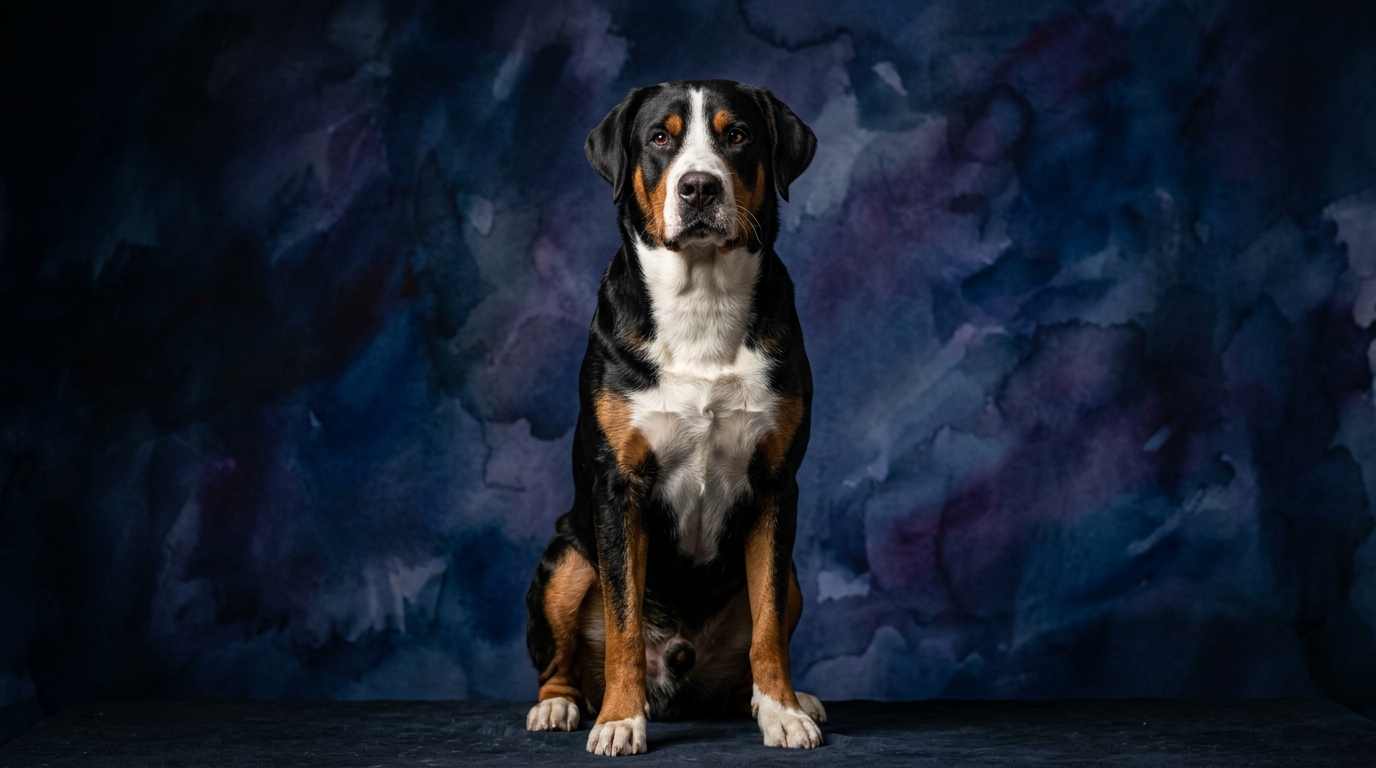
The Greater Swiss Mountain Dog, while not Coren-ranked, also exhibits a 3/5 across all five cognitive dimensions, showcasing a different kind of working intellect. Their Problem Solving at 3/5 is more practical and task-oriented; they are adept at figuring out how to move objects, navigate varied terrain, or manage livestock, reflecting their historical roles as all-around farm dogs. A Training Speed of 3/5 for the Swissy suggests a generally eager, but sometimes strong-willed, learner who thrives on structured tasks and positive reinforcement, requiring consistency to channel their energy effectively. Social Intelligence at 3/5 means they are generally friendly and outgoing once properly socialized, watchful of strangers but typically open to new interactions after initial assessment, and deeply bonded with their family. Their Instinctive Drive, also 3/5, is robust and multifaceted, encompassing herding, drafting (pulling carts), and guarding instincts, leading to a desire for purposeful activity. Their Memory score of 3/5 ensures they reliably recall commands, complex learned tasks, and established routines, making them dependable partners in work and companionship.
Where the Mastiff's Cognition Shines
Despite identical numerical scores, the Mastiff's cognitive strengths lie in their profound capacity for discerning judgment and their deliberate, measured thought processes. Their 3/5 for Problem Solving is less about speed and more about depth; they are exceptional at evaluating potential threats to their household, often reacting with a calm, imposing presence rather than frantic action. This involves a sophisticated assessment of body language, tone, and environmental cues. Their social intelligence, also at 3/5, translates into an uncanny ability to perceive subtle shifts in family dynamics, offering comfort or vigilance as needed. They process information thoroughly, meaning that once a Mastiff understands a command or a household rule, their adherence is often unwavering, stemming from a deeply ingrained understanding rather than mere rote repetition. This thoughtful processing makes them incredibly reliable once a behavior is established, as their memory for these deep-seated understandings is robust.
Where the Greater Swiss Mountain Dog Excels Cognitively
The Greater Swiss Mountain Dog, with its identical 3/5 scores, demonstrates cognitive prowess through its adaptability and practical, task-oriented intelligence. Their Problem Solving at 3/5 is geared towards real-world application, such as navigating obstacles while pulling a cart or figuring out how to move animals. This breed often exhibits a more agile, proactive thinking style when presented with a job. Their instinctive drive, at 3/5, is a powerful cognitive engine, enabling them to quickly grasp and excel at diverse working roles, from herding to drafting. This translates into an eagerness to engage in structured activities and a capacity for multi-tasking, often appearing to process and respond to several stimuli simultaneously while performing a task. Their memory for sequences of actions and learned routines is particularly strong, allowing them to perform complex tasks with precision once trained. The Swissy's social intelligence, while equally rated, often includes a more overt friendliness and a readiness to engage with a wider circle of people once they've been deemed safe, highlighting a different facet of their social processing.
Training Dynamics: Mastiff vs. Greater Swiss Mountain Dog
When it comes to training, both breeds score a 3/5 for Training Speed, but their behavioral differences necessitate distinct approaches. The Mastiff, with its deliberate nature, often requires more patience and a strong, trusting bond. They are not typically driven by endless repetitions; instead, they need to understand the 'why' behind a command. Once a Mastiff comprehends and accepts the logic, their immense loyalty ensures consistent compliance. Their independent streak means training should be engaging and positive, avoiding harsh methods that can cause them to shut down. They might take longer to master a new command, but once it's in their memory, it tends to stick profoundly, reflecting their thoughtful processing.
The Greater Swiss Mountain Dog, while equally scoring 3/5, approaches training with a different energy. They are generally more eager to please and possess a robust working drive, which can make them appear faster learners in the initial stages of active, task-based training. However, their physical power and strong will mean that consistency, clear expectations, and firm, positive leadership are crucial. A Swissy thrives on structure and purposeful activities, benefiting from training that channels their instinctive drives into productive outlets. They might challenge boundaries more readily than a Mastiff, requiring a handler who can match their enthusiasm with unwavering guidance. While both breeds require consistent, positive reinforcement, the Swissy often benefits from more varied and physically engaging training sessions to keep their active minds stimulated.
Ideal Lifestyles: Active Owners vs. Relaxed Owners
Considering their cognitive profiles and inherent drives, the Mastiff and Greater Swiss Mountain Dog cater to different owner lifestyles. The Mastiff, despite its imposing size, is generally suited for more relaxed owners. Their instinctive drive for guarding is typically expressed through a watchful, calm presence rather than high-energy patrols. They require moderate exercise, preferring leisurely walks and ample time with their family over strenuous activities. Their social intelligence thrives on close companionship and a stable home environment, making them excellent companions for those who appreciate a thoughtful, loyal presence without the demand for constant physical engagement. They need mental stimulation through interaction and observation, but not necessarily through rigorous training sessions or demanding tasks.
Conversely, the Greater Swiss Mountain Dog is a better fit for active owners. Their strong instinctive drive, encompassing herding, drafting, and guarding, means they possess significant energy and a deep desire for purposeful activity. They excel in environments where they can engage in regular physical exercise, participate in dog sports like carting or hiking, and have 'jobs' to do. Their problem-solving abilities and robust memory are best utilized when given opportunities to learn and apply new skills regularly. Owners who enjoy outdoor adventures, have a structured routine, and are prepared to provide consistent training and mental challenges will find the Swissy to be an enthusiastic and fulfilling companion.
The Verdict
Choose a Mastiff if you appreciate a profoundly loyal, discerning companion who offers a calm, protective presence and thrives in a stable, less physically demanding home environment. They are ideal for owners who value deliberate thought and a deep, quiet bond.
Opt for a Greater Swiss Mountain Dog if you seek an enthusiastic, robust partner for an active lifestyle, one who enjoys purposeful work, regular physical and mental challenges, and thrives on being an integral part of an adventurous family.
🧠 Find Your Pet's IQ Score
Our Pet IQ Lab assessment covers 25+ tests across 5 cognitive dimensions — personalized to your breed.
Take the Full IQ Test →Frequently Asked Questions
Do Mastiffs or Greater Swiss Mountain Dogs learn faster?
Both breeds score 3/5 for training speed, indicating they are capable learners but neither is exceptionally quick or slow. The Greater Swiss Mountain Dog might appear to learn active tasks faster due to its working drive, while the Mastiff learns more deliberately, requiring a clear understanding of the 'why' behind a command for lasting retention.
Which breed is better at problem-solving, Mastiff or Greater Swiss Mountain Dog?
Both breeds have a 3/5 for problem-solving, but they apply it differently. Mastiffs excel at assessing situations for potential threats and family safety, demonstrating deliberate judgment. Greater Swiss Mountain Dogs are more adept at practical, task-oriented problem-solving, like navigating obstacles or understanding work-related sequences.
How do their social intelligence scores of 3/5 differ in behavior?
A Mastiff's 3/5 social intelligence often manifests as deep loyalty and discernment towards their immediate family, with reserved interactions with strangers. A Greater Swiss Mountain Dog's 3/5, while also loyal, typically includes a more outward friendliness and a readiness to engage with a broader social circle once trust is established, reflecting a more generally outgoing nature.