
Side-by-Side IQ Profile
For the Mastiff, Problem Solving (3/5) manifests in assessing environmental changes, identifying potential threats, and navigating their home territory with deliberation. Training Speed (3/5) implies a capacity to learn new commands and routines, though often with a thoughtful, independent streak requiring consistent motivation. Social Intelligence (3/5) indicates an ability to discern family from strangers and understand household dynamics, often expressed through protective instincts. Instinctive Drive (3/5) is primarily centered on guarding and territorial protection, along with a strong bond to their human companions. Memory (3/5) allows them to recall people, places, and learned behaviors over extended periods, contributing to their reliable presence. The Mastiff is recognized in Stanley Coren's ranking at #72, suggesting a solid, if not outstanding, capacity for adaptive learning compared to many other breeds.
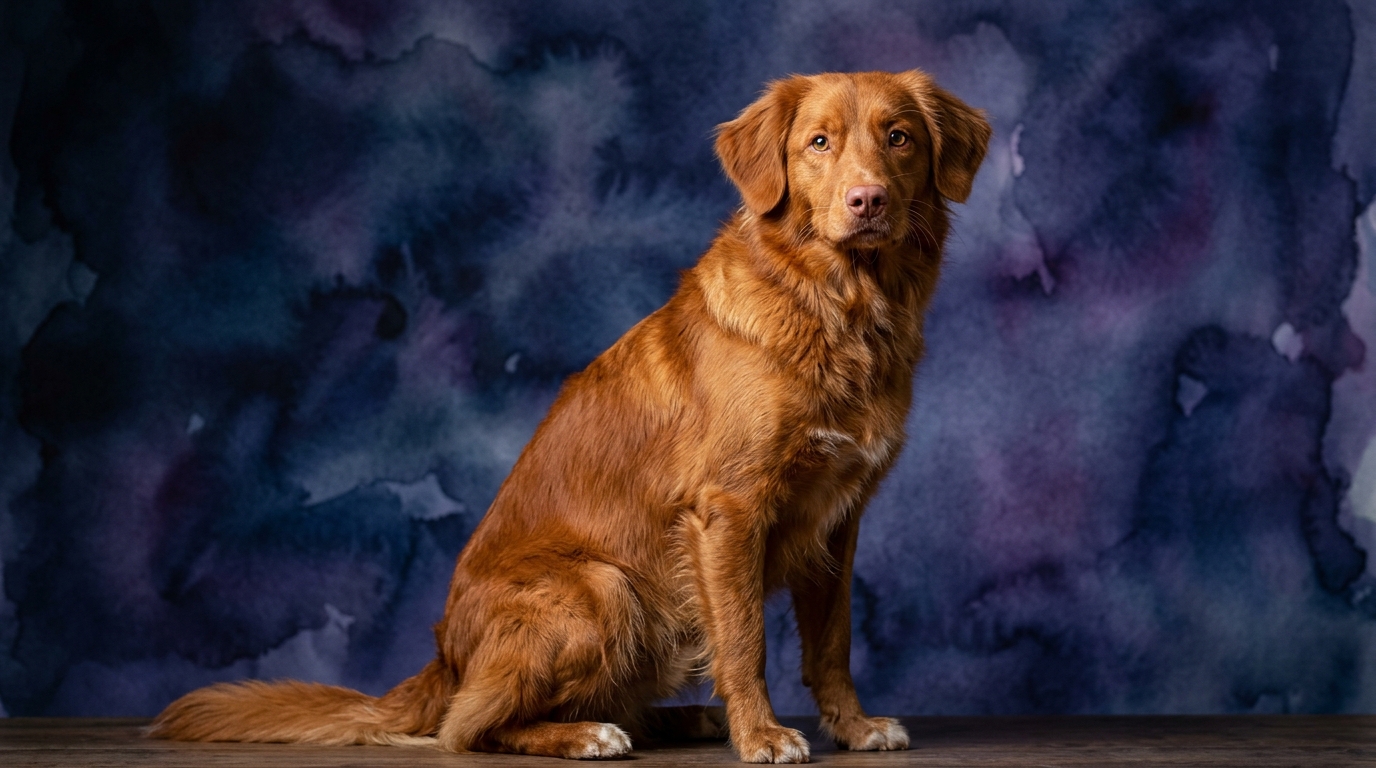
The Nova Scotia Duck Tolling Retriever exhibits Problem Solving (3/5) applied to complex tasks like retrieving game from challenging environments, figuring out how to access desired objects, or overcoming obstacles during play. Training Speed (3/5) reflects an eagerness to learn and respond to cues, especially when tasks involve engagement and reward, making them generally receptive to instruction. Social Intelligence (3/5) is demonstrated through cooperative work with handlers, understanding human intentions, and adapting to social situations, often with an outgoing demeanor. Instinctive Drive (3/5) is strongly rooted in their retrieving heritage, including a natural inclination to 'toll' (lure) waterfowl and a keen desire to fetch. Memory (3/5) is crucial for remembering complex scent trails, retrieving locations, and the sequence of commands during field work or competitive activities. The Toller, while not specifically ranked by Coren, exhibits its cognitive strengths through its specialized working abilities.
Where Mastiff Wins Cognitively
Despite identical numerical scores, the Mastiff's cognitive strengths shine particularly in areas requiring discernment, calm assessment, and steadfast loyalty within a protective context. Their 3/5 Social Intelligence, for instance, translates into a profound ability to evaluate social situations, identifying perceived threats or unusual behaviors with a quiet, observant intensity that active breeds might overlook in their eagerness. This isn't about quick reactions, but rather a deliberate processing of information to determine the appropriate response, often leading to a formidable yet measured presence. Their Problem Solving (3/5) is less about intricate puzzles and more about practical, environmental reasoning, such as understanding household routines, anticipating family movements, or navigating their large physique efficiently within a home. The Mastiff's memory (3/5) reinforces this, allowing them to form deep, enduring bonds and recall specific individuals or past interactions, which is vital for their role as a devoted family guardian who distinguishes friend from foe with consistent accuracy. Their instinctive drive (3/5) for protection is an inherent cognitive advantage, guiding their assessment of situations and informing their often-imposing yet gentle demeanor.
Where Nova Scotia Duck Tolling Retriever Wins Cognitively
The Nova Scotia Duck Tolling Retriever, while sharing the same numerical cognitive profile, excels in areas demanding dynamic engagement, rapid processing, and a strong drive for collaborative work. Their 3/5 Problem Solving is oriented towards active tasks, such as strategizing the most efficient route to a thrown bumper over varied terrain, or figuring out how to dislodge a toy from a tight space using their paws and muzzle. This is a practical, hands-on form of intelligence, driven by purpose. The Toller’s Training Speed (3/5) is amplified by their inherent eagerness and biddability, making them highly responsive to positive reinforcement and quick to grasp new commands or retrieve variations. Their Social Intelligence (3/5) is expressed through a keen desire to work alongside their human partner, reading cues and anticipating instructions with an almost intuitive understanding during field work or agility trials. This cooperative spirit makes them excellent partners for complex tasks. Furthermore, their Instinctive Drive (3/5) for retrieving is a powerful cognitive motivator, channeling their problem-solving and memory into a relentless pursuit of their 'job,' making them particularly adept at tasks requiring sustained focus and repetition in a stimulating environment. Their memory (3/5) is geared towards recalling specific locations of fallen game, intricate scent patterns, and complex sequences of commands, which are all critical for their specialized role.
Which Is Easier to Train and Why
When considering ease of training, the Nova Scotia Duck Tolling Retriever generally presents a more straightforward path for the average owner, despite both breeds sharing a 3/5 Training Speed score. The Toller's inherent biddability and strong desire to work collaboratively with their handler means they often approach training sessions with an enthusiastic, 'what's next?' attitude. Their instinctive drive for retrieving makes them highly motivated by toys and play, and they thrive on mental stimulation and physical activity, which can be readily incorporated into training to maintain engagement. However, their high energy and sharp mind mean they can also become bored or distracted if training isn't varied and engaging, potentially leading to creative but undesirable behaviors. In contrast, the Mastiff, while certainly capable of learning with its 3/5 Training Speed, often exhibits a more independent and thoughtful approach. They are not typically driven by the same eager-to-please mentality as a retriever. Training a Mastiff requires immense patience, consistency, and a deep understanding of their deliberate nature. They can be prone to stubbornness if they don't see the point of a command or if they feel coerced, rather than encouraged. Their social intelligence allows them to understand expectations, but their protective instincts and lower energy levels mean they might prioritize observation over immediate action. Therefore, while both breeds can achieve high levels of training, the Toller's natural inclination for active partnership often makes the process feel more intuitive and rewarding for many trainers, whereas the Mastiff demands a more nuanced, respectful, and unwavering approach.
Which Suits Active Owners vs. Relaxed Owners
The choice between a Mastiff and a Nova Scotia Duck Tolling Retriever significantly hinges on an owner's lifestyle and energy levels, directly correlating with the breeds' distinct cognitive and physical needs. For relaxed owners seeking a calm, steadfast companion, the Mastiff is often the more suitable choice. While possessing a 3/5 in instinctive drive, this manifests as a deep-seated protective instinct rather than a constant need for strenuous activity. Their problem-solving (3/5) and social intelligence (3/5) are geared towards observing and maintaining the peace within their domain, rather than seeking out complex tasks to solve. They thrive in environments where they can be a central, yet relatively low-key, part of the family, content with moderate daily walks and ample opportunities for rest and quiet companionship. Their memory (3/5) ensures they are reliable and consistent in their routines, providing a predictable presence. Conversely, active owners will find a more compatible partner in the Nova Scotia Duck Tolling Retriever. This breed's 3/5 instinctive drive for retrieving, combined with their problem-solving (3/5) and training speed (3/5), means they require substantial mental and physical engagement. They excel in activities like agility, obedience, dock diving, or field trials, where their cognitive abilities are constantly challenged. A Toller that isn't sufficiently exercised or mentally stimulated can become bored, leading to destructive behaviors or excessive vocalization. Their social intelligence (3/5) makes them eager participants in family activities, always ready for the next adventure. Therefore, the Mastiff aligns with a more serene, watchful lifestyle, while the Toller demands a dynamic, participatory one.
The Verdict
Choose a Mastiff if you seek a calm, deeply loyal guardian with a deliberate approach to life, valuing quiet companionship and a formidable, yet gentle, presence in a relaxed home environment. They are ideal for owners who appreciate a thoughtful, independent companion and are prepared for a consistent, patient training journey focused on building trust.
Opt for a Nova Scotia Duck Tolling Retriever if you lead an active lifestyle and desire an energetic, highly engaged partner eager for adventures, training, and mental challenges. They are best suited for owners who can provide ample physical exercise, consistent interactive training, and opportunities for their cooperative, problem-solving nature to flourish.
🧠 Find Your Pet's IQ Score
Our Pet IQ Lab assessment covers 25+ tests across 5 cognitive dimensions — personalized to your breed.
Take the Full IQ Test →Frequently Asked Questions
Do Mastiffs learn new commands quickly?
Mastiffs have a Training Speed of 3/5, indicating they are capable of learning new commands and routines. However, their independent and thoughtful nature means they often require consistent, patient, and motivational training methods, and may not respond with the immediate eagerness seen in some other breeds.
How does a Toller's problem-solving compare to a Mastiff's?
Both breeds score 3/5 in Problem Solving, but their application differs. Tollers typically apply it to dynamic, task-oriented challenges like complex retrieves or agility courses, while Mastiffs use it for assessing environmental changes, understanding routines, and discerning threats within their protective domain.
Are Nova Scotia Duck Tolling Retrievers good for first-time dog owners?
Tollers can be a good fit for first-time owners who are committed to providing significant mental and physical stimulation, as well as consistent, positive training. Their eagerness to please and biddability are assets, but their high energy and need for engagement require a dedicated owner.