Side-by-Side IQ Profile: Unpacking Cognitive Dimensions
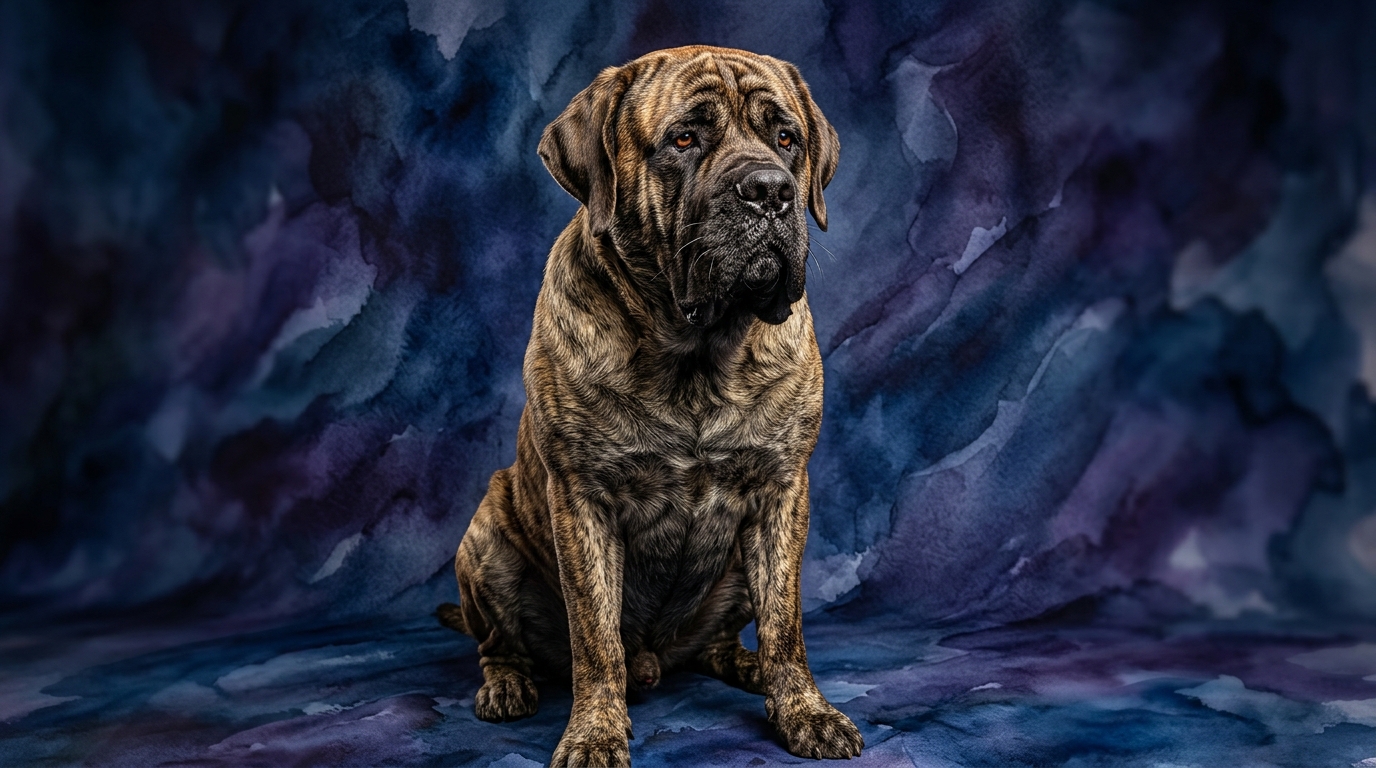
**Mastiff:** Problem Solving (3/5): The Mastiff approaches novel situations with a measured, deliberate pace, preferring established routines or human guidance over rapid innovation. Their strength lies in calm assessment. Training Speed (3/5): Requires consistent, patient instruction; they absorb information steadily. Positive reinforcement and clear, repetitive cues are best, leading to deeply ingrained behaviors. Social Intelligence (3/5): Possess a nuanced understanding of family moods, offering quiet empathy. Adept at discerning friend from foe through subtle social cues. Instinctive Drive (3/5): Moderately expressed protective instinct towards home and family, based on discernment rather than impulsive prey drive. Memory (3/5): Solid, reliable memory for commands, routines, and familiar individuals, dependable for retaining training and recognition.
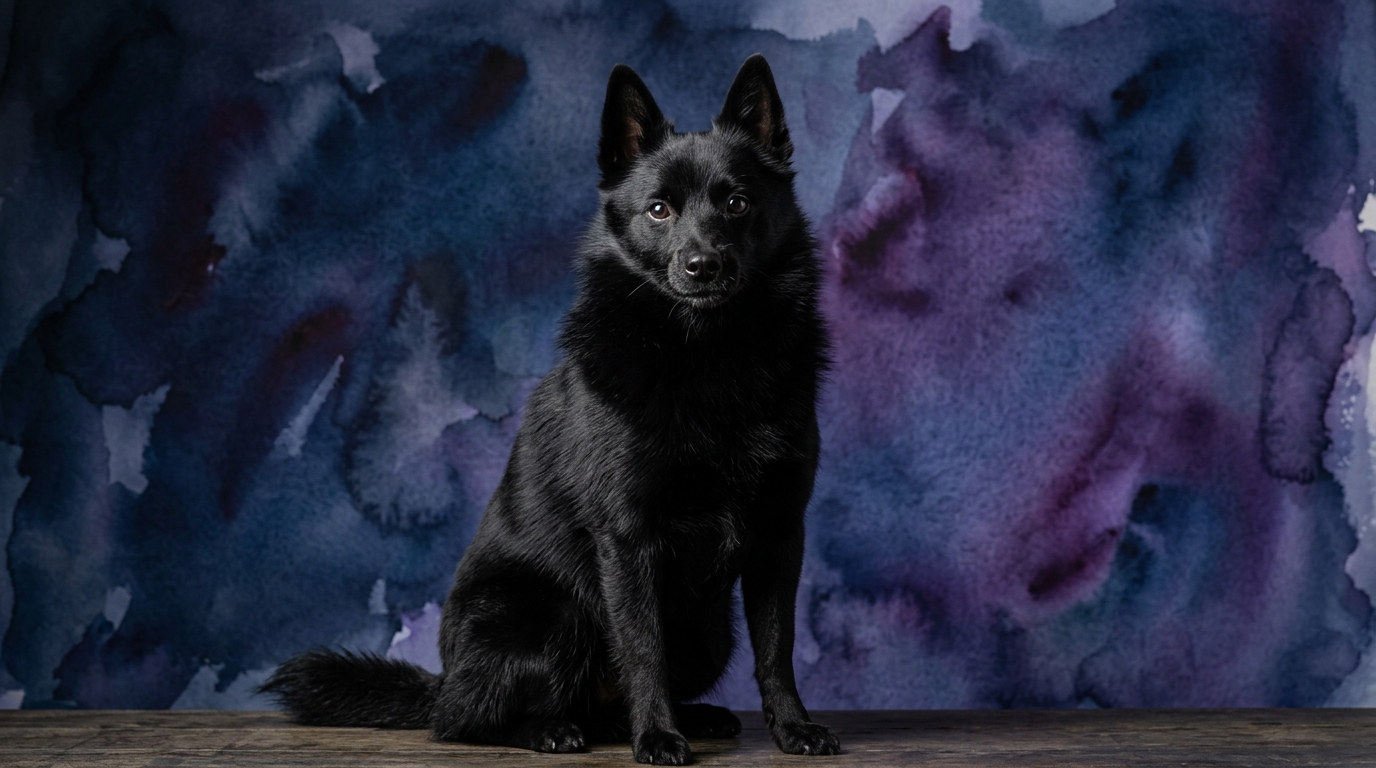
**Schipperke:** Problem Solving (5/5): Exhibits exceptional ingenuity, quickly analyzing challenges and devising creative solutions for goals like opening cabinets or solving puzzles. Training Speed (5/5): Rapidly absorbs new information, eager to learn and pick up complex sequences with surprising speed, requiring fewer repetitions. Social Intelligence (3/5): Understands human intent, though their independent streak may influence compliance. Adept at reading body language. Instinctive Drive (3/5): Moderate, focused on watchdog and vermin control roles, manifesting as keen awareness and alerting, not overwhelming prey drive. Memory (5/5): Outstanding memory for a vast repertoire of commands, complex sequences, and detailed spatial information, contributing to quick, durable training.
Where the Mastiff's Mind Shines Brightest
While the Schipperke boasts impressive cognitive scores, the Mastiff's intellectual strengths manifest differently. Their problem-solving (3/5) is characterized by a calm, methodical approach. Instead of frantic experimentation, a Mastiff might observe a situation deliberately, then act with purpose. For instance, confronting a new barrier, they assess if a simple push or patient wait is most efficient. This thoughtful deliberation, rather than impulsivity, conserves energy and fosters presence. Their social intelligence (3/5) is particularly nuanced within their family, enabling them to perceive subtle emotional shifts. They offer comforting presence or a gentle nudge precisely when needed, speaking volumes about their quiet understanding. Furthermore, their steady training speed (3/5) means that once a command is mastered, it’s performed with unwavering reliability, rooted in deep-seated consistency. This cognitive profile lends itself to a stable, reassuring presence, an anchor in the home.
Schipperke's Cognitive Edge: A Dynamo of Thought
The Schipperke’s cognitive profile, particularly its perfect 5/5 scores in problem-solving, training speed, and memory, reveals a remarkably agile and adaptable mind. Their problem-solving prowess is exceptional; a Schipperke quickly figures out how to unlatch a gate, manipulate a complex puzzle, or devise a strategy for attention, demonstrating high creative intelligence. Their rapid training speed means they absorb new concepts with remarkable efficiency, often requiring minimal repetitions. This quick uptake makes them superb candidates for advanced obedience or agility, where new challenges are constant. Coupled with an outstanding memory (5/5), they retain learned behaviors and complex sequences with ease, building an extensive mental library. A Schipperke rarely forgets a lesson or person, making their training durable and recognition reliable. This combination of mental quickness, learning efficiency, and robust recall makes the Schipperke a cognitive powerhouse, thriving on engagement and mental challenges.
Training Dynamics: A Tale of Two Approaches
When considering ease of training, the Schipperke clearly holds an advantage due to its Coren rank of #15, alongside perfect 5/5 scores in training speed, problem-solving, and memory. These metrics indicate a dog that not only learns quickly but actively enjoys mental engagement and retains information with tenacity. A Schipperke often requires fewer repetitions and readily progresses to complex tasks, delighting owners who relish teaching intricate routines or participating in dog sports. However, their independence (3/5 social intelligence) means they require compelling motivation; pleasing their owner might not always suffice over their curiosity. Conversely, the Mastiff, with a Coren rank of #72 and 3/5 in all cognitive aspects, requires a different philosophy. They learn at a deliberate pace, not slowly. Patience, consistency, and positive reinforcement are key. Mastiffs respond well to clear, calm instruction and thrive on established routines. Their immense size necessitates early, consistent training in leash manners and basic obedience. While a Mastiff might not pick up a new trick instantly, once they understand a command, their performance is typically steadfast and reliable, built on trust and routine.
Lifestyle Fit: Matching Minds to Owners
The cognitive profiles of the Mastiff and Schipperke suggest distinct ideal environments. For individuals seeking a companion thriving on mental engagement and consistent activity, the Schipperke is an excellent match. Their high problem-solving and rapid learning mean they are happiest when their minds are regularly challenged through training, puzzle toys, or engaging activities. An owner who enjoys dog sports, advanced obedience, or daily brain games will find the Schipperke a willing participant. Their energy, though moderate instinctively (3/5), channels into mental pursuits, requiring an owner prepared to provide this enrichment. In stark contrast, the Mastiff, with its more measured cognitive pace, suits relaxed owners appreciating a calmer, predictable rhythm. While requiring regular, moderate exercise, their cognitive needs are less about constant novelty and more about stable routines and companionship. A Mastiff is content with leisurely walks and ample family time. They offer a serene presence; their moderate instinctive drive and social intelligence make them observant companions for those preferring a tranquil home over high-octane adventures, providing steadfast reassurance without demanding constant mental gymnastics.
The Verdict
Choose the Mastiff if you appreciate a calm, deliberate companion who learns steadily, values routine, and offers a quiet, reassuring presence in a relaxed home environment.
Opt for the Schipperke if you are an active owner who enjoys engaging a quick-witted, problem-solving dog in regular training, complex games, and mental challenges.
🧠 Find Your Pet's IQ Score
Our Pet IQ Lab assessment covers 25+ tests across 5 cognitive dimensions — personalized to your breed.
Take the Full IQ Test →Frequently Asked Questions
Does a dog's physical size correlate with its intelligence or Coren ranking?
No, physical size does not directly correlate with a dog's intelligence or Coren ranking. As seen with the large Mastiff (rank #72) and small Schipperke (rank #15), cognitive abilities vary widely across breeds regardless of stature. Intelligence is a complex trait influenced by many factors beyond size.
Does a lower Coren ranking mean a Mastiff is difficult to train?
A lower Coren ranking for the Mastiff (72nd) indicates they learn at a more deliberate pace compared to some breeds, not that they are inherently difficult. They require patience, consistency, and positive reinforcement, but once trained, they are reliable and steadfast companions. Their training focuses on establishing trust and routine.
Do Schipperkes need a lot of mental exercise to prevent behavioral issues?
Yes, Schipperkes, with their exceptional problem-solving and memory, thrive on mental stimulation. Without sufficient mental exercise, they can become bored, which may lead to undesirable behaviors like excessive barking or destructive chewing. Regular training, puzzle toys, and interactive play are crucial for their well-being.