Side-by-Side Cognitive Profile
The Cosmic Pet Pet IQ Lab provides a comprehensive framework for understanding canine cognition across five key dimensions. While both the Mastiff and Scottish Terrier share a 3/5 score in each category, their breed-specific temperaments and historical roles mean these scores manifest quite differently.
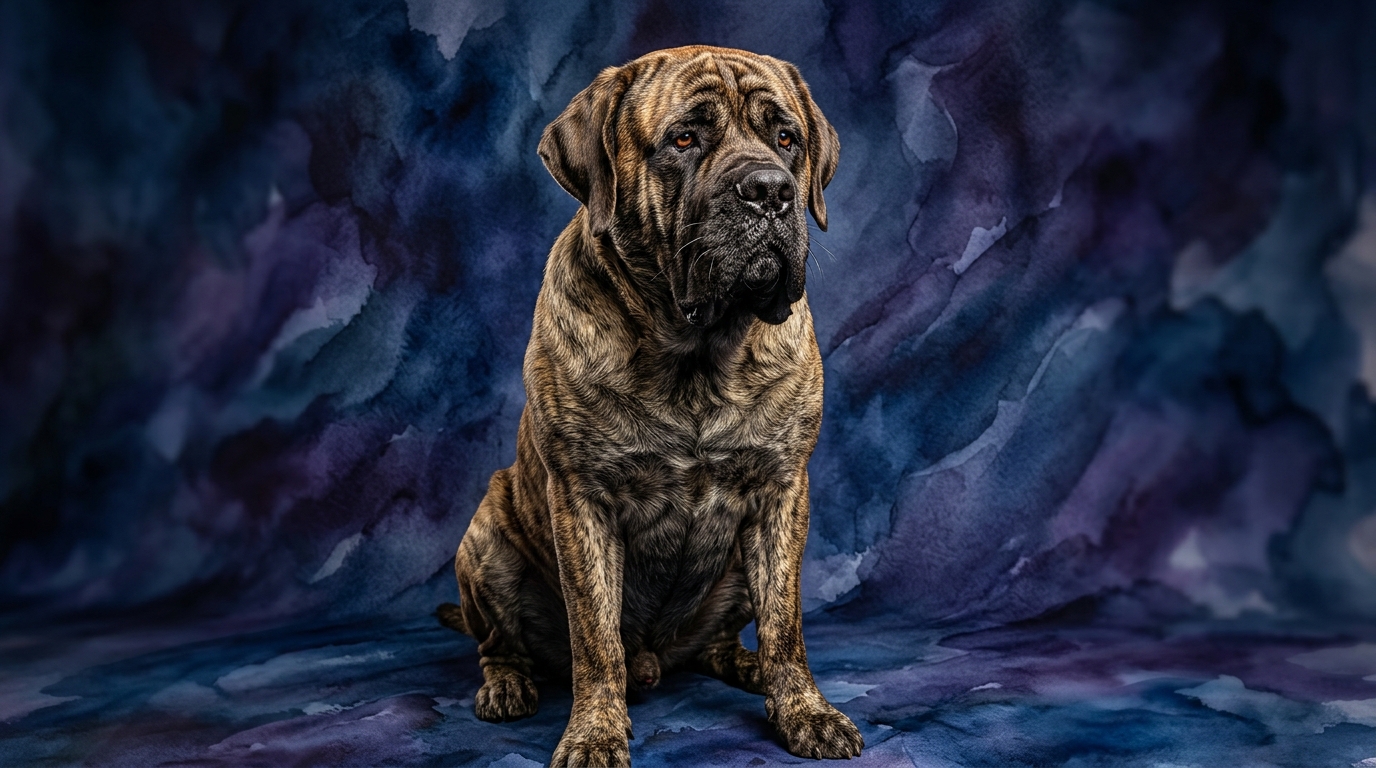
The **Mastiff**, a Working Group dog with a Coren rank of #72, approaches its world with a calm, deliberate presence. Its **Problem Solving (3/5)** score suggests a moderate capacity for independent thought, often leading to methodical, rather than rapid, solutions to environmental challenges. Their sheer size can sometimes simplify obstacles that smaller dogs might need to outwit. **Training Speed (3/5)** for a Mastiff means they learn new commands at a steady, moderate pace, thriving on consistent, patient reinforcement. Their historical role as guardians required understanding directives but not necessarily the lightning-fast precision of a herding breed. **Social Intelligence (3/5)** in a Mastiff translates to a discerning understanding of human emotional cues within their trusted circle, forming deep bonds while often remaining reserved with strangers. Their **Instinctive Drive (3/5)** is moderate, primarily focused on protection and companionship, expressed through deterrence rather than active pursuit. Finally, their **Memory (3/5)** is solid for routines, commands, and familiar individuals, contributing to their predictable and stable nature.
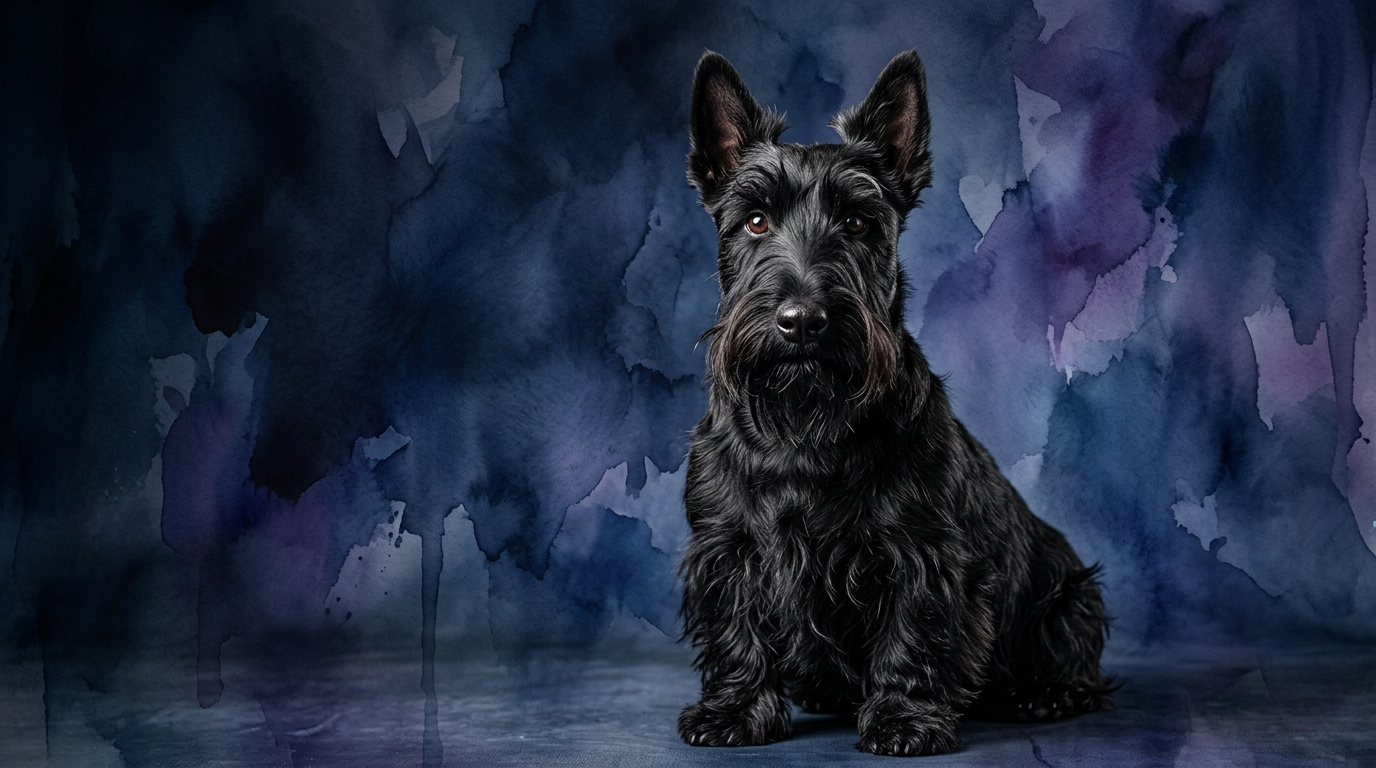
The **Scottish Terrier**, a Terrier Group dog with a Coren rank of #65, embodies a spirit of tenacious independence. Its **Problem Solving (3/5)**, while numerically identical to the Mastiff’s, manifests as a determined, often trial-and-error approach, particularly when a challenge engages their innate curiosity or drive. They are persistent in figuring things out. For **Training Speed (3/5)**, Scotties learn commands moderately, but their independent streak means engagement and strong motivation are crucial; they might understand a command but choose not to perform it if not adequately incentivized. Their **Social Intelligence (3/5)** is characterized by deep loyalty to their chosen family, often accompanied by a characteristic terrier aloofness towards outsiders. The Scottie’s **Instinctive Drive (3/5)** is moderately strong, rooted in their history as vermin hunters, expressed through active chasing, digging, and exploration, requiring appropriate outlets. Their **Memory (3/5)** is sharp for spatial awareness and the practical application of their drives, such as remembering a favored digging spot or a squirrel's usual escape route.
Where the Mastiff Cognitively Excels
Despite identical raw scores, the Mastiff's cognitive strengths are deeply intertwined with their calm demeanor and historical role. A Mastiff excels in situations demanding a measured, unhurried response. For example, when assessing a new person or situation, they won't react impulsively but will observe, process, and then decide on a course of action, demonstrating a thoughtful discernment. Their social intelligence, while rated 3/5, translates into a profound, unwavering loyalty within their established family, often expressed through quiet companionship and an almost intuitive understanding of a family member's distress without needing overt cues. This deep, calm emotional attunement, coupled with their memory for routines and trusted individuals, allows them to be remarkably steadfast companions who offer a sense of stable presence. Their problem-solving, though not rapid, is often persistent and methodical when it pertains to their comfort or family well-being, such as figuring out how to get to a favorite napping spot.
Where the Scottish Terrier Cognitively Excels
The Scottish Terrier's cognitive advantages stem from their tenacious, independent spirit. While their problem-solving is also a 3/5, it's characterized by a determined, trial-and-error approach, particularly when faced with a challenge that engages their terrier instincts, like locating a hidden treat or navigating a complex scent trail. Their instinctive drive, also 3/5, translates into a focused persistence that can be redirected into engaging activities, making them highly effective at tasks requiring sustained attention and physical engagement, such as earthdog trials or intricate scent work. Their memory, also 3/5, is particularly sharp for spatial awareness and the location of "intruders" (e.g., squirrels in the yard), making them astute observers of their immediate environment. This combination of focused drive and keen memory, paired with their independent problem-solving, allows them to excel in tasks demanding self-reliance and a certain amount of self-directed ingenuity.
Training Dynamics: Mastiff vs. Scottish Terrier
When considering ease of training, the Mastiff generally presents fewer direct challenges than the Scottish Terrier, despite both having a 3/5 training speed. The Mastiff's nature is one of calm cooperation. While they may not learn at lightning speed, their desire to please their family and their less independent disposition means they are typically more amenable to instruction. They respond well to positive reinforcement and consistency, and their sheer size often necessitates early and thorough training for practical management. Their moderate instinctive drives are also less likely to derail a training session compared to the Scottie's, allowing for more focused learning.
In contrast, the Scottish Terrier's 3/5 training speed is heavily influenced by their strong-willed, independent terrier temperament. They learn, but they often require more motivation and creative approaches to maintain engagement. A Scottie might understand a command perfectly but choose not to execute it if they perceive a more interesting activity (like chasing a leaf) or if the reward isn't compelling enough. Their innate drives for digging and chasing can also be powerful distractions during training, demanding a trainer with patience, humor, and a deep understanding of terrier psychology to channel their focus effectively. While both require consistency, the approach to a Scottie often needs to be more inventive and persistent to overcome their selective engagement.
Lifestyle Match: Active vs. Relaxed Owners
The choice between a Mastiff and a Scottish Terrier depends significantly on an owner's lifestyle and energy levels. A Mastiff, despite its imposing size, is surprisingly well-suited for more relaxed owners. Their moderate instinctive drives and calm demeanor mean they are content with moderate exercise—daily walks and yard time rather than intense, prolonged activity. Their social intelligence, focused on their inner circle, suits owners who prefer quiet companionship and a less overtly demanding social schedule. They are large, but their energy requirements are relatively low, making them ideal for individuals or families who enjoy a steady, unhurried pace of life and appreciate a gentle giant's stable presence.
Conversely, the Scottish Terrier, with its moderate but focused instinctive drives and tenacious problem-solving, thrives with more active engagement. While not requiring marathon runs, they need consistent mental stimulation and opportunities to express their natural terrier behaviors, such as exploring, scenting, and engaging in structured play. Their independent spirit means they benefit from owners who can provide consistent training, varied experiences, and an outlet for their energy, making them a better fit for owners who enjoy regular, purposeful activity and mental challenges with their canine companion. They are not content to be couch potatoes and require owners who can match their zest for life.
The Verdict
Choose a Mastiff if you value a calm, deeply loyal companion who integrates steadily into a relaxed home environment and requires a more patient, gentle training approach. Their steady presence and moderate exercise needs suit owners seeking a gentle giant.
Opt for a Scottish Terrier if you appreciate a spirited, independent companion who thrives on consistent engagement, enjoys problem-solving activities, and benefits from an owner who can channel their tenacious drives. Their zest for life suits owners with an active, hands-on approach.
🧠 Find Your Pet's IQ Score
Our Pet IQ Lab assessment covers 25+ tests across 5 cognitive dimensions — personalized to your breed.
Take the Full IQ Test →Frequently Asked Questions
Do Mastiffs or Scottish Terriers make better guard dogs?
While both possess protective instincts, they manifest differently. Mastiffs are natural deterrents due to their size and presence, often acting as quiet, watchful guardians. Scottish Terriers are more vocal alarms, quick to alert their families to perceived intruders with sharp barks.
Are Mastiffs and Scottish Terriers good with children?
With proper socialization and supervision, both breeds can be good with children. Mastiffs are often gentle giants, tolerant and patient. Scottish Terriers can be affectionate but might have less patience for rough play and require respectful interaction due to their independent nature.
How do their problem-solving skills differ in everyday situations?
A Mastiff might methodically figure out how to access a comfortable napping spot by pushing a pillow, relying on calm persistence. A Scottish Terrier, with its terrier tenacity, might persistently dig under a fence or puzzle out how to open a treat-dispensing toy, driven by its focused determination.