Side-by-Side IQ Profile: Unpacking the 3/5 Score
A consistent 3/5 score across all five dimensions of problem solving, training speed, social intelligence, instinctive drive, and memory suggests a solid, functional intelligence rather than extreme brilliance or notable difficulty. It indicates a dog capable of learning, adapting, and forming strong bonds, but perhaps not one that will consistently surprise with novel solutions or lightning-fast comprehension without consistent effort. The real distinction lies in how each breed applies these moderate cognitive skills within their unique temperaments and historical purposes, shaping their approach to the world.
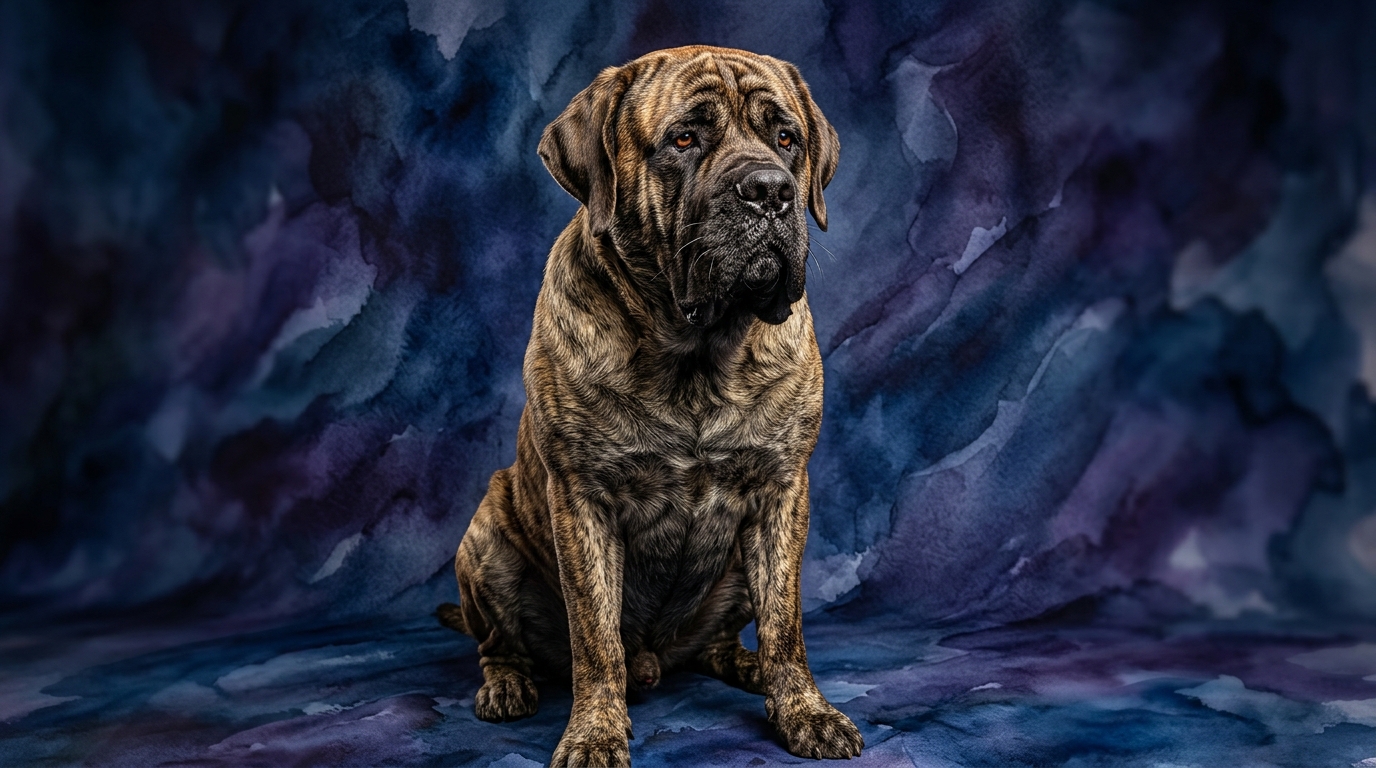
For the Mastiff, a 3/5 in Problem Solving likely translates to a deliberate, methodical approach; they are not prone to frantic trial-and-error but will ponder a situation, using their impressive physical presence and inherent caution to assess threats or obstacles. Their Training Speed at 3/5 reflects a willingness to learn but a need for patience and positive reinforcement, as they are not easily rushed and possess an independent streak. Social Intelligence at 3/5 for a guardian breed means they are acutely attuned to their family's emotions and subtle cues, discerning friend from foe with a calm, watchful demeanor. Instinctive Drive at 3/5 is deeply rooted in their protective heritage, manifesting as a strong territorial instinct and a clear understanding of their role within the 'pack.' Memory at 3/5 indicates a good recall for routines, commands, and people, especially those they bond with, but perhaps not an encyclopedic retention of every minor event.
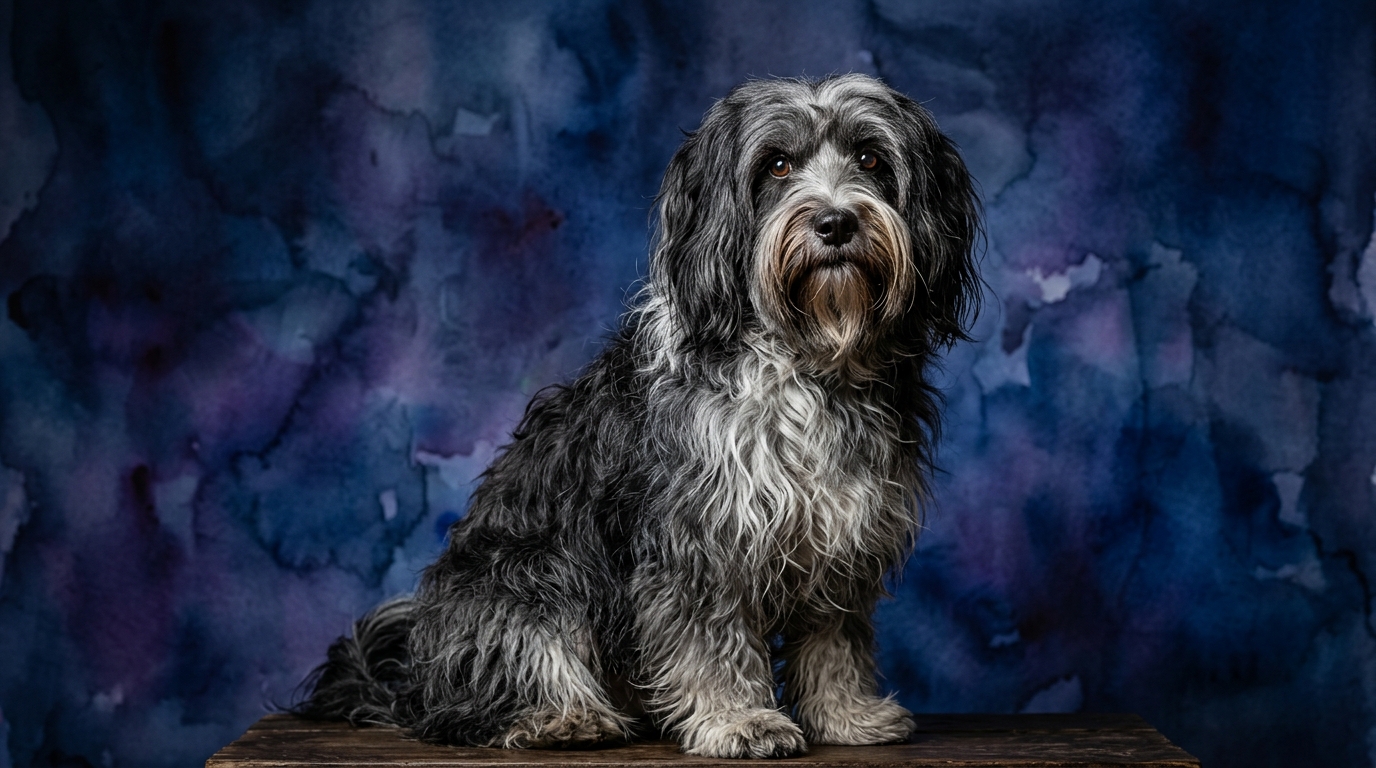
The Tibetan Terrier's 3/5 in Problem Solving likely manifests as a clever, adaptable approach, using their agility and observational skills to navigate their environment or figure out how to get what they want. Their Training Speed at 3/5 suggests they are capable learners, often responding well to engaging, varied sessions that cater to their curious nature, though they can be distracted by novelty. Social Intelligence at 3/5 means they are highly perceptive of human moods and social dynamics, often acting as sensitive companions who thrive on interaction and can be quite persuasive. Instinctive Drive at 3/5 for this "holy dog" of Tibet points to a strong herding or companion instinct, a desire to be part of the family unit, and an alertness that makes them excellent watchdogs without being overly aggressive. Memory at 3/5 indicates a solid capacity for remembering commands, people, and routines, especially those associated with positive experiences, supporting their adaptability across various situations.
Where the Mastiff Cognitively Excels
The Mastiff's cognitive strengths are deeply intertwined with its historical role as a guardian, manifesting in a distinctive problem-solving approach. While their problem-solving ability rates at 3/5, it is characterized by a profound sense of caution and strategic assessment rather than quick, impulsive actions. When faced with an unfamiliar situation or a potential threat, a Mastiff processes information with a quiet deliberation, often weighing the implications before taking any action. This translates to an impressive ability to discern genuine danger from innocent occurrences, a critical cognitive function for a protector.
This deliberate nature, combined with their 3/5 social intelligence, allows them to excel in nuanced social discernment. They possess a remarkable capacity to read human intent, distinguishing between a friendly visitor and an intruder with an accuracy that belies their seemingly placid demeanor, relying on subtle cues and past observations. Their memory, also a solid 3/5, supports this by allowing them to catalog individuals and their typical behaviors, reinforcing their judgment over time and contributing to their reliable, consistent guardianship.
Where the Tibetan Terrier Cognitively Shines
The Tibetan Terrier's cognitive prowess, despite matching scores, leans towards adaptability and perceptive social engagement. Their 3/5 problem-solving manifests as a resourceful cleverness, often finding ingenious ways to overcome minor obstacles or achieve desired outcomes, such as retrieving a hidden toy from a tight spot or figuring out how to open a cabinet. This isn't brute force problem-solving, but rather a nimble, exploratory approach, reflecting their history as versatile companions and herders in challenging, varied terrains.
Their 3/5 social intelligence is particularly pronounced in their ability to integrate seamlessly into diverse family dynamics and understand complex human emotions. Tibetan Terriers are often described as "people-readers," capable of offering comfort or engaging in playful antics precisely when needed, demonstrating a keen awareness of their environment. This perceptive nature, combined with their solid 3/5 memory, allows them to recall social cues and preferences of various family members, making them exceptionally attuned and responsive companions.
Training Dynamics: Patience vs. Playfulness
When it comes to training, both breeds score 3/5 in Training Speed, indicating that neither is exceptionally quick nor particularly slow to grasp new concepts. However, the approach required for each differs significantly due to their inherent temperaments and historical roles. The Mastiff, with its strong sense of independence and deliberate nature, requires a patient, consistent, and confident trainer. They respond best to clear, calm commands and positive reinforcement, often needing time to process and internalize what's being asked. Rushing a Mastiff or employing harsh methods will likely lead to resistance or disengagement, as their 3/5 memory means they will recall negative experiences vividly, potentially hindering future learning.
The Tibetan Terrier, while equally a 3/5 in training speed, often thrives on more engaging, varied, and playful training sessions. Their cleverness and social intelligence mean they enjoy the interaction and mental stimulation of learning, but their independent streak and occasional distractibility necessitate keeping sessions short, fun, and rewarding. They can be prone to "selective hearing" if they find something more interesting, so a trainer needs to be creative and consistent, leveraging their 3/5 memory for positive associations and their problem-solving skills to make training a game. Therefore, neither is "easier" in an absolute sense; rather, the Tibetan Terrier might be perceived as more responsive to varied, dynamic methods, while the Mastiff demands unwavering consistency and respect for its thoughtful pace.
Lifestyle Match: Guardianship vs. Companionship
For relaxed owners who appreciate a calm, steadfast presence, the Mastiff often proves an ideal match. Their considerable size and deliberate pace mean they are not built for extensive, high-impact activities, preferring a more sedate lifestyle. While they require regular, moderate exercise for their health, their contentedness often comes from being near their family, observing their surroundings, and fulfilling their role as a watchful guardian. Their 3/5 social intelligence means they are deeply bonded and intuitive about their family's needs, providing a comforting, stable presence without demanding constant energetic engagement. Owners who enjoy quiet evenings and leisurely strolls will find their rhythm aligns well with a Mastiff's temperament.
Conversely, the Tibetan Terrier is better suited for more active owners or those who enjoy engaging their dog in various activities. Their history as a companion and sometimes herder in rugged terrain has endowed them with remarkable agility, endurance, and a curious spirit. They thrive on mental and physical stimulation, enjoying walks, hikes, puzzle toys, and even dog sports like agility, demonstrating their 3/5 problem-solving in playful ways. Their 3/5 social intelligence means they appreciate being involved in family activities and can become bored or mischievous if left without sufficient engagement. Owners who lead an active lifestyle and want a participatory canine companion will find the Tibetan Terrier's zest for life a perfect complement.
The Verdict
Opt for a Mastiff if you seek a calm, steadfast guardian who offers a profound, deliberate presence and requires moderate exercise, appreciating a quiet, predictable home environment.
Select a Tibetan Terrier if you desire an alert, adaptable companion who thrives on mental and physical engagement, fitting well into an active household with varied activities.
🧠 Find Your Pet's IQ Score
Our Pet IQ Lab assessment covers 25+ tests across 5 cognitive dimensions — personalized to your breed.
Take the Full IQ Test →Frequently Asked Questions
Do Mastiffs truly remember past events?
Yes, with a 3/5 memory score, Mastiffs possess a solid capacity for recalling routines, commands, and especially individuals they've bonded with or encountered negatively. This contributes to their consistent guardianship and their ability to learn from past experiences, reinforcing their judgment over time.
Are Tibetan Terriers good at figuring things out on their own?
Absolutely. Their 3/5 problem-solving ability manifests as a clever, adaptable approach, allowing them to resourcefully navigate their environment or devise ways to achieve desired outcomes. They enjoy mental challenges and often find ingenious solutions to minor obstacles.
Which breed is more likely to develop behavioral issues if not properly stimulated?
While both breeds need appropriate stimulation, the Tibetan Terrier, with its higher energy and curious nature, is more prone to developing mischievous or attention-seeking behaviors if under-stimulated. The Mastiff, being more placid, might become withdrawn or simply bored, but is less likely to be destructive if its basic needs are met.