
Side-by-Side IQ Profile: Understanding 3/5
In The Cosmic Pet Pet IQ Lab, we assess dog intelligence across five dimensions, each scored from 1 to 5. Interestingly, both the Mastiff and the Treeing Walker Coonhound consistently achieve a 3/5 in every category, suggesting a balanced, functional cognitive profile rather than extreme specialization in one area. This parity in scores necessitates a deeper look at how these breeds interpret and apply these cognitive strengths within their inherent dispositions and historical roles.
For the Mastiff, a 3/5 in **Problem Solving** indicates a capacity for deliberate, often observational, assessment of its environment. This might manifest as patiently evaluating a new situation, discerning a potential threat, or figuring out the most comfortable spot to supervise its domain. Their large size and calm demeanor often mean their problem-solving appears measured and unhurried. Their **Training Speed** at 3/5 reflects a steady learning pace; they are capable of absorbing commands and routines, but their independent streak and deliberate nature mean they require consistent, patient guidance without excessive repetition. A Mastiff's **Social Intelligence** score of 3/5 suggests a good understanding of family dynamics and human emotional states, enabling them to form deep bonds and respond appropriately to their loved ones, often with a protective instinct. Their **Instinctive Drive** at 3/5 is primarily centered around guarding and territoriality, a deep-seated desire to protect their home and family with a quiet vigilance. Finally, their **Memory** score of 3/5 means they retain learned behaviors, routines, and experiences well, contributing to their reliability and stability within a family unit.
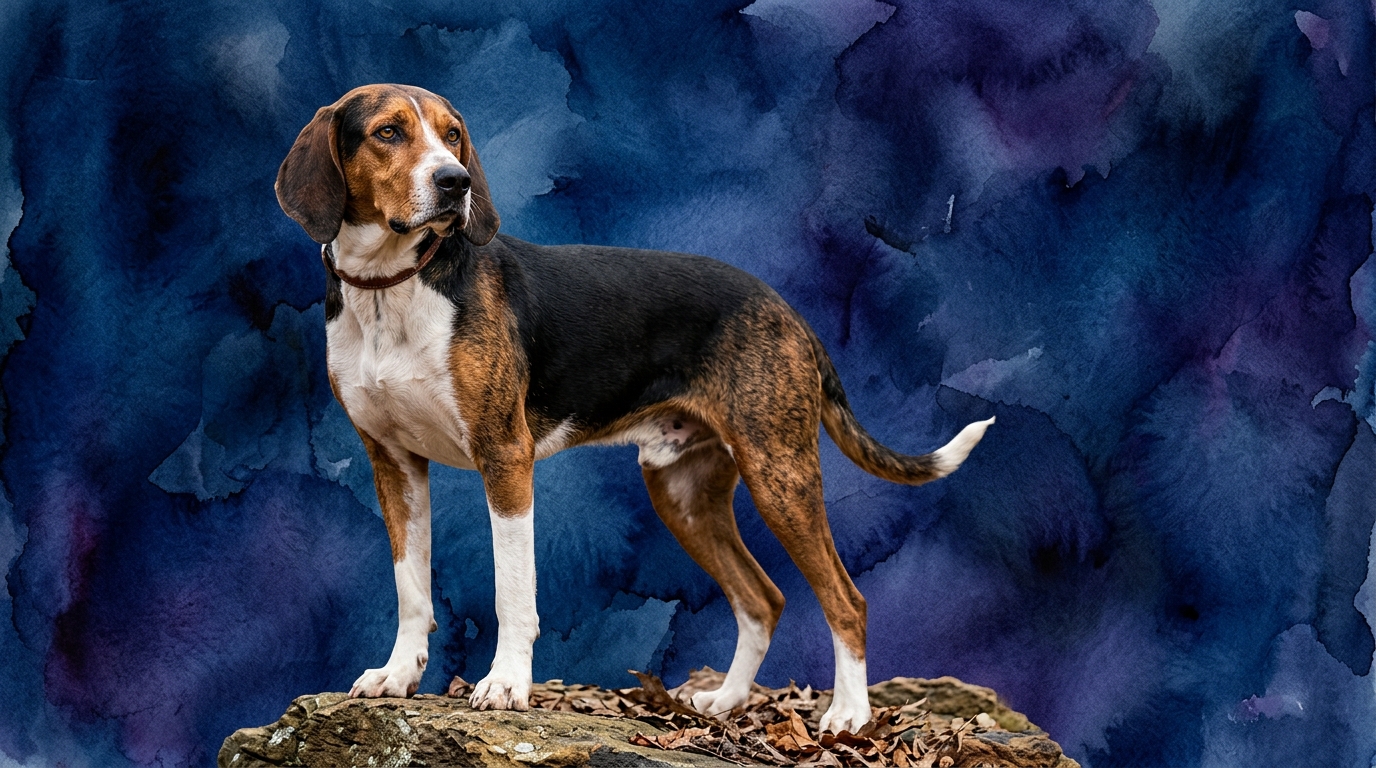
The Treeing Walker Coonhound, also scoring 3/5 in all dimensions, applies these cognitive abilities differently due to its heritage as a tireless hunting companion. Their **Problem Solving** at 3/5 is often geared towards their primary function: navigating complex terrain, deciphering scent trails, and strategizing how to 'tree' prey. This problem-solving is dynamic and driven by instinct, requiring quick decisions in the field. A 3/5 for **Training Speed** means they are capable learners, particularly when the training is engaging and taps into their natural drives, but their strong prey drive and independent nature can make them appear less compliant than some breeds. Their **Social Intelligence** also at 3/5, enables them to work effectively in a pack, whether canine or human, understanding cues and cooperating during a hunt, though their focus might be more task-oriented than emotionally nuanced. The Coonhound's **Instinctive Drive** at 3/5 is profoundly rooted in scent work, tracking, and the characteristic baying associated with 'treeing' game, a powerful, persistent urge that defines much of their behavior. Their **Memory** score of 3/5 is critical for remembering specific trails, past hunting successes, and the locations of prey, allowing them to refine their hunting techniques over time.
Where the Mastiff Cognitively Excels
Despite identical numerical scores, the Mastiff demonstrates particular cognitive strengths aligned with its historical role. Its deliberate temperament, combined with a 3/5 in problem-solving and social intelligence, allows for a nuanced understanding of its immediate environment and the emotional climate of its human family. A Mastiff is adept at patient observation, often processing information over a longer period before acting, which is crucial for its sentinel duties. This translates into a perceptive ability to discern genuine threats from everyday occurrences, making them reliably calm guardians.
Their 3/5 instinctive drive, focused on protection, coupled with a solid memory, means they consistently apply learned safety protocols and remember individuals who belong versus those who are unfamiliar. This cognitive consistency in their primary purpose – being a watchful, stable presence – is a distinct advantage. They excel at maintaining a composed demeanor, relying on their observational skills and memory to ensure the well-being of their home, rather than reacting impulsively.
Where the Treeing Walker Coonhound Cognitively Excels
The Treeing Walker Coonhound, with its equally balanced cognitive scores, shines in areas demanding high levels of focus and persistence, driven by its powerful instincts. Their 3/5 problem-solving ability, intertwined with their strong instinctive drive for scent work, makes them exceptionally adept at complex tracking tasks. They can follow intricate scent trails over varied terrain, ignoring distractions that would deter other breeds, demonstrating a singular, unwavering cognitive commitment to their objective.
Their memory score of 3/5 is particularly robust when it comes to recalling scent patterns, successful hunting routes, and the location of game, allowing them to refine their search strategies. This breed's social intelligence, while perhaps less focused on subtle human emotions, is highly effective in a working partnership, enabling them to communicate their findings through their distinctive baying and cooperate seamlessly with their human handler. The Coonhound's cognitive strengths are therefore deeply practical and task-oriented, optimized for sustained, independent work in challenging environments.
Ease of Training: Behavioral Nuances Beyond the Score
Both breeds register a 3/5 in training speed, yet the experience of training each can feel quite different due to their inherent behavioral patterns. The Mastiff's deliberate nature means they may take longer to process new commands, but once learned, their memory (3/5) ensures strong retention. Their motivation often comes from a desire to please their family and maintain household harmony, responding best to calm, consistent methods and positive reinforcement. Patience is key, as they are not a breed that rushes through lessons; they prefer to understand the 'why' or at least the consistent routine.
Conversely, the Treeing Walker Coonhound's 3/5 training speed is heavily influenced by its potent instinctive drive. They are capable of learning quickly when engaged, but their powerful nose and prey drive can be significant distractions. Training a Coonhound often requires creative strategies to capture and hold their attention, using high-value rewards and making lessons feel like a game or a puzzle related to their natural inclinations. Overcoming their independent nature and the allure of an enticing scent requires more consistent, engaging, and often more rigorous training from the owner to achieve reliability, especially in outdoor environments.
Suitability for Active vs. Relaxed Owners
The Mastiff's cognitive profile and physical needs make it an ideal companion for more relaxed owners. Their 3/5 instinctive drive for guarding is primarily expressed through quiet vigilance, not constant activity. They appreciate a calm household where their observational problem-solving and social intelligence can be applied to maintaining a peaceful home. While they need regular, moderate exercise, they are generally content with a comfortable routine and thrive on close companionship with their human family, making them excellent choices for those seeking a large, steady presence.
The Treeing Walker Coonhound, however, is best suited for active owners who can provide an outlet for their potent 3/5 instinctive drive. Their problem-solving and memory are geared towards high-energy, scent-driven activities, meaning they require substantial mental and physical stimulation. Owners who enjoy long hikes, scent work, or even dog sports will find a Coonhound a rewarding partner. A relaxed owner might struggle with a Coonhound's need for engagement, as insufficient activity can lead to boredom and potentially destructive behaviors, or an overwhelming desire to follow every interesting scent.
The Verdict
Choose a Mastiff if you value a calm, observant guardian who thrives on stability and offers a steady, affectionate presence, and you are prepared for patient, consistent training. Their cognitive strengths align with a more settled lifestyle and a desire for quiet companionship.
Opt for a Treeing Walker Coonhound if you are an active individual or family seeking an energetic, driven companion for outdoor adventures and scent-based activities, and are willing to invest significant time in engaging, instinct-harnessing training. Their cognitive prowess is best expressed when given a 'job' that satisfies their powerful drives.
🧠 Find Your Pet's IQ Score
Our Pet IQ Lab assessment covers 25+ tests across 5 cognitive dimensions — personalized to your breed.
Take the Full IQ Test →Frequently Asked Questions
Do Mastiffs require a lot of mental stimulation?
Mastiffs benefit from mental engagement, but their needs are generally lower than many working breeds. Their problem-solving often involves observing and assessing, so opportunities to 'patrol' their yard or engage in calm puzzle toys are sufficient to keep their minds active.
How does a Coonhound's strong scent drive impact their daily life?
A Coonhound's strong scent drive means they are constantly processing olfactory information, making walks an immersive experience for them. This drive requires secure containment, consistent recall training, and ample opportunities for scent-based activities to prevent them from becoming overwhelmed or following a trail too far.
Are Mastiffs good with children?
With their 3/5 social intelligence and calm demeanor, Mastiffs can be excellent with children, often displaying a patient and protective nature. Proper socialization from a young age and supervision are always important due to their sheer size, ensuring respectful interactions for both dog and child.