Side-by-Side IQ Profiles: A Closer Look at Shared Scores
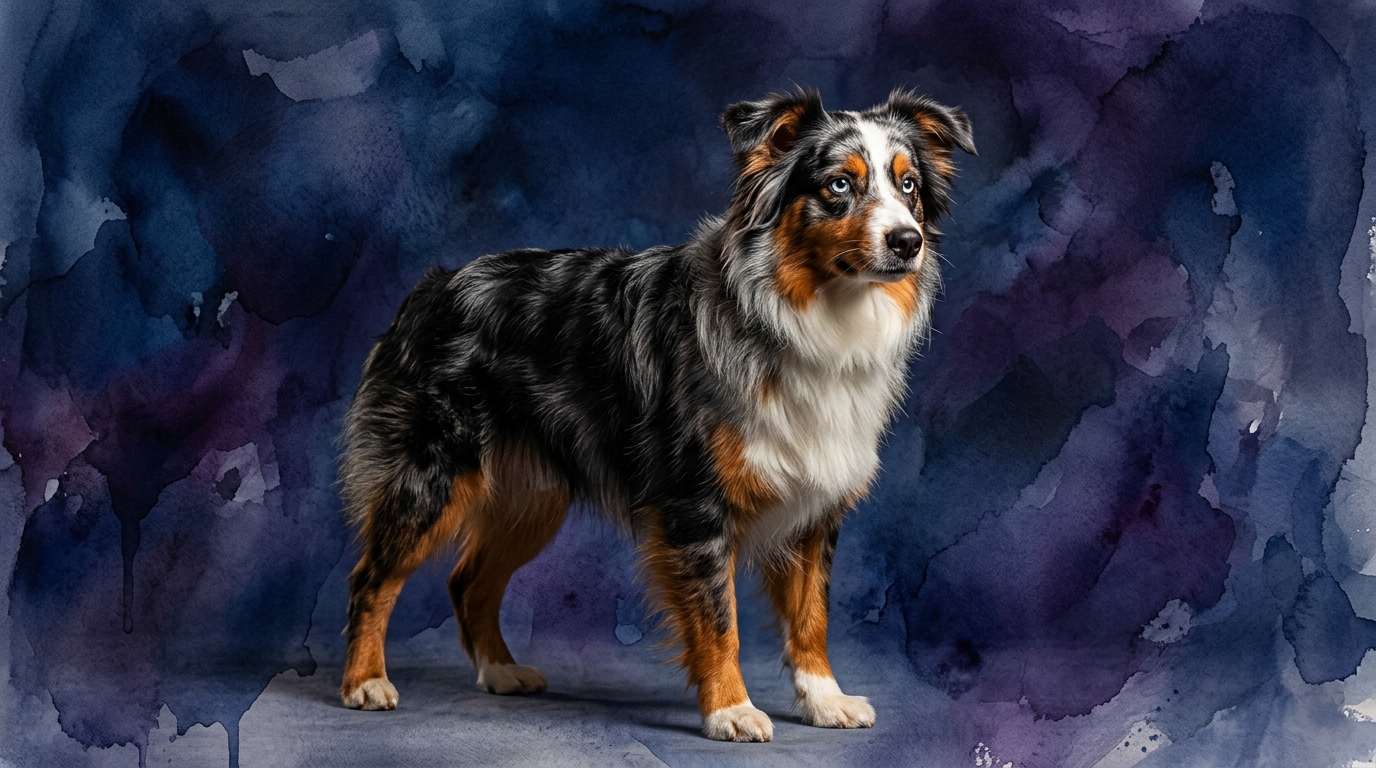
At The Cosmic Pet Pet IQ Lab, both the Miniature American Shepherd and the Irish Wolfhound are assessed with a consistent 3 out of 5 across all five cognitive dimensions: Problem Solving, Training Speed, Social Intelligence, Instinctive Drive, and Memory. This uniform scoring doesn't suggest identical mental processes, but rather a comparable level of functional intelligence expressed through their breed-specific lenses. For the Miniature American Shepherd, a 3/5 in Problem Solving often translates to an aptitude for navigating complex environments, perhaps strategizing the movement of a herd or figuring out how to bypass an obstacle to retrieve a favored toy, demonstrating an active, engaged approach to mental challenges. Their Training Speed at 3/5 reflects a moderate pace of learning, capable of grasping new commands with consistent guidance, though their independent herding spirit might sometimes lead them to interpret instructions creatively. Social Intelligence at 3/5 means they are generally adept at reading human cues and forming strong bonds, often displaying a nuanced understanding of household dynamics. Their Instinctive Drive, also 3/5, is strongly rooted in their herding heritage, manifesting as a desire to gather, organize, and control, sometimes expressed through playful 'herding' of family members or other pets. Finally, a 3/5 in Memory indicates a reliable ability to recall learned commands, routines, and past experiences, contributing to their adaptability and loyalty.
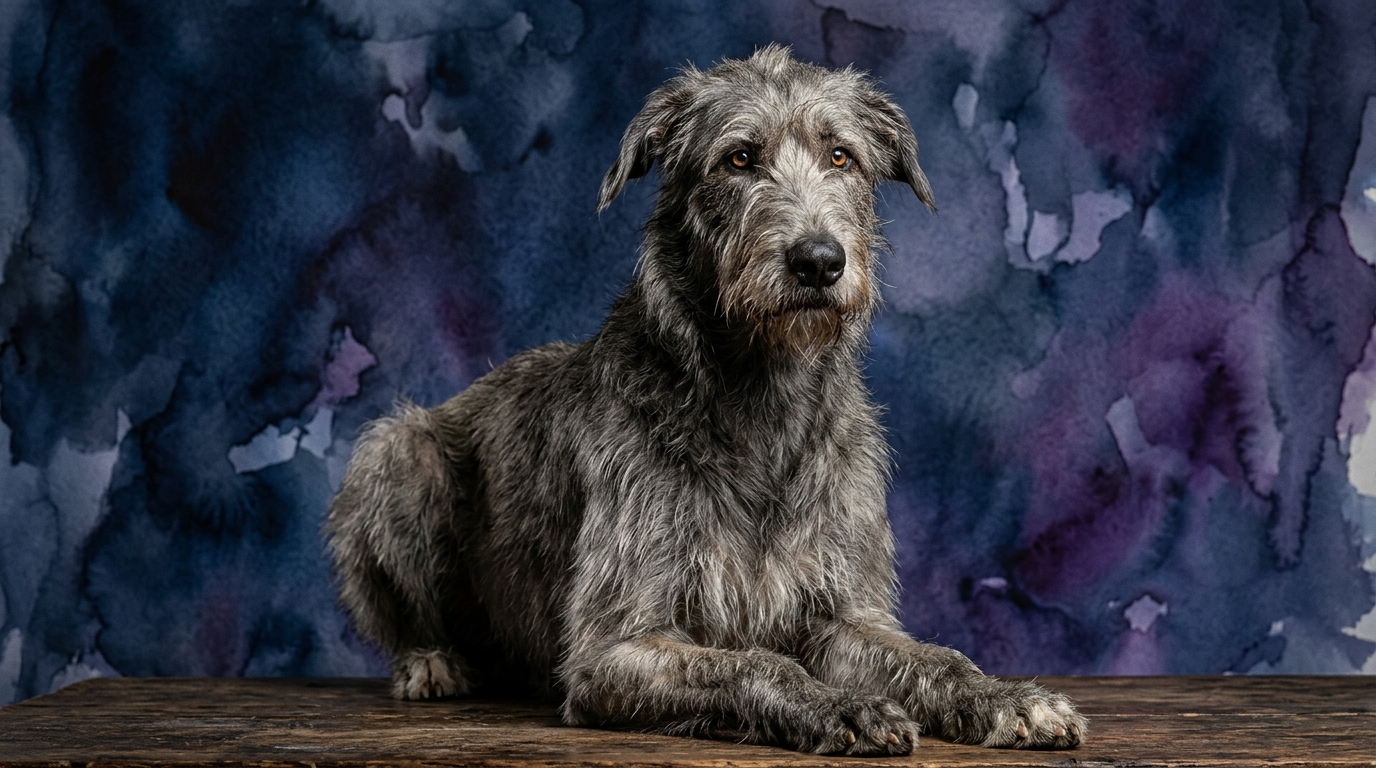
The Irish Wolfhound, despite the same 3/5 scores, exhibits these traits through a different behavioral lens. Their Problem Solving at 3/5 often involves a more measured, observational approach; they might assess a situation calmly, finding the most efficient way to get comfortable in a tight space or navigating a new environment with thoughtful consideration rather than frantic energy. Training Speed at 3/5 for a Wolfhound implies a steady learning curve, requiring patience and positive reinforcement, as their independent sighthound nature means they are less driven by a constant need to please and more by understanding the purpose behind a command. Their Social Intelligence, also 3/5, is evident in their gentle, tolerant demeanor, often displaying a remarkable empathy and a quiet understanding of human emotions, particularly with children or other vulnerable family members. The 3/5 Instinctive Drive in a Wolfhound is distinctly tied to their sighthound heritage, primarily a strong visual prey drive, leading them to focus intently on distant moving objects, but also historically encompassing a protective, watchful guardianship. A Memory score of 3/5 means they retain information well, remembering people, places, and training cues, though their responses might be tempered by their generally serene and independent temperament.
Where the Miniature American Shepherd Exhibits Cognitive Strengths
While both breeds share the same IQ scores, the Miniature American Shepherd frequently demonstrates a nuanced cognitive advantage in tasks requiring quick, adaptive decision-making within a dynamic environment. Their herding background instills a profound ability to process multiple stimuli simultaneously – the movement of 'stock,' the handler's signals, and environmental changes – and respond with agile precision. This means their 3/5 Problem Solving often shines in scenarios demanding rapid adjustments and sequential task completion, such as navigating an agility course or learning complex trick sequences. Their Instinctive Drive, focused on control and direction, translates into a mental framework that seeks order and patterns, making them particularly adept at anticipating outcomes and planning subsequent actions in a fluid situation. This breed's energetic engagement, coupled with their strong memory for routines and commands, allows them to excel in structured activities where their problem-solving skills are continuously honed through active participation and immediate feedback. They often display a proactive intelligence, seeking out mental engagement and exhibiting a persistent, focused effort to achieve a perceived goal, which can be a significant advantage in competitive obedience or working roles.
Where the Irish Wolfhound Exhibits Cognitive Strengths
The Irish Wolfhound, with its equally rated IQ, often displays its cognitive prowess in areas demanding calm observation, independent judgment, and a profound understanding of social subtleties. Their 3/5 Problem Solving is less about frantic action and more about thoughtful assessment, allowing them to approach new situations with a quiet discernment, often figuring out the most straightforward or least energy-intensive solution. This can manifest as an ability to navigate complex household dynamics with grace, or to understand the mood of a room without needing overt cues. Their Social Intelligence (3/5) is a particular strength, enabling them to form deep, empathetic bonds and act as comforting, intuitive companions, often sensing distress or joy in their human family members with remarkable accuracy. The Wolfhound's historical role as a guardian and hunter of large prey has cultivated a form of intelligence that emphasizes independent decision-making and a patient, watchful demeanor, rather than constant direction from a handler. Their memory, while rated 3/5, is often applied to recalling social interactions and the personalities of various individuals, contributing to their reputation as gentle giants with a long memory for those they encounter. This breed's quiet observational skills and capacity for independent thought provide a distinct cognitive advantage in environments where serene presence and wise judgment are prioritized over constant activity.
Training Dynamics: Miniature American Shepherd vs. Irish Wolfhound
When considering trainability, both breeds share a 3/5 Training Speed, indicating they are moderately receptive to learning. However, their behavioral differences create distinct training experiences. The Miniature American Shepherd, stemming from a lineage of working dogs, often possesses an inherent eagerness to engage with their handler and a desire for a 'job.' This can make them quick to pick up new commands and excel in structured training environments, especially when tasks involve movement, problem-solving, or a clear purpose. Their high energy and focus mean they thrive on consistent mental and physical stimulation; without it, their intelligent minds might invent their own less desirable 'jobs.' Training with a MAS benefits from variety, positive reinforcement, and channeling their natural herding instincts into constructive activities like agility or obedience sports. They learn readily but require a handler who can match their enthusiasm and provide clear, consistent direction to prevent their independent problem-solving from veering off course.
The Irish Wolfhound, despite the same 3/5 Training Speed, presents a different set of training considerations. Their sighthound heritage imbues them with a more independent spirit; they are often less overtly driven to please and more inclined to comply once they understand the 'why' behind a command. Their slower physical and mental maturation means that training consistency over a longer period is crucial, and expectations should be adjusted for their developmental stage. While they are capable of learning a wide array of commands, their training benefits from calm, patient, and positive reinforcement methods that build trust and cooperation rather than relying on forceful commands. Due to their immense size, early and consistent training in manners, leash etiquette, and impulse control is not just beneficial but essential for their safety and the safety of others. While they may not demonstrate the frantic enthusiasm of a herding breed, their deep memory and social intelligence mean that once a lesson is learned and understood, it is typically retained reliably, provided the training is engaging and respectful of their independent nature.
Matching Breeds to Lifestyles: Active vs. Relaxed Owners
The choice between a Miniature American Shepherd and an Irish Wolfhound often hinges on an owner's lifestyle and energy levels, despite their similar IQ scores. The Miniature American Shepherd is an ideal companion for active owners who thrive on outdoor activities and enjoy engaging in dog sports or extensive daily exercise. Their inherent drive and energy demand significant mental and physical stimulation, making them excellent partners for hiking, running, agility, obedience, or even urban exploration. Owners who can provide consistent training, varied tasks, and ample opportunities to 'work' their minds and bodies will find a highly adaptable and engaged companion in a MAS. They are not content to be couch potatoes and will actively seek out engagement, making them less suitable for individuals seeking a low-maintenance pet.
Conversely, the Irish Wolfhound is better suited for more relaxed owners who appreciate a calm, dignified presence in their home. While they require regular, moderate exercise—including daily walks and opportunities for a good, expansive run in a secure area—their overall energy level is significantly lower than that of a MAS. They are often described as 'couch potatoes' indoors, content to lounge and observe, making them a good fit for quieter households or those who enjoy a more serene pace of life. Owners must, however, be prepared for their immense size, which necessitates ample living space and a vehicle capable of accommodating them. Despite their relaxed indoor demeanor, their sighthound instincts mean a securely fenced yard is non-negotiable for their safety during outdoor excursions, preventing them from pursuing perceived prey. Their gentle nature and thoughtful disposition make them wonderful companions for individuals or families who value a loyal, serene, and quietly intelligent presence.
The Verdict
Choose the Miniature American Shepherd if you are an active owner seeking a highly engaged, energetic partner for sports, outdoor adventures, and consistent mental challenges.
Opt for the Irish Wolfhound if you are a relaxed owner desiring a calm, dignified companion who appreciates moderate exercise, ample lounging, and a serene, empathetic presence in your home.
🧠 Find Your Pet's IQ Score
Our Pet IQ Lab assessment covers 25+ tests across 5 cognitive dimensions — personalized to your breed.
Take the Full IQ Test →Frequently Asked Questions
Do Miniature American Shepherds shed a lot?
Miniature American Shepherds have a double coat and do shed moderately year-round, with heavier shedding periods seasonally. Regular brushing, typically 2-3 times a week, is recommended to manage loose hair and maintain coat health.
Are Irish Wolfhounds good with children?
Irish Wolfhounds are generally known for their gentle and patient temperament, making them typically good with children. However, due to their immense size, supervision is always advisable to prevent accidental bumps or knocks, especially with very young children.
What kind of exercise do Miniature American Shepherds need?
Miniature American Shepherds require significant daily exercise, often including long walks, runs, or engaging in dog sports like agility or obedience. They also benefit greatly from mental stimulation through training and puzzle toys to satisfy their active minds.