Side-by-Side Cognitive Profiles: Decoding the 3/5 Scores
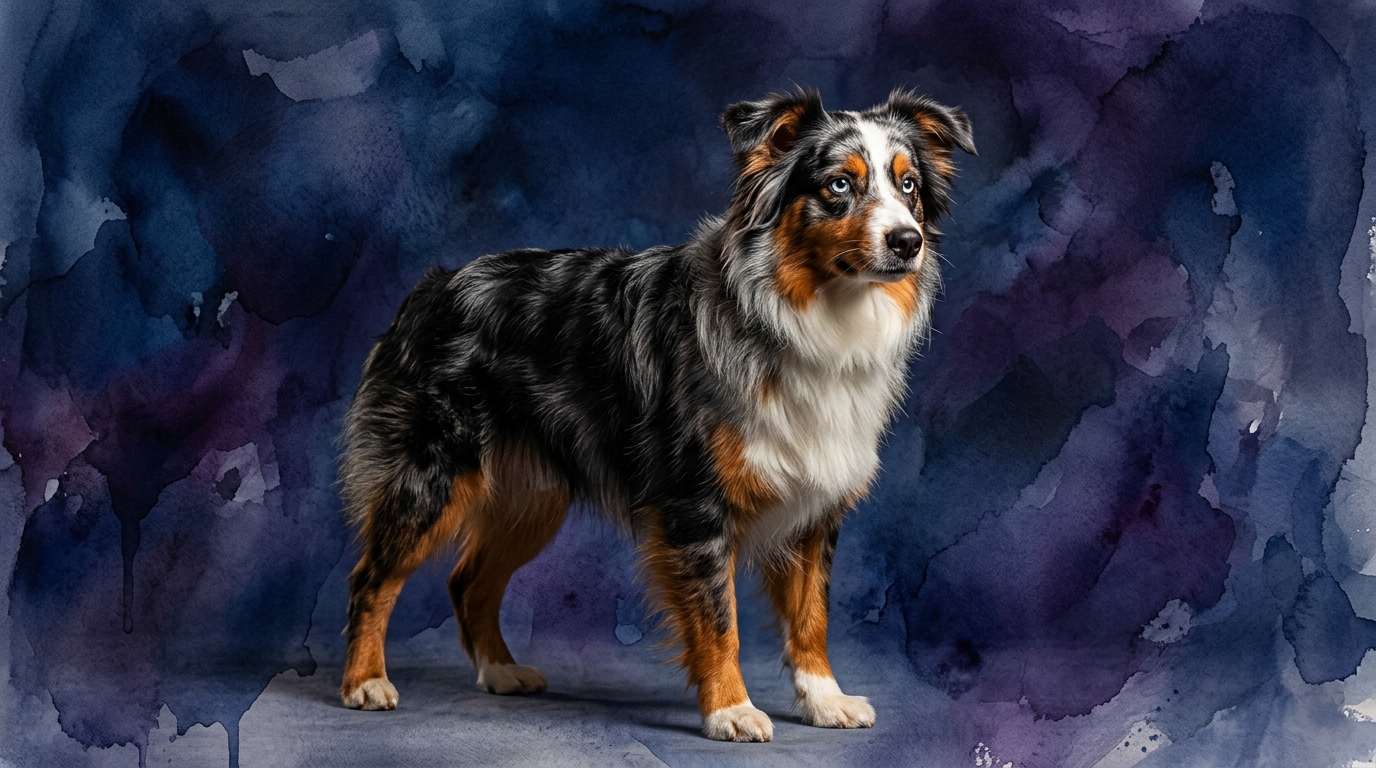
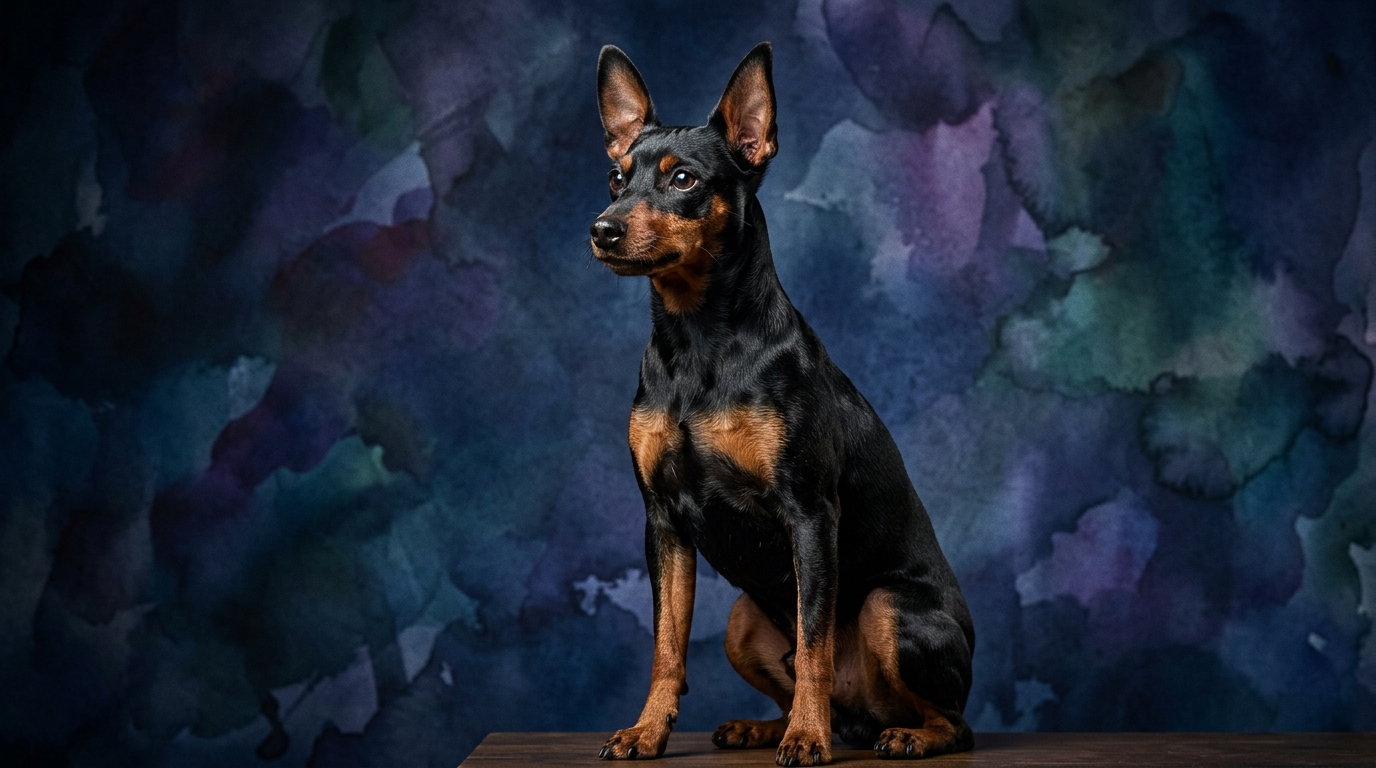
In The Cosmic Pet Pet IQ Lab, a '3/5' score indicates a moderate capacity within each cognitive dimension. For the Miniature American Shepherd (MAS), a member of the Herding group, and the Miniature Pinscher (Min Pin), a Toy breed, this moderate rating translates differently in their day-to-day lives.
Problem Solving (3/5): The MAS exhibits a moderate ability to navigate new challenges, often applying their inherent drive to organize and manage their environment. This might manifest as devising strategies to move toys or understanding complex sequences in agility courses. The Min Pin, conversely, uses their moderate problem-solving skills for more self-serving purposes, such as figuring out how to access a countertop treat or manipulating household dynamics to get their way. Their solutions are often immediate and resourceful.
Training Speed (3/5): Both breeds grasp new commands at a moderate pace. The MAS, with its working background, generally approaches training as a cooperative endeavor, learning cues with a desire to partner with their handler. Consistency and clear communication yield steady progress. The Min Pin also processes new information efficiently, but their independent and spirited personality means their demonstration of learned skills can be more selective, often contingent on perceived value or motivation.
Social Intelligence (3/5): The MAS displays a moderate capacity to interpret human moods and intentions, often aligning their actions with their owner's emotional state, a trait valuable in a working partnership. They tend to be attuned to group harmony. The Min Pin, while equally capable of reading social cues, often employs this understanding to secure comfort, attention, or resources. They are astute observers of household routines and the specific roles of family members.
Instinctive Drive (3/5): The MAS possesses a moderate herding instinct, which can surface as an inclination to 'gather' family members, other pets, or even toys. They enjoy activities that engage this natural predisposition for control and movement. The Min Pin's moderate instinctive drive is heavily weighted towards vigilance and territoriality. They are acutely aware of their surroundings, quick to alert to perceived threats, and often display a strong prey drive towards small, moving objects.
Memory (3/5): Both breeds show a moderate ability to retain information. The MAS maintains a good recall for commands, routines, and task sequences, benefiting significantly from consistent training and reinforcement. They build upon past experiences effectively. The Min Pin also demonstrates reliable memory for learned behaviors, household rules, and specific people or places, particularly those associated with strong positive or negative emotional experiences, making them adept at remembering boundaries or preferred comforts.
Where the Miniature American Shepherd Wins Cognitively
The Miniature American Shepherd's cognitive strengths truly shine in **structured, cooperative learning environments and task-oriented problem-solving**. Their herding heritage means their 3/5 problem-solving and social intelligence are finely tuned for partnership. They excel at processing spatial information, anticipating movement, and executing multi-step commands, making them adept at dog sports like agility, obedience, and rally. Their memory is reliable for sequences of actions, enabling them to master complex routines. This breed's cognitive architecture is geared towards working alongside a human, finding satisfaction in shared goals and clear directives.
Where the Miniature Pinscher Wins Cognitively
The Miniature Pinscher's cognitive advantages become apparent in their **resourcefulness and independent, self-directed problem-solving within a domestic setting**. Their 3/5 problem-solving manifests as cleverness in navigating their home, outsmarting barriers to access desired items, or subtly influencing human behavior for their benefit. Their social intelligence is keenly applied to understanding household dynamics and individual personalities, allowing them to adapt their approach to secure attention or comfort. The Min Pin's memory is robust for routines and preferred outcomes, making them excellent at remembering where treats are stored or which family member is most likely to yield to their charm. They are champions of environmental awareness and diligent alerts.
Training Dynamics: A Tale of Two Temperaments
When it comes to ease of training, the inherent temperamental differences, even with identical IQ scores, create distinct experiences. The Miniature American Shepherd is generally more amenable to training due to their strong desire to work with their handler and their historical role as a cooperative partner. Their moderate training speed is consistent, and their social intelligence makes them keen to understand and respond to human cues. They respond well to positive reinforcement, clear structure, and consistent expectations, thriving on the mental engagement that training provides. Their cooperative nature means they often seek to please, making them generally eager students.
The Miniature Pinscher, while equally capable of learning at a moderate pace, often presents a greater challenge due to their spirited, independent, and sometimes stubborn nature. Their moderate training speed can be inconsistent; they might grasp a command quickly but then decide whether or not to perform it based on their immediate motivation or perceived personal gain. Training a Min Pin requires creativity, high-value rewards, and a firm, consistent leader who can make learning feel like a game. Their strong instinctive drive for vigilance and their independent streak can sometimes override a learned command if something more interesting or 'important' (like a perceived threat) captures their attention, demanding a dedicated and patient approach to establish reliable compliance.
Matching Breeds to Lifestyles: Active vs. Relaxed Owners
The Miniature American Shepherd is an ideal companion for **active owners** who enjoy a partner for structured activities and outdoor adventures. Their herding background means they thrive on physical and mental engagement, whether it's participating in dog sports like agility, obedience, or flyball, or accompanying owners on long hikes and trail runs. Their moderate instinctive drive requires an outlet, making them best suited for individuals or families who can dedicate time to regular training sessions and energetic play. They are happiest when they have a 'job' to do, even if that job is simply learning new tricks or managing a frisbee.
The Miniature Pinscher, while energetic, suits owners who appreciate a spirited, independent companion but might not require the same level of structured 'work' or extensive outdoor expeditions as a herding breed. They thrive on bursts of play, short walks, and indoor games, often content to be vigilant companions within the home. Their independence means they might not constantly solicit interaction, though they deeply value attention on their own terms. Owners who enjoy a confident, alert, and charming presence, capable of entertaining themselves while also being deeply devoted to their family, will find a suitable match in the Min Pin. They need mental engagement, but it often comes in the form of managing their territory or outsmarting a puzzle toy, rather than complex training sequences.
The Verdict
Choose the Miniature American Shepherd if you seek a cooperative, eager-to-please companion for structured activities, dog sports, and a consistent partner in learning new skills.
Opt for the Miniature Pinscher if you appreciate a spirited, alert, and independent companion who offers vigilance and charm, and you are prepared for motivational, consistent training to channel their cleverness.
🧠 Find Your Pet's IQ Score
Our Pet IQ Lab assessment covers 25+ tests across 5 cognitive dimensions — personalized to your breed.
Take the Full IQ Test →Frequently Asked Questions
Are Miniature American Shepherds good for first-time dog owners?
Miniature American Shepherds can be suitable for first-time owners who are committed to consistent training, socialization, and providing ample mental and physical exercise. Their cooperative nature makes them responsive learners, but their energy and herding instincts require an owner dedicated to channeling these traits appropriately.
Do Miniature Pinschers get along with other pets?
Miniature Pinschers can coexist with other pets, especially if socialized from a young age. However, their strong prey drive might make them challenging with very small animals, and their confident, sometimes dominant, personality means they might prefer to be the lead dog in a multi-pet household. Careful introductions and supervision are key.
How much mental stimulation do Miniature American Shepherds need?
Miniature American Shepherds require significant mental stimulation to prevent boredom and destructive behaviors. Their herding intelligence means they thrive on learning new commands, puzzle toys, dog sports, and engaging in activities that challenge their problem-solving abilities daily. Regular training sessions are crucial for their cognitive well-being.