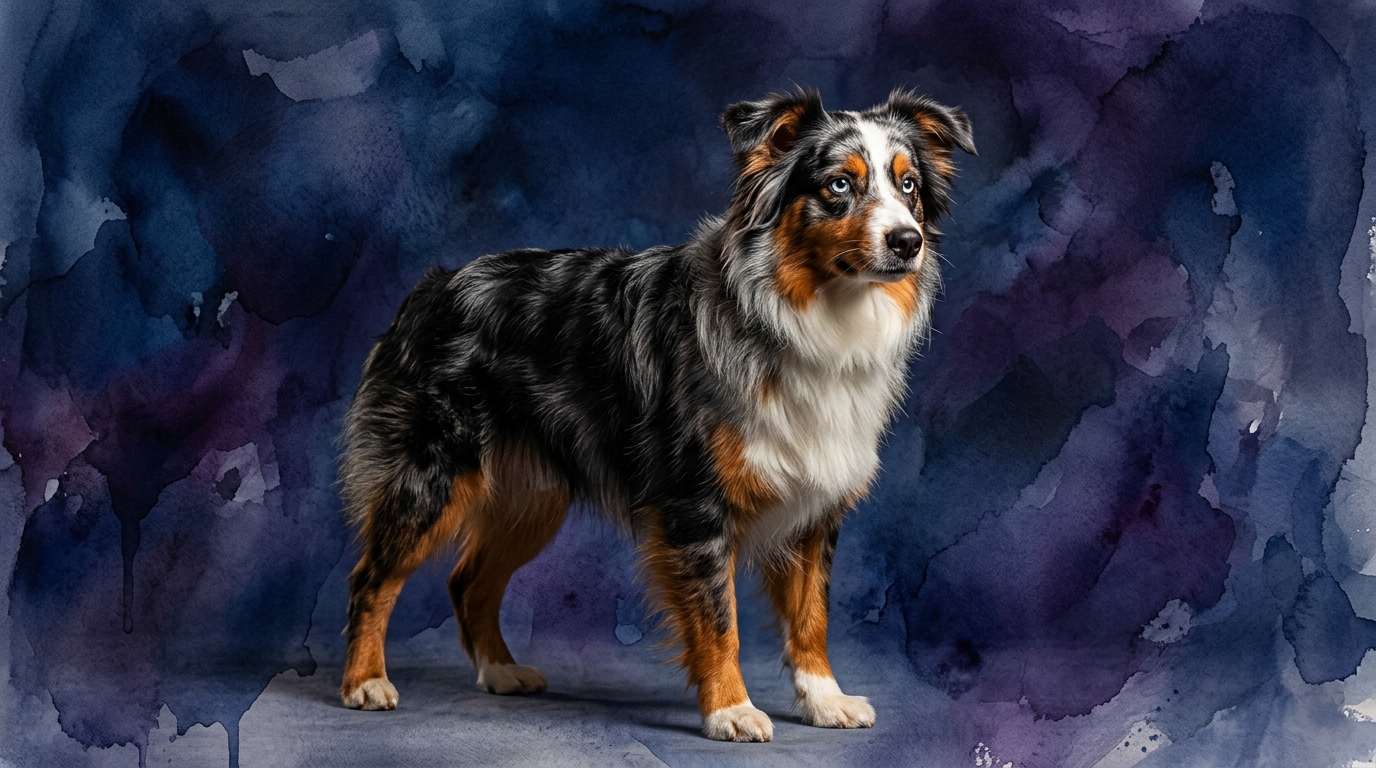
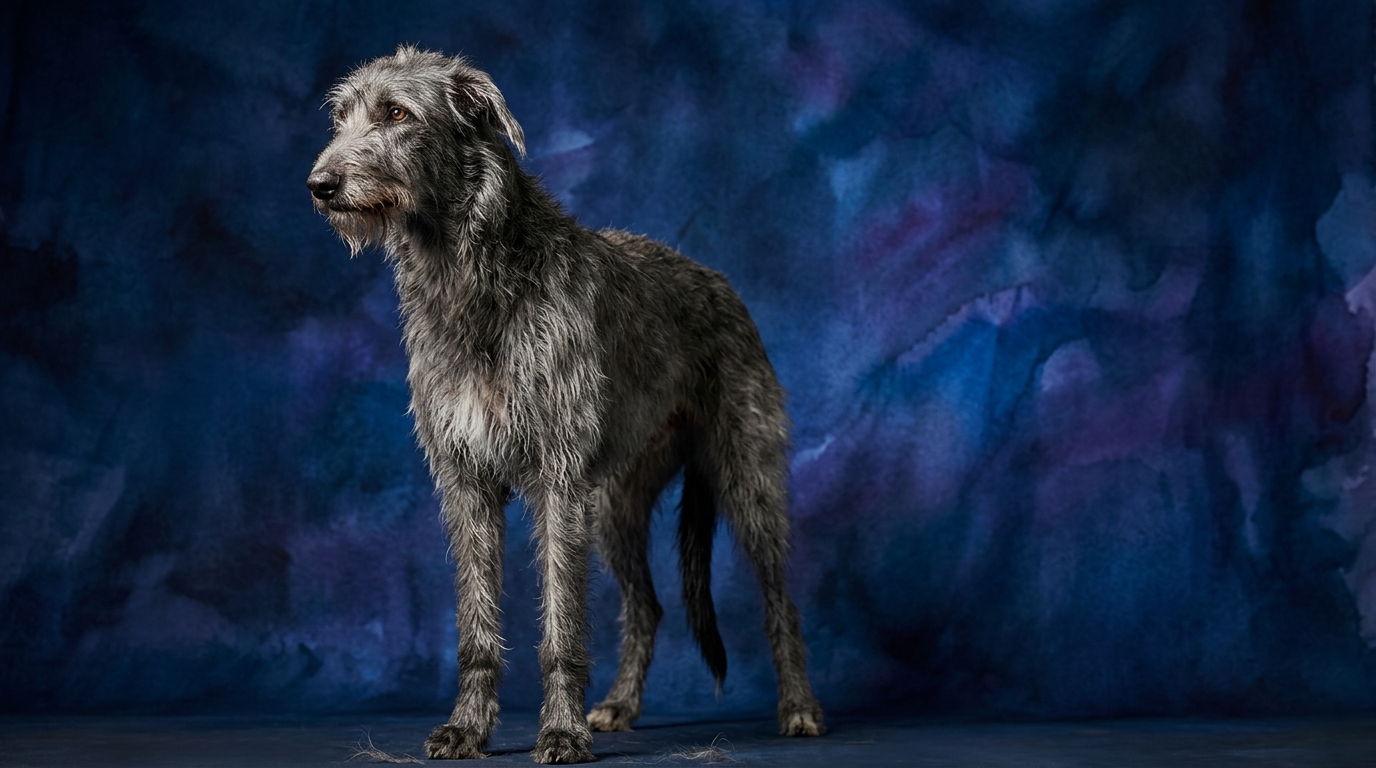
Side-by-Side Cognitive Profiles
The Cosmic Pet Pet IQ Lab assesses canine intelligence across five critical dimensions. For the Miniature American Shepherd, Problem Solving is rated 3/5: rooted in their herding heritage, these dogs approach challenges with a methodical, often strategic perspective, seeking to organize and direct. Training Speed is 3/5: they absorb new commands at a moderate pace, benefiting from consistent, engaging repetition that taps into their desire for purpose. Social Intelligence is 3/5: these dogs exhibit a keen awareness of their human companions' moods and intentions, often forming strong, responsive bonds. Instinctive Drive is 3/5: their herding instincts manifest as a drive to gather, control, and sometimes chase, requiring appropriate outlets for this inherent inclination. Memory is 3/5: Miniature American Shepherds demonstrate a solid capacity to recall learned behaviors and routines, contributing to their reliability in structured environments.
The Scottish Deerhound also shares a 3/5 rating across all five cognitive dimensions, yet their expression of these traits differs significantly. Problem Solving is 3/5: as sight hounds, Scottish Deerhounds often solve problems with quick, decisive action, particularly when a visual stimulus triggers their chase sequence. Training Speed is 3/5: they learn at a moderate rate, but their independent hound nature means motivation often needs to be highly rewarding and consistent to maintain focus. Social Intelligence is 3/5: Scottish Deerhounds are observant of their human family, forming gentle connections, though they may display a more reserved demeanor compared to some other breeds. Instinctive Drive is 3/5: their strong prey drive is a defining characteristic, leading to an inherent desire to pursue moving objects, which requires careful management. Memory is 3/5: Scottish Deerhounds possess a good memory for places, people, and established routines, though their recall can sometimes be overridden by a compelling visual distraction.
Where the Miniature American Shepherd Excels Cognitively
The Miniature American Shepherd's herding background provides a distinct cognitive advantage in scenarios requiring structured collaboration and sequential problem-solving. Their 3/5 Problem Solving score shines when faced with tasks that demand planning, organization, and a desire to work alongside a handler, such as navigating complex agility courses or mastering multi-step puzzle toys. This breed often interprets human cues with remarkable precision, a testament to their 3/5 Social Intelligence, which allows them to anticipate and respond to directions in a working partnership. Their 3/5 Memory for routines and learned commands further reinforces their reliability in these structured, interactive challenges, making them adept at remembering and executing intricate patterns or sequences of behaviors that contribute to a shared goal. They thrive on mental engagement that involves purposeful activity and clear direction.
Their cognitive strengths are particularly evident in their capacity for nuanced communication and response. A Miniature American Shepherd will often try to 'figure out' what you want them to do, rather than simply reacting. This proactive problem-solving, combined with their ability to retain complex sequences, means they can excel in environments where precise execution and a strong working bond are paramount. They might excel at learning to 'find' specific items on command or performing intricate tricks that involve multiple steps, leveraging their memory and social understanding to meet expectations.
Where the Scottish Deerhound Excels Cognitively
The Scottish Deerhound's cognitive strengths are deeply rooted in their heritage as independent hunters, excelling in situations demanding swift, autonomous decision-making and keen sensory perception. Their 3/5 Problem Solving manifests as an ability to quickly assess and react to dynamic environmental stimuli, particularly when a visual cue triggers their inherent prey drive. This allows them to navigate varied terrain efficiently, finding the fastest or most effective path during a pursuit. Their 3/5 Instinctive Drive, while posing training challenges, also fuels a remarkable mental acuity for tracking movement and making split-second judgments in open spaces, a form of problem-solving centered on spatial awareness and predatory tactics. They remember routes and optimal pathways (3/5 Memory) in their running territories, demonstrating a practical, survival-oriented form of recall.
While they may not seek constant direction, their 3/5 Social Intelligence allows them to quietly observe and understand the general rhythm of their human household, contributing to their gentle, adaptable presence once their exercise needs are met. Their cognitive prowess is less about executing commands and more about independent environmental mastery. For instance, a Deerhound might display exceptional problem-solving in finding a way to get to a perceived 'prey' item, even if it means navigating obstacles or employing creative routes, demonstrating a self-directed form of ingenuity that differs from the collaborative problem-solving of a herding breed.
Which is Easier to Train and Why
When considering ease of training, the Miniature American Shepherd generally presents a more straightforward experience for the average owner. Their 3/5 Training Speed is bolstered by their inherent desire to work with a handler and their strong desire for purpose, a direct outcome of their herding lineage. They often respond enthusiastically to positive reinforcement and clear directives, eager to engage in activities that provide mental stimulation and a sense of a 'job.' Their 3/5 Social Intelligence means they are often attuned to their owner's intentions and moods, facilitating a more responsive and cooperative training dynamic. Behavioral differences show Miniature American Shepherds often *seek* direction and thrive on collaborative tasks, making them receptive to learning a wide array of commands and tricks.
The Scottish Deerhound, while possessing a 3/5 Training Speed, can be more challenging to train due to their independent hound nature and potent 3/5 Instinctive Drive. Their motivation often needs to be highly rewarding, and consistency is paramount to maintaining their focus. When a compelling visual stimulus (like a squirrel) activates their prey drive, their recall and attention to commands can temporarily diminish, overriding learned behaviors. Training a Deerhound requires patience, understanding of their selective hearing in high-distraction environments, and methods that make the desired behavior more appealing than their natural instincts. They learn, but their engagement is often more conditional; they might *evaluate* a command against their own strong impulses rather than simply complying, making them less inherently biddable than a Miniature American Shepherd.
Suitability for Active vs. Relaxed Owners
The Miniature American Shepherd is an ideal companion for active owners who relish structured engagement and consistent mental stimulation. Their 3/5 Instinctive Drive for herding translates into a need for purposeful activity, whether it's participating in dog sports like agility, obedience, or herding trials, or simply learning a continuous stream of new tricks and puzzle games at home. They thrive with a 'job' to do and will quickly become restless without adequate mental and physical outlets. Owners who enjoy teaching, practicing, and maintaining a high level of interactive play will find the Miniature American Shepherd an eager and fulfilling partner, leveraging their collaborative problem-solving and memory for routines.
Conversely, the Scottish Deerhound is better suited for owners who appreciate a calm, gentle indoor companion but can provide ample opportunity for vigorous, free-running exercise in safe, expansive, and securely fenced areas. While they require intense bursts of activity to satisfy their 3/5 Instinctive Drive, they are often content to lounge gracefully for much of the day once their exercise needs are met. Their mental stimulation often comes from environmental exploration during their runs and occasional independent 'hunting' games rather than constant, directed tasks. Owners who enjoy long walks and providing a large, safe space for a dog to run at top speed, but don't necessarily seek a constant training partner for complex routines, will find the Scottish Deerhound an excellent fit for their more relaxed, yet still active, lifestyle.
The Verdict
Choose the Miniature American Shepherd if you seek a highly collaborative partner for dog sports, consistent training, and active mental engagement within a structured home environment.
Opt for the Scottish Deerhound if you appreciate a gentle, independent companion, have access to vast, safe spaces for exhilarating runs, and understand the nuances of managing a sight hound's natural drives.
🧠 Find Your Pet's IQ Score
Our Pet IQ Lab assessment covers 25+ tests across 5 cognitive dimensions — personalized to your breed.
Take the Full IQ Test →Frequently Asked Questions
Do Miniature American Shepherds and Scottish Deerhounds have similar exercise needs?
While both breeds require regular exercise, the *type* differs. Miniature American Shepherds need consistent, structured activity often involving mental tasks, whereas Scottish Deerhounds thrive on intense, short bursts of free running in a safe, open area, followed by significant periods of rest.
Are Miniature American Shepherds good with children?
Miniature American Shepherds, with their 3/5 Social Intelligence and desire to be part of the family, can be wonderful with children, especially when raised with them. Their herding instincts may lead to gentle 'nipping' at heels, which needs careful management and redirection in a family setting.
How do their grooming needs compare?
Miniature American Shepherds have a medium-length double coat requiring regular brushing to prevent mats and manage shedding. Scottish Deerhounds have a harsh, wiry coat that requires less frequent brushing but benefits from occasional hand-stripping to maintain coat texture and shed dead hair.