Side-by-Side IQ Profile: Interpreting Identical Scores
At The Cosmic Pet Pet IQ Lab, a 3/5 rating signifies a solid, functional level of cognitive ability, indicating a breed capable of learning, adapting, and interacting effectively within its environment, without being at the extreme ends of the cognitive spectrum. For both the Miniature American Shepherd (MAS) and the Tibetan Mastiff (TM), this score reflects a reliable intelligence, but its expression is profoundly influenced by their historical roles.
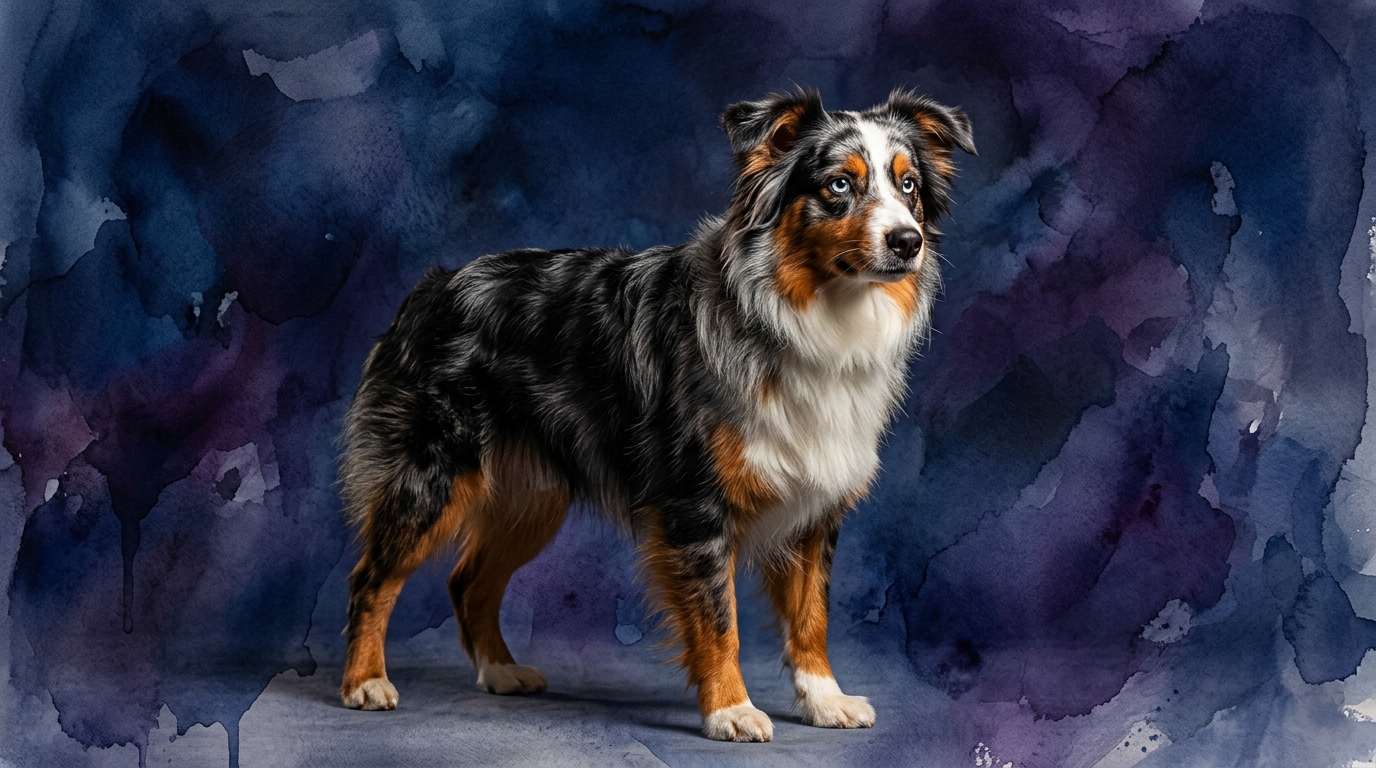
The Miniature American Shepherd, a descendant of herding dogs, exhibits its 3/5 problem-solving by adeptly navigating complex tasks like flock management, requiring spatial reasoning and quick decision-making in dynamic situations. Their 3/5 training speed reflects a willingness to engage and learn new commands, often driven by a desire to work alongside their human. Social intelligence at 3/5 means they are generally responsive to human cues and bond closely, while their instinctive drive of 3/5 is strongly tied to their herding impulses. Memory at 3/5 allows them to retain a repertoire of commands and routines, crucial for consistent performance in various roles.
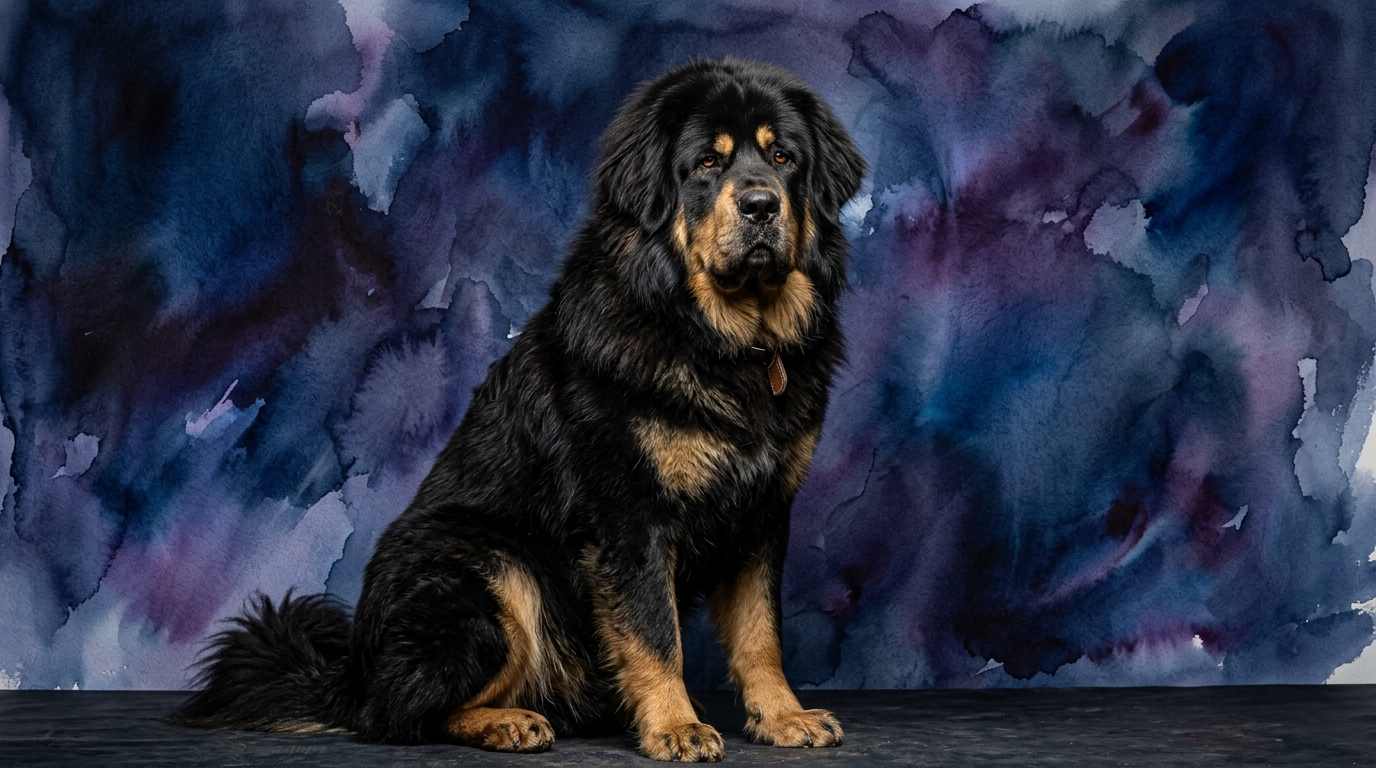
The Tibetan Mastiff, an ancient guardian breed, expresses its 3/5 problem-solving through independent assessment of potential threats and strategic positioning within their territory, relying less on direct instruction and more on innate judgment. Their 3/5 training speed often manifests as deliberate processing, requiring patient and consistent motivation due to their self-sufficient nature. Social intelligence, also 3/5, means they form deep bonds with their immediate family but maintain a reserved demeanor with strangers, a hallmark of their protective instincts. Their 3/5 instinctive drive is overwhelmingly focused on territorial guardianship and family protection. Memory at 3/5 enables them to recall specific individuals, safe zones, and potential dangers within their domain, vital for their sentry duties.
Where the Miniature American Shepherd Wins Cognitively
The Miniature American Shepherd's cognitive strengths truly shine in environments demanding collaboration and adaptability. Their herding heritage has cultivated a mind that thrives on intricate tasks requiring sequential thinking and rapid adjustments. For instance, while both breeds score 3/5 in problem-solving, the MAS's expression leans towards actively seeking solutions *with* a human partner, excelling in agility courses or complex obedience routines where understanding multi-step commands is key.
Their 3/5 social intelligence, combined with a strong work ethic, translates into a remarkable aptitude for reading human intent and responding with enthusiasm. This makes them particularly adept at roles requiring nuanced communication, such as service work or competitive dog sports, where anticipating handler movements and cues is paramount. The MAS's drive to engage and please, a facet of its herding instincts, gives it an edge in learning new skills quickly and applying them in diverse, novel situations, making them highly versatile companions.
Where the Tibetan Mastiff Wins Cognitively
The Tibetan Mastiff's cognitive prowess is best observed in its profound independence and unwavering dedication to its primary role: protection. While scoring 3/5 in problem-solving, the TM's approach is characterized by self-reliant decision-making, particularly in assessing potential threats to its family or territory without needing constant human direction. This translates into an unparalleled situational awareness, where they can independently evaluate environmental cues and react appropriately, a critical skill for a guardian.
Their 3/5 social intelligence, though reserved, is deeply rooted in loyalty and discerning judgment, allowing them to form incredibly strong, protective bonds with their inner circle while maintaining a watchful distance from outsiders. This cognitive discernment is a significant advantage in safeguarding, as they prioritize the safety of their loved ones with an inherent understanding of their role. The TM's memory, also 3/5, is particularly robust when it comes to remembering specific individuals, routines, and perceived boundaries, contributing to their consistent and reliable guardianship.
Which is Easier to Train and Why
Despite identical 3/5 training speed scores, the practical experience of training a Miniature American Shepherd versus a Tibetan Mastiff differs significantly due to their fundamental behavioral drives and motivations. The MAS, with its strong desire to collaborate and its historical role of working closely with humans, generally approaches training as a partnership. They are often eager to please and respond well to positive reinforcement methods, quickly connecting actions with rewards and readily offering behaviors.
The Tibetan Mastiff, conversely, views training through the lens of its independent guardian nature. Their 3/5 training speed means they are capable of learning, but their motivation often stems from understanding the *purpose* of a command rather than an inherent desire to comply for compliance's sake. They may question requests or require more repetition and patience, particularly if the task doesn't align with their perceived duties. Their self-sufficient temperament means trainers must employ consistent, fair, and respectful methods, focusing on building trust and demonstrating the value of cooperation, rather than expecting immediate, eager obedience.
Which Suits Active Owners vs. Relaxed Owners
The choice between these breeds for active versus relaxed owners hinges less on raw intelligence and more on how their cognitive profiles translate into daily needs and energy levels. The Miniature American Shepherd, with its herding instincts and collaborative intelligence, is an an ideal match for active owners. They thrive on mental stimulation and physical activity, enjoying structured tasks like agility, frisbee, or long hikes, and benefit immensely from having a "job" to do. Their cognitive engagement is often expressed through enthusiastic participation and a desire to learn new skills.
The Tibetan Mastiff, while requiring regular exercise for health, is generally better suited for owners who appreciate a more relaxed, but vigilant, companion. Their cognitive strengths lie in observation, independent decision-making, and territorial awareness rather than constant physical output. They are content patrolling their domain, observing their surroundings, and being a steady, protective presence. While they need a secure environment and consistent social interaction with their family, they are not typically driven by the same high-intensity activity demands as the MAS, making them a fit for owners who value a more self-contained and watchful companion.
The Verdict
Choose the Miniature American Shepherd if you seek an enthusiastic, cooperative partner for active pursuits and enjoy engaging in training challenges and dog sports. Their collaborative spirit and adaptability make them excellent companions for dynamic households.
Opt for the Tibetan Mastiff if you are an experienced owner seeking a self-reliant, watchful guardian who will form a deep, protective bond and thrive in a secure, stable home environment. Their independent judgment is a hallmark of their loyalty.
🧠 Find Your Pet's IQ Score
Our Pet IQ Lab assessment covers 25+ tests across 5 cognitive dimensions — personalized to your breed.
Take the Full IQ Test →Frequently Asked Questions
Do Miniature American Shepherds bark a lot?
Miniature American Shepherds can be vocal, especially due to their herding instincts which often involve barking to direct livestock or alert their handlers. Early training and consistent management can help channel this natural tendency into appropriate contexts, preventing excessive nuisance barking.
Are Tibetan Mastiffs good with children?
Tibetan Mastiffs can be wonderful with children in their own family, often showing a protective and patient nature once they accept them as part of their "flock." However, due to their size and guardian instincts, supervision is always essential, especially with unfamiliar children or boisterous play.
Do these breeds require a lot of grooming?
Both breeds require regular grooming, though for different reasons. Miniature American Shepherds have a double coat that needs weekly brushing to prevent mats and reduce shedding. Tibetan Mastiffs possess a dense double coat that sheds seasonally and benefits from thorough brushing several times a week, especially during heavy shedding periods, to maintain coat health.