Side-by-Side IQ Profile: Miniature Bull Terrier vs. Basset Hound
At The Cosmic Pet Pet IQ Lab, we assess canine intelligence across five key dimensions. Interestingly, both the Miniature Bull Terrier and the Basset Hound register a consistent 3/5 across all categories, suggesting a moderate capacity in each area. However, understanding the *nature* of these scores within each breed’s context is crucial.
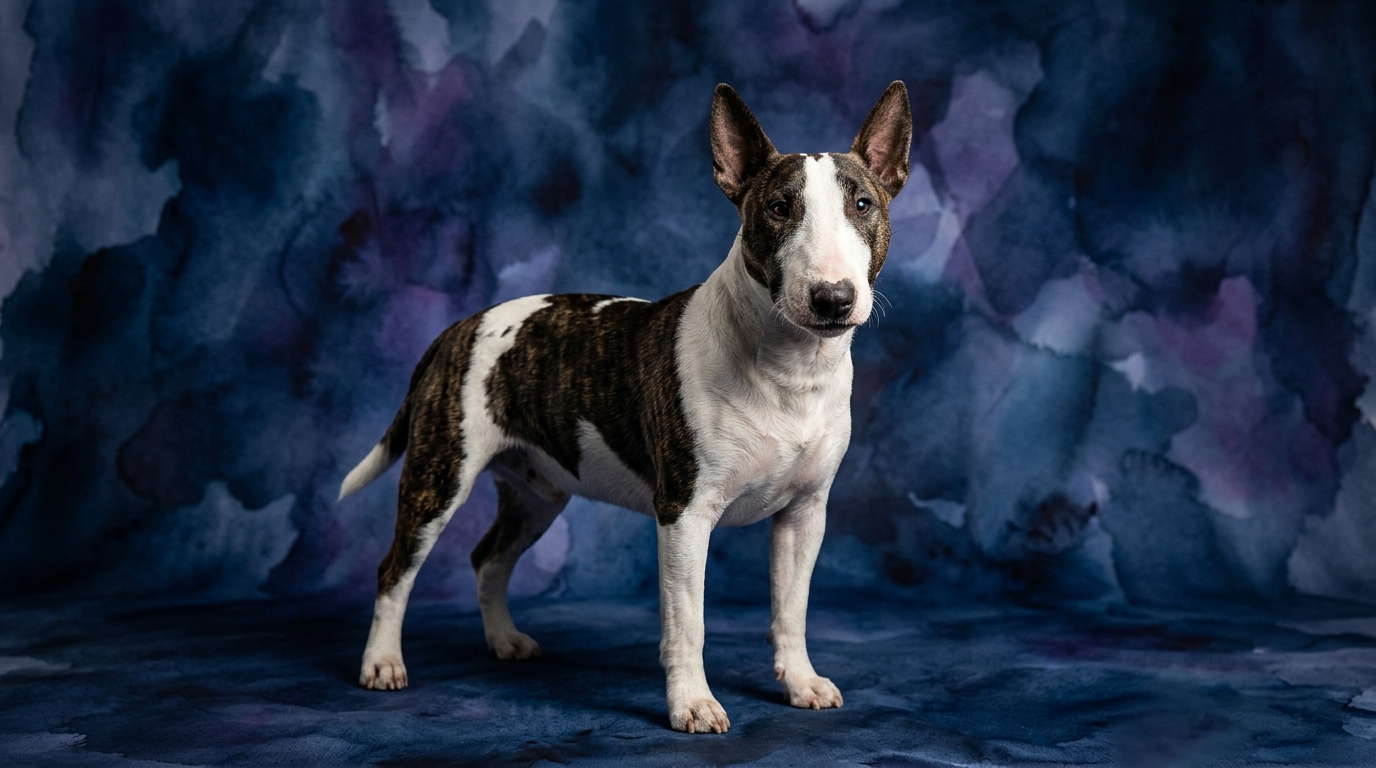
The **Miniature Bull Terrier**, hailing from the Terrier group, exhibits a Problem Solving score of 3/5, often manifesting as a persistent and sometimes mischievous approach to challenges, driven by a strong desire to achieve their goal. Their Training Speed, also 3/5, indicates they can grasp commands at a moderate pace, especially with engaging methods, though their independent streak can pose a hurdle. Social Intelligence at 3/5 means they form deep bonds and show an understanding of household dynamics, while their Instinctive Drive of 3/5 reflects a strong terrier inclination for digging, chasing, and robust play. Finally, their Memory at 3/5 allows them to retain routines and experiences with moderate reliability.
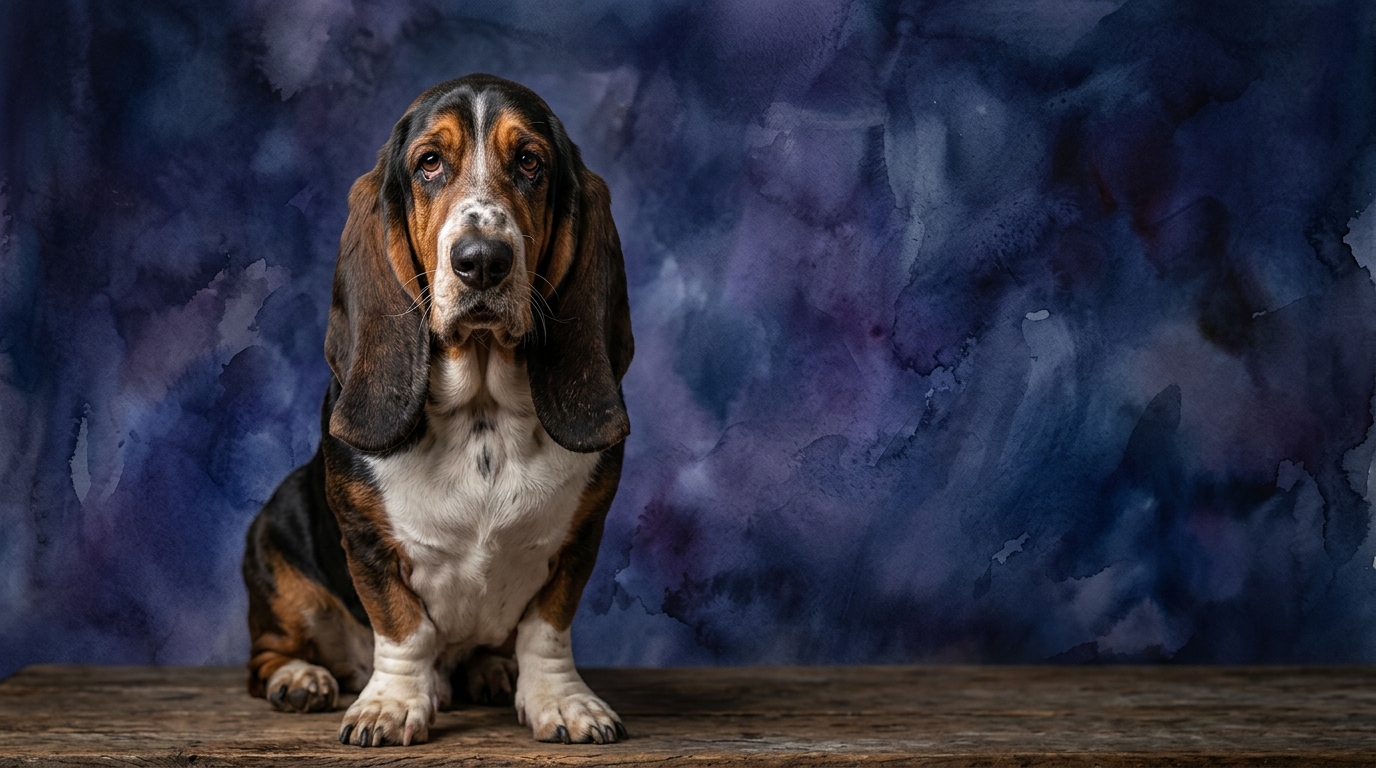
The **Basset Hound**, a member of the Hound group and Coren-ranked #71, also scores 3/5 in Problem Solving, but this is typically expressed through methodical, scent-driven logic, focused on navigating complex olfactory landscapes. Their Training Speed of 3/5 means they learn at a moderate pace, particularly with food motivation, yet their independent nature frequently prioritizes following a compelling scent over immediate obedience. Social Intelligence at 3/5 points to a generally amiable and tolerant disposition, adapting well to various social settings. Their Instinctive Drive, also 3/5, is almost entirely dominated by an exceptionally strong scenting ability, making them single-minded when on a trail. Their Memory, 3/5, is strong for scent trails, familiar locations, and routines associated with comfort or food.
Where the Miniature Bull Terrier Wins Cognitively
Despite identical numerical scores, the Miniature Bull Terrier often demonstrates a distinct cognitive edge in certain interactive scenarios. Their terrier tenacity and desire for engagement translate into a more active, trial-and-error approach to novel problems. They are less likely to be deterred by initial failures and more prone to creatively experimenting with different tactics to achieve a desired outcome, especially if it involves interaction with their human companions. This makes them particularly adept at figuring out how to manipulate objects or situations to get what they want, often with a mischievous flair.
Furthermore, their social intelligence and instinctive drive, when channeled appropriately, make them particularly responsive to interactive games that require understanding rules and anticipating human actions. They thrive on collaborative problem-solving games, showing a spirited interest in working *with* their owner to achieve a shared goal, such as navigating a simple agility course or retrieving a specific toy on command. Their loyalty and desire for attention can also make them more attuned to subtle human body language and vocal tones, giving them an advantage in interpreting complex social signals from their primary caregivers, particularly when seeking approval or understanding boundaries.
Where the Basset Hound Wins Cognitively
The Basset Hound’s cognitive strengths are deeply rooted in its ancestral purpose and unique sensory capabilities. Their unparalleled olfactory system, combined with their instinctive drive, allows them to process and remember scent information with a precision that few breeds can match. Their problem-solving in this domain is exquisite, enabling them to follow faint, aged trails or distinguish specific scents from a multitude of others, a feat of sustained mental effort that highlights their specialized intelligence.
While the Minibull is tenacious in active engagement, the Basset Hound excels in sustained, independent focus, especially when their nose is involved. They can patiently work through a complex scent puzzle for extended periods, undeterred by distractions, showcasing a remarkable cognitive endurance and single-mindedness. This particular form of persistence is a testament to their specialized intelligence. Their social intelligence often manifests as a generally calm and unhurried approach to new places or situations, allowing them to observe and process their surroundings with a quiet confidence rather than reacting impulsively, which can be a distinct cognitive advantage in complex or potentially overwhelming environments.
Which is Easier to Train and Why
Neither breed is typically described as "easy" to train due to their moderate training speed scores and strong breed-specific drives, but their challenges are quite distinct. The Miniature Bull Terrier, with its characteristic terrier tenacity and high energy, requires consistent, firm, but always positive training from an early age. They can be quick to learn if the motivation is strong (often praise, play, or specific treats) and if the trainer can make sessions highly engaging and varied. However, their tendency to test boundaries and their inherent prey drive can make off-leash reliability a significant, ongoing challenge, demanding unwavering consistency.
The Basset Hound’s training difficulties stem primarily from their profound independent nature and an overpowering scent drive. While they are often food motivated, their nose can override any command, making recall particularly difficult if they catch a compelling scent. Training a Basset requires immense patience, unwavering consistency, and a deep understanding that their primary cognitive function is often dedicated to their olfactory world. They are not defiant in the same way a terrier might be; rather, they are simply following their most powerful, ancient instinct. For basic obedience, a Basset can learn, but achieving advanced, precision work consistently is generally harder compared to the Minibull's potential for focused, interactive engagement.
Which Suits Active Owners vs. Relaxed Owners
The **Miniature Bull Terrier** is best suited for active owners who genuinely enjoy engaging in regular physical activity and mental stimulation. Their instinctive drive and problem-solving tenacity mean they thrive on structured play, long walks, puzzle toys, and even dog sports like agility or obedience. Owners who can provide consistent training, ample socialization, and a constructive outlet for their energetic and sometimes mischievous nature will find a rewarding companion. They need an owner prepared for their spirited personality, ready to channel their cognitive strengths into productive, interactive activities.
The **Basset Hound** is a better match for relaxed owners who appreciate a slower pace of life but are still willing to indulge their dog's primary instinct. While not requiring intense physical exertion, Bassets do need daily, moderate walks to satisfy their profound need to explore scents, and a securely fenced yard is absolutely essential due to their wandering potential when on a trail. Their cognitive strengths lie in their ability to process vast amounts of scent information, so owners who enjoy scent games or nose work activities will find an eager participant. They are content with a comfortable routine and a calm household, but their strong will and independent nature mean 'relaxed' doesn't equate to 'hands-off' in terms of consistent management and patient training.
The Verdict
Opt for a Miniature Bull Terrier if you seek an active, engaging companion who thrives on interactive problem-solving and spirited play, and you are prepared to channel their tenacious terrier drive.
Select a Basset Hound if you appreciate a calm, amiable presence and are willing to embrace their profound scent-driven world, providing outlets for their unique olfactory intelligence and independent nature.
🧠 Find Your Pet's IQ Score
Our Pet IQ Lab assessment covers 25+ tests across 5 cognitive dimensions — personalized to your breed.
Take the Full IQ Test →Frequently Asked Questions
Are Miniature Bull Terriers stubborn?
Miniature Bull Terriers can exhibit a strong-willed nature, which some owners interpret as stubbornness. This stems from their terrier heritage, where independence and persistence were key for their original tasks, meaning consistent and positive training is essential to guide their spirited personalities.
Do Basset Hounds require a lot of exercise?
While Basset Hounds don't need intense, high-impact exercise, they do require daily moderate activity, primarily for mental stimulation through scent exploration. Regular walks where they can follow their nose are crucial for their well-being, preventing boredom and potential behavioral issues stemming from pent-up instinctive drive.
Which breed is better with children?
Both breeds can be good with children, but their interactions differ. Miniature Bull Terriers are often playful and energetic, potentially overwhelming very young children with their boisterousness, requiring supervision. Basset Hounds are generally more tolerant and patient, often content to observe or engage in calm interactions, making them a steady presence in a family setting with proper socialization.