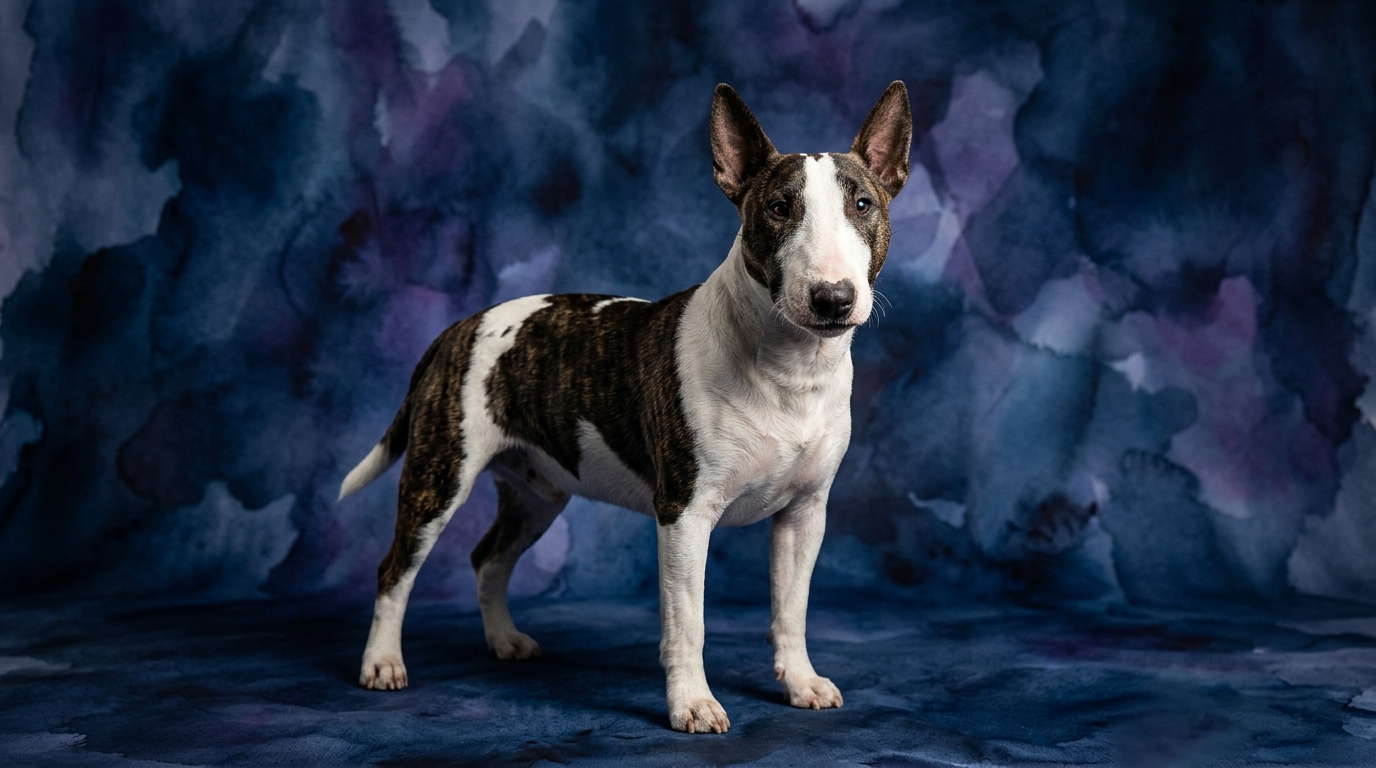
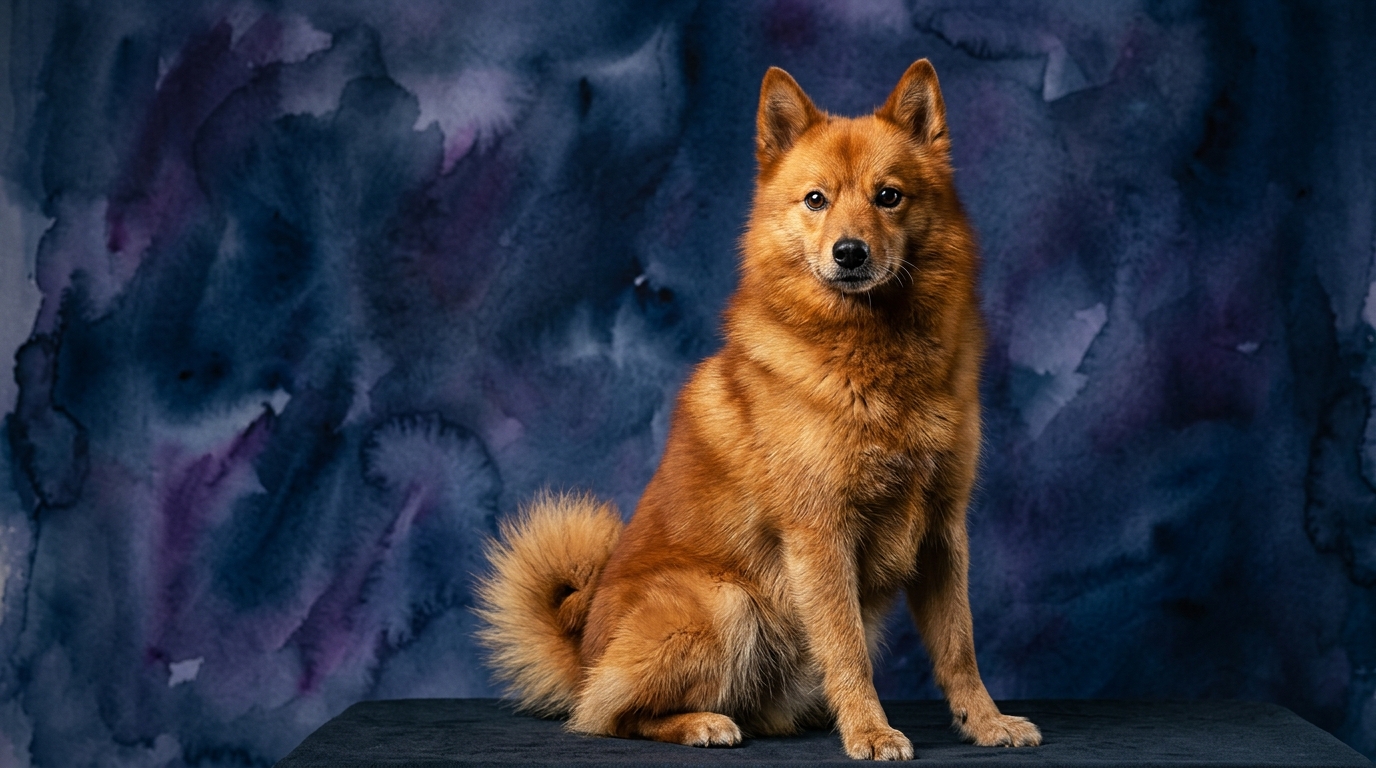
Side-by-Side IQ Profile: Miniature Bull Terrier vs. Finnish Spitz
**Problem Solving (3/5):** For the Miniature Bull Terrier, this score reflects a tenacious and often ingenious approach to challenges. They might not devise multi-step plans, but their sheer persistence and willingness to experiment with various methods, sometimes through determined physical effort, allows them to effectively navigate obstacles or achieve desired outcomes. Their problem-solving is often driven by a strong will and a desire for engagement, leading to determined efforts to acquire a favorite toy or overcome a perceived barrier.
**Problem Solving (3/5):** For the Finnish Spitz, a 3/5 in problem-solving speaks to their ancestral role as an independent hunting dog in dense forests. This means assessing environmental cues, navigating varied terrain, and locating game without direct human guidance. Their cognitive prowess here is less about outsmarting a human and more about practical, real-world resourcefulness in a natural setting, utilizing their senses and instincts to make decisions autonomously and effectively in the field.
**Training Speed (3/5):** A 3/5 for the Miniature Bull Terrier indicates they are capable learners, but their terrier nature introduces a layer of independent thought and occasional stubbornness. They grasp commands and routines, but their willingness to perform might depend on motivation and the perceived value of the task. Training success hinges on consistency, clear communication, and making sessions engaging and rewarding.
**Training Speed (3/5):** The Finnish Spitz also earns a 3/5, reflecting a capacity to learn alongside a distinct streak of independence typical of primitive hunting breeds. While they can learn commands, their inherent drive to make their own decisions in a hunting context means they often weigh commands against their own perceived priorities, especially when strong instincts are engaged. Effective training requires patience, positive reinforcement, and methods that tap into their natural drives.
**Social Intelligence (3/5):** For the Miniature Bull Terrier, a 3/5 suggests they are adept at forming deep bonds with their chosen family and can read their human companions' moods and intentions well. Within their trusted circle, they can be highly attuned and responsive. However, their social interactions outside this circle, especially with strangers or other dogs, might be more reserved or require careful management and socialization.
**Social Intelligence (3/5):** For the Finnish Spitz, a 3/5 signifies a strong connection to their primary human handler and an ability to interpret their cues, crucial for their hunting partnership. They are loyal and affectionate with their family members. Yet, like many independent hunting breeds, they can be aloof or cautious with unfamiliar people and animals, relying more on their own judgment in new social situations rather than seeking universal approval.
**Instinctive Drive (3/5):** This 3/5 score for the Miniature Bull Terrier highlights their strong inherent drives, rooted in their terrier heritage. This includes a notable prey drive, a desire to dig, and a persistent 'gameness' when pursuing a goal. These drives are powerful motivators and can be channeled into appropriate activities like fetch or tug, but if left unmanaged, they can manifest as determined pursuit of squirrels or digging.
**Instinctive Drive (3/5):** A 3/5 for instinctive drive is central to the Finnish Spitz's identity, primarily revolving around their unique vocalization (barking) for hunting and a keen prey drive for birds. This isn't just a general drive; it's a specific, highly refined instinct to locate, 'point' with barks, and track game. This strong intrinsic motivation to bark and hunt is deeply ingrained and requires thoughtful outlets and management.
**Memory (3/5):** With a 3/5 in memory, Miniature Bull Terriers demonstrate a solid capacity to retain commands, routines, and experiences. They remember training cues, household rules, and the location of favorite toys. This strong memory also means they can recall both positive and negative associations, making early positive experiences and consistent training crucial for shaping desirable long-term behaviors.
**Memory (3/5):** A 3/5 in memory is vital for the Finnish Spitz, a breed designed to work independently in expansive natural environments. They recall hunting grounds, the location of game, and established routes. In a home setting, they remember training commands, household schedules, and the boundaries of their territory. Their memory contributes to their ability to function effectively and predictably, whether in the field or in the family home.
Where the Miniature Bull Terrier Wins Cognitively
The Miniature Bull Terrier often demonstrates a cognitive edge in situations requiring sheer tenacity and creative problem-solving within a domestic or structured environment. Their inherent 'gameness' means they will persist with a challenge, be it figuring out how to retrieve a toy stuck under furniture or subtly manipulating a human for attention, often employing a determined, trial-and-error approach until they achieve their goal. This persistence, combined with a quirky ingenuity, allows them to navigate and often 'outwit' their immediate surroundings in ways that might surprise an unsuspecting owner.
Where the Finnish Spitz Wins Cognitively
The Finnish Spitz excels in cognitive domains related to independent environmental assessment and nuanced communication, particularly through their distinctive vocalizations. Their ancestral role as a bird-hunting dog means they possess an exceptional ability to process sensory information from their surroundings, make autonomous decisions in the field, and use a complex repertoire of barks to 'point' game. This isn't just barking; it's a sophisticated form of communication that requires assessing distance, prey type, and urgency, showcasing a highly specialized form of intelligence for their specific working purpose in natural settings.
Which Is Easier to Train and Why?
Despite both breeds scoring 3/5 in training speed, the practical experience of training them diverges significantly due to their behavioral predispositions. The Miniature Bull Terrier's training can be challenging due to their strong-willed nature and occasional selective hearing. They learn quickly when motivated, often by play or food, but their persistence can also apply to unwanted behaviors, requiring a firm, consistent, and engaging approach to prevent them from becoming bored or deciding their own agenda is more interesting. Their terrier 'stubbornness' means a handler must be more persistent and creative than the dog.
The Finnish Spitz, conversely, presents a challenge through their profound independence and deep-seated hunting instincts. While capable of learning, they often prioritize their environment's stimuli (a scent, a sound) over human commands, making them less inherently eager to please and more prone to autonomous decision-making. Training them requires exceptional patience, making sessions highly rewarding and tapping into their natural drives, rather than forcing strict obedience. Neither is 'easier' in a universal sense; rather, they demand different training philosophies to navigate their unique cognitive manifestations.
Which Suits Active Owners vs. Relaxed Owners?
When considering lifestyle, the Finnish Spitz unequivocally leans towards active owners. Their strong hunting drives, vocal nature, and need for significant physical and mental stimulation mean they thrive in environments where they can engage in outdoor activities, explore safely, and have outlets for their natural instincts. A relaxed owner who cannot provide consistent exercise, mental challenges, and understanding of their barking tendencies would likely find themselves overwhelmed.
The Miniature Bull Terrier also benefits from active engagement, though their activity might manifest differently. While they enjoy vigorous play and walks, their need is more about consistent mental stimulation and structured interaction to prevent boredom and channel their tenacious energy. They can adapt to various living situations, but require an owner who is actively involved in their daily life, providing training, games, and companionship, rather than just physical exercise. A truly 'relaxed' owner who expects a low-maintenance, self-entertaining dog would struggle with either breed, but especially with the high-instinct Finnish Spitz.
The Verdict
Choose a Miniature Bull Terrier if you seek a devoted, characterful companion with a tenacious spirit and a quirky sense of humor, and you are prepared to provide consistent, engaging training and mental stimulation to channel their intelligent willfulness.
Opt for a Finnish Spitz if you are an active individual who appreciates a highly independent, vocal, and instinct-driven companion, ready to provide ample outdoor exploration and outlets for their natural hunting talents.
🧠 Find Your Pet's IQ Score
Our Pet IQ Lab assessment covers 25+ tests across 5 cognitive dimensions — personalized to your breed.
Take the Full IQ Test →Frequently Asked Questions
Do Miniature Bull Terriers bark a lot?
Miniature Bull Terriers are not typically considered excessive barkers compared to some breeds, but they will bark to alert, express excitement, or when bored. Their vocalizations are often more varied, including grumbles and and 'woo-woos,' rather than constant, sustained barking. Consistent training and mental engagement can help manage any unwanted vocal habits.
Is the Finnish Spitz a good family dog?
The Finnish Spitz can be a very loyal and affectionate family dog, especially with children they have grown up with, forming deep bonds with their immediate human family. However, their independent nature and reserved approach to strangers mean they require early and consistent socialization to ensure they are comfortable and well-adjusted in various family and social settings. Their vocal tendencies also need to be understood by the family.
How do Miniature Bull Terrier and Finnish Spitz compare in terms of house-training difficulty?
Both breeds, with their 3/5 memory and problem-solving, are capable of being reliably house-trained with consistency and proper methods. The Miniature Bull Terrier's tenacity might mean they try to push boundaries, requiring firm routine. The Finnish Spitz's independence might lead to occasional 'accidents' if their outdoor needs aren't met promptly, but generally, neither presents unusual difficulty beyond standard puppy training.