Side-by-Side IQ Profile: Unpacking the 3/5 Score
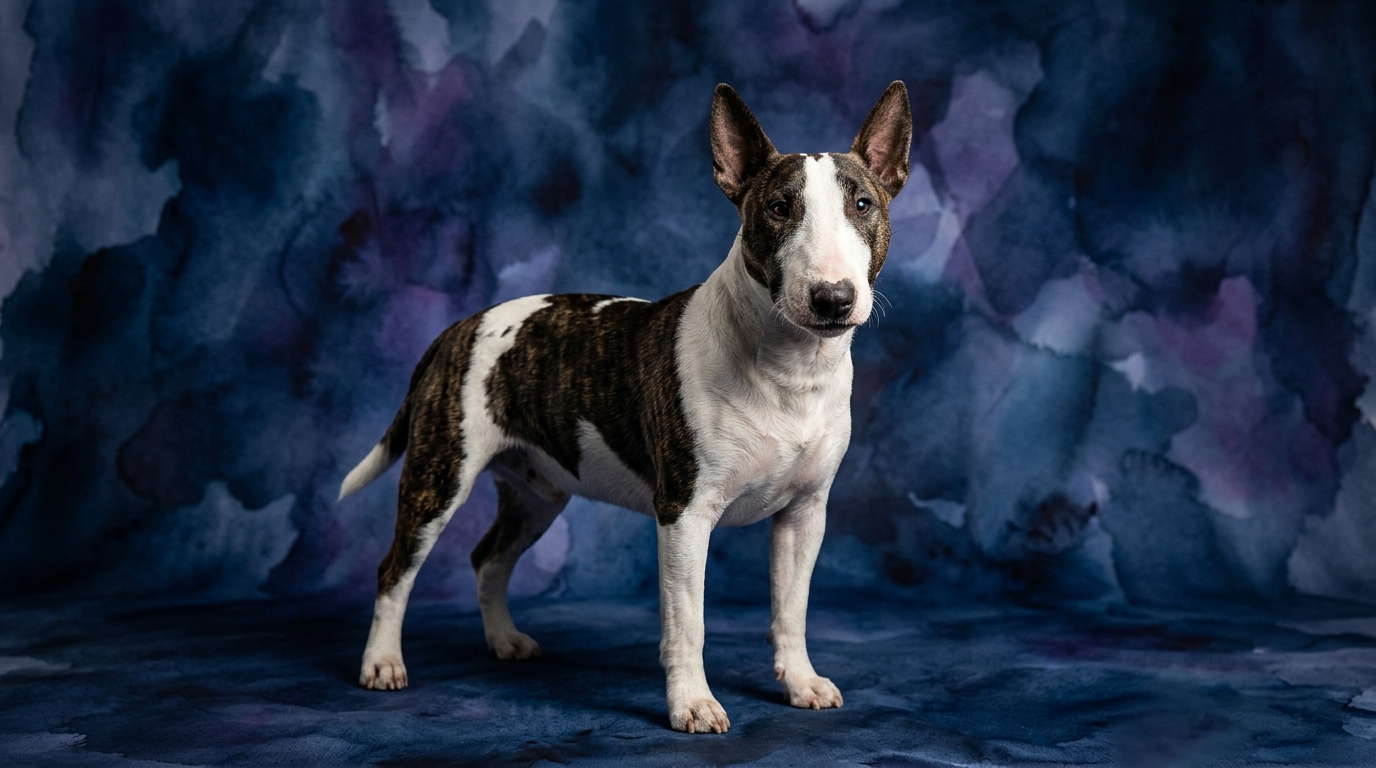
**Miniature Bull Terrier:** This breed approaches cognitive tasks with a distinctive blend of tenacity and independent spirit. Their **Problem Solving (3/5)** often manifests as a resourceful, sometimes headstrong, pursuit of a goal, employing unconventional methods to achieve desires like opening cabinets or getting attention. Their problem-solving typically involves robust, physical engagement with their environment. **Training Speed (3/5)** is within their grasp, but their independent terrier nature demands consistent, positive reinforcement and a patient handler. They can test boundaries and require engaging, clear training sessions to maintain focus and generalize behaviors. For **Social Intelligence (3/5)**, Miniature Bull Terriers form deep, loyal bonds with their immediate family, demonstrating an astute awareness of household dynamics. However, they can be reserved or wary with strangers and other animals without extensive, early socialization. Their **Instinctive Drive (3/5)**, true to their heritage, includes a moderate drive for digging, chasing, and investigating, necessitating appropriate outlets like structured play or scent work. Finally, their **Memory (3/5)** is solid for routines, commands, and environmental layouts, readily recalling both positive and negative experiences, which underscores the importance of consistent, positive interactions.
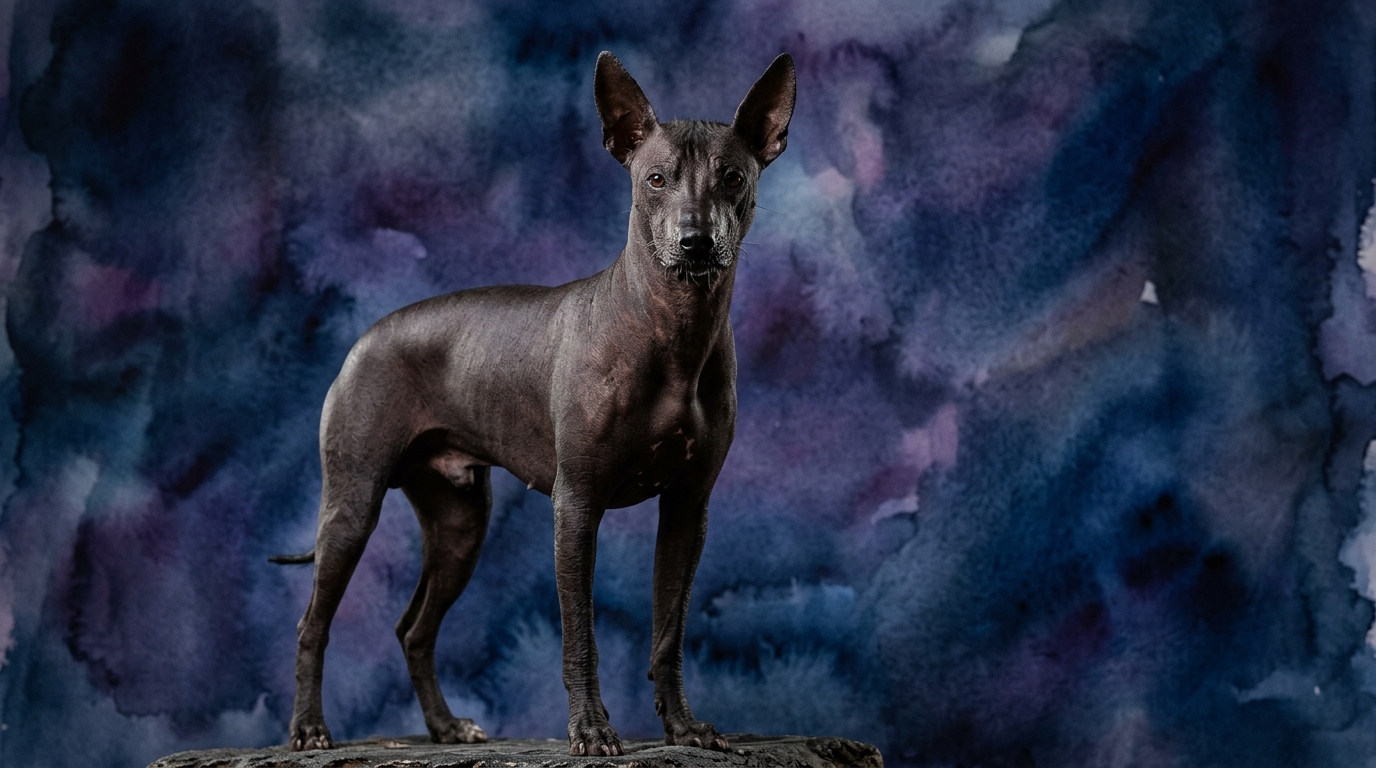
**Xoloitzcuintli:** This ancient breed exhibits a unique cognitive style marked by sensitivity and observation. Their **Problem Solving (3/5)** often displays as quiet, perceptive assessment, finding comfortable or secure spots, or subtly navigating social situations. Their adaptability allows them to smoothly adjust to new environments, often preferring to outsmart a challenge rather than confront it directly. Regarding **Training Speed (3/5)**, Xolos can learn commands remarkably quickly when training employs gentle, positive reinforcement. Their sensitive nature means they respond strongly to their owner's tone and body language, thriving in environments free from harsh corrections. Their **Social Intelligence (3/5)** is profound; often called 'velcro dogs,' they form intense bonds with family, possessing a keen ability to read human emotions and offer comfort. While deeply affectionate with their inner circle, they are typically aloof and wary of strangers. The Xoloitzcuintli's **Instinctive Drive (3/5)** includes natural guarding instincts, making them alert and watchful. While their prey drive is generally less pronounced than terriers, they enjoy exploring, often exhibiting a natural curiosity and a penchant for climbing to high vantage points. Their **Memory (3/5)** is excellent for long-term retention of training, routines, and experiences, making positive early experiences and consistent, kind reinforcement vital for their development.
Where Miniature Bull Terrier Wins Cognitively
While both breeds score identically, the Miniature Bull Terrier's cognitive strengths shine in areas demanding robust determination and a certain playful defiance. Their problem-solving, rated 3/5, often manifests as a tenacious pursuit of a goal, even if it requires multiple attempts or a creative, sometimes mischievous, approach to overcome an obstacle. For an owner who appreciates a dog that truly thinks for itself and isn't easily deterred by initial failure, this breed's cognitive resilience and willingness to experiment with solutions can be particularly rewarding. Their instinctive drive, also 3/5, translates into a boundless enthusiasm for interactive play and a robust engagement with the physical world, making them adept at tasks requiring sustained physical and mental effort, like complex scent games or agility courses where their stubbornness can be channeled into focused determination.
Where Xoloitzcuintli Wins Cognitively
The Xoloitzcuintli's cognitive advantages, despite identical scores, lie in their nuanced social intelligence and sensitive observational skills. Their 3/5 social intelligence allows them to be remarkably attuned to their family's emotional states, often preempting needs or offering quiet comfort without overt cues. This deep empathetic connection fosters a profound understanding of household dynamics that can surpass mere command-following. Furthermore, their problem-solving, also 3/5, often involves a more refined, less confrontational approach; they might observe a situation and deduce the most efficient or least disruptive path to their goal, demonstrating a quiet cleverness. This subtle cognitive style makes them exceptional at adapting to new environments with minimal fuss and excelling in tasks that require careful observation rather than brute force.
Which is Easier to Train and Why
Both breeds are assessed with a 3/5 for training speed, yet the *approach* to training differs significantly, influencing perceived ease. The Xoloitzcuintli, with its heightened social intelligence and sensitive nature, tends to be more receptive to positive reinforcement and gentle guidance. They form strong bonds and generally possess a strong desire to please their primary caregiver, which can make them quick learners when handled with patience and kindness. Harsh corrections are counterproductive, leading to withdrawal or anxiety, but a consistent, reward-based system often yields rapid progress. Conversely, the Miniature Bull Terrier's independent streak and innate terrier tenacity, while part of their charm, can make training a more challenging endeavor. They are capable of learning, but their occasional stubbornness means they require a handler who is both consistent and creative, willing to make training engaging and fun, and prepared for boundary-testing. They may require more repetition and varied motivation to solidify commands, making the Xoloitzcuintli generally perceived as 'easier' for owners who favor gentle, bond-based training.
Which Suits Active Owners vs Relaxed Owners
When considering lifestyle compatibility, the cognitive and behavioral profiles of these breeds diverge. The Miniature Bull Terrier, with its robust instinctive drive and problem-solving tenacity, is an ideal match for active owners. They thrive on structured physical exercise, engaging play, and mental challenges that channel their energy and intelligence. Owners who enjoy long walks, interactive games, agility, or obedience training will find a spirited partner in the Mini Bull, as their 3/5 instinctive drive demands outlets to prevent boredom and potential mischievousness. In contrast, the Xoloitzcuintli, while enjoying daily walks and playtime, is often more content with a balance of activity and quiet companionship. Their profound social intelligence means they are deeply fulfilled by close proximity to their family, making them excellent companions for relaxed owners who appreciate a devoted, calm presence. They are not necessarily couch potatoes, but their need for intense physical exertion is generally lower than the Mini Bull's, making them suitable for those seeking a loyal confidant who is equally happy on a hike or curled up beside them.
The Verdict
Choose the Miniature Bull Terrier if you seek a spirited, tenacious, and robust companion who thrives on engaging mental and physical challenges, and you appreciate a dog with a strong, independent personality.
Opt for the Xoloitzcuintli if you desire a deeply devoted, sensitive, and calm companion who excels in nuanced social interaction, and you are prepared to nurture a profound bond with gentle, consistent guidance.
🧠 Find Your Pet's IQ Score
Our Pet IQ Lab assessment covers 25+ tests across 5 cognitive dimensions — personalized to your breed.
Take the Full IQ Test →Frequently Asked Questions
Do Miniature Bull Terriers and Xoloitzcuintlis have similar exercise requirements?
No, despite similar IQ scores, their exercise needs differ. Miniature Bull Terriers generally require more vigorous physical activity and mental stimulation to channel their terrier energy and problem-solving drive. Xoloitzcuintlis enjoy daily walks and play, but are often content with a calmer indoor presence, thriving on close companionship rather than constant high-intensity activity.
Are Miniature Bull Terriers or Xoloitzcuintlis better with children?
Both breeds can be good with children with proper socialization and training, but their approaches differ. Miniature Bull Terriers are often playful and robust, requiring supervision to ensure their boisterous nature doesn't overwhelm smaller children. Xoloitzcuintlis are typically more reserved and sensitive, forming deep bonds with their family but preferring a calmer, more predictable environment, and may be wary of boisterous strangers or unfamiliar children.
How do their grooming needs compare, given their cognitive profiles?
Their grooming needs are quite different, though not directly linked to IQ. Miniature Bull Terriers have short, dense coats requiring minimal grooming, but their active nature might mean more baths if they get dirty. Hairless Xoloitzcuintlis require specialized skin care like moisturizing and sun protection, while coated Xolos have minimal needs; neither demands extensive brushing, allowing more time for cognitive engagement.