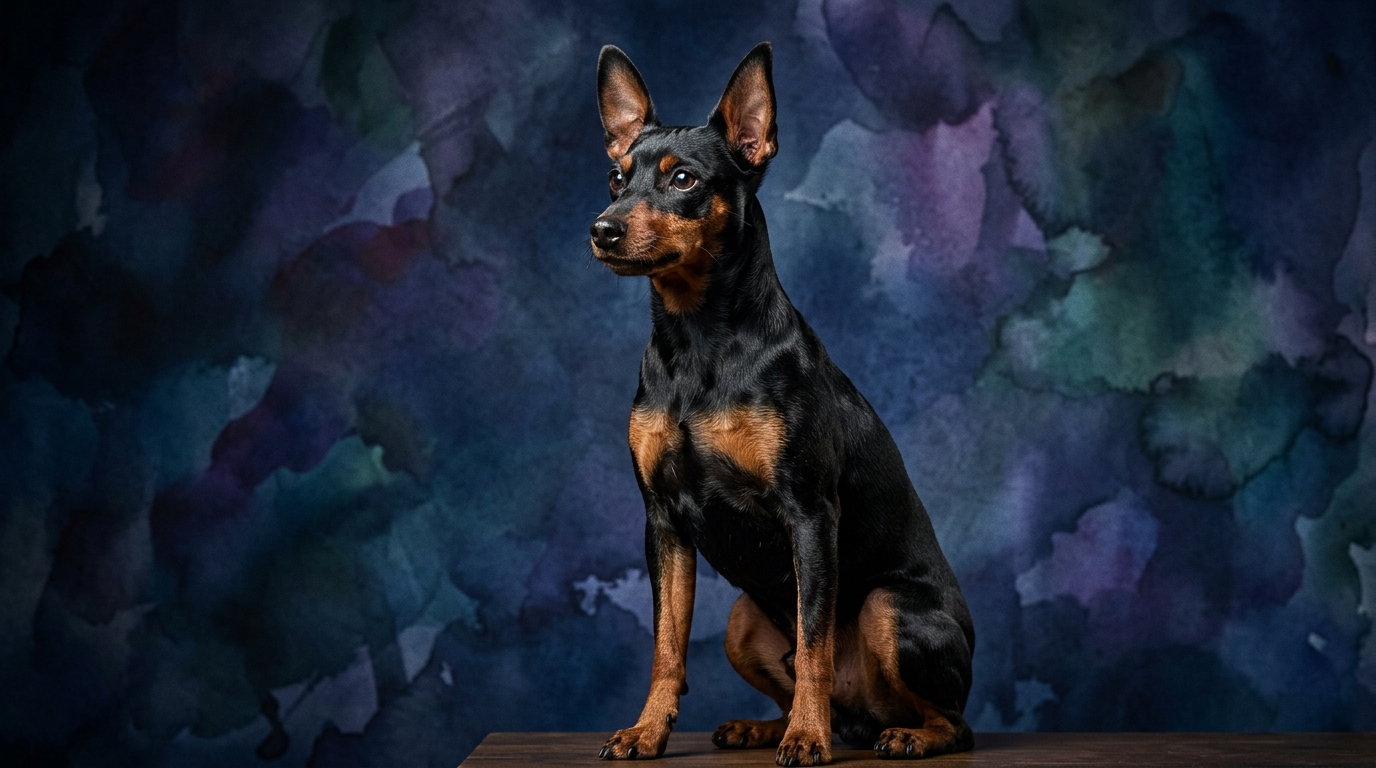
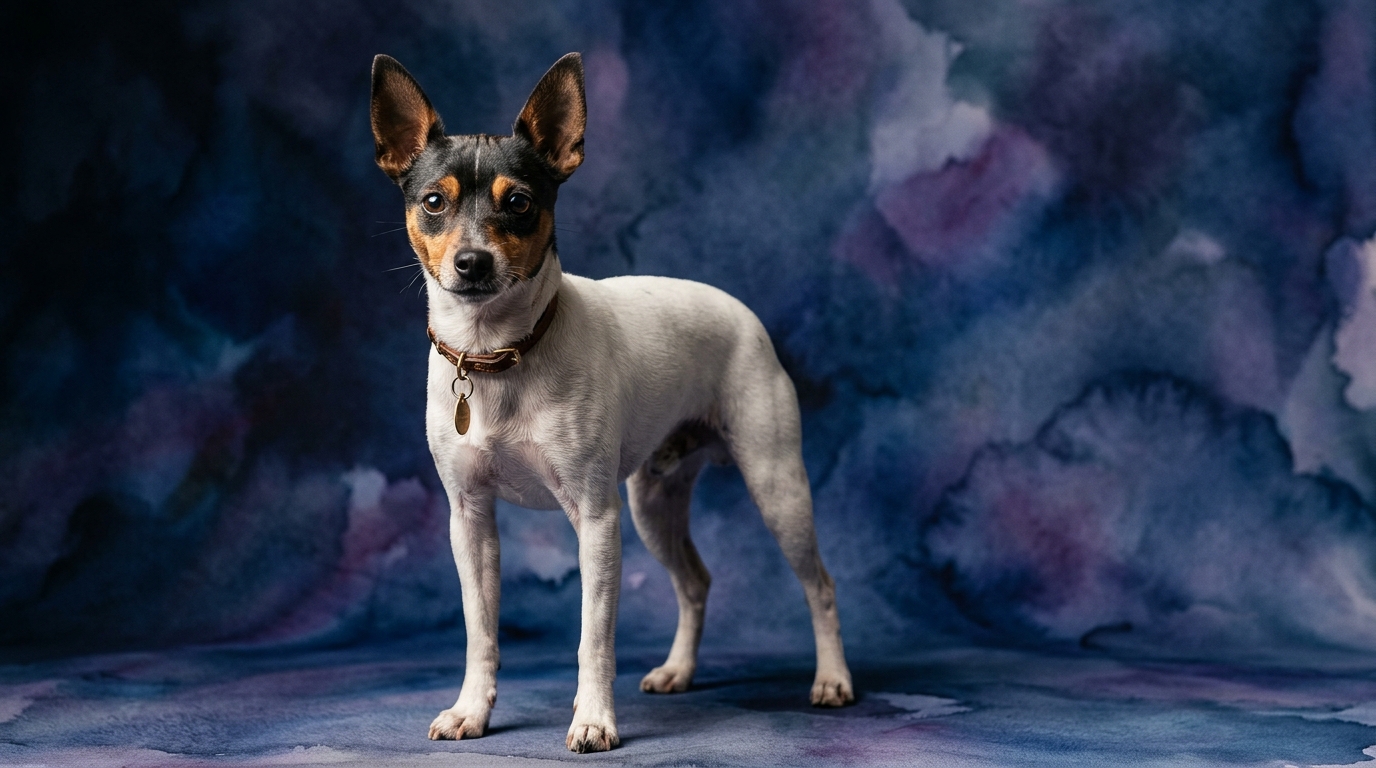
Side-by-Side IQ Profile: Miniature Pinscher vs. Toy Fox Terrier
The Cosmic Pet Pet IQ Lab assigns both the Miniature Pinscher and the Toy Fox Terrier a score of 3/5 across all five cognitive dimensions, indicating a solid, mid-range capacity for learning and adaptation. However, these identical scores don't tell the full story of their unique mental landscapes; it's in the application of these abilities where their individual personalities truly shine.
**Miniature Pinscher Cognitive Profile (Each 3/5):** The Miniature Pinscher exhibits a resourceful approach to challenges, often driven by their independent nature and desire for comfort or attention. They might methodically try various approaches to open a cabinet or manipulate a situation to their advantage, demonstrating a persistent, sometimes cunning, intellect. Min Pins possess the capacity to learn new commands and routines at a moderate pace, though their independent spirit and occasional stubbornness mean that consistent, engaging, and reward-based methods are crucial to maintain their focus and cooperation. A Min Pin reads their immediate family's emotional cues with fair accuracy, often adjusting their behavior to seek comfort or play, yet their inherent wariness of strangers means their social navigation outside their inner circle can be cautious and discerning. This breed retains a strong prey drive, reflecting their historical role as ratters, manifesting in keen observation of small movements and a propensity to chase; they also exhibit a notable territorial instinct, often acting as diligent, vocal guardians of their home. Miniature Pinschers demonstrate a solid memory for routines, learned commands, and significant past experiences, both positive and negative, recalling the sequence of daily events and remembering specific interactions that influence their future responses.
**Toy Fox Terrier Cognitive Profile (Each 3/5):** The Toy Fox Terrier approaches problem-solving with quick wit and adaptability, often employing agility and speed to overcome obstacles. Their solutions might be less about brute persistence and more about finding the most efficient, often physical, path to their goal, particularly if it involves a toy or a chase. Toy Fox Terriers generally pick up new tasks and commands with enthusiasm, eager to engage in interactive learning sessions; while quick to grasp concepts, their energetic nature and susceptibility to environmental distractions mean that training benefits greatly from short, varied sessions that hold their focus. TFTs are typically quite attuned to their human companions' moods and intentions, often initiating play or seeking interaction at opportune moments, and tend to be more openly friendly with new people than Min Pins, though they still possess a discerning quality in their social engagements. This breed showcases a pronounced terrier drive, encompassing a strong prey instinct for small animals and a desire for engaging, active tasks, with their drive often manifesting as a readiness for action and a focused intensity when presented with a “job” or a game of fetch. Toy Fox Terriers exhibit a reliable memory for learned behaviors, play patterns, and the location of favored items or people, remembering complex sequences in games or agility courses and retaining associations with specific cues or environmental triggers.
Where Miniature Pinscher Wins Cognitively
Despite identical scores, the Miniature Pinscher's cognitive strengths often shine in scenarios demanding a certain independent resourcefulness and a strong sense of self-preservation. Their problem-solving (3/5) can be particularly effective when it to comes to navigating complex domestic environments to secure a favored spot or item, often displaying a calculated persistence to achieve their objective. This isn't about speed, but about a determined, sometimes stubborn, application of their intellect to outmaneuver perceived restrictions. Furthermore, their memory (3/5) for specific past interactions and boundaries (or lack thereof) means they are adept at exploiting inconsistencies, which, while challenging for owners, is a testament to their cognitive recall and adaptive strategy.
Where Toy Fox Terrier Wins Cognitively
The Toy Fox Terrier's cognitive advantages, while also scoring 3/5, often manifest in agility, quick assessment, and responsive engagement. Their problem-solving (3/5) is frequently observed in dynamic situations, such as figuring out how to retrieve a toy from an unusual location using their body and wits, or quickly adapting to changes in an agility course. This breed’s social intelligence (3/5) also provides a slight edge in interactive play and activities that require reading immediate cues and responding with enthusiasm, making them exceptionally engaging partners in games or training exercises that demand a rapid back-and-forth. Their instinctive drive (3/5) is channeled into focused, task-oriented play with a terrier's intensity.
Which Is Easier to Train and Why
Evaluating ease of training between these two breeds requires looking beyond the identical 3/5 training speed score and considering their inherent behavioral tendencies. The Toy Fox Terrier generally presents as the more overtly “trainable” option for many owners due to their eager-to-please nature and high motivation for interactive play. They typically enjoy the process of learning new tricks and commands, and their quick grasp of concepts makes initial training sessions feel rewarding. However, their strong prey drive and easily distracted nature mean that maintaining focus in stimulating environments requires consistent effort and engaging methods.
In contrast, the Miniature Pinscher, while capable of learning at the same speed, often presents a greater challenge due to their independent and sometimes stubborn disposition. They are not always motivated by pleasing their owner; instead, they weigh the value of the reward against their own desires, requiring a trainer who is patient, consistent, and creative in making training sessions more appealing than their personal agenda. Their territorial instincts can also make socialization and impulse control training more demanding.
Which Suits Active Owners vs. Relaxed Owners
For active owners seeking a companion to share in various pursuits, the Toy Fox Terrier often aligns more naturally with a dynamic lifestyle. Their innate energy, agility, and enthusiasm for structured activities like fetch, agility, or even scent work make them excellent partners for owners who enjoy regular, engaging outings. They thrive on mental and physical challenges that allow them to utilize their terrier drive, making them less suitable for purely sedentary companionship.
The Miniature Pinscher, while also possessing considerable energy, can adapt more readily to a somewhat more relaxed owner, provided they receive consistent daily exercise and mental stimulation. While they enjoy vigorous play, they are also quite content to cuddle on a lap after their needs are met, making them a good fit for owners who enjoy both activity and quieter indoor companionship. Their independent streak means they can entertain themselves to a degree, but their need for leadership and engagement remains.
The Verdict
Choose the Miniature Pinscher if you appreciate a dog with a strong, independent personality and are prepared to engage with their intelligent, sometimes stubborn, approach to life, offering consistent guidance and affection.
Opt for the Toy Fox Terrier if you seek an enthusiastic, agile companion eager for interactive play and structured activities, thriving on a partnership that channels their terrier energy into engaging tasks.
🧠 Find Your Pet's IQ Score
Our Pet IQ Lab assessment covers 25+ tests across 5 cognitive dimensions — personalized to your breed.
Take the Full IQ Test →Frequently Asked Questions
Do Miniature Pinschers and Toy Fox Terriers excel in similar types of activities?
While both are energetic toy breeds, their strengths can differ. Miniature Pinschers might lean into activities that leverage their independent problem-solving, like scent games or navigating complex environments, while Toy Fox Terriers often shine in agility, obedience, and interactive games that capitalize on their quick reflexes and eagerness to engage.
How does the 'social intelligence' score manifest differently in these breeds?
Both score 3/5, but a Min Pin's social intelligence often involves astute observation of their inner circle and a cautious approach to strangers. A Toy Fox Terrier typically uses their social intelligence for more open, enthusiastic interaction with familiar people, readily engaging in play and responding to cues, though they also discern new acquaintances.
Given their similar 'instinctive drive' scores, are their prey drives the same?
Both breeds possess a notable prey drive (3/5), but its manifestation can vary. The Min Pin's drive is often paired with territoriality, leading to vigilant guarding. The Toy Fox Terrier's drive is typically channeled into a focused intensity for tracking, chasing, and engaging with toys or tasks that simulate hunting, reflecting their active terrier heritage.