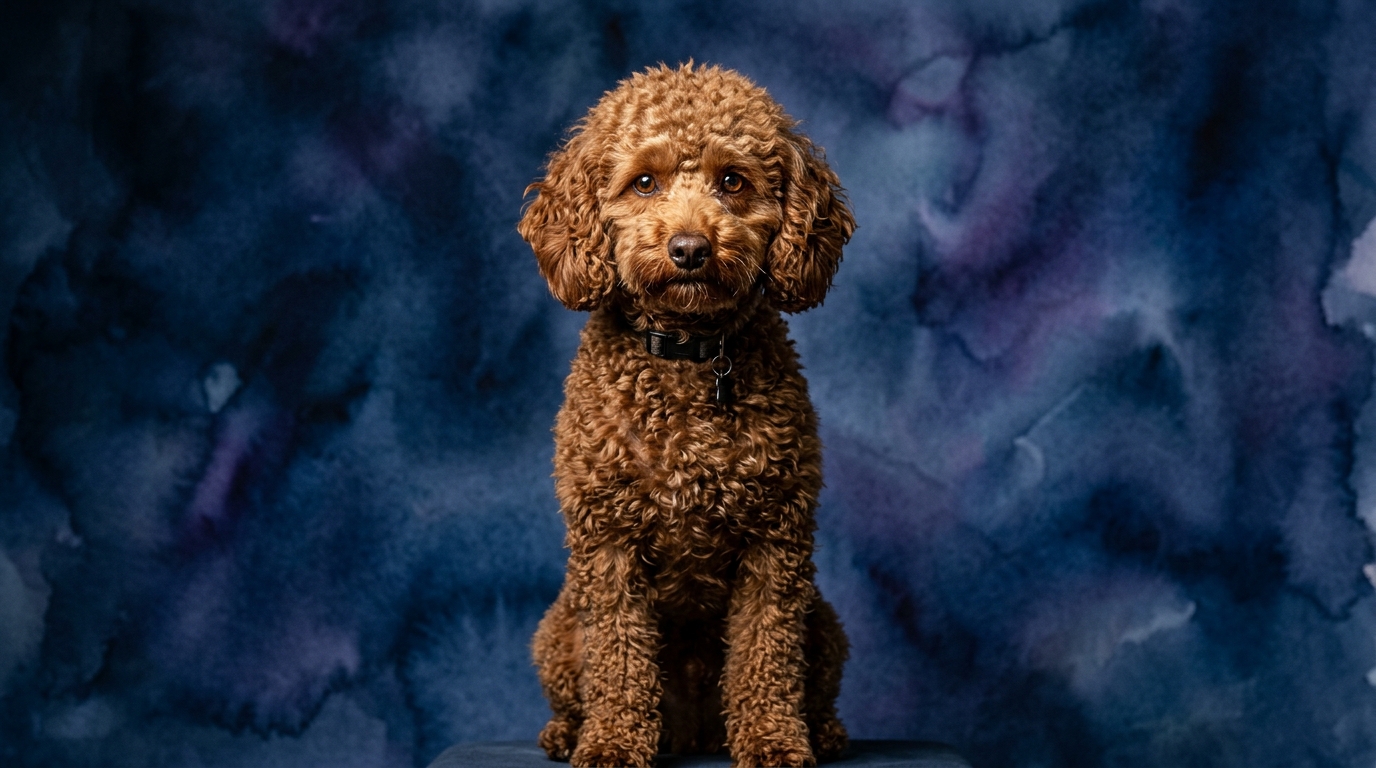
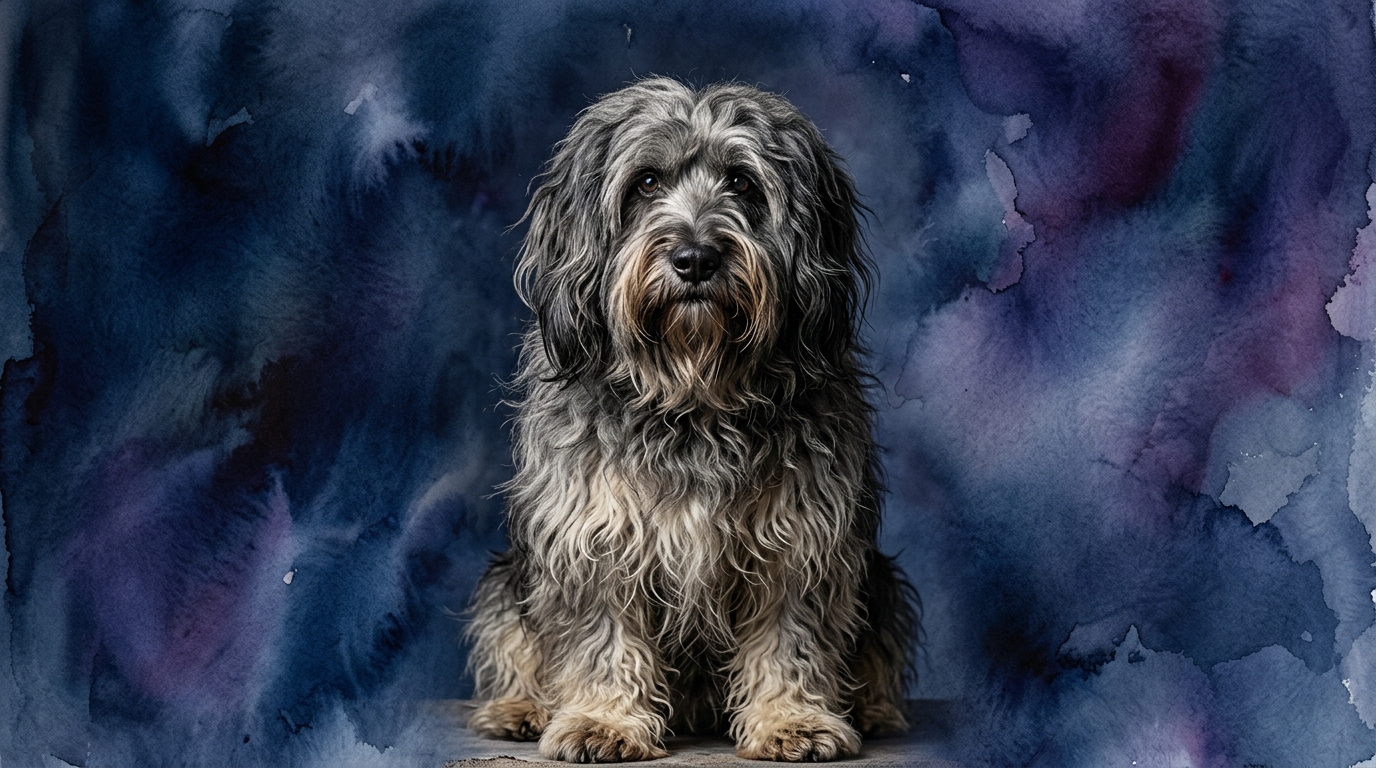
Side-by-Side Cognitive Profiles: The Cosmic Pet Pet IQ Lab Analysis
The Cosmic Pet Pet IQ Lab provides a unique lens through which to compare canine cognitive abilities across five critical dimensions. For the Miniature Poodle, its Coren rank of #2 immediately signals a breed with a pronounced capacity for learning and adaptation. Its Problem Solving score of 5/5 indicates an exceptional ability to navigate complex situations, devise strategies, and understand cause-and-effect relationships quickly. This breed processes information rapidly, often figuring out new tasks with minimal guidance. Its Training Speed, also a perfect 5/5, reflects an eagerness to absorb commands and routines, making them highly responsive to instruction. Social Intelligence at 3/5 suggests a solid understanding of human cues and emotional states, allowing for effective communication, though perhaps not with the profound intuitive grasp seen in some deeply empathetic breeds. An Instinctive Drive of 3/5 points to a balanced set of innate behaviors, with their original water retrieving instincts now often generalized into a versatile drive for engagement. Finally, a Memory score of 5/5 means the Miniature Poodle retains learned behaviors, commands, and experiences with remarkable tenacity over extended periods.
In contrast, the Polish Lowland Sheepdog, while not Coren-ranked, presents a profile rooted in its demanding herding heritage. Its Problem Solving score of 3/5 reveals a practical, rather than abstract, approach to challenges. These dogs are adept at figuring out solutions to real-world tasks, such as managing livestock or navigating familiar environments, but may require more time or trial-and-error for novel, abstract puzzles. A Training Speed of 3/5 signifies that they are certainly trainable, but they require consistent, patient, and engaging instruction; they learn steadily rather than instantaneously. Their Social Intelligence, also 3/5, indicates they understand human intentions and moods, but their historical role of independent livestock management might lead them to interpret cues through a more self-reliant lens. The Instinctive Drive of 3/5 is distinctly tied to their herding origins, manifesting as a watchful, territorial nature and a desire to gather or manage, but not to an overwhelming degree. Their Memory score of 3/5 suggests a reliable capacity to recall learned tasks and routines, though perhaps requiring more consistent reinforcement than a breed with a higher score to maintain proficiency.
Where the Miniature Poodle Outshines Cognitively
The Miniature Poodle's cognitive strengths are most evident in its unparalleled capacity for rapid acquisition and complex application of knowledge. Its 5/5 Problem Solving and Training Speed scores translate directly into an ability to master intricate obedience routines, advanced agility courses, and multi-step tricks with astounding efficiency. For instance, a Poodle can quickly learn to differentiate between numerous objects by name, string together a sequence of actions on command, or even perform tasks requiring abstract thought, such as opening various types of latches. Their superior memory means that once a concept is grasped, it's rarely forgotten, allowing for a vast repertoire of learned behaviors to be maintained without constant refreshing. This cognitive nimbleness makes them exceptional candidates for roles demanding precise execution and quick adaptation, from competitive dog sports to service dog work where understanding novel commands and situations is paramount. They thrive on the mental gymnastics involved in learning new things, often anticipating their handler's next move or figuring out a new puzzle without explicit instruction.
Where the Polish Lowland Sheepdog Demonstrates Unique Strengths
While the Polish Lowland Sheepdog's scores may not reach the Poodle's peak in every dimension, its cognitive profile reflects a robust, practical intelligence honed by centuries of independent herding work. Its 3/5 Problem Solving score, when viewed through the lens of its heritage, signifies a dog capable of making sound, autonomous decisions in dynamic, real-world scenarios. A PLS might not solve a complex puzzle box as quickly as a Poodle, but it excels at tasks requiring sustained focus, situational awareness, and independent judgment—like effectively managing a flock of sheep or alerting its family to unusual activity. Its instinctive drive for vigilance and protection, while rated 3/5, is a specific cognitive strength allowing it to consistently monitor its environment and act appropriately without constant human direction. This breed's memory, though 3/5, is reliable for retaining crucial routines and recognizing familiar faces or territories, providing a steady, dependable presence. The PLS’s intelligence is less about flashy tricks and more about enduring, purposeful application, exhibiting a steadfast resolve in its duties that is a hallmark of its working background.
Training Dynamics: Poodle's Zest vs. PLS's Steadiness
When it comes to ease of training, the Miniature Poodle holds a distinct advantage due to its perfect 5/5 Training Speed and 5/5 Memory. Poodles often pick up new cues after just a few repetitions, displaying an almost uncanny ability to associate words or gestures with specific actions. Their eagerness to please, combined with their sharp cognitive faculties, means they actively seek to understand and comply, making advanced obedience and specialized task training a fluid process. Behavioral differences include their quick generalization of learned concepts; if they learn 'sit' in the living room, they'll likely perform it in the park without extensive re-teaching. This rapid absorption means fewer frustrating repetitions for the owner and a dog that quickly builds a vast behavioral repertoire.
The Polish Lowland Sheepdog, with its 3/5 Training Speed and 3/5 Memory, requires a different training approach. While perfectly capable of learning, they are not as instantaneous in their grasp and may require more consistent, patient, and engaging methods. Their herding background imbues them with a degree of independence, meaning they might occasionally question a command or attempt to solve a problem their own way rather than blindly follow. Real behavioral differences include a need for varied training environments and methods to maintain engagement, as well as more frequent reinforcement to solidify learned behaviors. Owners must understand that the PLS is not stubborn, but rather a thoughtful participant in the training process, responding best to clear, fair, and stimulating instruction that respects their inherent self-reliance.
Matching Breeds to Lifestyles: Active vs. Relaxed Owners
For active owners who relish mental engagement and structured activities, both breeds offer rewarding companionship, albeit in different ways. The Miniature Poodle, with its 5/5 problem-solving and training speed, thrives on constant cognitive stimulation. Owners who enjoy teaching complex tricks, participating in dog sports like agility or rally obedience, or even exploring canine freestyle will find a Poodle to be an enthusiastic and adept partner. Their boundless mental energy means they require outlets beyond just physical exercise; they need to 'think' to be truly content. An owner who enjoys a dynamic, interactive relationship centered around learning and accomplishment will find the Miniature Poodle an ideal match.
The Polish Lowland Sheepdog also suits active owners, but those whose activity preferences lean towards purposeful, consistent routines. While they don't necessarily demand the same level of novel cognitive challenges as a Poodle, their instinctive drive means they appreciate tasks that tap into their herding heritage, such as long, structured walks, scent work, or even urban herding activities. They require consistent engagement and boundaries to prevent their independent nature from leading to undesired behaviors. For owners who are dedicated to providing a clear routine, consistent training, and opportunities for their dog to have a 'job,' the PLS offers a steadfast and rewarding partnership. Neither breed is particularly well-suited for truly 'relaxed' owners who offer minimal interaction or mental stimulation, as both possess working dog temperaments that need appropriate outlets to prevent boredom or frustration.
The Verdict
Choose the Miniature Poodle if you seek a highly adaptable, quick-thinking companion eager for complex learning, excelling in dog sports, or performing intricate service tasks with remarkable speed and memory.
Opt for the Polish Lowland Sheepdog if you value a steadfast, independent-minded companion with practical intelligence, appreciating a watchful family member who thrives on purposeful, consistent activities and a clear routine.
🧠 Find Your Pet's IQ Score
Our Pet IQ Lab assessment covers 25+ tests across 5 cognitive dimensions — personalized to your breed.
Take the Full IQ Test →Frequently Asked Questions
How does the Miniature Poodle's high Coren rank impact its daily life?
The Miniature Poodle's Coren rank of #2 reflects its exceptional ability to learn and understand new commands quickly, making it highly adaptable to various living situations and training challenges. This cognitive capacity means they thrive on mental stimulation and can become bored or mischievous if not adequately engaged, requiring owners to provide consistent mental exercise.
Is the Polish Lowland Sheepdog's 3/5 problem-solving score a disadvantage?
Not necessarily. The Polish Lowland Sheepdog's 3/5 problem-solving score signifies a practical, task-oriented intelligence rather than a deficit. They excel at figuring out solutions to real-world challenges related to their herding instincts and environment, demonstrating resilience and independent judgment, though they might approach abstract puzzles differently than a breed with a 5/5 score.
Which breed is better for a first-time dog owner?
The Miniature Poodle, with its 5/5 training speed and eagerness to please, is generally more forgiving and easier for first-time owners to train and manage, especially those looking to engage in obedience or dog sports. The Polish Lowland Sheepdog's independent nature and specific herding drives might present more of a challenge for inexperienced owners who are not prepared for consistent, patient, and stimulating training.