Side-by-Side IQ Profile: Miniature Schnauzer vs. Akita
The Cosmic Pet Pet IQ Lab employs a five-dimensional framework to assess canine intelligence, offering a nuanced perspective beyond simple obedience. This allows us to dissect the distinct cognitive architectures of the Miniature Schnauzer and the Akita, revealing their predispositions and aptitudes across various mental tasks and social interactions. Their Coren ranks, #12 for the Miniature Schnauzer and #54 for the Akita, provide an initial indicator of their working and obedience intelligence, but our deeper dive illuminates the full spectrum of their mental faculties.
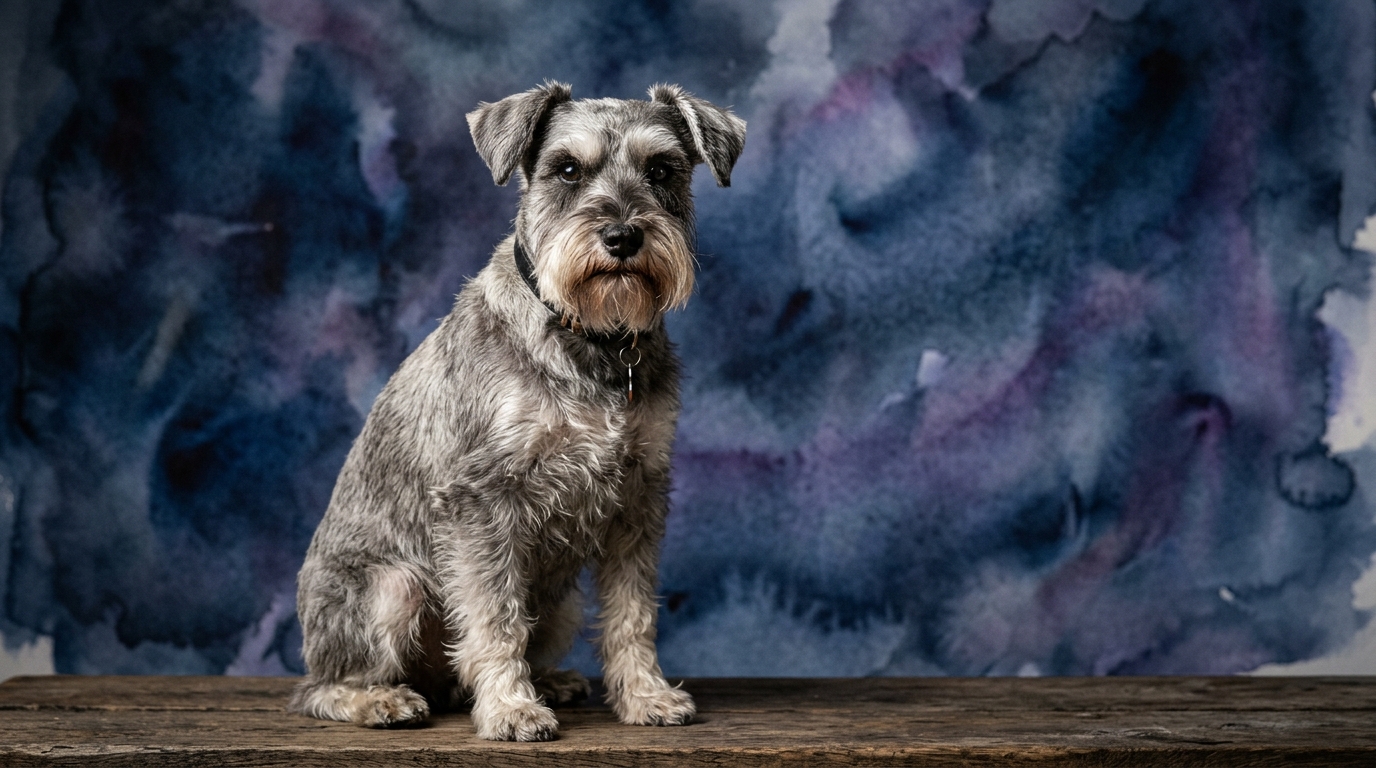
The Miniature Schnauzer, a terrier breed, is positioned favorably at Coren rank #12, indicating a remarkable capacity for obedience and working intelligence. Their Problem Solving score of 4/5 reveals an aptitude for navigating novel situations and devising effective strategies, often with a clever, terrier-like persistence. Training Speed, rated at an exceptional 5/5, highlights their rapid acquisition of new commands and routines, making them highly responsive partners in structured learning environments. With a Social Intelligence of 4/5, these dogs demonstrate a keen awareness of human emotional states and social cues, fostering strong, adaptable bonds within their family unit. Their Instinctive Drive, at 4/5, reflects a pronounced prey drive and vigilance, characteristic of their historical role as vermin hunters and alert companions. Finally, a Memory score of 4/5 ensures they retain learned behaviors and experiences with consistency, contributing to their reliability and trainability over time.
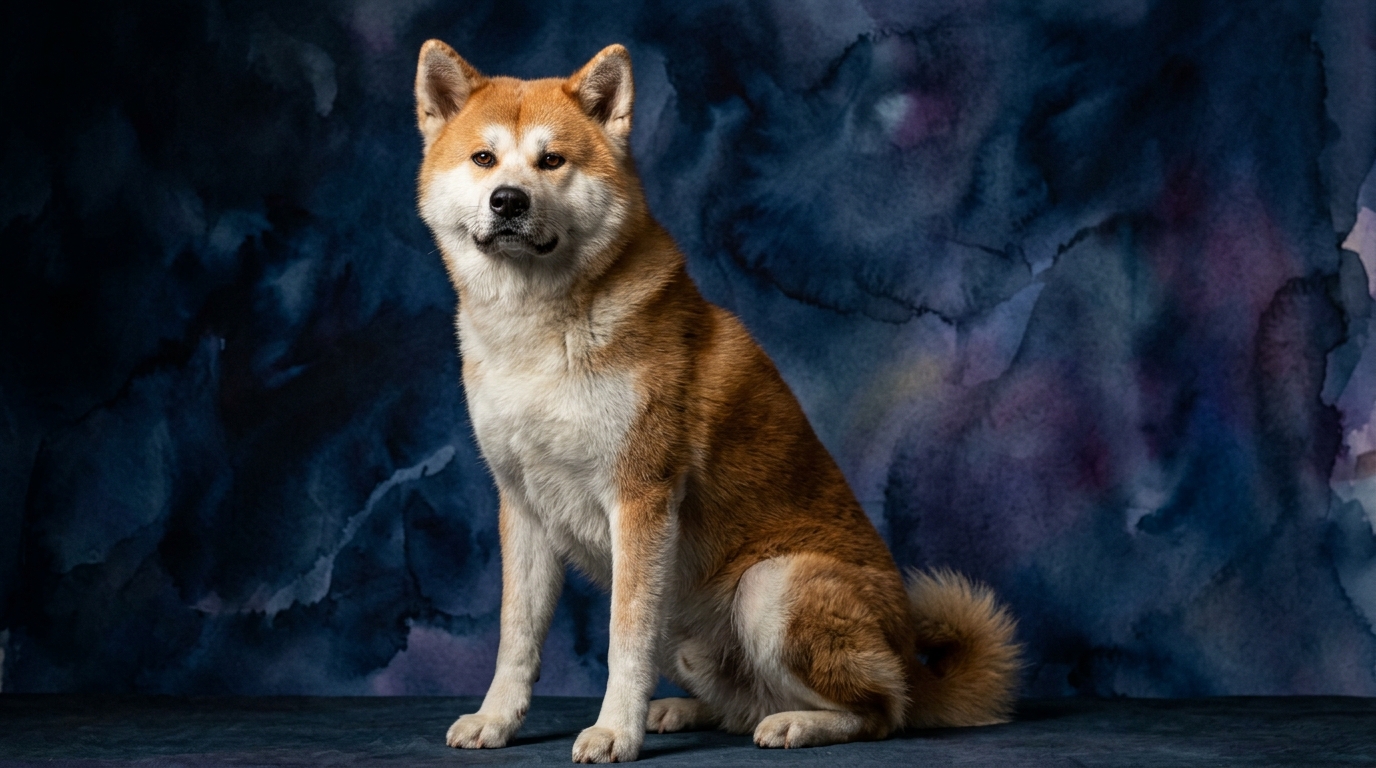
In contrast, the Akita, a robust working breed, holds a Coren rank of #54, suggesting a more independent approach to learning and compliance. Their Problem Solving ability, rated at 3/5, indicates they are capable of situational assessment but often prefer to rely on established protocols or their deep-seated instincts rather than spontaneously innovating solutions. The Training Speed of 2/5 signifies that Akitas require considerable patience and repetition to master new commands, a trait often linked to their self-reliant and questioning nature. Social Intelligence, at 3/5, points to a discerning approach to social interactions; they form intensely loyal bonds with their trusted circle but maintain a reserved or even aloof demeanor with strangers, a hallmark of their guardian heritage. An outstanding Instinctive Drive of 5/5 underscores their profound protective and guarding instincts, along with a strong hunting prowess, which are central to their cognitive framework. Their Memory, also at 4/5, ensures they recall significant events, people, and boundaries with precision, reinforcing their loyalty and understanding of their environment.
Where the Miniature Schnauzer Wins Cognitively
The Miniature Schnauzer demonstrates clear cognitive advantages in areas requiring adaptability, rapid learning, and social nuance. Their Problem Solving score of 4/5, compared to the Akita’s 3/5, suggests a greater inclination and ability to creatively tackle new challenges. For instance, a Miniature Schnauzer is more likely to experiment with different approaches to open a puzzle toy or navigate a complex obstacle course, often displaying a trial-and-error tenacity that leads to success.
The most significant cognitive disparity lies in Training Speed, where the Miniature Schnauzer scores an impressive 5/5 against the Akita’s 2/5. This means a Miniature Schnauzer will typically grasp new commands and routines in far fewer repetitions, often showing an eagerness to engage in learning sessions. Their responsiveness makes them particularly adept at obedience, agility, and trick training, where quick comprehension and enthusiastic participation are key.
Furthermore, the Miniature Schnauzer’s Social Intelligence, rated 4/5 compared to the Akita’s 3/5, indicates a more pronounced ability to read and respond to human emotions and social cues. This translates into greater adaptability in varied social settings, making them generally more comfortable and less prone to misinterpreting interactions with unfamiliar people or in new environments. They often seek out interaction and adjust their demeanor based on the social context, fostering easier integration into diverse family dynamics.
Where the Akita Wins Cognitively
The Akita's singular cognitive strength lies in its exceptional Instinctive Drive, scoring a perfect 5/5 against the Miniature Schnauzer's 4/5. This isn't merely a physical attribute; it represents a profound cognitive framework that prioritizes vigilance, protection, and a deep-seated sense of purpose. This powerful drive translates into an unwavering focus on perceived threats or duties, enabling them to act with remarkable self-reliance and conviction when their protective instincts are triggered.
This heightened instinctive drive means an Akita possesses an unparalleled internal compass for their inherent roles, whether it's guarding their territory, protecting their family, or exhibiting their historical hunting prowess. Their cognitive processes are finely tuned to assess potential dangers and respond decisively, often without requiring direct human command. This deep programming provides a profound sense of security for their chosen family, as they are consistently alert and ready to fulfill their guardian responsibilities, making them formidable and dedicated protectors.
Which is Easier to Train and Why
The Miniature Schnauzer, with its superior Training Speed (5/5) and Social Intelligence (4/5), is considerably easier to train for the average owner. Their eagerness to learn and strong desire to please their human companions mean they typically pick up new commands in a handful of repetitions. They respond exceptionally well to positive reinforcement and thrive on consistent engagement, viewing training as a rewarding collaborative effort. Their ability to quickly understand expectations and adapt their behavior makes them highly receptive to a wide range of training methodologies.
In contrast, the Akita, with a Training Speed of 2/5, presents a more significant challenge in formal training scenarios. Their independent nature and tendency to question the necessity of commands mean they require a trainer with exceptional patience, consistency, and a deep understanding of their unique motivations. While capable of learning complex tasks, their compliance often stems from respect and understanding rather than an innate desire to obey every instruction. Early, consistent socialization and clear, firm boundaries are crucial to shaping an Akita's behavior, fostering a partnership built on mutual respect rather than simple obedience.
Which Suits Active Owners vs. Structured Owners
Miniature Schnauzers, with their moderate instinctive drive (4/5) and high problem-solving ability (4/5), thrive with owners who enjoy engaging in varied activities that provide both physical exercise and mental stimulation. They are well-suited for active owners who want a companion for agility, obedience, or even just regular, varied walks and interactive puzzle toys, appreciating their quick wit and adaptable nature. Their social intelligence also means they generally enjoy meeting new people and experiencing new environments alongside their owner, making them suitable for a dynamic and interactive lifestyle.
Akitas, while possessing a profound instinctive drive (5/5), are not for owners seeking a 'relaxed' companion in the sense of minimal engagement. Instead, they suit owners who are active in a specific, purposeful way and understand the breed's need for structure, leadership, and personal space. They are best for experienced owners who can provide consistent, firm, and fair guidance, along with ample opportunities for purposeful exercise, like long, solitary walks or securely fenced yard time. Their independent nature means they don't always demand constant interaction but require an owner who respects their boundaries and provides a stable, predictable environment, making them suitable for owners who prefer a more dignified, self-reliant companion rather than a constantly effusive one.
The Verdict
Choose the Miniature Schnauzer if you desire a highly trainable, socially adaptable companion eager for varied mental challenges and collaborative activities. They excel with owners who appreciate a quick-witted partner for obedience, agility, and frequent social engagement.
Opt for the Akita if you are an experienced owner seeking a loyal, dignified guardian with a profound instinctive drive and an independent spirit. They thrive with patient, consistent leadership and a structured environment, offering a deep, respectful bond to their chosen family.
🧠 Find Your Pet's IQ Score
Our Pet IQ Lab assessment covers 25+ tests across 5 cognitive dimensions — personalized to your breed.
Take the Full IQ Test →Frequently Asked Questions
Does a higher Coren rank mean a dog is 'smarter'?
The Coren rank primarily measures a breed's obedience intelligence and working intelligence, reflecting how quickly a dog learns commands and responds to them. While a higher rank, like the Miniature Schnauzer's #12, indicates a greater aptitude for formal training, it doesn't encompass all facets of cognitive ability, such as problem-solving or social intelligence. The Akita's #54 rank simply suggests they require more repetitions to learn new commands, often due to their independent nature rather than a lack of cognitive capacity.
How does instinctive drive impact daily life for these breeds?
The Miniature Schnauzer's instinctive drive (4/5) often manifests as a keen alertness and a prey drive, meaning they might chase small animals or bark at novel sounds, requiring consistent management. The Akita's powerful instinctive drive (5/5) translates into strong guarding and protective behaviors, making them vigilant defenders of their home and family, but also necessitating early socialization and firm boundaries to ensure appropriate responses in various situations.
Can an Akita be trained to a high level despite its lower training speed?
Absolutely, an Akita can achieve a high level of training, but it demands more time, patience, and a different approach than with a breed like the Miniature Schnauzer. Their independence means they respond best to positive reinforcement, clear communication, and a trainer who understands their motivations, fostering a partnership built on mutual respect rather than sheer compliance. Consistency and early, ongoing socialization are key to success.