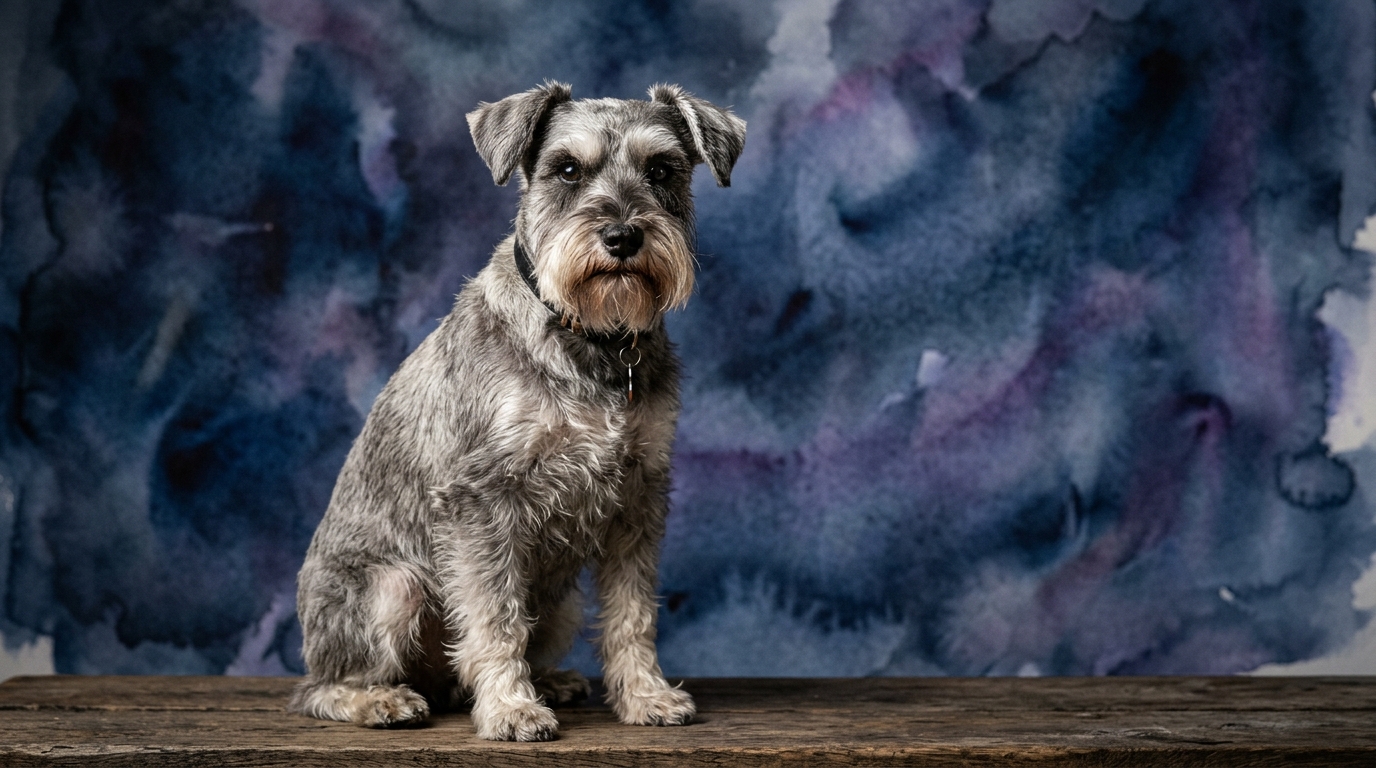
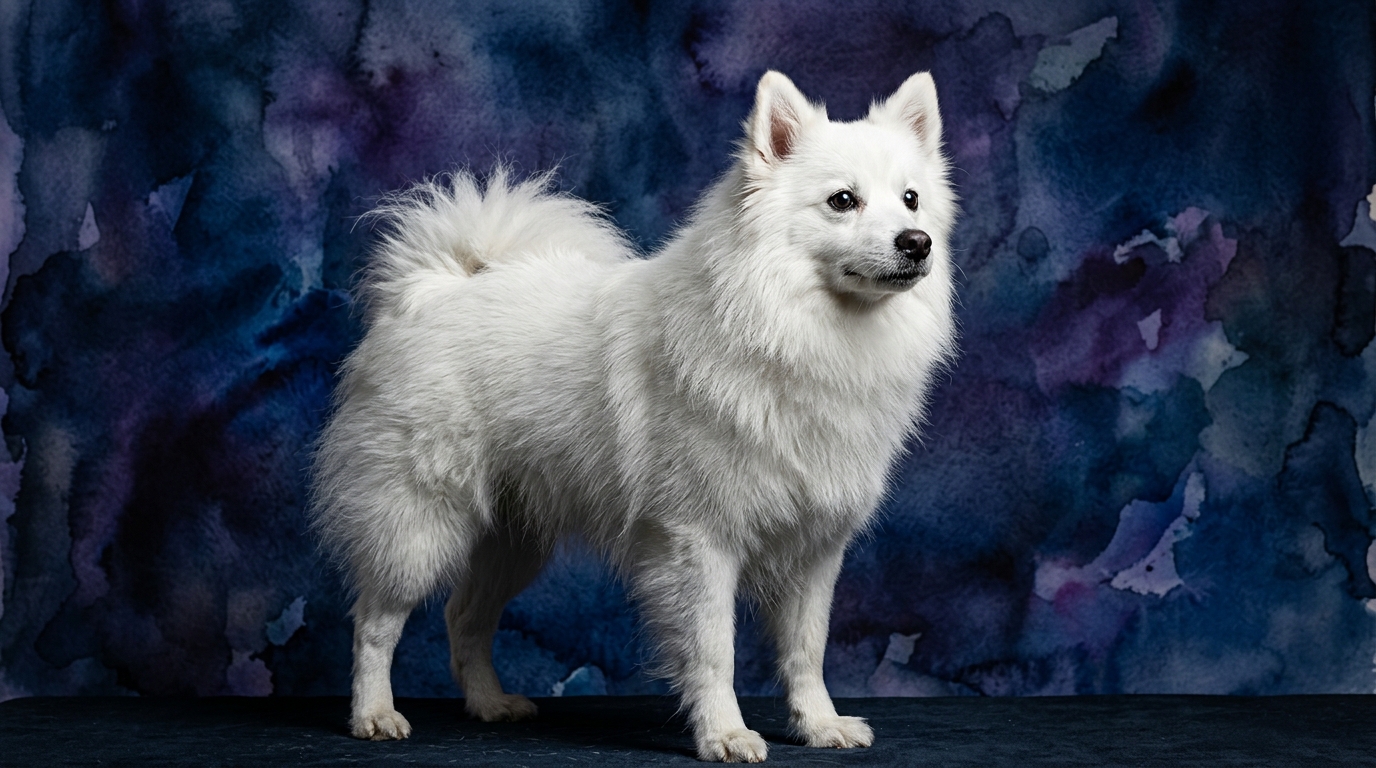
Side-by-Side IQ Profile: Miniature Schnauzer vs American Eskimo Dog
**Miniature Schnauzer (Terrier, Coren rank #12)**
**Problem Solving (4/5):** Exhibits cleverness and an independent ability to figure out solutions to novel obstacles, showcasing critical thinking. This capacity makes them adept at navigating new situations and applying learned behaviors creatively.
**Training Speed (5/5):** Learns new commands with remarkable swiftness, often requiring minimal repetitions due to their sharp focus and eagerness to engage. Their rapid comprehension makes them excellent candidates for diverse training disciplines.
**Social Intelligence (4/5):** Highly attuned to human cues and social dynamics within their family unit, fostering responsive and attentive companionship. They often anticipate their owner's moods and expectations with considerable nuance.
**Instinctive Drive (4/5):** Possesses a pronounced prey drive and vigilant nature, stemming from their heritage as vermin hunters, which translates into a readiness to act on inherent urges. This drive requires consistent direction and appropriate outlets.
**Memory (4/5):** Demonstrates robust recall for learned behaviors, commands, and routines, contributing significantly to consistent training retention and reliability over time.
**American Eskimo Dog (Non-Sporting, Not Coren-ranked)**
**Problem Solving (3/5):** Approaches challenges deliberately, often preferring established methods over independent experimentation, which means they may require more structured guidance to develop novel solutions. They tend to stick to what they know works.
**Training Speed (3/5):** Learns new behaviors reliably but typically requires more consistent repetition and patience for mastery compared to breeds with higher scores. Engaging, positive reinforcement methods are crucial to maintain their focus.
**Social Intelligence (3/5):** Perceptive of family moods and intentions, fostering close bonds, though their social interactions might be more straightforward and they can be reserved with strangers. They are devoted to their inner circle.
**Instinctive Drive (3/5):** Possesses moderate drives, often expressed as a strong desire for companionship and a watchful nature rather than an overwhelming prey drive or intense territoriality. This balance makes them adaptable companions.
**Memory (3/5):** Retains learned information reliably, though perhaps not with the immediate recall or long-term precision of breeds scoring higher. Regular reinforcement helps maintain their behavioral repertoire and consistency.
Where the Miniature Schnauzer Wins Cognitively
The Miniature Schnauzer's cognitive profile demonstrates clear advantages in areas demanding rapid assimilation and astute observation. Their 5/5 training speed means they can absorb new commands and complex sequences of actions with impressive efficiency, often appearing to grasp concepts after only a few repetitions. This makes them exceptional candidates for advanced obedience, agility, and trick training, where quick learning and precise execution are paramount. Their 4/5 problem-solving ability allows them to independently assess situations and apply learned solutions, or even devise new ones, without constant human intervention. For instance, a Schnauzer might quickly figure out how to open a specific gate or manipulate a puzzle toy to extract a treat. Their robust memory (4/5) ensures that these learned skills and solutions are not easily forgotten, providing consistency in their behavior over time. Furthermore, their 4/5 social intelligence means they are highly attuned to their owners' desires and subtle cues, translating into a dog that often anticipates needs and responds proactively within a domestic setting. This blend of quick learning, independent problem-solving, and social responsiveness makes them highly adaptable and engaging partners for owners seeking a dog capable of mastering a diverse range of tasks and interacting with considerable nuance.
Where the American Eskimo Dog Wins Cognitively
While the American Eskimo Dog's scores might appear lower across the board, their cognitive make-up presents distinct advantages for particular lifestyles and owner preferences. Their 3/5 in problem-solving often means they are less inclined to independently experiment with boundaries or seek out mischief, preferring a more structured and predictable environment. This can be a significant benefit for owners who appreciate a dog that is less likely to 'outsmart' them or constantly test limits, making them generally easier to manage within a stable routine. The 3/5 social intelligence of an Eskie, while perhaps less subtle than a Schnauzer, often translates to a more straightforward and earnest companionship. They tend to be devoted to their family, expressing affection and loyalty in a clear, uncomplicated manner, which many find incredibly endearing and reliable. Their moderate instinctive drive (3/5) means they are less prone to intense prey drives or compulsive behaviors that require constant management, allowing them to integrate smoothly into diverse household dynamics without extreme vigilance from their owners. This makes them well-suited for family life where a steady, amiable presence is valued over a dog that constantly seeks out mental challenges or independent action. Their cognitive strength lies in their predictable nature and unwavering devotion, creating a harmonious living experience for those who provide clear direction and consistent affection.
Which is Easier to Train and Why
Based on The Cosmic Pet Pet IQ Lab's metrics, the Miniature Schnauzer is demonstrably easier to train, primarily due to its exceptional 5/5 training speed. This means a Schnauzer will typically grasp a new command or concept in significantly fewer repetitions than an American Eskimo Dog, which scores a 3/5. For example, teaching 'sit' might take a Schnauzer just a handful of sessions to solidify, while an Eskie might require several more, with greater consistency over a longer period. This difference isn't about willingness, but processing efficiency. Schnauzers are often described as 'eager to please' and possess a focused attention span when engaged, allowing them to quickly form associations between commands and actions. The American Eskimo Dog, while certainly capable of learning, may exhibit a more independent streak or a shorter attention span during training, requiring more creative and patient approaches, often with higher-value rewards to maintain engagement. Their 3/5 problem-solving also means they might not generalize learned behaviors to new environments as quickly as a Schnauzer, necessitating more varied training scenarios. Therefore, owners seeking rapid progress and the ability to teach a wide repertoire of commands with relative ease will find the Miniature Schnauzer a more straightforward training partner.
Which Suits Active Owners vs. Relaxed Owners
The cognitive profiles of these two breeds offer insights into their suitability for different owner lifestyles. The Miniature Schnauzer, with its 4/5 problem-solving and 4/5 instinctive drive, thrives with active owners who can provide consistent mental stimulation and outlets for their innate drive. They excel in structured activities like agility, rally obedience, or even urban exploration that allows them to engage their intellect and keen senses. Owners who enjoy teaching complex tricks, participating in dog sports, or embarking on varied adventures will find the Schnauzer a willing and capable partner, as boredom can lead to inventive, sometimes undesirable, behaviors. In contrast, the American Eskimo Dog, with its more moderate scores across the board, is well-suited for owners who appreciate a steady, amiable companion. While they benefit from regular exercise and mental engagement, their 3/5 instinctive drive means they are generally content with consistent daily walks and moderate play rather than intense, high-energy activities. They can adapt well to a more relaxed home environment, provided they receive sufficient attention and feel like an integral part of the family. Owners who prefer a predictable routine, value loyalty, and enjoy a companionable presence without the constant demand for complex intellectual challenges might find the Eskie a perfect fit.
The Verdict
For those seeking a highly trainable dog capable of rapid learning, complex problem-solving, and nuanced social interaction, the Miniature Schnauzer is an excellent choice.
If your lifestyle prioritizes a loyal, predictable companion with a moderate activity level and straightforward cognitive needs, the American Eskimo Dog offers an unwavering presence.
🧠 Find Your Pet's IQ Score
Our Pet IQ Lab assessment covers 25+ tests across 5 cognitive dimensions — personalized to your breed.
Take the Full IQ Test →Frequently Asked Questions
Are Miniature Schnauzers good for first-time dog owners?
Miniature Schnauzers can be a good fit for first-time owners due to their high training speed and responsiveness, provided the owner is committed to consistent training and mental stimulation. Their independent problem-solving and strong instinctive drive require clear boundaries and engaging activities to prevent boredom.
Do American Eskimo Dogs require a lot of mental stimulation?
American Eskimo Dogs benefit from regular mental engagement, but their needs are generally moderate compared to breeds with higher problem-solving scores. Consistent training, puzzle toys, and interactive play are usually sufficient to keep them content, rather than needing constant complex challenges.
Which breed is more prone to separation anxiety?
Both breeds can develop separation anxiety if not properly socialized or left alone for extended periods. However, the American Eskimo Dog's strong family bond and moderate social intelligence (3/5) might make them more prone to distress when separated from their human companions, often preferring constant presence.