Side-by-Side IQ Profile: Unpacking Canine Cognition
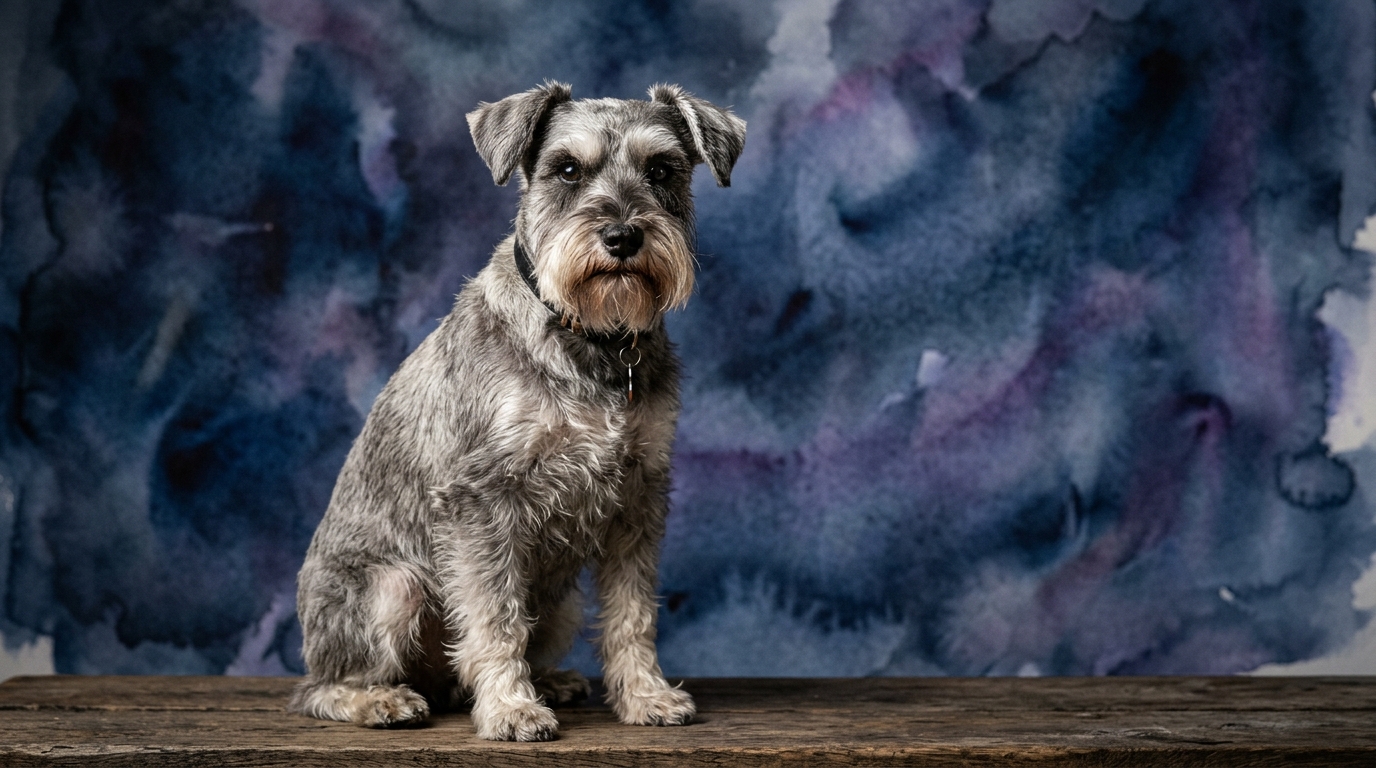
**The Miniature Schnauzer: A Terrier's Astuteness** Originating as ratters and farm dogs, the Miniature Schnauzer (Coren Rank #12) brings a distinctive cognitive blueprint. Their **Problem Solving (4/5)** is characterized by tenacious, independent thought; they excel at figuring out mechanical puzzles or strategic routes to desired objects, often displaying a "terrier grit" that sees them persist until a solution is found, even if unconventional. Their **Training Speed (5/5)** is impressive, driven by a desire to engage with their primary human and a sharp ability to connect commands with actions, making them highly receptive to consistent positive reinforcement.
In **Social Intelligence (4/5)**, Miniature Schnauzers are keenly aware of their family's emotional states and routines, forming deep, discerning bonds, though they can be reserved or protective with strangers. Their **Instinctive Drive (4/5)** is primarily a prey drive, manifesting as a keen interest in chasing small, fast-moving objects, reflecting their historical role in vermin control. Finally, their **Memory (4/5)** allows for effective retention of learned behaviors and routines, contributing to their reliability and consistent responses to familiar cues and environments.
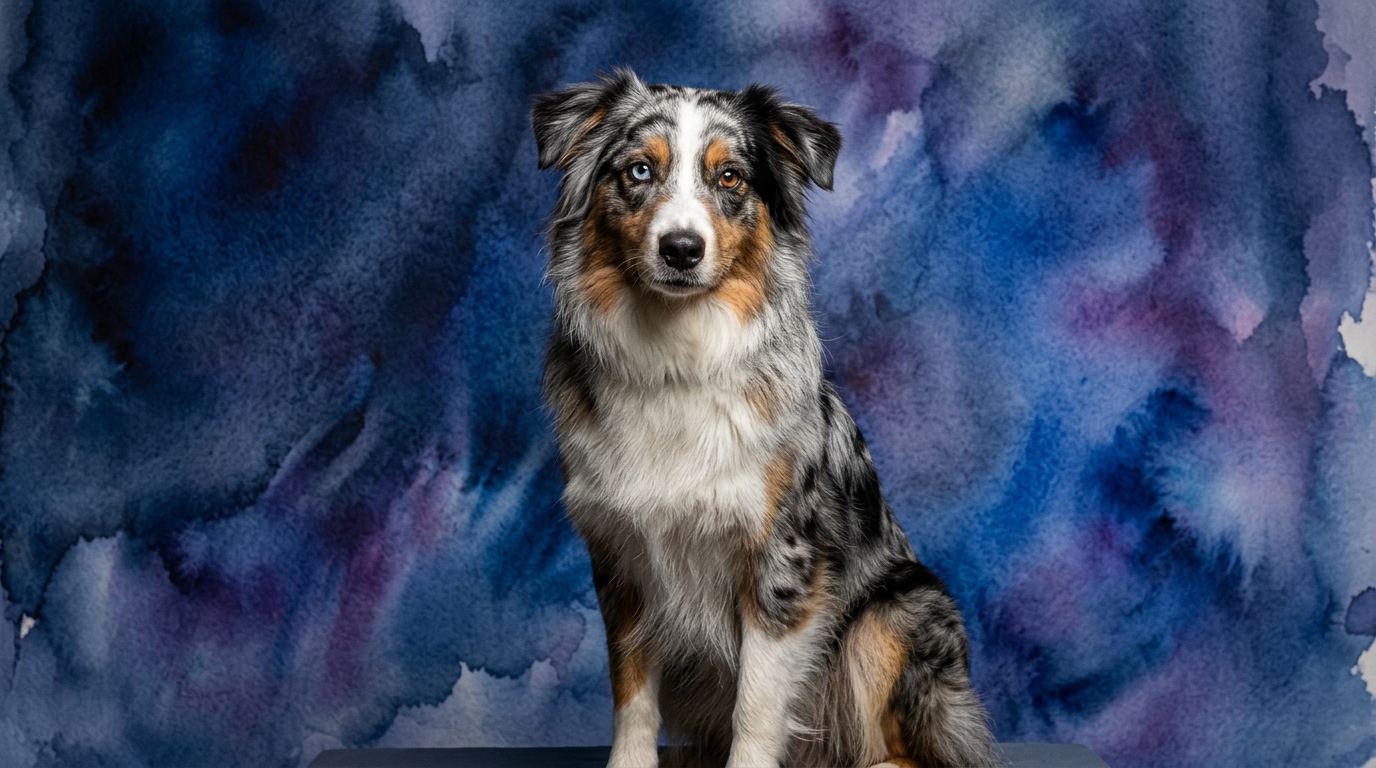
**The Australian Shepherd: A Herder's Strategic Mind** Though not included in Coren's original ranking, the Australian Shepherd's cognitive abilities, honed for complex herding tasks, are exceptional. Their **Problem Solving (5/5)** is outstanding, showcasing a capacity for strategic thinking, foresight, and adapting plans on the fly – vital for managing livestock. This translates into quickly understanding multi-step tasks and navigating novel challenges with a clear purpose. Their **Training Speed (5/5)** is equally rapid, driven by an inherent desire for a "job" and a strong work ethic, allowing them to absorb new commands and complex sequences with remarkable efficiency.
**Social Intelligence (4/5)** in an Australian Shepherd involves a deep attunement to their handler's subtle cues and the dynamics of their immediate 'flock' (family), though they often exhibit a watchful reservation around unfamiliar individuals. Their **Instinctive Drive (5/5)** is a powerful herding impulse, compelling them to organize, manage, and move, which manifests as a constant need for purpose and structured activity. This breed's **Memory (5/5)** is particularly robust, enabling them to recall intricate routines, complex sequences of commands, and detailed spatial information over extended periods, making them superb candidates for advanced dog sports and working roles.
Where the Miniature Schnauzer Holds a Cognitive Edge
While both breeds exhibit high cognitive function, the Miniature Schnauzer's specific terrier-bred tenacity offers a distinct advantage in certain problem-solving scenarios rooted in independent exploration. Their **Problem Solving (4/5)**, though rated slightly lower than the Aussie’s, often manifests as a determined, self-directed approach. For instance, a Schnauzer might exhibit exceptional persistence in deciphering a complex food puzzle that requires manipulating multiple latches, purely driven by their singular focus on the reward and their intrinsic desire to "figure it out." This contrasts with the Aussie's more goal-oriented, often human-directed problem-solving.
Furthermore, the Schnauzer's **Instinctive Drive (4/5)**, being primarily prey-based rather than herding, means their focus, when engaged, can be intensely singular on a non-herding task. This allows them to commit fully to specific, isolated cognitive challenges without the underlying urge to manage or control their environment, which can sometimes divert an Aussie's attention. Their **Social Intelligence (4/5)**, while similar in rating, often translates into a more direct, discerning focus on their primary human's emotional state, potentially making them more finely tuned to subtle, personal cues from a single handler in a quiet, less distracting setting. This intimate connection can sometimes lead to a more nuanced understanding of their individual owner's unspoken desires in a close-knit home environment.
Where the Australian Shepherd Shines Cognitively
The Australian Shepherd's superior ratings in **Problem Solving (5/5)**, **Instinctive Drive (5/5)**, and **Memory (5/5)** collectively underscore its capacity for highly complex, multi-stage cognitive tasks that demand foresight and sustained engagement. Their herding heritage equips them with an unparalleled ability for predictive thinking – anticipating movements, strategizing to influence outcomes, and adapting plans in real-time. This cognitive flexibility and foresight allow them to excel at intricate agility courses, where they must remember long sequences of obstacles and adjust their approach based on handler cues, or in advanced obedience, where precise execution of multiple commands in varying environments is key.
The Aussie's exceptional **Memory (5/5)** is a cornerstone of this capability, enabling them to retain and recall elaborate patterns and sequences over extended periods, making them masters of tasks requiring detailed procedural knowledge. Coupled with their powerful **Instinctive Drive (5/5)**, which fuels an inherent desire for purpose and structured activity, they possess an unparalleled work ethic. This drive allows them to sustain focus on demanding cognitive challenges for extended periods, making them ideal partners for activities like competitive obedience, flyball, or even service work where long, detailed routines and consistent performance are paramount. Their cognitive strength lies in their ability to integrate multiple mental faculties – strategy, recall, and unwavering drive – into a cohesive, purposeful action.
Training Dynamics: Understanding Learning Styles
Both the Miniature Schnauzer and the Australian Shepherd are rated 5/5 for **Training Speed**, indicating a rapid ability to grasp new concepts. However, the *motivation* and *application* of this speed diverge due to their foundational breed characteristics. The Miniature Schnauzer's training success often stems from a strong desire to engage with and please their primary human, coupled with their inherent cleverness. They respond exceptionally well to positive reinforcement, thriving on praise, treats, and interactive play. Their responsiveness makes them quick to pick up basic obedience and tricks. However, their terrier independence and **Problem Solving (4/5)** can mean they might employ their mental faculties to find more interesting alternatives if a task seems repetitive or unrewarding, requiring trainers to maintain engagement and novelty.
Conversely, the Australian Shepherd's rapid **Training Speed (5/5)** is intrinsically linked to their powerful **Instinctive Drive (5/5)** and **Problem Solving (5/5)**. For an Aussie, training isn't just about pleasing; it's about fulfilling a deep-seated need for purpose, structure, and mental engagement. They thrive on having a "job" and excel at complex, multi-step commands because their cognitive architecture is built for processing and executing intricate tasks. Their outstanding **Memory (5/5)** ensures that once a command or sequence is learned, it is deeply ingrained, allowing for swift progression to highly advanced concepts and a high degree of reliability in performance, even under distracting conditions. This utility-driven motivation often translates into a higher willingness to persist through challenging, repetitive training sessions without losing focus, as long as they perceive a meaningful goal.
Matching Cognitive Profiles to Lifestyles: Active vs. Relaxed Owners
For an owner who appreciates a mentally engaging companion without the demand for constant, high-intensity work, the Miniature Schnauzer is an excellent fit. While they certainly require regular physical exercise and mental stimulation – daily walks, interactive play, and puzzle toys are essential – their overall needs are generally more contained than those of a working herding breed. Their **Social Intelligence (4/5)** often allows for a more focused social circle, making them less demanding in terms of constant new introductions or wide-ranging social excursions. Their **Instinctive Drive (4/5)**, while present, is typically manageable, easily redirected from chasing small critters to engaging with a favorite toy or a focused training session. They thrive on consistent routines and the strong presence of their family, offering a spirited, mentally sharp, yet generally less physically exhaustive companion for home-centric living.
The Australian Shepherd, with its exceptional **Problem Solving (5/5)**, robust **Instinctive Drive (5/5)**, and superior **Memory (5/5)**, is unequivocally suited for an active, dedicated owner or family prepared to provide extensive and consistent mental and physical challenges. These dogs flourish when they have a genuine purpose, whether it's excelling in agility, herding, advanced obedience, or even a structured "job" within the household, like retrieving specific items on command. Their profound capacity for complex learning and their inherent need to manage and organize mean that without adequate, consistent stimulation, they can quickly become bored. This boredom can manifest in undesirable behaviors such as excessive barking, destructive chewing, or "herding" family members. Owners who enjoy outdoor adventures, participate in dog sports, or have the time and inclination to engage in daily, structured training sessions and mental games will discover the Australian Shepherd to be an incredibly rewarding, mentally vigorous, and deeply bonded partner.
The Verdict
Choose a Miniature Schnauzer if you seek a tenacious, adaptable companion who thrives on consistent routines and close family bonds, offering spirited engagement without requiring a constant 'job'.
Opt for an Australian Shepherd if you are an active individual or family eager to provide extensive mental and physical challenges, and who will appreciate a partner with exceptional problem-solving and memory for complex tasks.
🧠 Find Your Pet's IQ Score
Our Pet IQ Lab assessment covers 25+ tests across 5 cognitive dimensions — personalized to your breed.
Take the Full IQ Test →Frequently Asked Questions
Are Miniature Schnauzers difficult to train due to their terrier nature?
Miniature Schnauzers are rated 5/5 for training speed, meaning they learn commands quickly. While their terrier tenacity can manifest as independent thought, consistent positive reinforcement and engaging training methods are highly effective in channeling their focus and eagerness to please.
Does an Australian Shepherd need a job to be happy?
Australian Shepherds possess a strong instinctive drive and high problem-solving capacity, meaning they thrive on having a purpose. While a formal 'job' like herding isn't always necessary, consistent mental and physical challenges through dog sports, advanced training, or interactive games are crucial for their well-being and to prevent boredom-related behaviors.
How do their social intelligence scores compare in practical terms?
Both breeds score 4/5 in social intelligence, but this manifests differently. The Miniature Schnauzer often shows strong discernment, being highly attuned to its immediate family's emotions while potentially reserved with strangers. The Australian Shepherd is also family-focused and observant, but its social caution with new people can be tied to its herding instinct to manage its environment.