Side-by-Side IQ Profile
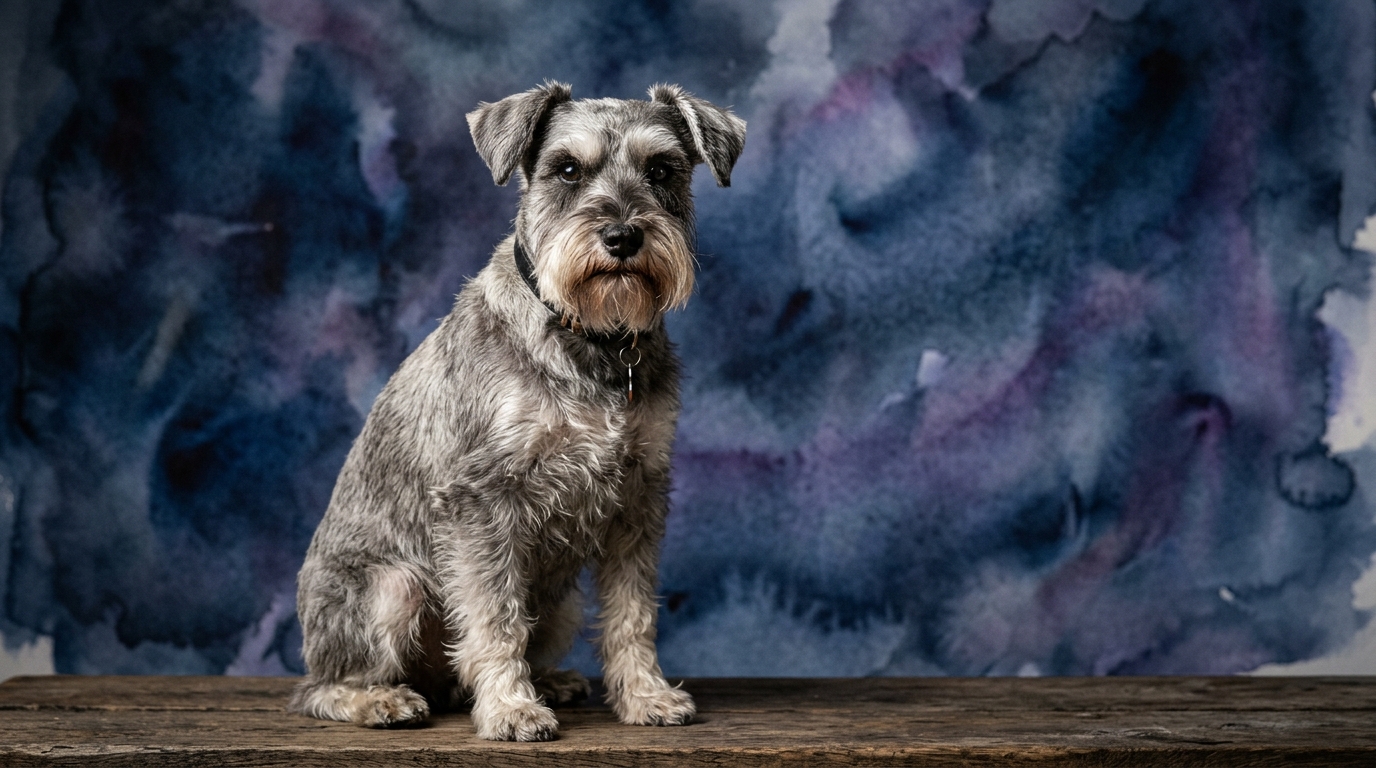
**Miniature Schnauzer (Coren Rank #12):** This breed demonstrates robust cognitive abilities across several domains. Their Problem Solving score of 4/5 indicates a strong capacity for independent thought and strategic action when faced with new challenges, adept at navigating complex environments. With a Training Speed of 5/5, they absorb and execute new commands with exceptional efficiency, often mastering skills in fewer repetitions than most breeds. Social Intelligence at 4/5 means they are highly perceptive of human cues and pack dynamics, making them responsive and adaptive family members. An Instinctive Drive of 4/5 reflects their terrier heritage, manifesting as a keen interest in exploration and engagement with their surroundings. Finally, their Memory at 4/5 ensures they retain learned behaviors and experiences reliably, contributing to consistent performance.
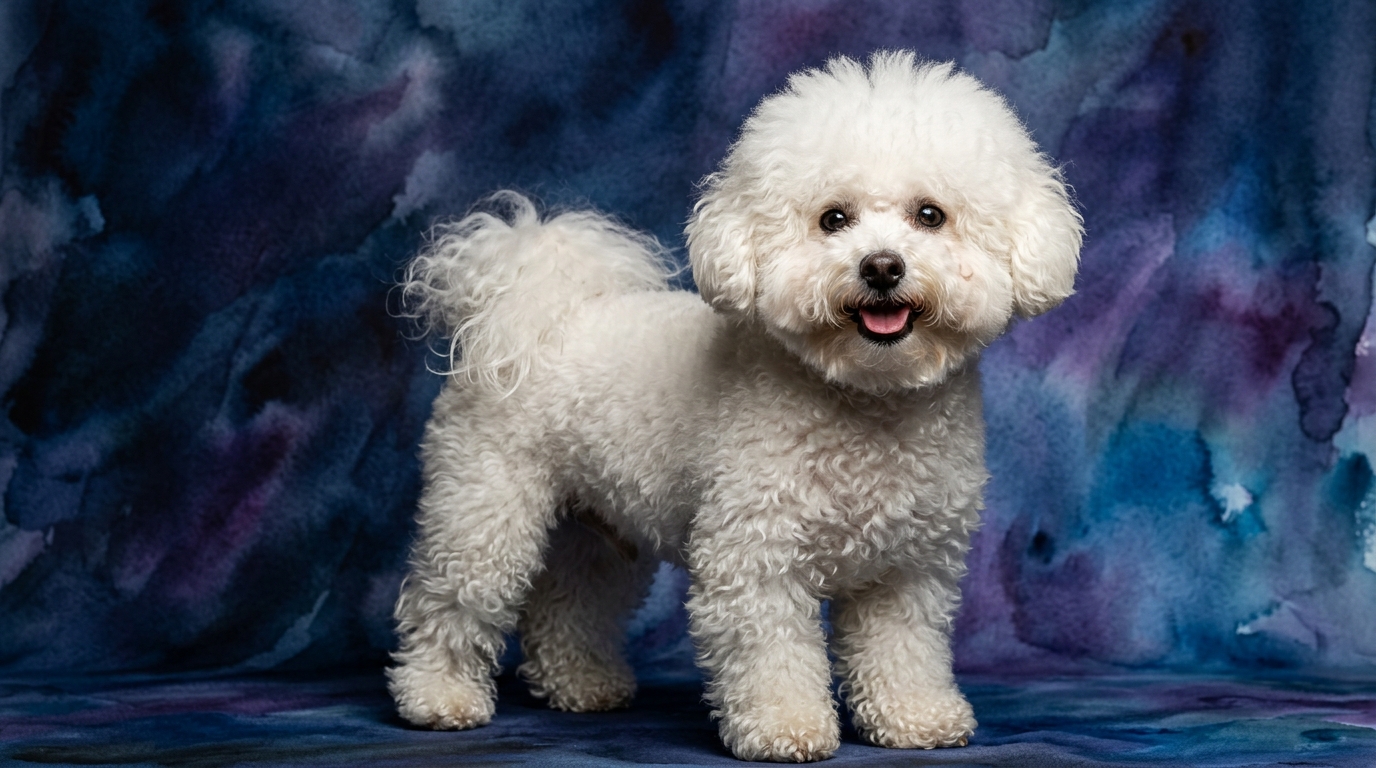
**Bichon Frisé (Coren Rank #45):** The Bichon Frisé presents a different, yet equally compelling, cognitive profile. Their Problem Solving score of 3/5 suggests they are capable of learning and solving moderate challenges, though they might benefit from more structured guidance and simpler setups compared to more cognitively agile breeds. A Training Speed of 3/5 indicates they learn at a steady, consistent pace, but patience and positive reinforcement are key for solidifying new commands. Where they truly excel is Social Intelligence, scoring a perfect 5/5, demonstrating profound emotional attunement and an innate ability to connect deeply with humans and other animals. With an Instinctive Drive of 2/5, they show less inclination for independent 'working' tasks, preferring companionship. Their Memory at 3/5 is sufficient for daily routines and basic commands, but complex sequences may require more regular reinforcement.
Where Miniature Schnauzer Wins Cognitively
The Miniature Schnauzer's cognitive profile showcases a distinct advantage in areas requiring sharp intellect and independent action. With a Problem Solving score of 4/5, these dogs demonstrate a superior ability to analyze situations and devise solutions, whether it's figuring out how to open a clever treat dispenser or navigating an agility course with minimal handler input. Their quick mental processing allows them to adapt rapidly to changing environments or unexpected obstacles, making them adept at tasks that demand strategic thinking.
Furthermore, the Miniature Schnauzer's 5/5 Training Speed is a standout feature, indicating an almost unparalleled efficiency in acquiring new skills and commands. This rapid learning curve means they can progress through obedience classes or learn complex tricks at an impressive pace, often picking up concepts after just a few repetitions. Coupled with a 4/5 Memory, once a Miniature Schnauzer learns something, it tends to stick, enabling them to build a vast repertoire of behaviors and respond reliably to cues even after a period of inactivity. This combination makes them highly responsive and a joy for owners who appreciate a dog eager to learn and perform.
Where Bichon Frisé Wins Cognitively
The Bichon Frisé excels in the realm of social and emotional intelligence, scoring a perfect 5/5 in Social Intelligence, a truly remarkable trait that defines much of their appeal. This exceptional capacity allows them to effortlessly attune to human emotions, often anticipating needs for comfort or companionship without overt cues. They are masters of adapting their behavior to fit social situations, making them incredibly versatile companions in various family dynamics, from bustling households to quiet, single-person homes. Their presence can be profoundly calming, as they intuitively understand and respond to the emotional states of those around them.
This elevated social intelligence also means the Bichon Frisé is highly motivated by interaction and positive reinforcement from their human companions. While their Training Speed is 3/5, their desire to please and connect deeply with people means they are eager participants in training, even if it takes a few more repetitions to master a command. Their low Instinctive Drive (2/5) further supports their role as devoted companions, as they are less prone to independent pursuits like intense digging or roaming. Instead, they prefer to be close to their people, thriving on shared experiences and gentle engagement, making them superb emotional support animals and family pets.
Which is Easier to Train and Why
When evaluating ease of training, the Miniature Schnauzer generally presents a more straightforward path for owners seeking rapid skill acquisition. Their 5/5 Training Speed means they grasp new commands with remarkable swiftness, often requiring only a few repetitions to understand what is expected of them. This mental agility, combined with a 4/5 Memory, ensures that once a behavior is learned, it is retained effectively over time. Owners often find Miniature Schnauzers to be enthusiastic learners, eager to engage in training sessions and quick to offer desired behaviors, making them suitable candidates for advanced obedience, agility, or even trick training. Their inherent drive and problem-solving skills mean they often enjoy the mental challenge of learning new things.
The Bichon Frisé, with a Training Speed of 3/5 and Memory of 3/5, requires a more patient and consistently positive approach to training. While not slow learners, they benefit significantly from short, engaging sessions that end on a high note, avoiding frustration. Their exceptional 5/5 Social Intelligence plays a crucial role here; they are highly motivated by praise, affection, and the joy of interaction with their owner. This means that while they might take more repetitions to learn a command compared to a Schnauzer, their strong desire to connect and please their human makes them very willing participants in the training process. Owners should focus on building a strong bond and using gentle, reward-based methods, as a Bichon's sensitive nature can be easily discouraged by harsh corrections.
Which Suits Active Owners vs Relaxed Owners
For active owners seeking a canine partner with a zest for exploration and mental engagement, the Miniature Schnauzer is often an ideal match. Their 4/5 Instinctive Drive, rooted in their terrier heritage, means they possess a natural inclination for purposeful activity, whether it's vigorous walks, engaging in scent work, or participating in dog sports like agility. These dogs thrive on consistent mental stimulation and physical exercise, often becoming bored or restless if their cognitive and physical needs are not met. An owner who enjoys outdoor adventures, structured playtime, and regular training sessions will find a Miniature Schnauzer to be an enthusiastic and capable companion, always ready for the next challenge.
Conversely, the Bichon Frisé is perfectly suited for more relaxed owners who prioritize companionship and gentle interaction over intense activity. Their 2/5 Instinctive Drive indicates a preference for a calmer pace of life, content with moderate daily walks and indoor play. While they enjoy play, it's often more about shared moments with their human than an independent drive to 'do' something. The Bichon's 5/5 Social Intelligence ensures they are incredibly adaptable to various home environments, thriving on close proximity and emotional connection with their family. They are content to curl up on the couch, happy to observe, and always ready to offer comfort, making them excellent companions for individuals or families seeking a devoted, low-key presence.
The Verdict
Choose the Miniature Schnauzer if you are an owner who thrives on active engagement, enjoys consistent training challenges, and appreciates a dog that can quickly grasp complex tasks and commands. They are an excellent fit for individuals or families seeking a mentally agile companion for sports, advanced obedience, or a vigilant household member.
Choose the Bichon Frisé if you prioritize deep emotional connection, desire a profoundly empathetic companion, and seek a dog content with a more relaxed lifestyle focused on companionship and gentle play. They are ideal for those who value a dog's social acumen and unwavering devotion, thriving in environments rich with affection and consistent human interaction.
🧠 Find Your Pet's IQ Score
Our Pet IQ Lab assessment covers 25+ tests across 5 cognitive dimensions — personalized to your breed.
Take the Full IQ Test →Frequently Asked Questions
What does Coren rank mean for these breeds?
Coren rank, or Stanley Coren's ranking of dog intelligence, places breeds based on their working and obedience intelligence, primarily measuring training speed and command retention. The Miniature Schnauzer's #12 rank indicates it generally learns new commands and obeys them reliably faster than the Bichon Frisé, ranked #45.
Are Miniature Schnauzers good with children?
Miniature Schnauzers, with their 4/5 Social Intelligence, can be wonderful with children, especially if socialized early and raised with respectful interactions. Their robust energy and playful nature often make them engaging companions, though supervision is always advised with any dog and child.
How much exercise does a Bichon Frisé need daily?
A Bichon Frisé, given its 2/5 Instinctive Drive, typically requires moderate daily exercise, such as two short to medium walks and some indoor playtime. Their primary need is companionship, so while physical activity is important, it's often secondary to their desire for human interaction and presence.