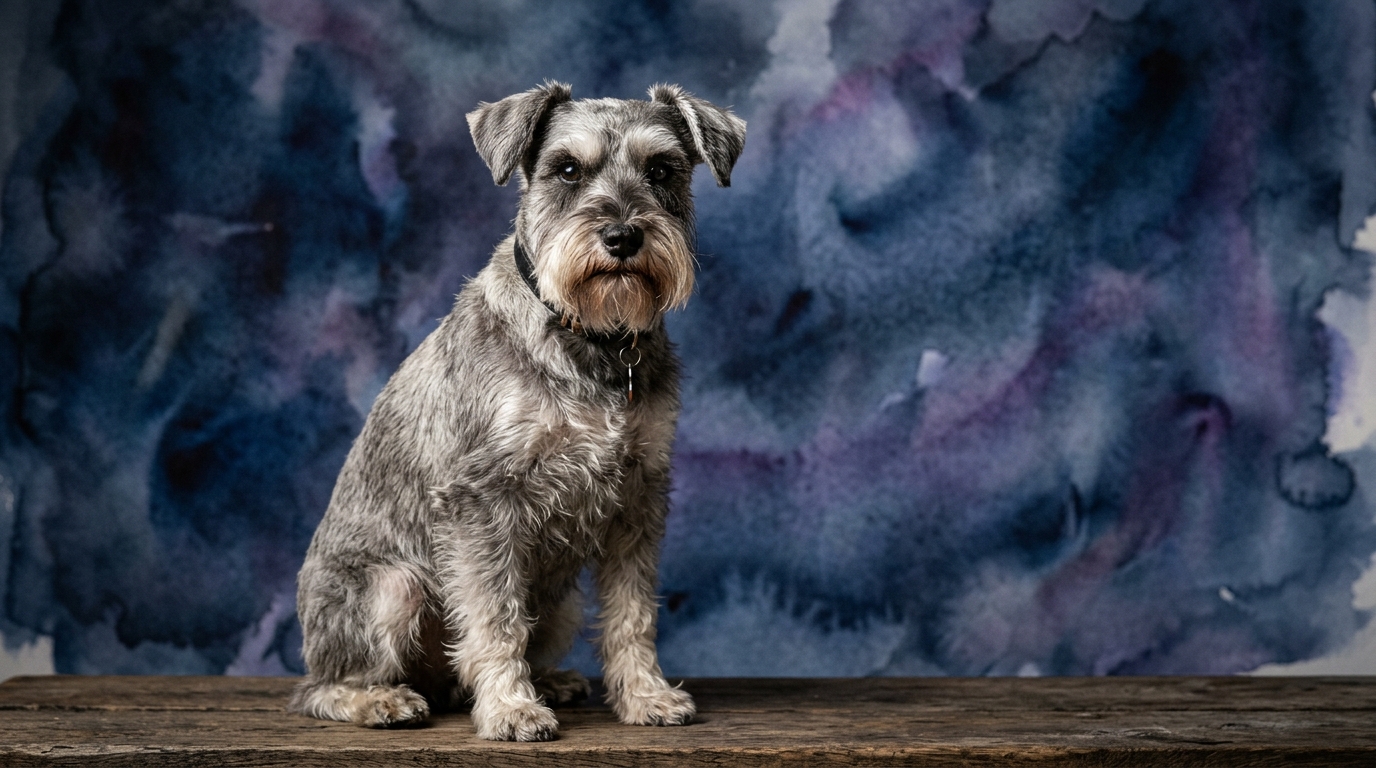
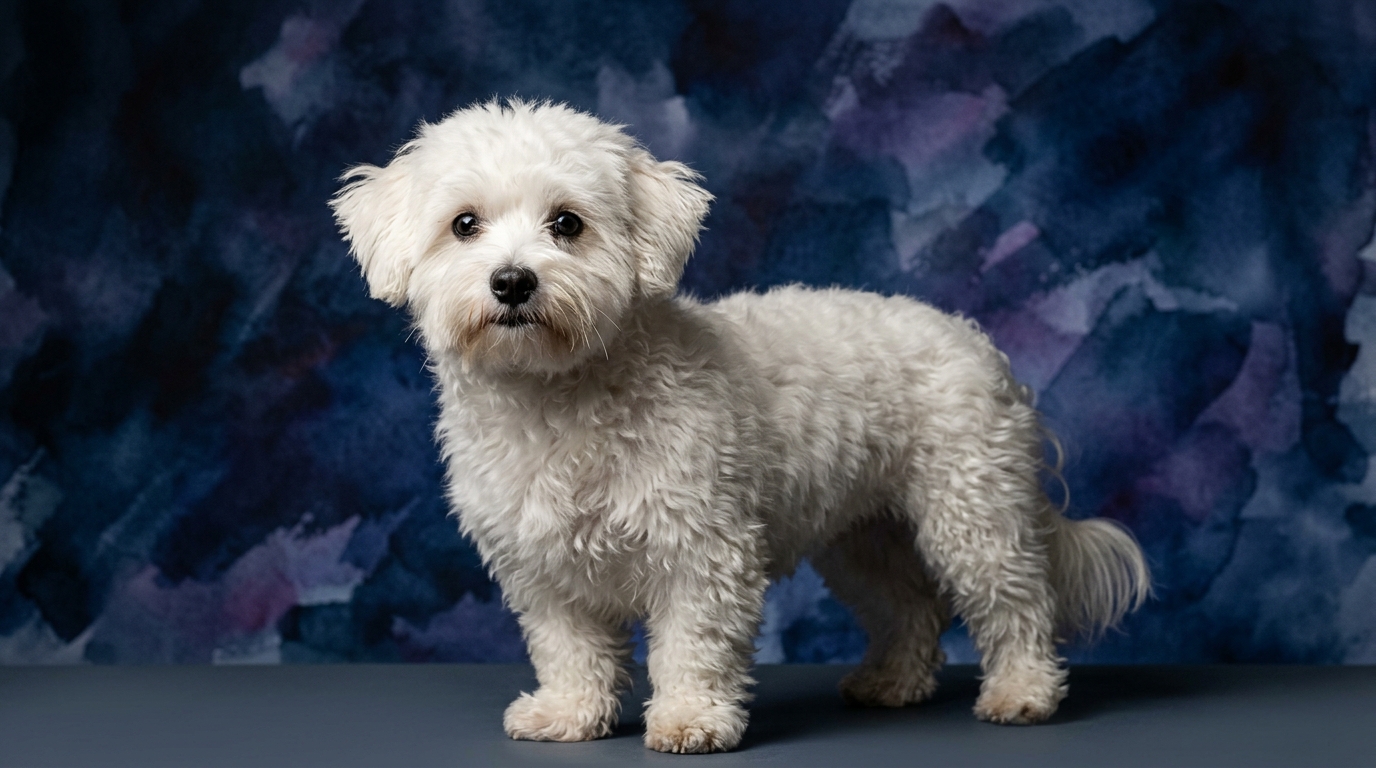
Side-by-Side IQ Profile: Miniature Schnauzer vs Coton de Tuléar
The Cosmic Pet Pet IQ Lab employs a comprehensive five-dimensional framework to assess canine intelligence, offering a nuanced view beyond simplistic notions. For the Miniature Schnauzer, a Terrier Group member ranked #12 in Coren's obedience intelligence, their cognitive scores paint a picture of a sharp, driven individual. They excel with a Problem Solving score of 4/5, indicating a strong capacity for figuring out challenges and navigating their environment effectively. Their Training Speed is an impressive 5/5, suggesting a rapid ability to grasp and retain new commands and routines, making them highly receptive to instruction. Social Intelligence is rated 4/5, meaning they are adept at reading human cues and forming discerning bonds, often making them attentive companions and vigilant family members. An Instinctive Drive of 4/5 highlights their inherent terrier tenacity, which manifests as a keen prey drive and a watchful nature. Finally, their Memory at 4/5 ensures they retain a vast repertoire of learned behaviors and experiences.
In contrast, the Coton de Tuléar, a Non-Sporting Group member without a specific Coren ranking, presents a different cognitive landscape. Their Problem Solving is rated 3/5, suggesting they can tackle simpler challenges but may not possess the same persistent, investigative drive as the Schnauzer. Their Training Speed also stands at 3/5, indicating a steady, rather than rapid, learning pace that benefits from patience and consistent repetition. Social Intelligence for the Coton is 3/5, meaning they are generally friendly and adaptable, forming agreeable bonds with their families, though perhaps less acutely attuned to subtle social nuances than their Schnauzer counterparts. An Instinctive Drive of 3/5 points to a more moderate level of inherent drives, generally making them less prone to strong prey instincts or territorial guarding. Their Memory, at 3/5, supports the retention of basic commands and routines, contributing to their consistent and affectionate demeanor.
Where the Miniature Schnauzer Wins Cognitively
The Miniature Schnauzer's cognitive strengths distinctly outshine the Coton in areas demanding quick comprehension, tenacious problem-solving, and a robust capacity for complex learning. Their 4/5 Problem Solving score means they are adept at navigating intricate situations, whether it's figuring out how to open a child-proof cabinet or mastering a multi-step puzzle toy. This terrier ingenuity allows them to approach new challenges with a determined mindset, often experimenting until they achieve their desired outcome.
Furthermore, their 5/5 Training Speed is a significant advantage, allowing them to absorb new commands and entire obedience routines with remarkable efficiency. An owner can introduce a new trick, and a Schnauzer is likely to pick it up within a few sessions, sometimes even on the first try, provided clear instruction. This rapid learning curve, coupled with their 4/5 Memory, means they can build an extensive vocabulary of commands and remember them consistently over long periods, making them ideal candidates for advanced obedience, agility, and even competitive dog sports where intricate sequences are required. Their social intelligence, while high, is often coupled with a discerning nature, making them excellent watchdogs who understand who belongs and who doesn't, a nuanced social skill often tied to their protective instincts.
Where the Coton de Tuléar Wins Cognitively
While the Coton de Tuléar may not match the Schnauzer's raw speed or problem-solving tenacity, their cognitive profile offers a different set of strengths, particularly in adaptability and social integration. Their 3/5 Social Intelligence translates into a generally amiable and agreeable disposition, making them less prone to the discerning, sometimes wary, nature of the Schnauzer. This means they are often more universally welcoming to new people and situations, adapting smoothly to various social environments.
The Coton's more moderate 3/5 Instinctive Drive is another area where they offer a distinct advantage for certain lifestyles. They are typically less preoccupied with chasing squirrels or guarding territory, which can make them more relaxed companions in busy environments or homes with other small pets. Their Problem Solving, while 3/5, is often applied to social situations, finding gentle ways to engage with their family and solicit affection, rather than complex environmental manipulation. This breed’s cognitive makeup fosters a consistent, loving presence that prioritizes companionship over independent action, making them exceptionally easy to live with for owners seeking an uncomplicated emotional bond.
Which Is Easier to Train and Why
When assessing ease of training, the distinction between the two breeds becomes quite clear, though 'easier' depends on the owner's goals. The Miniature Schnauzer, with its 5/5 Training Speed, is objectively quicker to learn new commands and complex routines. They possess a strong desire to work and please their handlers, making them highly responsive to consistent, engaging training methods. Their Coren rank #12 is a testament to their capacity for understanding and executing obedience commands with precision.
However, their 4/5 Instinctive Drive and independent Terrier spirit mean that training a Miniature Schnauzer requires a firm, consistent hand to channel their energy productively and manage potential stubbornness or a strong prey drive. An owner must establish clear boundaries and provide ample mental stimulation to prevent boredom-induced behaviors. While they learn rapidly, maintaining that learned behavior requires ongoing engagement to ensure their sharp minds are consistently challenged. They excel in advanced obedience, agility, and trick training, but an unmotivated or inconsistent owner might find their spirited nature challenging.
The Coton de Tuléar, with a 3/5 Training Speed, requires more patience and repetition to master commands. They are not as quick to grasp intricate sequences, and their attention span might be shorter for prolonged, intensive sessions. However, their generally agreeable nature and strong desire for companionship mean they are willing participants in training, responding best to positive reinforcement and gentle methods. They are less likely to challenge authority or get distracted by a strong prey drive, making basic obedience a steady, if not rapid, process.
While they might take longer to house train or master intricate commands, Coton de Tuléars are generally less prone to behavioral issues stemming from boredom or a need for a 'job' once their basic needs are met. Their lower instinctive drive also means fewer distractions during training, allowing for a more focused session, even if it requires more repetitions. For an owner seeking a cooperative learner who thrives on positive interaction, the Coton offers a rewarding training journey that prioritizes bond-building.
Which Suits Active Owners vs Relaxed Owners
The choice between these two breeds also hinges significantly on an owner's lifestyle and activity preferences. For active owners who relish daily engagement and mental challenges, the Miniature Schnauzer is an ideal match. Their higher instinctive drive and problem-solving skills mean they thrive with regular, varied physical exercise and consistent mental stimulation. Owners who enjoy dog sports like agility, rally obedience, or even long, brisk walks combined with puzzle toys and training sessions will find the Schnauzer a willing, capable, and enthusiastic partner. They need a purpose and engagement to prevent boredom-related behaviors, making them unsuitable for sedentary lifestyles.
Conversely, the Coton de Tuléar is better suited for relaxed owners who prioritize companionship and a calmer home environment. Their more moderate energy levels and lower instinctive drive mean they are generally content with less intensive activity. While they certainly enjoy walks, playtime, and a good romp in the yard, they are equally happy to cuddle on the couch or relax by their owner's side. Their 3/5 social intelligence and strong desire for closeness make them excellent companions for owners who value a gentle, adaptable presence and prefer a more laid-back pace of life over rigorous daily routines. They adapt well to apartment living, provided they receive regular, moderate exercise and ample family interaction.
The Verdict
Opt for a Miniature Schnauzer if you seek a quick-witted, driven companion eager to master complex tasks and thrive with consistent mental engagement and physical activity.
Select a Coton de Tuléar if your lifestyle leans towards a more relaxed pace, valuing a gentle, adaptable companion who finds joy in steady learning and close family bonds.
🧠 Find Your Pet's IQ Score
Our Pet IQ Lab assessment covers 25+ tests across 5 cognitive dimensions — personalized to your breed.
Take the Full IQ Test →Frequently Asked Questions
Do Miniature Schnauzers need a lot of mental stimulation?
Yes, with a problem-solving score of 4/5 and high training speed, Miniature Schnauzers require regular mental challenges like puzzle toys, training sessions, and varied experiences to prevent boredom and channel their energy constructively. Consistent engagement is key to their well-being.
Are Coton de Tuléars difficult to house train?
While their training speed is 3/5, Coton de Tuléars can be successfully house trained with consistency, patience, and positive reinforcement. Their desire to please their family aids in the process, though it may take more repetitions and a longer duration than with some other breeds.
How do their social intelligence scores impact their family life?
The Miniature Schnauzer's 4/5 social intelligence means they form deep bonds and are acutely aware of their family's dynamics, often making them excellent watchdogs and discerning with strangers. The Coton de Tuléar's 3/5 score indicates a generally friendly and adaptable nature, making them agreeable family members who thrive on companionship and are often welcoming to new people.