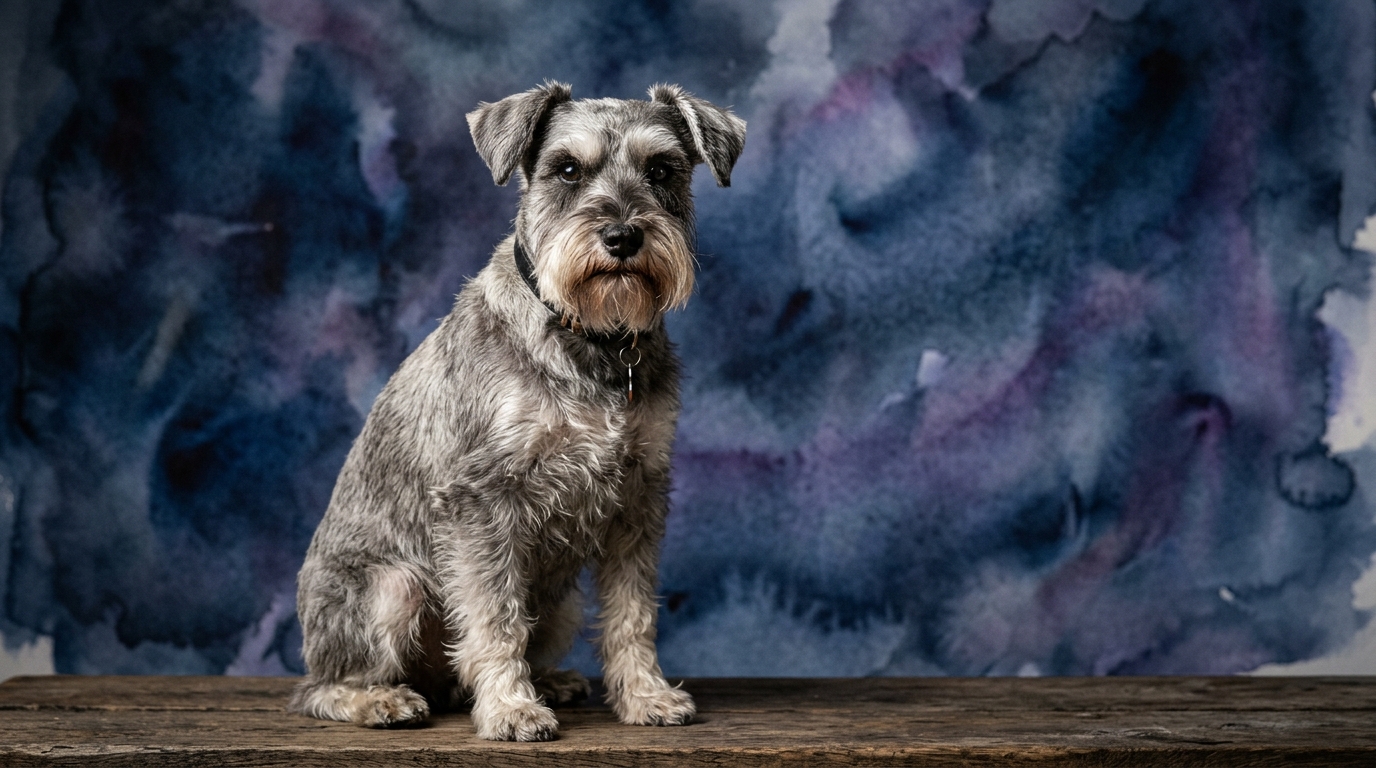
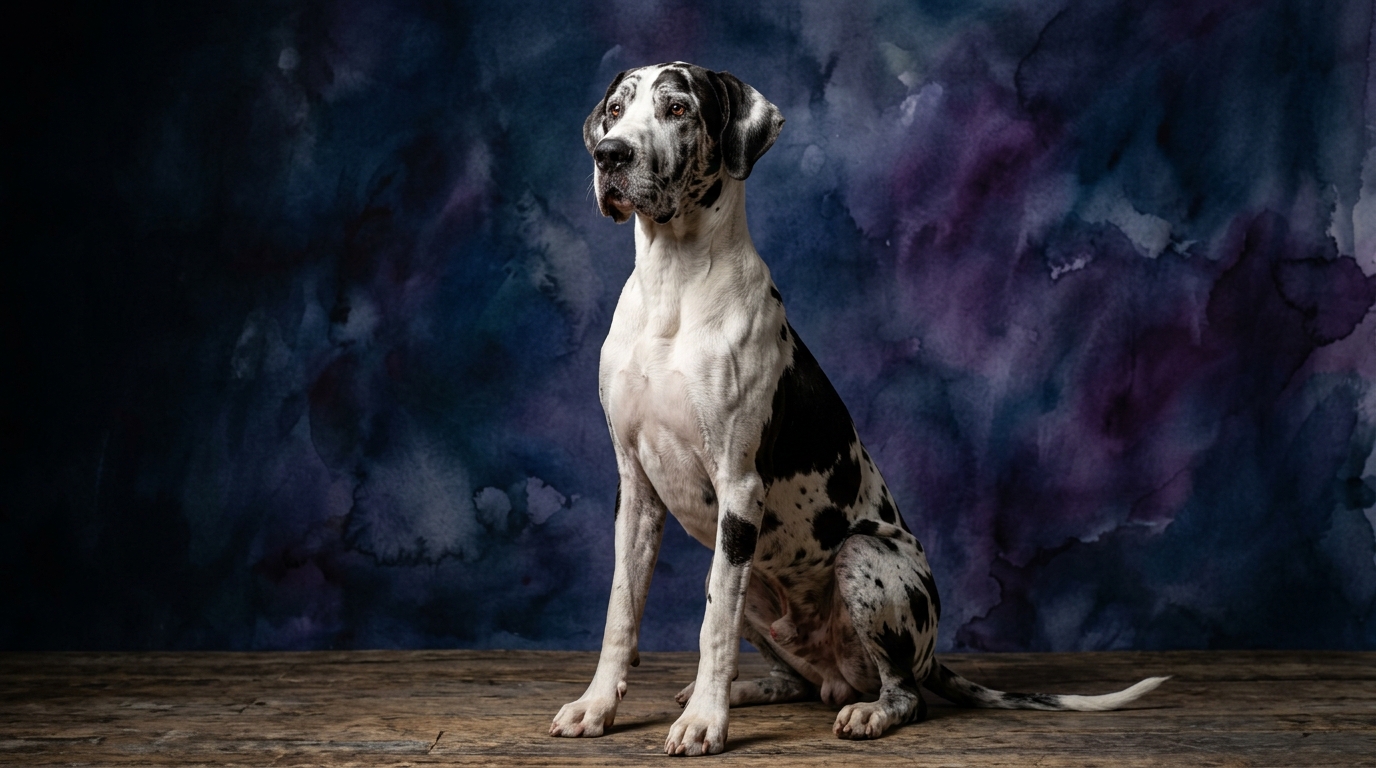
Side-by-Side IQ Profile: Schnauzer vs. Dane
The Cosmic Pet Pet IQ Lab employs five key dimensions to evaluate canine intelligence, offering a nuanced understanding beyond simple 'smart' labels. For the Miniature Schnauzer, these metrics paint a picture of a quick-witted, agile thinker. Their Problem Solving score of 4/5 indicates a capacity for independent thought and effective navigation of novel challenges, often devising clever solutions to reach desired outcomes. Training Speed, rated at an impressive 5/5, highlights their exceptional ability to rapidly grasp and retain new commands and behaviors, making them a joy for active training enthusiasts. Social Intelligence, at 4/5, suggests a strong awareness of human emotions and social cues, enabling them to form deep bonds and integrate well into family dynamics. An Instinctive Drive of 4/5 reflects their terrier heritage, manifesting as a keen focus on tasks and a persistent approach to exploration or 'hunting' games, even if it's just a toy. Finally, a Memory score of 4/5 means they reliably recall learned behaviors and routines, contributing to their reputation as consistent companions.
The Great Dane, while possessing a different cognitive rhythm, demonstrates a unique blend of intelligence suited to its gentle giant persona. Their Problem Solving score of 3/5 indicates a thoughtful, albeit sometimes slower, approach to new situations; they analyze before acting, rather than reacting impulsively. Training Speed, also at 3/5, suggests that while they are certainly capable of learning, they benefit from consistent, patient instruction, often requiring more repetitions to solidify new skills compared to their quicker counterparts. Their Social Intelligence shines brightly at 4/5, underscoring their profound empathy and sensitivity to human moods, making them excellent emotional support animals and family members. An Instinctive Drive of 3/5 points to a less intense prey drive than some breeds, instead often channeling their instincts towards guarding or companionship. A Memory score of 3/5 means they have solid recall for important information and routines, though perhaps not with the instantaneous precision of a breed with higher scores.
Where the Miniature Schnauzer Wins Cognitively
The Miniature Schnauzer's cognitive strengths primarily lie in their swift mental processing and adaptability. Their superior Training Speed (5/5) means they can master a wide array of commands and complex tricks with remarkable efficiency, often picking up new concepts in just a few repetitions. This makes them exceptional candidates for dog sports like agility, obedience, and rally, where rapid learning and execution are paramount. Their Problem Solving prowess (4/5) also manifests in their ability to independently figure out how to open gates, retrieve hidden toys, or navigate intricate puzzles, showcasing a proactive approach to challenges rather than waiting for human intervention. This quick wit and readiness to engage mentally can be incredibly rewarding for owners who enjoy interactive play and consistent mental stimulation for their pets.
Furthermore, the Schnauzer's combined high scores in Instinctive Drive and Memory contribute to their focused persistence. When engaged in a task, whether it's learning a new command or 'hunting' a squeaky toy, they demonstrate impressive concentration and follow-through. This isn't just about raw speed; it's about a sustained mental engagement that allows them to apply learned solutions to new, similar problems, demonstrating a form of cognitive transfer. Their sharp awareness of their surroundings and ability to quickly assess and react to changes make them effective watchdogs, keenly observing and processing environmental shifts.
Where the Great Dane Wins Cognitively
The Great Dane's cognitive triumphs are rooted in their profound social and emotional intelligence. Their 4/5 Social Intelligence score is not just about understanding human cues, but about processing and responding to them with remarkable empathy and gentleness. They excel at reading subtle shifts in body language and tone, often offering comfort or space precisely when needed, demonstrating an intuitive understanding of human emotional states. This makes them exceptional therapy dogs and companions for individuals seeking a deeply connected, emotionally responsive pet. Their social cognition allows them to form incredibly strong, nuanced bonds, often acting as gentle protectors and confidantes.
While their Problem Solving and Training Speed scores are moderate, the Great Dane's cognitive approach is characterized by a thoughtful deliberation. They are not impulsive; instead, they tend to observe, process information, and then respond, which can be perceived as slower but often leads to a more considered and less chaotic outcome. This calm, steady processing, combined with their strong social intelligence, means they are less prone to frantic reactions and more likely to approach unfamiliar situations with a measured demeanor. Their memory, while not instant, is reliable for important routines and people, ensuring they remember their place in the family hierarchy and the expectations placed upon them.
Which is Easier to Train and Why?
When it comes to ease of training, the Miniature Schnauzer generally holds an advantage due to their superior Training Speed (5/5) and Problem Solving ability (4/5). These traits translate into a dog that rapidly understands what is being asked of them and can quickly execute new commands. Their keenness to learn and their terrier-driven focus mean they are often eager participants in training sessions, quickly connecting actions with desired rewards. Behavioral differences, such as their natural curiosity and desire to engage, make them highly receptive to positive reinforcement methods, leading to quicker mastery of basic obedience and more complex tasks.
The Great Dane, with a Training Speed of 3/5, requires a more patient and consistent approach. While they are certainly trainable and possess a strong desire to please their human companions, their learning curve is generally more gradual. Owners should anticipate more repetitions and a longer period to solidify new behaviors. However, their high Social Intelligence (4/5) means they are deeply attuned to their owner's approval and disapproval, which can be a powerful motivator. Training for a Great Dane benefits immensely from positive reinforcement, clear communication, and an understanding that their processing speed is more deliberate, ensuring they have ample time to comprehend and respond without feeling rushed.
Which Suits Active Owners vs. Relaxed Owners?
The Miniature Schnauzer is an ideal match for active owners who thrive on mental engagement and consistent interaction with their pet. Their high Problem Solving and Training Speed scores mean they benefit greatly from activities that challenge their intellect, such as advanced obedience, agility courses, puzzle toys, and consistent training sessions that introduce new skills. Owners who enjoy teaching tricks, participating in dog sports, or simply spending dedicated time on mental enrichment will find the Schnauzer a willing and enthusiastic partner. Their robust instinctive drive also means they appreciate structured walks and opportunities to explore, making them a good fit for owners who enjoy an active lifestyle beyond just lounging.
Conversely, the Great Dane often aligns well with more relaxed owners who appreciate a calm, steady companion. While they still require regular exercise appropriate for their size, their cognitive profile suggests they don't demand constant, high-intensity mental stimulation in the same way a Schnauzer might. Their excellent Social Intelligence makes them content with simply being present with their family, offering quiet companionship and emotional support. Owners who value a gentle presence, are prepared for a more deliberate training pace, and enjoy calm home environments will find the Great Dane's thoughtful and empathetic nature a perfect fit. They thrive in homes where their gentle giant status is celebrated, and their emotional depth is understood and reciprocated.
The Verdict
Choose the Miniature Schnauzer if you desire a quick-witted, highly trainable companion eager for mental challenges and active engagement, suitable for owners who enjoy dog sports or consistent trick training. Their rapid learning and problem-solving skills make them a dynamic partner for an interactive lifestyle.
Opt for the Great Dane if you seek a calm, deeply empathetic companion whose intelligence shines through social connection and thoughtful deliberation, ideal for owners who value a gentle, emotionally responsive presence and a more relaxed, consistent approach to training.
🧠 Find Your Pet's IQ Score
Our Pet IQ Lab assessment covers 25+ tests across 5 cognitive dimensions — personalized to your breed.
Take the Full IQ Test →Frequently Asked Questions
Do Miniature Schnauzers need a lot of mental stimulation?
Yes, Miniature Schnauzers benefit significantly from consistent mental stimulation due to their high problem-solving and training speed. Regular training sessions, puzzle toys, and interactive games are crucial to keep their minds engaged and prevent boredom, channeling their natural terrier drive positively.
Are Great Danes difficult to train because of their size?
Great Danes are not difficult to train, but their moderate training speed means they require more patience and consistency than some breeds. Their large size necessitates early and consistent obedience training for manageability, but their strong social intelligence makes them eager to please their owners, responding well to positive reinforcement.
Which breed is better for a first-time dog owner?
For a first-time owner, the choice depends on lifestyle and commitment. A Miniature Schnauzer's high trainability can be rewarding but requires dedication to mental stimulation. A Great Dane, while needing patience in training, offers a calm and socially intelligent companionship that can be less demanding in terms of constant activity, provided size management is understood.