Side-by-Side IQ Profile
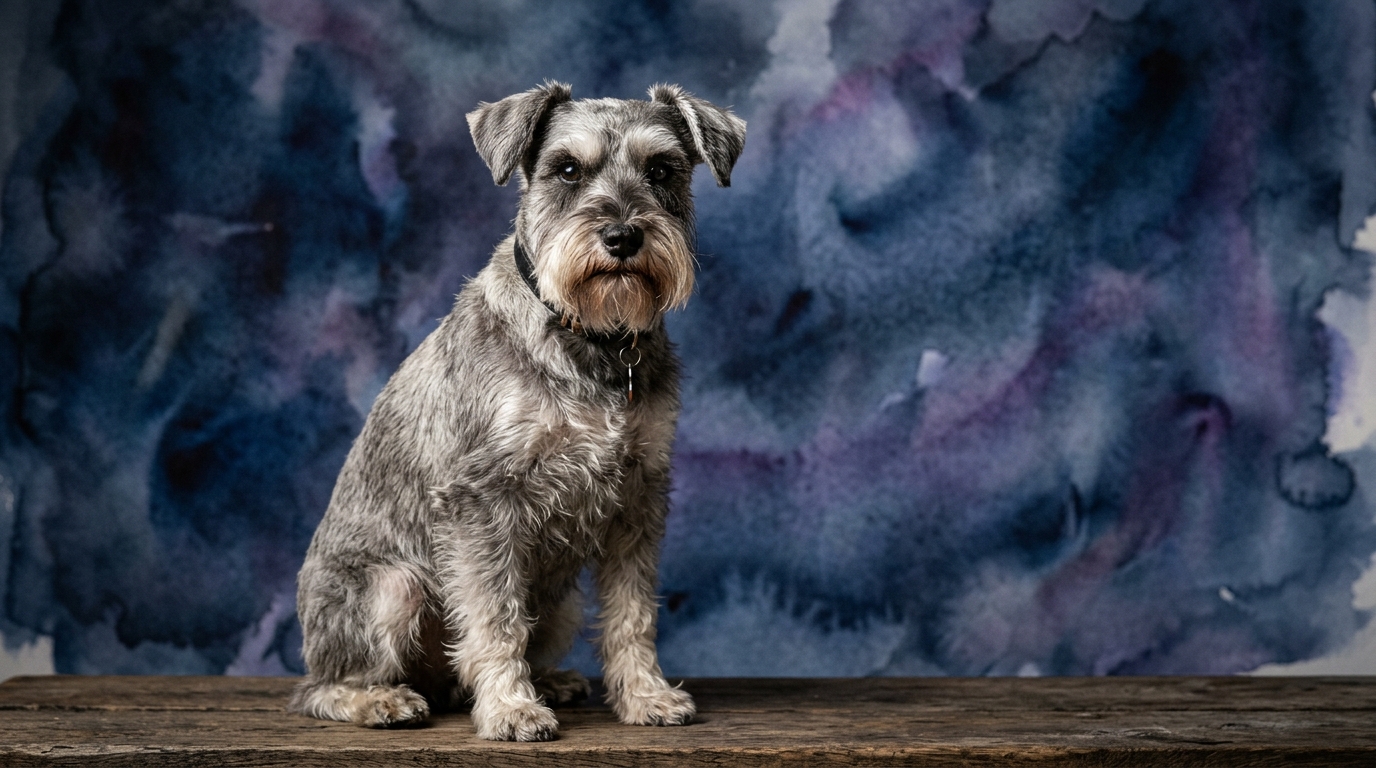
**Miniature Schnauzer (Coren Rank #12):** This breed’s cognitive profile reflects its Terrier heritage, characterized by sharp focus and quick reactions. Their **Problem Solving (4/5)** score means Miniature Schnauzers often demonstrate a knack for figuring things out, whether it's navigating complex puzzle toys or finding creative solutions to reach a coveted treat. They process new information quickly and can adapt their strategies. Their **Training Speed (5/5)** is a standout trait, as they rapidly acquire new commands and behaviors; owners often report that Schnauzers pick up on cues with minimal repetition, making them a joy to teach through positive reinforcement. In **Social Intelligence (4/5)**, Schnauzers are adept at reading human emotions and intentions, often forming strong, perceptive bonds with their families, interpreting subtle social cues, though their terrier assertiveness might occasionally influence interactions. Their **Instinctive Drive (4/5)** manifests as a keen interest in exploring, "hunting" small toys, and vigilance, a strong inherent motivation that can be a powerful tool in training when channeled correctly. Finally, their **Memory (4/5)** is robust, encompassing good recall for learned commands and routines, along with a solid memory for people and places; once they learn something, it tends to stick, aiding in consistency.
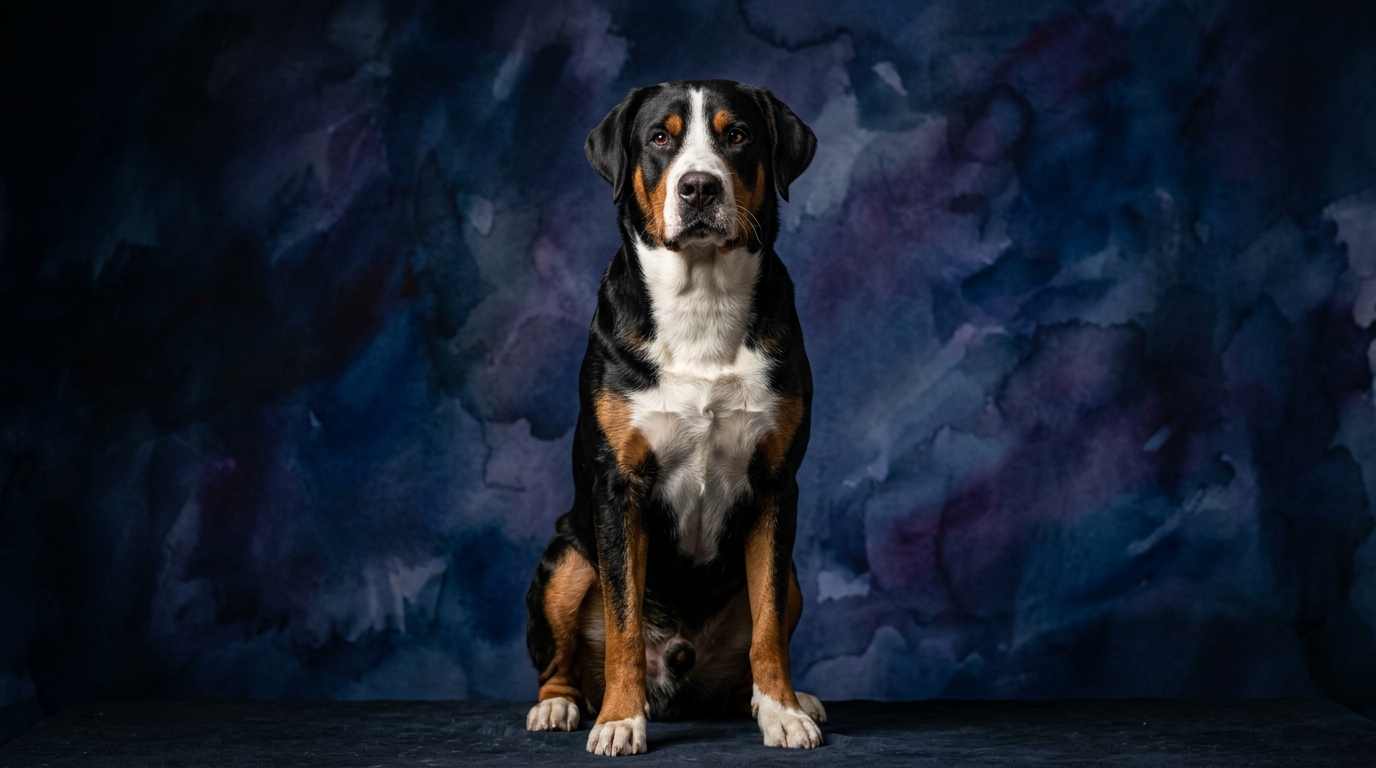
**Greater Swiss Mountain Dog (Not Coren-Ranked):** The Swissy’s cognitive style aligns with its Working Group background, emphasizing strength, endurance, and a more methodical nature. Their **Problem Solving (3/5)** suggests they approach challenges with a more measured, often physical, strategy; while capable, they might take longer to process novel situations and prefer to use their brawn or established routines rather than intricate mental gymnastics. Regarding **Training Speed (3/5)**, these dogs are capable learners but require consistent, patient training with ample repetition to solidify new commands; they absorb information steadily rather than instantly, and owners should be prepared for a more gradual learning curve. Their **Social Intelligence (3/5)** typically involves forming strong, loyal bonds with their families and a generally good understanding of basic human cues; their social understanding is reliable and straightforward, though they might not exhibit the same nuanced perceptiveness as some breeds. The Swissy’s **Instinctive Drive (3/5)** is geared towards purpose-driven tasks like drafting or guarding, rather than prey pursuit, manifesting as a desire to be useful and involved in family activities, with a steady but not overwhelming intrinsic motivation. Their **Memory (3/5)** is dependable for established routines and familiar people; they retain commands and experiences well once learned, but might not recall details as quickly or extensively as breeds with higher scores.
Where Miniature Schnauzer Wins Cognitively
The Miniature Schnauzer’s cognitive strengths shine in areas demanding quick thinking and adaptability. Their 4/5 Problem Solving score means they are often faster at deciphering new puzzles or navigating unfamiliar environments by trial and error. For instance, a Schnauzer might more readily figure out how to open a child-proof gate or retrieve a toy from an unusual hiding spot through persistent, varied attempts. Their 5/5 Training Speed makes them exceptionally responsive to learning complex sequences of commands, excelling in activities like obedience or agility where rapid acquisition and precise execution are paramount. This swift cognitive processing allows them to pivot quickly between tasks and absorb new information almost on the fly, making them adept at multi-stage learning.
Where Greater Swiss Mountain Dog Wins Cognitively
While the Miniature Schnauzer excels in speed, the Greater Swiss Mountain Dog’s cognitive profile emphasizes a different kind of strength: steadfastness and resilience. Their 3/5 scores, though lower, signify a reliable, unruffled approach to tasks. Swissys are often less prone to impulsive decisions, preferring a more deliberate assessment, which can be advantageous in situations requiring sustained focus without frantic energy. For instance, in tasks like cart pulling or long hikes, their steady temperament and robust physical presence, combined with their adequate problem-solving and memory, allow them to persist without becoming easily distracted or frustrated by overly complex mental demands. This foundational reliability and calm persistence are significant cognitive assets for their traditional working roles, where endurance and dependable action are valued.
Which is Easier to Train and Why
Based on their profiles, the Miniature Schnauzer is generally considered easier to train due to their remarkable 5/5 Training Speed. They possess an eagerness to learn and a quick understanding of human directives, meaning they often grasp new commands in just a few repetitions. Their 4/5 Social Intelligence also helps them tune into their owner's cues and intentions more readily, fostering a cooperative learning environment. However, their 4/5 Instinctive Drive, stemming from their terrier heritage, means training must be highly engaging and consistent to manage their independent spirit and potential for chasing small animals or barking at novel stimuli. In contrast, the Greater Swiss Mountain Dog, with a 3/5 Training Speed, requires more patience and repetition. They are not less capable, but their learning process is more deliberate. Their 3/5 Instinctive Drive is less about prey chase and more about purpose, so while they may not be as easily distracted by squirrels, they might show stubbornness if they don't immediately see the "point" or motivation behind a command. Owners must employ consistent positive reinforcement and clear, calm communication to motivate the Swissy effectively, making the training journey a marathon, not a sprint, focusing on building strong habits over time.
Which Suits Active Owners vs Relaxed Owners
The Miniature Schnauzer is better suited for active owners who enjoy consistent engagement and interactive training. Their energetic nature and 4/5 Instinctive Drive mean they thrive with regular mental stimulation and physical activity, such as daily walks, puzzle toys that challenge their problem-solving, and advanced obedience classes that tap into their quick learning. Owners who enjoy teaching new tricks and participating in dog sports like agility or earthdog trials will find a highly motivated and capable partner in a Schnauzer. Conversely, the Greater Swiss Mountain Dog, while robust, can be a good fit for owners who appreciate a more relaxed, yet still active, lifestyle. While they need regular exercise to maintain their large physique and prevent boredom, their lower scores in Problem Solving and Instinctive Drive suggest they are content with steady, purposeful activities like long hikes, carting, or simply being a calm presence alongside their family during outdoor adventures. They are not as demanding of constant mental gymnastics, making them suitable for owners who prefer a more relaxed approach to daily interactions, provided their substantial physical needs are met and they have a role to play in family activities.
The Verdict
Opt for a Miniature Schnauzer if you desire a sharp-witted companion eager to learn, capable of mastering complex commands quickly, and ready for engaging mental and physical challenges that align with their terrier drive.
Select a Greater Swiss Mountain Dog if you seek a steadfast, reliable companion for a moderately active household, appreciating a dog with a steady temperament and a more deliberate, unruffled approach to life’s routines and purposeful activities.
🧠 Find Your Pet's IQ Score
Our Pet IQ Lab assessment covers 25+ tests across 5 cognitive dimensions — personalized to your breed.
Take the Full IQ Test →Frequently Asked Questions
Are Miniature Schnauzers prone to being overly vocal?
While their social intelligence allows them to be perceptive, their terrier instincts and alert nature can make Miniature Schnauzers prone to barking at perceived threats or new sounds. Consistent training from a young age, focusing on redirecting their vigilance, can help manage this tendency effectively.
Do Greater Swiss Mountain Dogs need a lot of space?
Yes, due to their large size and working heritage, Greater Swiss Mountain Dogs benefit from ample space, ideally a home with a secure yard where they can stretch and move. They need room to roam and exercise their robust bodies, even if they aren't constantly running at top speed, to remain content and healthy.
Which breed is better for first-time dog owners?
The Miniature Schnauzer's quicker training speed can be rewarding for first-timers, but their terrier drive requires consistent handling and mental engagement. A Greater Swiss Mountain Dog might be suitable for first-timers who are committed to patient, consistent training and understand the needs of a large, strong breed that thrives on routine and purposeful activity, rather than expecting instant results.