Side-by-Side IQ Profile: Miniature Schnauzer vs. Japanese Chin
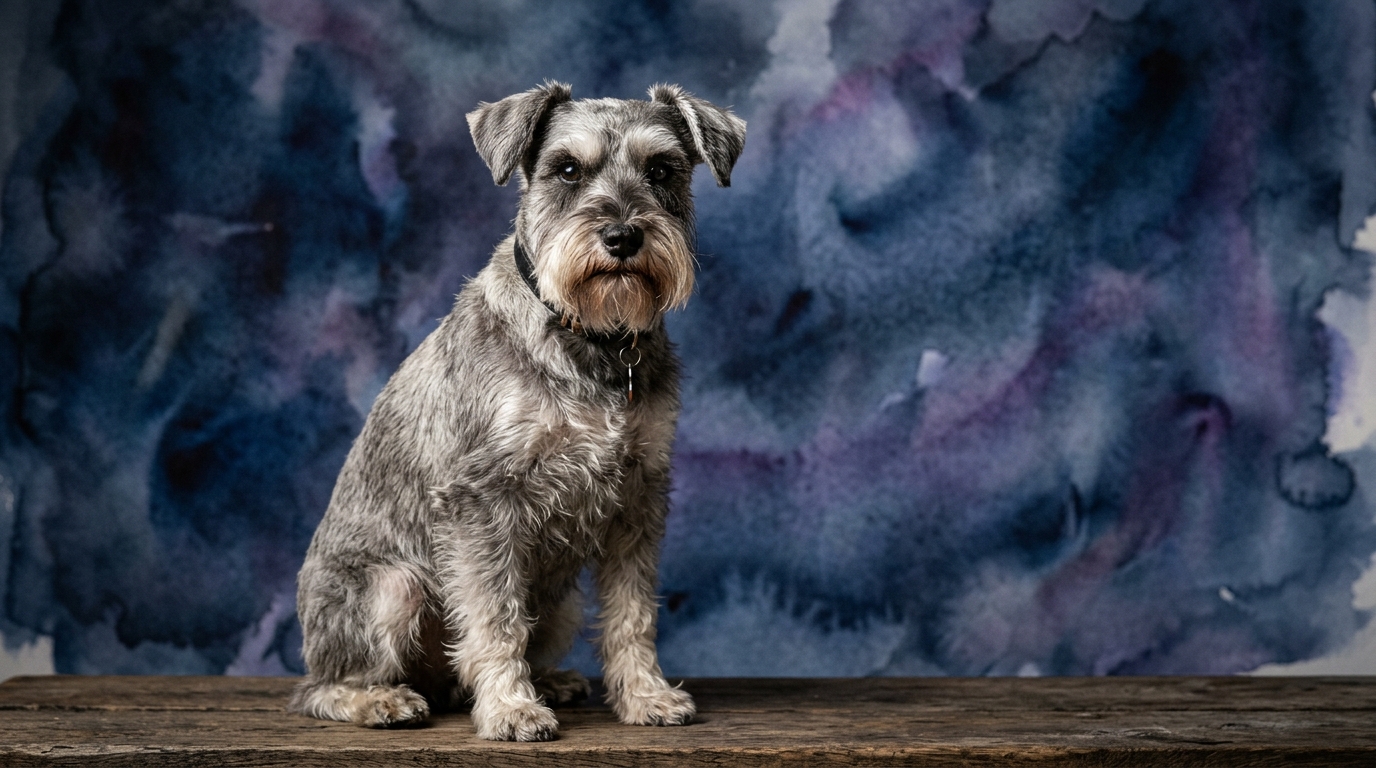
The Cosmic Pet Pet IQ Lab meticulously assesses canine intelligence across five crucial dimensions, offering a granular view of each breed's inherent cognitive architecture. For the Miniature Schnauzer, a breed historically engaged in tasks like ratting and guarding, its profile reflects formidable mental agility and functional intelligence. Its problem-solving capacity rates an impressive 4 out of 5, signifying a strong innate ability to independently navigate complex situations, from figuring out puzzle feeders to adapting to new environments. Training speed is where the Schnauzer truly excels, earning a perfect 5 out of 5; this breed demonstrates extraordinary eagerness to absorb and retain new commands, routines, and behaviors with remarkable swiftness, often requiring minimal repetition. Social intelligence, measuring a dog's ability to interpret human cues, scores a robust 4 out of 5, indicating a keen awareness of its human companions and household dynamics, leading to highly responsive interactions. Its instinctive drive also measures 4 out of 5, pointing to a strong internal motivation often expressed through its terrier heritage—a persistent desire to chase, explore, and guard, requiring appropriate outlets. Finally, memory retention is rated at 4 out of 5, enabling the Schnauzer to recall learned behaviors and past experiences with considerable accuracy. This comprehensive profile places the Miniature Schnauzer at Coren rank #12, affirming its superior working and obedience intelligence.
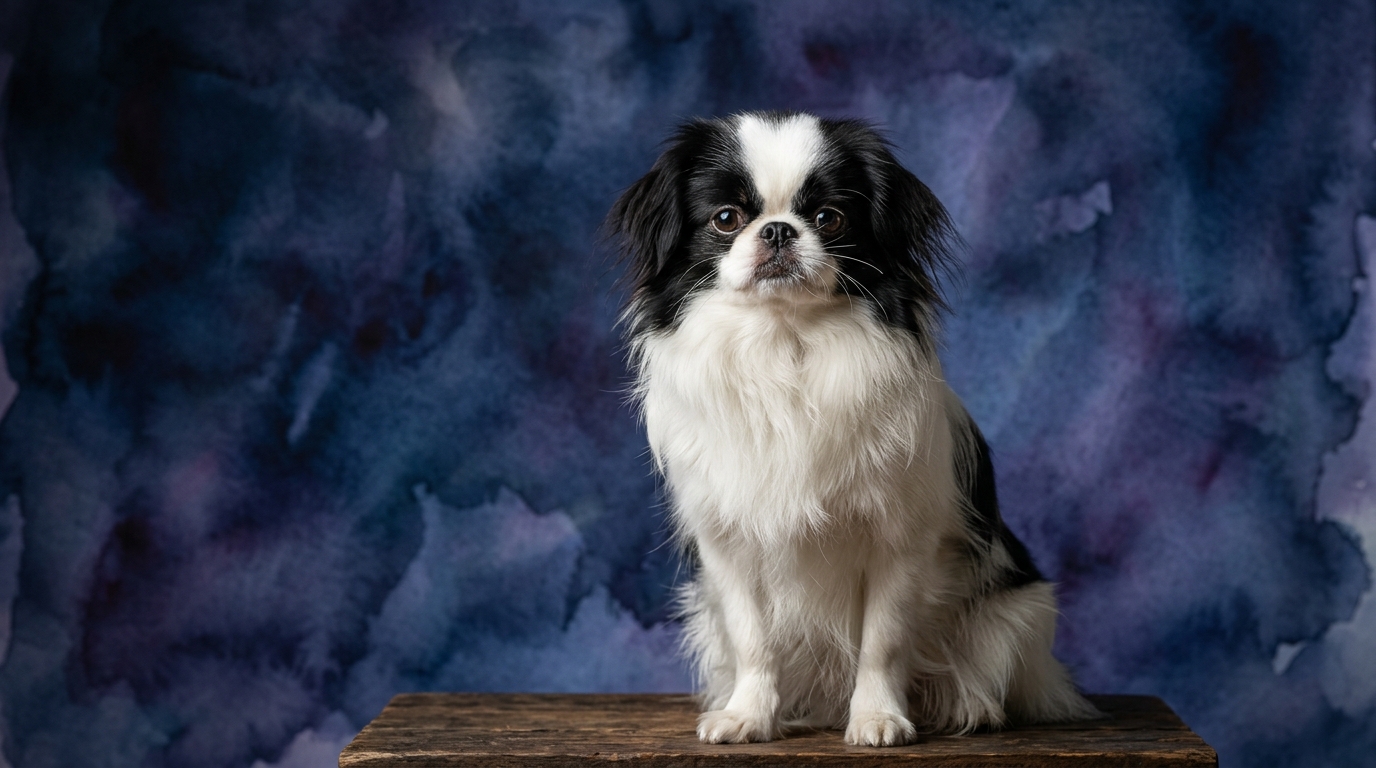
In distinct contrast, the Japanese Chin, cultivated over centuries as a cherished companion for nobility, presents a cognitive blueprint that is moderate yet perfectly suited to its purpose. Across all five dimensions—problem-solving, training speed, social intelligence, instinctive drive, and memory—the Japanese Chin consistently scores 3 out of 5. This problem-solving rating suggests a moderate capacity for independent thought; while capable, they might prefer human guidance for intricate scenarios rather than autonomously devising complex solutions. Their training speed of 3 out of 5 indicates a reasonable ability to learn new commands, though it typically requires more consistent repetition and engaging motivational techniques compared to higher-scoring breeds. Social intelligence at 3 out of 5 means they are adequately attuned to human emotions and social cues, forming deep, affectionate bonds without the intense perceptiveness seen in breeds with higher scores. An instinctive drive of 3 out of 5 suggests a balanced and generally less intense internal motivation, making them less prone to strong prey drives or excessive guarding behaviors, contributing to their calm demeanor. Memory, also at 3 out of 5, implies a satisfactory ability to retain information pertinent to daily routines and basic commands. The Japanese Chin is notably not Coren-ranked, a characteristic for many companion breeds whose cognitive strengths are primarily expressed through adaptability to domestic life and capacity for gentle companionship, rather than traditional working intelligence metrics.
Where the Miniature Schnauzer Wins Cognitively
The Miniature Schnauzer’s cognitive profile clearly positions it as a breed with a superior capacity for active engagement and structured learning. Its 4/5 problem-solving score means it excels at figuring out puzzles, navigating obstacle courses, or even opening cabinets if left unsupervised, demonstrating a proactive approach to its environment. The unparalleled 5/5 training speed is a definitive win; Schnauzers grasp new commands and complex sequences with remarkable quickness, often requiring fewer repetitions than many other breeds. This rapid learning extends beyond basic obedience to advanced tricks, agility, or even scent work, where their memory (4/5) and instinctive drive (4/5) for exploration and task completion further bolster their performance. Their strong social intelligence (4/5) also contributes to their trainability, as they are adept at reading human intentions and responding appropriately, making them highly cooperative partners in training endeavors.
Where the Japanese Chin Wins Cognitively
While the Japanese Chin's cognitive scores are consistently moderate at 3/5 across the board, these very attributes can be perceived as cognitive strengths within specific contexts, particularly for owners seeking a less demanding companion. Its moderate problem-solving capacity means it is less likely to independently devise mischievous schemes or outwit its owners in complex ways, leading to a generally more predictable and manageable household environment. The 3/5 social intelligence, while not as acutely perceptive as the Schnauzer's, contributes to a balanced demeanor; the Chin forms deep, affectionate bonds without being overly dependent or requiring constant mental stimulation from its human partners. This allows them to be content with self-amusement or quiet companionship. Furthermore, a moderate instinctive drive (3/5) results in fewer intense urges for hunting, guarding, or excessive territoriality, making the Chin an inherently calmer presence and reducing the potential for behavioral issues driven by strong innate impulses. For owners who value serenity and a gentle disposition, the Chin's cognitive profile means less cognitive "noise" and a more placid mental landscape.
Which is Easier to Train and Why
Based on the IQ Lab's metrics, the Miniature Schnauzer is definitively easier to train, primarily due to its exceptional 5/5 training speed compared to the Japanese Chin's 3/5. Schnauzers exhibit an almost eager-to-please attitude and a remarkable ability to process and retain new information quickly. They often pick up basic commands in just a few repetitions, thriving on the mental challenge and positive reinforcement. This receptiveness, combined with their 4/5 problem-solving skills, means they can quickly generalize learned behaviors to new situations. In contrast, the Japanese Chin, with its 3/5 training speed, requires more patience and consistent repetition. While capable of learning, they may not possess the same intrinsic motivation for complex tasks or the rapid information absorption of the Schnauzer. Their training might proceed at a more leisurely pace, and they may be more easily distracted if the training isn't engaging or if the rewards aren't compelling enough, often preferring to engage on their own terms rather than constantly seeking direction.
Which Suits Active vs. Relaxed Owners
The Miniature Schnauzer's robust cognitive profile, marked by a 4/5 problem-solving score and a 4/5 instinctive drive, makes it an ideal match for active owners. These dogs thrive on mental and physical challenges, enjoying activities like agility, obedience trials, long walks, and puzzle toys that engage their sharp minds and satisfy their inherent drive. Their capacity for rapid learning means they can quickly master new sports or routines, making them excellent partners for owners who enjoy consistent training and outdoor adventures. Conversely, the Japanese Chin, with its consistent 3/5 ratings across all cognitive dimensions, is perfectly suited for more relaxed owners. Their moderate instinctive drive means they are content with less intense exercise and mental stimulation, often preferring short strolls and ample cuddle time. While they still benefit from engagement, their cognitive makeup suggests they are less prone to restlessness or destructive behaviors if not constantly challenged, making them excellent companions for those seeking a tranquil and affectionate presence in their home.
The Verdict
Opt for a Miniature Schnauzer if you desire an engaged, quick-learning companion eager for structured activities, mental challenges, and consistent training. This breed excels with active owners who appreciate a dog that thrives on purpose and partnership.
Select a Japanese Chin if you seek a calm, affectionate, and relatively undemanding companion content with a relaxed lifestyle and moderate engagement. This breed is ideal for owners who prioritize serenity and a gentle presence.
🧠 Find Your Pet's IQ Score
Our Pet IQ Lab assessment covers 25+ tests across 5 cognitive dimensions — personalized to your breed.
Take the Full IQ Test →Frequently Asked Questions
Do Japanese Chins require less mental stimulation than Miniature Schnauzers?
Yes, based on their cognitive profiles, Japanese Chins generally require less intense and varied mental stimulation. Their moderate problem-solving and instinctive drive mean they are less prone to boredom or mischief if not constantly challenged, unlike the more task-oriented Miniature Schnauzer.
Are Miniature Schnauzers prone to being overly independent due to their problem-solving skills?
While Miniature Schnauzers possess strong problem-solving skills (4/5), they are also highly socially intelligent (4/5) and eager to please, meaning their independence is often channeled into cooperative tasks. However, if left without sufficient mental engagement, they may use these skills to find their own "work," which can sometimes include unintended mischief.
How does the "not Coren-ranked" status of the Japanese Chin reflect on its intelligence?
The absence of a Coren rank for the Japanese Chin does not imply a lack of intelligence, but rather that its cognitive strengths align more with companionability than with traditional working dog metrics. Its moderate scores across the board indicate a well-balanced temperament perfectly suited for its role as an affectionate and adaptable pet, without the intense drive or rapid learning associated with highly ranked working breeds.