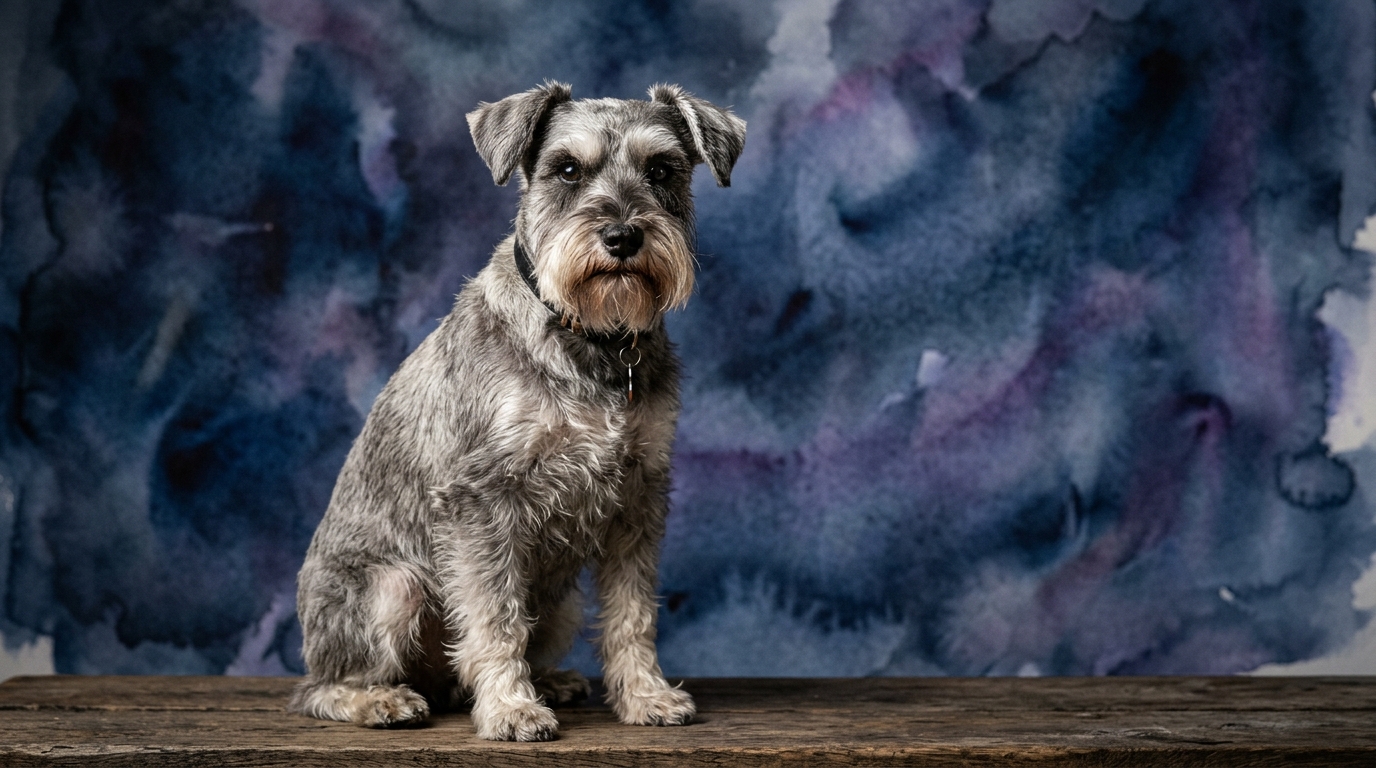
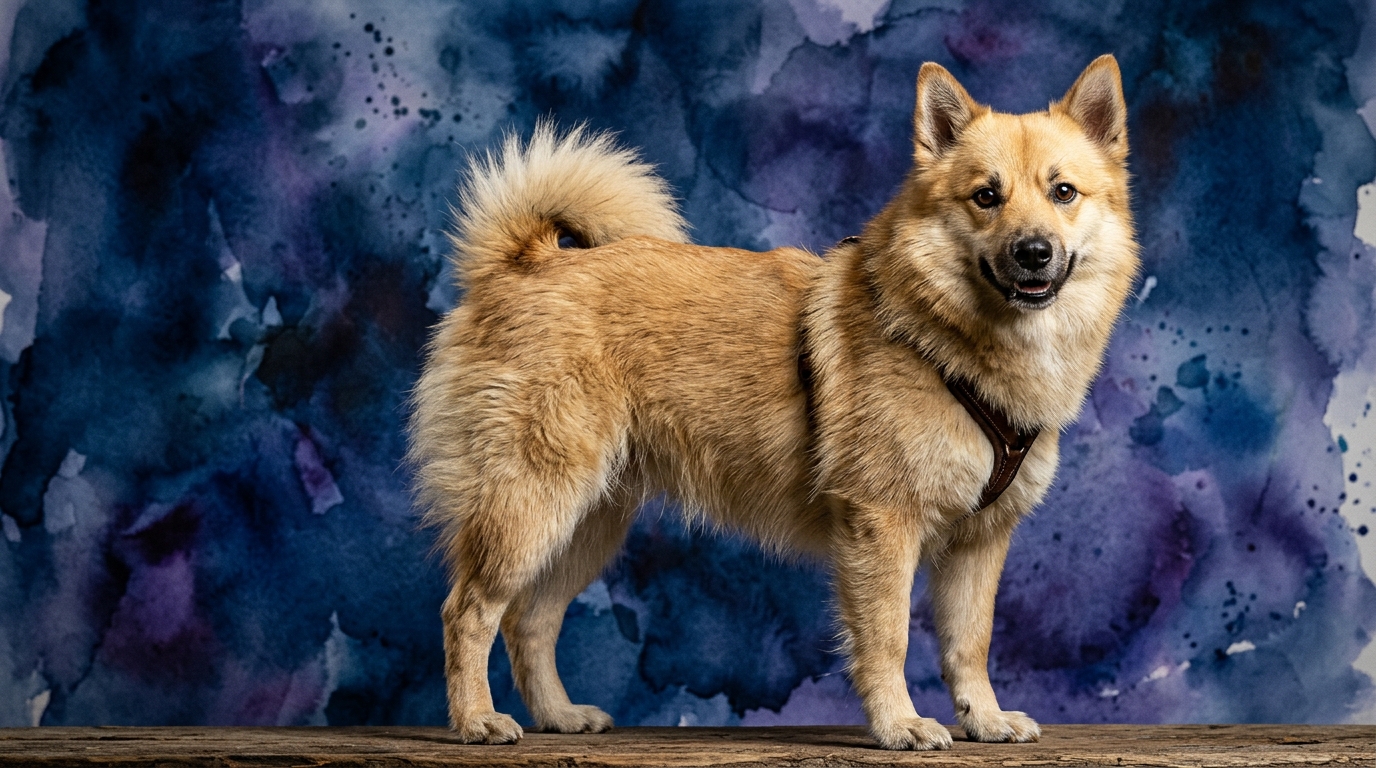
Side-by-Side IQ Profile: Miniature Schnauzer vs. Norwegian Buhund
When examining the specific cognitive dimensions, distinct patterns emerge between the Miniature Schnauzer and the Norwegian Buhund.
**Problem Solving:** The Miniature Schnauzer, with a 4/5 score, demonstrates a strong aptitude for independent thought, often devising clever strategies to overcome obstacles or access desired items. This terrier grit translates into persistent mental engagement. In contrast, the Norwegian Buhund's 3/5 score suggests a moderate capacity for problem-solving; they learn through experience but may require more direct guidance to navigate complex challenges, preferring simpler, more straightforward solutions.
**Training Speed:** Here, the Miniature Schnauzer truly excels with a perfect 5/5, indicating an exceptional ability to grasp new commands and routines with minimal repetitions. They are highly responsive and eager learners. The Norwegian Buhund, at 3/5, learns at an average pace, requiring consistent reinforcement and patience to solidify new behaviors. While trainable, their learning curve is generally less rapid.
**Social Intelligence:** Both breeds display good social acumen, but the Miniature Schnauzer's 4/5 score points to a more nuanced understanding of human and canine social cues, allowing for perceptive interactions and strong, responsive bonds. The Norwegian Buhund’s 3/5 score indicates a solid, but perhaps less subtle, ability to interpret social dynamics, often preferring clear, unambiguous communication from their human companions.
**Instinctive Drive:** The Miniature Schnauzer’s 4/5 reflects a pronounced terrier drive for pursuit, digging, and alerting, rooted in their vermin-hunting heritage. This translates into focused, persistent energy that requires appropriate outlets. The Norwegian Buhund’s 3/5 signifies a moderate herding drive, leading to inclinations to gather, patrol, and protect their family. While present, this drive is generally less intense than the Schnauzer's focused terrier impulses.
**Memory:** A 4/5 score for the Miniature Schnauzer highlights their strong retention of learned behaviors and experiences, contributing to consistent performance and needing fewer refreshers. The Norwegian Buhund’s 3/5 score indicates an average memory capacity; they retain information but may benefit from occasional practice sessions to keep less frequently used commands sharp.
Where the Miniature Schnauzer Wins Cognitively
The Miniature Schnauzer clearly outshines the Norwegian Buhund across all five cognitive dimensions, making it the more cognitively agile choice for owners prioritizing specific intellectual traits. Their superior Problem Solving (4/5 vs 3/5) means Schnauzers are more likely to independently figure out how to navigate obstacles or retrieve items, showcasing a terrier tenacity in seeking solutions. Their perfect Training Speed (5/5 vs 3/5) enables rapid mastery of complex commands or agility courses with minimal repetitions, rewarding advanced training enthusiasts. The Schnauzer's stronger Social Intelligence (4/5 vs 3/5) suggests a more nuanced ability to read human emotions, potentially leading to a highly responsive companion. Furthermore, their superior Memory (4/5 vs 3/5) ensures consistent retention of learned skills and social understandings.
Where the Norwegian Buhund Wins Cognitively (in Suitability)
While the Miniature Schnauzer demonstrates higher scores, framing 'wins' for the Norwegian Buhund shifts to suitability. The Buhund's moderate Instinctive Drive (3/5 vs 4/5 for MS) can be an advantage for owners desiring a less intense working impulse. Their herding instincts, while present, are often more adaptable to a family setting without the same urgency as a terrier's vermin drive, potentially making them less prone to hyper-focusing on small movements or digging. Similarly, their moderate Problem Solving (3/5) means they are capable of learning but might be less inclined to autonomously 'redecorate' or test boundaries with inventive persistence. For owners who prefer to initiate activity and guidance rather than constantly managing independent canine endeavors, the Buhund's balanced cognitive profile can be less demanding, offering a more predictable and less 'busy' companion in a relaxed household.
Which Is Easier to Train and Why
Based on The Cosmic Pet Pet IQ Lab metrics, the Miniature Schnauzer is definitively the easier breed to train. Their perfect Training Speed (5/5) means they absorb new commands and behaviors with remarkable alacrity, often mastering a trick in just a few sessions, complemented by a strong Memory (4/5) that ensures lessons stick. For example, teaching a complex retrieve or agility sequence requires fewer repetitions. While their Instinctive Drive (4/5) for chasing and alerting needs consistent channeling, their overall cognitive profile is geared for rapid, efficient learning. In contrast, the Norwegian Buhund, with a Training Speed of 3/5 and Memory of 3/5, will require more patience and consistency. While perfectly trainable, they need more repetitions to solidify new commands; house-training or leash manners might take longer to establish. Their moderate Instinctive Drive (3/5) means fewer distractions from innate impulses during training, but the learning curve is simply less rapid than the Schnauzer's.
Which Suits Active Owners vs. Relaxed Owners
For active owners seeking a canine partner who thrives on mental engagement and consistent activity, the Miniature Schnauzer is an ideal match. Their 4/5 Problem Solving and 4/5 Instinctive Drive mean they flourish with opportunities for advanced obedience, agility, or engaging puzzle toys, requiring daily structured walks and continuous learning. Their 4/5 Social Intelligence also means deep involvement in family activities and adaptability to varied social environments when adequately stimulated. Conversely, for owners appreciating a more relaxed pace, the Norwegian Buhund’s cognitive profile (3/5 across the board) offers a harmonious fit. While still needing regular exercise, their moderate drives and problem-solving inclinations mean they may be content with a predictable routine without constantly seeking complex mental challenges. A Buhund might be less likely to invent its own entertainment if unstimulated, preferring to observe or nap, making them suitable for households that appreciate a dog with more self-sufficiency in downtime.
The Verdict
Choose the Miniature Schnauzer if you desire a highly trainable, quick-witted companion eager for mental challenges and capable of mastering complex tasks swiftly, and you are prepared to channel their strong instinctive drives.
Choose the Norwegian Buhund if you seek a moderately active, adaptable dog with a balanced temperament, who learns consistently with patience, and whose inherent drives are present but generally less intense, fitting well into a home that values a steadier cognitive pace.
🧠 Find Your Pet's IQ Score
Our Pet IQ Lab assessment covers 25+ tests across 5 cognitive dimensions — personalized to your breed.
Take the Full IQ Test →Frequently Asked Questions
Is a Miniature Schnauzer smarter than a Norwegian Buhund?
Based on The Cosmic Pet Pet IQ Lab metrics, the Miniature Schnauzer scores higher across all five cognitive dimensions, indicating a more agile and quicker-learning intellect. While both breeds are capable, the Schnauzer generally demonstrates greater problem-solving ability, faster training speed, and stronger memory.
Which breed is easier to live with for a first-time dog owner?
For a first-time owner, the Norwegian Buhund might be slightly easier due to its generally less intense instinctive drives and moderate cognitive demands, requiring consistent but not overly complex engagement. The Miniature Schnauzer, while highly trainable, requires more dedicated mental stimulation to prevent boredom and potential mischievousness stemming from its higher problem-solving and drive.
Do Norwegian Buhunds have strong herding instincts?
Yes, Norwegian Buhunds possess a moderate herding drive (3/5), reflecting their historical role as livestock guardians and herders. This instinct can manifest as a desire to gather family members or patrol their territory, though it's generally less intense than in highly specialized herding breeds and is manageable with appropriate training and outlets.