Side-by-Side IQ Profile
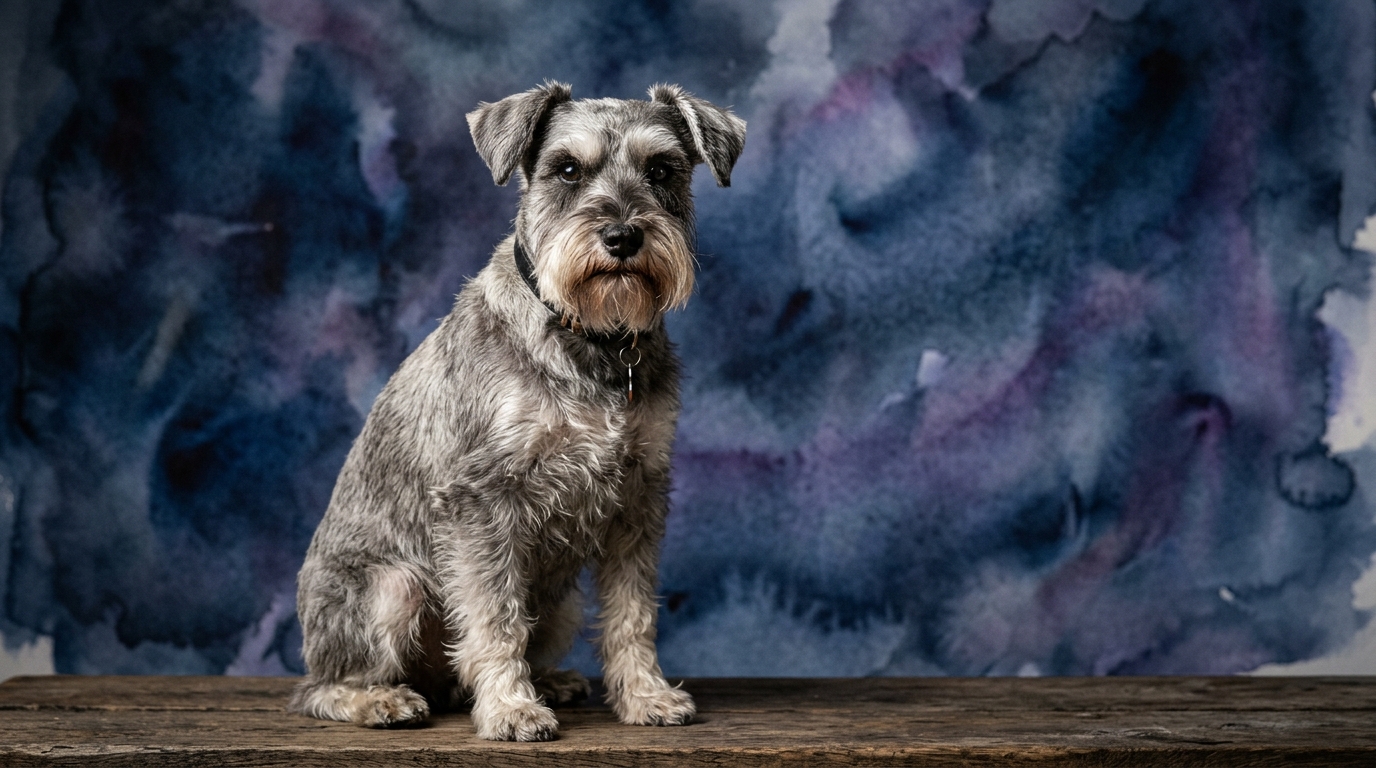
The Miniature Schnauzer, Coren-ranked at #12, showcases a comprehensive cognitive toolkit suited for a companion and versatile working dog. Their Problem Solving is rated 4/5, indicating a strong aptitude for navigating novel situations and adapting learned behaviors to new contexts. Training Speed is an impressive 5/5, meaning they grasp new cues and routines with remarkable swiftness, often requiring minimal repetitions. Social Intelligence stands at 4/5, demonstrating their adeptness at reading human emotions and intentions, fostering strong bonds and cooperative learning. Their Instinctive Drive, at 4/5, reflects a substantial prey drive and alert nature, typical of terriers, which can be channeled effectively in various activities. Lastly, their Memory is also 4/5, allowing for robust retention of commands, routines, and experiences.
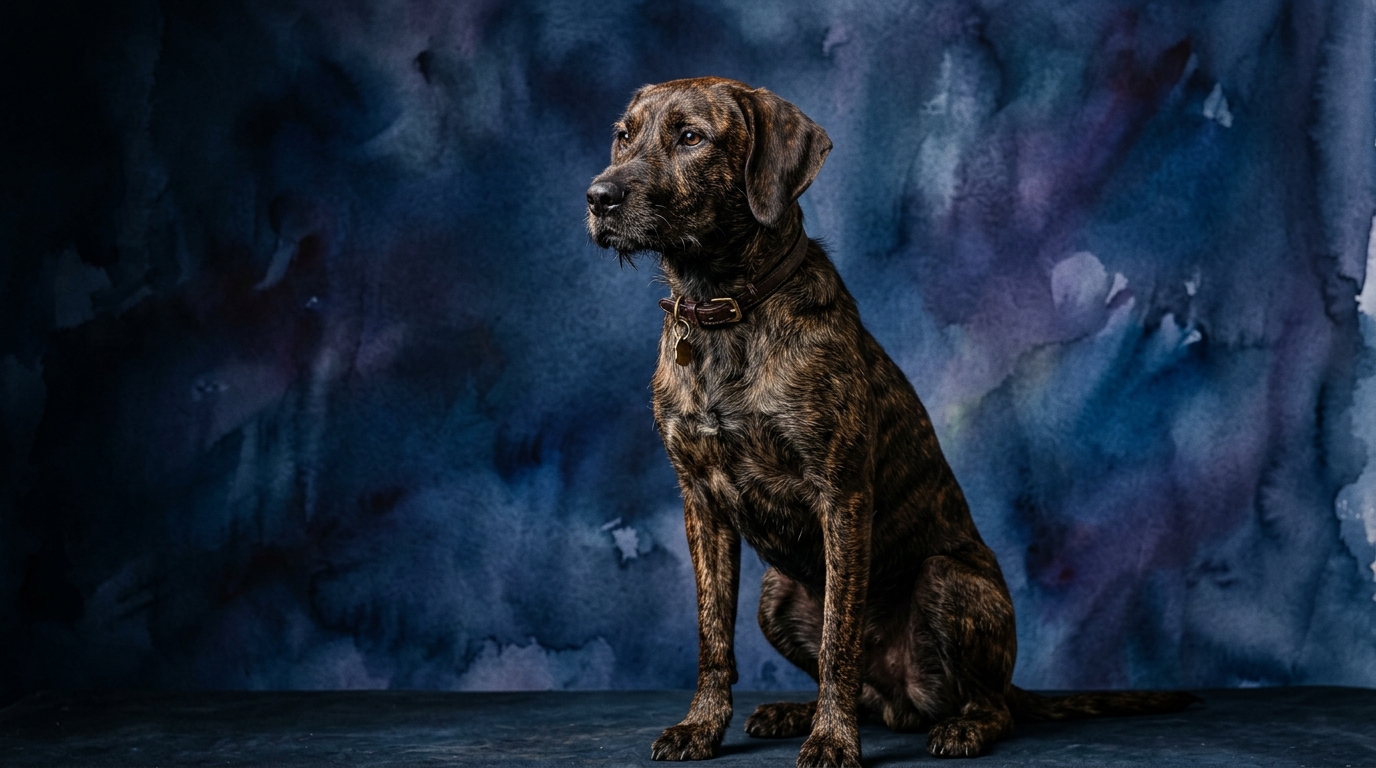
In contrast, the Plott Hound, unranked by Coren, possesses a cognitive profile deeply specialized for its ancestral work. Their Problem Solving is 3/5, manifesting as focused, persistent methods particularly when involving scent work or navigating complex terrain, often driven by instinct rather than abstract reasoning. Training Speed is 3/5; while capable, their independent nature and focus on environmental stimuli can moderate their pace of learning human directives. Social Intelligence is 3/5; they form deep bonds but their interactions can be more straightforward, sometimes prioritizing a compelling scent over a social invitation. The Instinctive Drive, also 3/5, is profoundly specialized and powerful, centered almost entirely on tracking and treeing game, showcasing an unwavering focus in their primary function. Their Memory, rated 3/5, is functional for routines and familiar people, but recall of specific commands might be less instantaneous, especially when instinctual triggers are present.
Where Miniature Schnauzer Wins Cognitively
The Miniature Schnauzer clearly excels in areas demanding quick comprehension and versatile application of learned behaviors. Their Coren ranking of 12 is a testament to their capacity for general obedience and their ability to adapt to a wide array of human-centric tasks. Owners often report their Schnauzers picking up new tricks or complex command sequences with striking efficiency, demonstrating a strong grasp of cause and effect in human interactions.
This breed's superior Training Speed (5/5) means they not only learn commands rapidly but also internalize the concept of learning, making them highly amenable to ongoing education and various dog sports like agility or rally obedience. Furthermore, their Problem Solving (4/5) combined with Social Intelligence (4/5) allows them to adeptly navigate domestic environments, understanding household rules and even anticipating owner routines, which contributes to a seamless integration into family life. They are often noted for their ability to 'figure out' how to get what they want within established boundaries, showcasing a nuanced understanding of their environment and the people within it.
Where Plott Hound Wins Cognitively
While the Plott Hound's general IQ scores might appear lower, their cognitive strengths lie in a profoundly specialized domain: scent-driven work and persistent pursuit. Their Instinctive Drive (3/5) is not a measure of weakness but rather an indicator of a highly focused, almost singular mental dedication to tracking. In situations demanding unwavering concentration on a scent trail, navigating complex outdoor terrain, and demonstrating sheer endurance in pursuit, the Plott Hound's cognitive architecture shines.
Their Problem Solving (3/5) manifests as an incredible ability to untangle confusing scent patterns and overcome physical obstacles to reach a quarry, a form of intelligence that is far removed from parlor tricks but essential for their original purpose. This breed's memory, though rated 3/5, is particularly robust when it comes to recalling specific hunting routes or the scent signatures of particular animals, illustrating a powerful, context-specific retention that serves their primary function. This breed doesn't simply follow a trail; they interpret it, making decisions based on subtle environmental cues that would be imperceptible to most other breeds, showcasing a deep, primal form of cognitive mastery.
Which Is Easier to Train and Why
The Miniature Schnauzer clearly presents as the easier breed to train for general obedience and companion tasks. Their exceptional Training Speed (5/5) means they typically require fewer repetitions to grasp new commands, and their inherent desire to please, coupled with their strong Social Intelligence (4/5), makes them attentive and eager learners. They thrive on positive reinforcement and mental engagement, often viewing training sessions as enjoyable collaborative activities. For example, teaching a Miniature Schnauzer to 'stay' might involve a handful of short, focused sessions before they reliably hold the position, motivated by praise and treats.
Conversely, the Plott Hound, with a Training Speed of 3/5, requires a more patient, consistent, and creative approach. Their strong, specialized Instinctive Drive (3/5) means they can be easily distracted by compelling scents or the lure of the outdoors, often prioritizing these over human directives. A Plott Hound learning 'stay' might initially struggle to hold the command if a squirrel runs by or an interesting odor drifts past, their focus drawn away by their primal instincts. Their independence, a valuable trait in a hunting dog expected to work autonomously, translates into a need for training methods that respect their drive while channeling it. This often involves incorporating scent work into their training, making it rewarding and relevant to their natural inclinations, rather than trying to suppress their fundamental nature. While they are certainly trainable, their process demands a deeper understanding of hound motivation and a commitment to long-term, engaging instruction.
Which Suits Active Owners vs Relaxed Owners
For owners seeking a companion that can adapt to a moderately active lifestyle and enjoys varied mental stimulation, the Miniature Schnauzer is often a fitting choice. While they are energetic terriers requiring daily walks and play, their adaptability allows them to thrive in various living situations, from apartments to homes with yards, provided their mental and physical needs are met. They enjoy learning new tricks, participating in dog sports, and being involved in family activities, making them suitable for owners who can dedicate time to regular engagement but might not be extreme athletes. Their problem-solving abilities mean they appreciate puzzles and enrichment toys, fulfilling their cognitive needs without requiring vast outdoor spaces.
The Plott Hound, however, is unequivocally suited for highly active owners who embrace an outdoor, adventurous lifestyle. Their profound instinctive drive and physical endurance demand significant daily exercise, ideally involving opportunities for off-leash exploration in secure areas where they can indulge their powerful sense of smell. Owners who enjoy hiking, trail running, or even participating in scent work or tracking sports will find a willing and capable partner in a Plott. A 'relaxed' owner who prefers minimal activity might find themselves overwhelmed by the Plott's need for physical and mental exertion, which, if unmet, can lead to frustration and undesirable behaviors like excessive vocalization or destructive chewing. Their independent nature also means they benefit from owners who understand and respect their hound tendencies, providing consistent leadership and ample outlets for their natural instincts.
The Verdict
Opt for a Miniature Schnauzer if you desire a highly trainable, socially perceptive companion eager to participate in diverse family activities and dog sports, thriving on quick learning and consistent mental engagement within a manageable exercise routine.
Select a Plott Hound if you are an active, outdoors-oriented individual or family prepared to channel their profound scent drive and independence through extensive exercise, dedicated training, and opportunities for tracking or similar instinctual work.
🧠 Find Your Pet's IQ Score
Our Pet IQ Lab assessment covers 25+ tests across 5 cognitive dimensions — personalized to your breed.
Take the Full IQ Test →Frequently Asked Questions
Are Plott Hounds difficult to train for basic obedience?
Plott Hounds are not 'difficult' in the sense of being untrainable, but their independence and powerful scent drive mean they require more patience and consistency than many other breeds. They learn best with positive reinforcement, engaging methods, and training that respects their natural instincts, rather than trying to suppress them.
Do Miniature Schnauzers need a lot of exercise to stay content?
Miniature Schnauzers, as terriers, possess a good amount of energy and require regular daily exercise, typically 30-60 minutes of brisk walking or playtime, along with mental stimulation. While not extreme athletes, consistent activity prevents boredom and supports their balanced temperament.
Which breed is generally better for a first-time dog owner?
For a first-time dog owner, the Miniature Schnauzer is generally a more manageable choice due to their higher training speed, eagerness to please, and adaptability to various living situations. The Plott Hound's intense exercise requirements and independent nature can be challenging for those new to dog ownership.