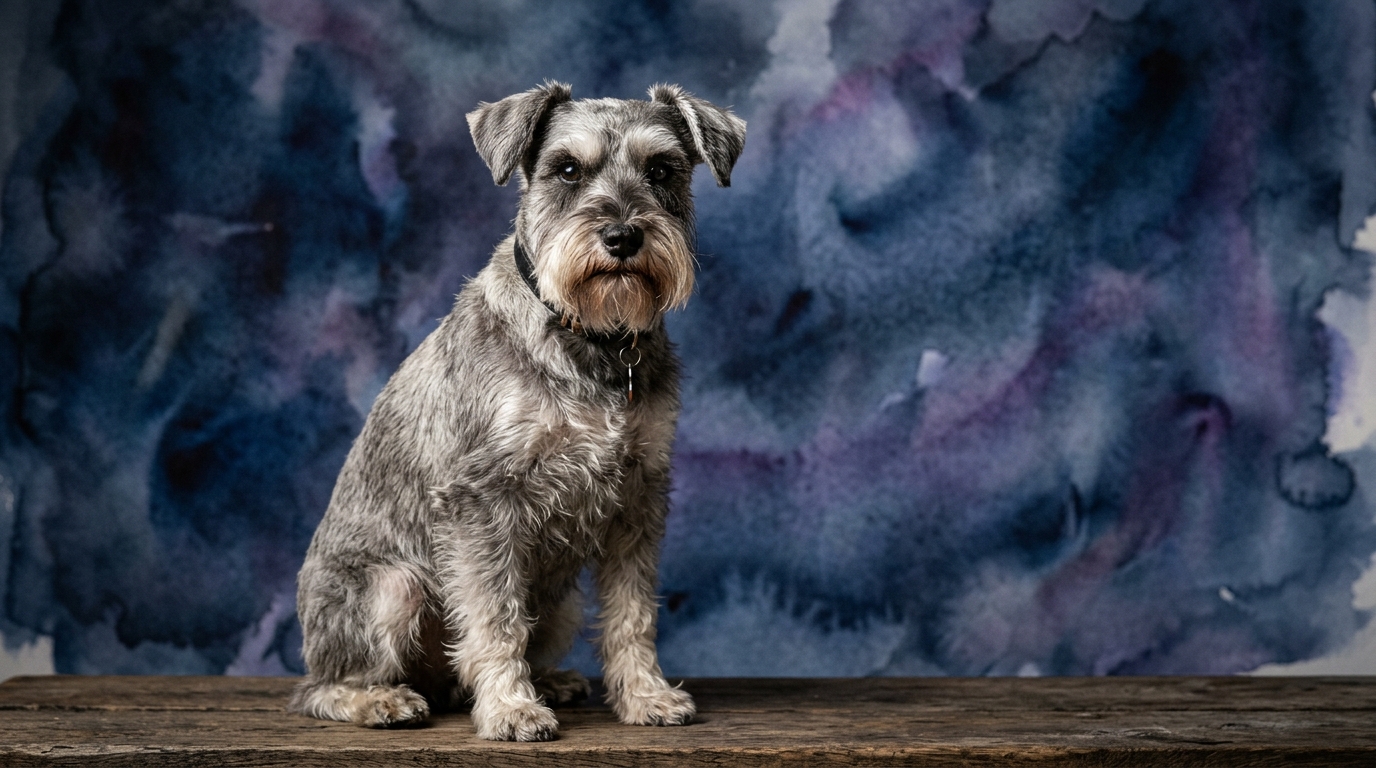
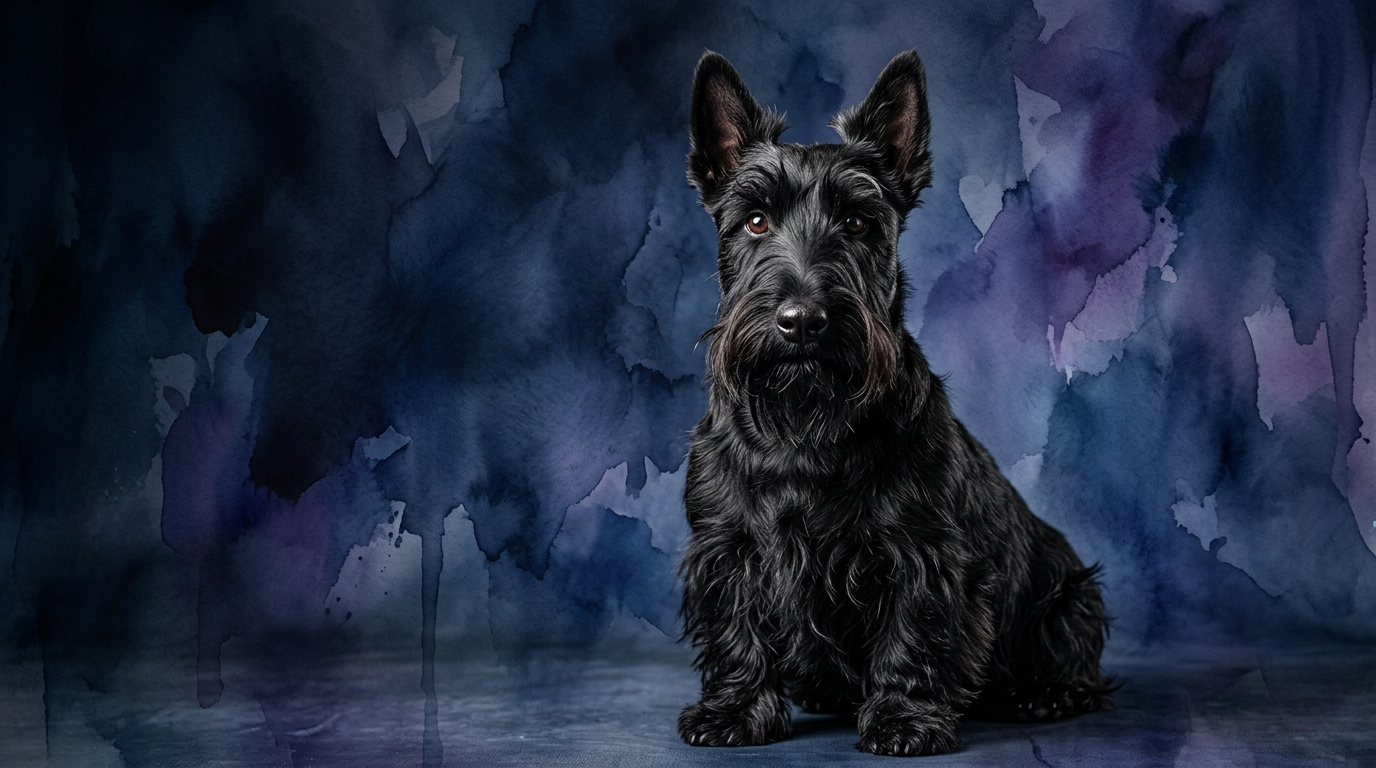
Side-by-Side IQ Profile: Miniature Schnauzer vs. Scottish Terrier
The Cosmic Pet Pet IQ Lab employs a five-dimensional framework to assess canine intelligence, offering a nuanced understanding beyond simple obedience. For the Miniature Schnauzer, ranked #12 by Coren, and the Scottish Terrier, ranked #65, these dimensions paint distinct cognitive portraits.
The Miniature Schnauzer demonstrates a Problem Solving score of 4/5, indicating a resourceful ability to navigate new challenges and figure out complex tasks, often with a keen eye for detail. Their Training Speed is an exceptional 5/5, reflecting a remarkable aptitude for quickly grasping and executing new commands and routines, making them highly receptive learners. Social Intelligence, at 4/5, highlights their attunement to human cues and their capacity to adapt behavior based on social context, often seeking to understand and cooperate. An Instinctive Drive of 4/5 suggests a pronounced but manageable prey drive and a natural inclination for terrier-typical activities, which they channel effectively. Finally, their Memory at 4/5 means they retain lessons, experiences, and learned behaviors reliably over time.
In contrast, the Scottish Terrier presents a different cognitive profile. Their Problem Solving score of 3/5 indicates they can solve challenges, though they might approach them with more deliberation or require more repetitions to solidify a solution compared to their Schnauzer counterparts. Training Speed, also at 3/5, suggests they learn at a steady, average pace, often requiring consistent, patient reinforcement to integrate new commands effectively into their repertoire. Social Intelligence at 3/5 points to an ability to understand social cues, but often with a strong independent streak, meaning they might prioritize their own motivations over human direction in certain situations. An Instinctive Drive of 3/5 signifies a focused, often single-minded, drive for tasks like digging or tracking, which can be intense but typically less broad in scope than other terriers. Their Memory, at 3/5, means they remember commands and experiences adequately, though perhaps not with the same immediate recall as a Miniature Schnauzer.
Where the Miniature Schnauzer Wins Cognitively
The Miniature Schnauzer truly shines in areas demanding rapid cognitive processing and social engagement. Their 4/5 Problem Solving score, combined with a 5/5 Training Speed, means they are exceptionally quick to connect actions with consequences and to generalize learned behaviors to new situations. For instance, a Miniature Schnauzer will often master complex multi-step tricks or agility courses with fewer repetitions, quickly understanding the sequence and purpose. Their 4/5 Social Intelligence allows them to pick up on subtle human body language and vocal inflections, making them highly responsive partners in activities like dog sports or even just daily interactions, where they often anticipate owner intentions.
Where the Scottish Terrier Wins Cognitively
While their scores may suggest a more measured approach, the Scottish Terrier's cognitive strengths lie in their focused tenacity and robust independence. Their 3/5 Instinctive Drive, though not as broad as a Schnauzer's, often translates into a deep, unwavering concentration on a specific task once engaged, such as tracking a scent or investigating a burrow. This single-minded determination, coupled with their 3/5 Problem Solving, means that while they might take longer to figure out a puzzle, they are less likely to give up until they succeed. Their independence (reflected in their 3/5 Social Intelligence) isn't a lack of intelligence, but a self-reliant cognitive style that allows them to make decisions and pursue objectives without constant human validation, a trait valued by owners who appreciate a dog with strong self-will.
Which is Easier to Train and Why
When it comes to ease of training, the Miniature Schnauzer generally presents a more straightforward experience for most owners. Their exceptional 5/5 Training Speed means they absorb new commands rapidly, often requiring only a few repetitions to understand and perform a desired behavior. This quick learning, coupled with their 4/5 Social Intelligence, makes them eager to please and highly attuned to their trainer's feedback, actively seeking to cooperate. They thrive on positive reinforcement and will quickly pick up on routines and cues, making house-training, leash manners, and advanced obedience relatively smooth endeavors.
The Scottish Terrier, with its 3/5 Training Speed and 3/5 Social Intelligence, requires a different approach to training. Their inherent independence and strong self-will mean they often need more consistent, patient, and creative methods. They may not be as inherently motivated to please and can sometimes be perceived as stubborn if training isn't engaging or if they don't see the immediate benefit. Real behavioral differences include their tendency to follow their nose or instincts over a command if not properly motivated, and their potential to test boundaries more frequently. Successful training with a Scottie often involves making it a game, maintaining a positive and firm demeanor, and understanding that while they learn, it might be at their own considered pace.
Which Suits Active Owners vs. Relaxed Owners
For active owners seeking a dynamic partner for various dog sports, consistent training, and frequent adventures, the Miniature Schnauzer is often the more suitable choice. Their 4/5 Instinctive Drive and 4/5 Problem Solving make them enthusiastic participants in activities like agility, obedience, and even flyball, where their quick thinking and responsiveness are assets. They thrive on mental engagement and physical activity, enjoying a structured routine that includes regular training sessions and opportunities to use their sharp minds.
Owners who appreciate a more self-sufficient companion, perhaps preferring a less demanding interactive style while still providing mental stimulation, might find the Scottish Terrier a better fit. While they still require daily walks and mental engagement, their 3/5 Social Intelligence means they are content with periods of independent exploration or quiet companionship. They are excellent for owners who enjoy a dog with distinct personality and a robust sense of self, capable of entertaining themselves but always ready for a focused play session or a purposeful stroll around the neighborhood.
The Verdict
Choose a Miniature Schnauzer if you desire a highly trainable, socially responsive dog eager to participate in various activities and learn new things quickly. They are ideal for owners who enjoy consistent engagement and structured training.
Opt for a Scottish Terrier if you appreciate a dog with strong independence, focused determination, and a unique, self-reliant personality that thrives on consistent, patient guidance and purposeful activities.
🧠 Find Your Pet's IQ Score
Our Pet IQ Lab assessment covers 25+ tests across 5 cognitive dimensions — personalized to your breed.
Take the Full IQ Test →Frequently Asked Questions
Are Miniature Schnauzers good family dogs?
Yes, Miniature Schnauzers often make excellent family dogs due to their social intelligence (4/5) and adaptability. They typically form strong bonds with their families and are usually good with children, especially when properly socialized from a young age.
Do Scottish Terriers need a lot of exercise?
Scottish Terriers require moderate daily exercise, typically a good walk or two to satisfy their instinctive drive (3/5). While not as high-energy as some breeds, consistent physical and mental engagement is important to prevent boredom and channel their terrier instincts.
Which breed is better for first-time dog owners?
For first-time dog owners, the Miniature Schnauzer is generally easier due to their 5/5 training speed and eagerness to please. The Scottish Terrier's independence and more deliberate learning pace (3/5) can be more challenging for those new to dog ownership, requiring greater patience and consistency.