Side-by-Side IQ Profile: Schnauzer vs. Husky
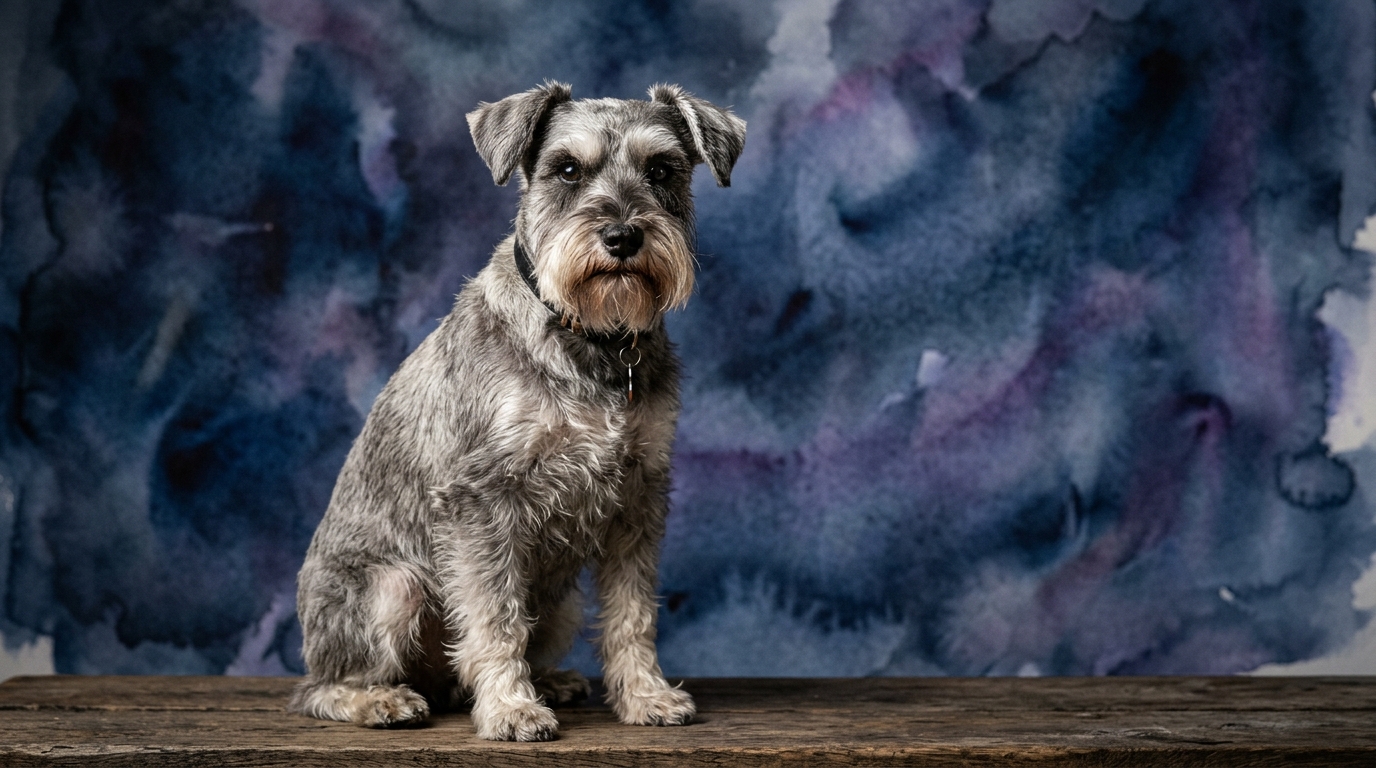
The Cosmic Pet Pet IQ Lab assesses canine intelligence across five crucial dimensions, offering a nuanced view beyond simple rankings. For the Miniature Schnauzer, a Terrier breed, these scores reflect a heritage of alert companionship and pest control. Its Coren rank of #12 places it among breeds that grasp new commands quickly, showcasing a Problem Solving score of 4/5, indicating a strong capacity to navigate domestic challenges and learn complex tasks. Training Speed is a remarkable 5/5, reflecting their eager-to-please nature and responsiveness to direction. Social Intelligence, at 4/5, highlights their attunement to human cues and desire for interactive engagement. An Instinctive Drive of 4/5 points to their terrier tenacity and alertness, while Memory, also at 4/5, ensures they retain learned behaviors and experiences effectively.
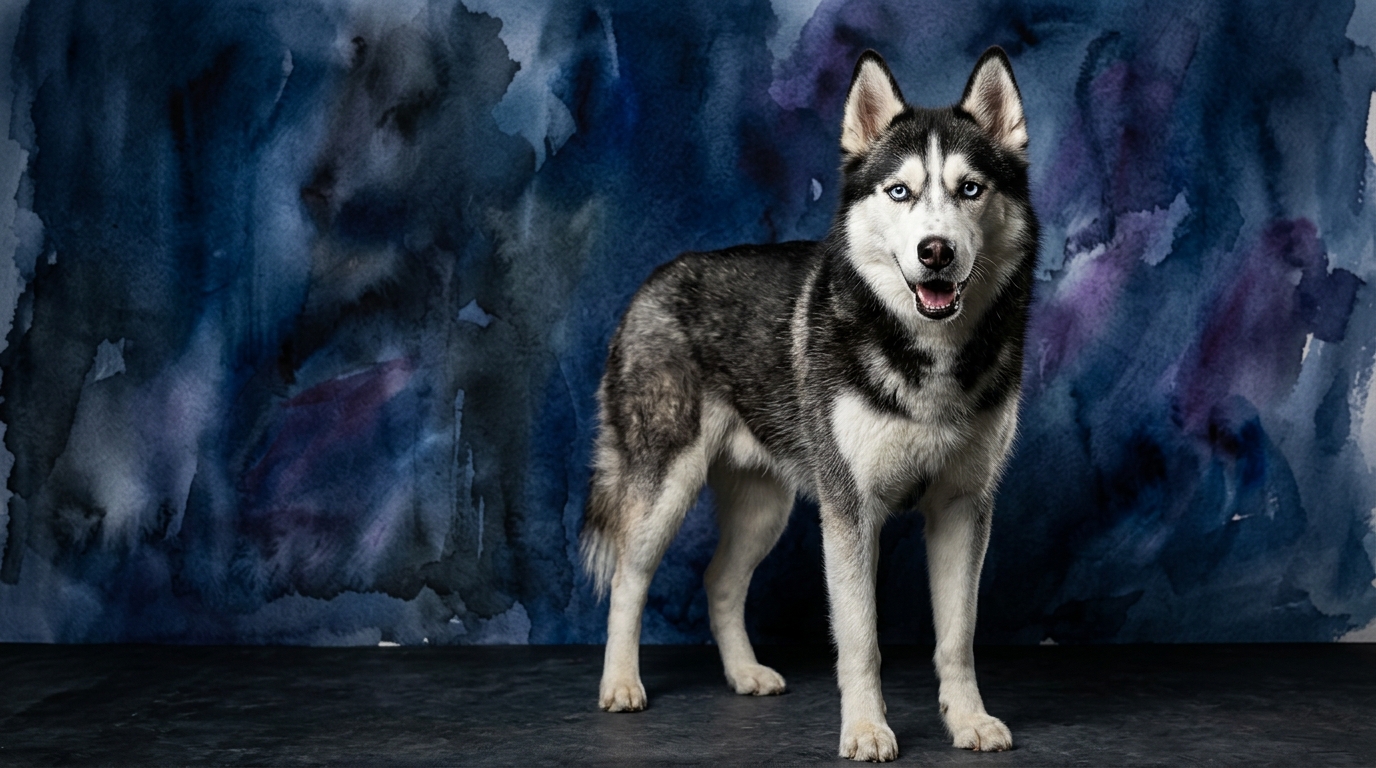
Conversely, the Siberian Husky, a Working breed, presents a different cognitive blueprint, shaped by centuries of endurance and independent decision-making in harsh environments. Its Coren rank of #45 suggests a different approach to learning and compliance, one that prioritizes self-reliance over strict obedience. The Husky's Problem Solving score matches the Schnauzer at 4/5, but this manifests in different contexts, often related to navigation, resourcefulness, and overcoming environmental obstacles. Their Training Speed, however, stands at 2/5, indicating a more independent learning style that requires patience and diverse motivational strategies. Social Intelligence is rated 3/5, reflecting a more aloof or pack-oriented social dynamic rather than constant focus on human direction. An Instinctive Drive of 5/5 underscores their profound need for physical activity, exploration, and often, a strong prey drive. Memory, like the Schnauzer, is 4/5, enabling them to recall routes, past events, and effective strategies for achieving their goals.
Where the Miniature Schnauzer Wins Cognitively
The Miniature Schnauzer's cognitive strengths shine particularly in areas demanding close cooperation and rapid assimilation of human instruction. Its superior Training Speed (5/5) means it typically picks up new commands and routines with remarkable ease, often requiring fewer repetitions than many other breeds. This quick learning curve is invaluable for owners seeking a companion that integrates seamlessly into a structured home environment, excelling in obedience, agility, or even complex trick training. Their Social Intelligence (4/5) further enhances this, making them highly receptive to human communication and eager to engage in joint activities, often anticipating their owner's wishes.
Furthermore, while both breeds share a 4/5 Problem Solving score, the Schnauzer's application of this skill often leans towards navigating social cues and understanding human expectations. They are adept at figuring out what their human wants, or how to manipulate situations playfully within a domestic setting to achieve their own desires. This, coupled with their strong memory, allows them to build a rich repertoire of successful behaviors that foster deep bonds with their families. Their instinctive drive, though strong, is often channeled into alert guardianship and playful interaction rather than vast independent exploration.
Where the Siberian Husky Wins Cognitively
The Siberian Husky's cognitive prowess is best observed in scenarios demanding resilience, independence, and a deep understanding of their environment. Their Problem Solving score of 4/5, while numerically matching the Schnauzer's, manifests differently, focusing on navigating complex terrains, finding escape routes, or strategizing to obtain desired objects. This is a breed that excels at independent thought, often finding solutions without direct human intervention, a critical trait for their historical role as sled dogs covering vast, often unsupervised distances. Their memory (4/5) is particularly strong for spatial recall and past experiences, allowing them to remember trails and effective strategies over time.
The Husky's exceptional Instinctive Drive (5/5) is a core cognitive strength, fueling their relentless pursuit of goals, whether it's running for miles, exploring new territories, or satisfying their strong urge to dig and hunt. This drive is not merely physical; it’s a powerful cognitive engine that directs their problem-solving towards achieving these innate urges. Their social intelligence, while lower (3/5), indicates a preference for making their own decisions, and while they form strong bonds, they do so with a degree of independence that reflects their history as part of a working team where each dog contributed to the collective effort, rather than constantly seeking human approval.
Which Is Easier to Train and Why?
When it comes to ease of training, the Miniature Schnauzer holds a significant advantage, largely due to its exceptional Training Speed (5/5) and higher Social Intelligence (4/5). These dogs typically possess a strong desire to please their owners and are highly motivated by praise and rewards, making them quick to learn and eager to perform. Their terrier nature, while tenacious, is often channeled into focused attention during training sessions. Behavioral differences such as their lower tendency for independent wandering and higher responsiveness to verbal cues contribute to their reputation as highly trainable companions.
The Siberian Husky, with a Training Speed of 2/5 and a Social Intelligence of 3/5, presents a more challenging training experience for many owners. Their inherent independence and strong instinctive drives mean they often prefer to make their own choices rather than simply following commands. While they are certainly capable of learning, their motivation often needs to be more compelling and varied, and they may require more patience and consistency. Behaviors like a strong prey drive, a tendency to roam, and a sometimes selective hearing can make traditional obedience training a prolonged effort, requiring an owner who understands their unique working breed mentality and is prepared for a journey of consistent, positive reinforcement.
Which Suits Active Owners vs. Relaxed Owners?
The choice between a Miniature Schnauzer and a Siberian Husky hinges significantly on an owner's lifestyle and their capacity to meet a breed's distinct cognitive and physical needs. The Miniature Schnauzer, with its balanced Instinctive Drive (4/5) and high Social Intelligence, is well-suited for owners who enjoy regular, but not extreme, activity. They thrive on interactive play, walks, and mental challenges like puzzle toys or training sessions. While they appreciate a good romp, they are generally content with a more moderate exercise regimen, making them suitable for active families who also enjoy relaxed evenings at home, provided their mental stimulation needs are met.
The Siberian Husky, characterized by an unparalleled Instinctive Drive (5/5) and a lower Training Speed, is unequivocally a match for highly active and experienced owners. This breed demands extensive daily exercise, often requiring several miles of running, hiking, or dedicated activity to prevent boredom and destructive behaviors. Their independent problem-solving and strong memory for escape routes also mean they need secure environments and consistent mental engagement that channels their working drive. They are not ideal for relaxed owners who prefer a sedentary lifestyle, as their unmet cognitive and physical needs can lead to significant challenges within a home setting.
The Verdict
Choose the Miniature Schnauzer if you desire a highly trainable, socially attuned companion eager to participate in family life and learn new tasks quickly.
Opt for the Siberian Husky if you are an exceptionally active, experienced owner who can provide vast outlets for their independent spirit, endurance, and unique problem-solving abilities.
🧠 Find Your Pet's IQ Score
Our Pet IQ Lab assessment covers 25+ tests across 5 cognitive dimensions — personalized to your breed.
Take the Full IQ Test →Frequently Asked Questions
Do Miniature Schnauzers need a lot of mental stimulation?
Yes, despite their smaller size, Miniature Schnauzers are cognitively sharp with a 4/5 problem-solving score. They thrive on consistent training, puzzle toys, and engaging activities to keep their minds occupied and prevent boredom.
Are Siberian Huskies difficult to train because they aren't smart?
Siberian Huskies are not 'less smart'; their intelligence manifests differently. Their 2/5 training speed and independent nature mean they require more patient, consistent, and highly motivating training methods, often responding best to challenges that align with their working instincts rather than rote obedience.
Which breed is better for a first-time dog owner?
The Miniature Schnauzer is generally more suitable for first-time owners due to its higher training speed and social intelligence, making it easier to integrate into a home and respond to basic obedience. The Siberian Husky's strong independent drive and high exercise needs can be overwhelming for those new to dog ownership.