The Cosmic Pet Pet IQ Lab: A Side-by-Side Cognitive Profile
The Cosmic Pet Pet IQ Lab employs a comprehensive framework to assess canine intelligence across five key dimensions: Problem Solving, Training Speed, Social Intelligence, Instinctive Drive, and Memory. This detailed approach allows us to move beyond anecdotal observations and pinpoint the specific cognitive aptitudes that define each breed, offering a nuanced understanding of their mental makeup and how they interact with their world.
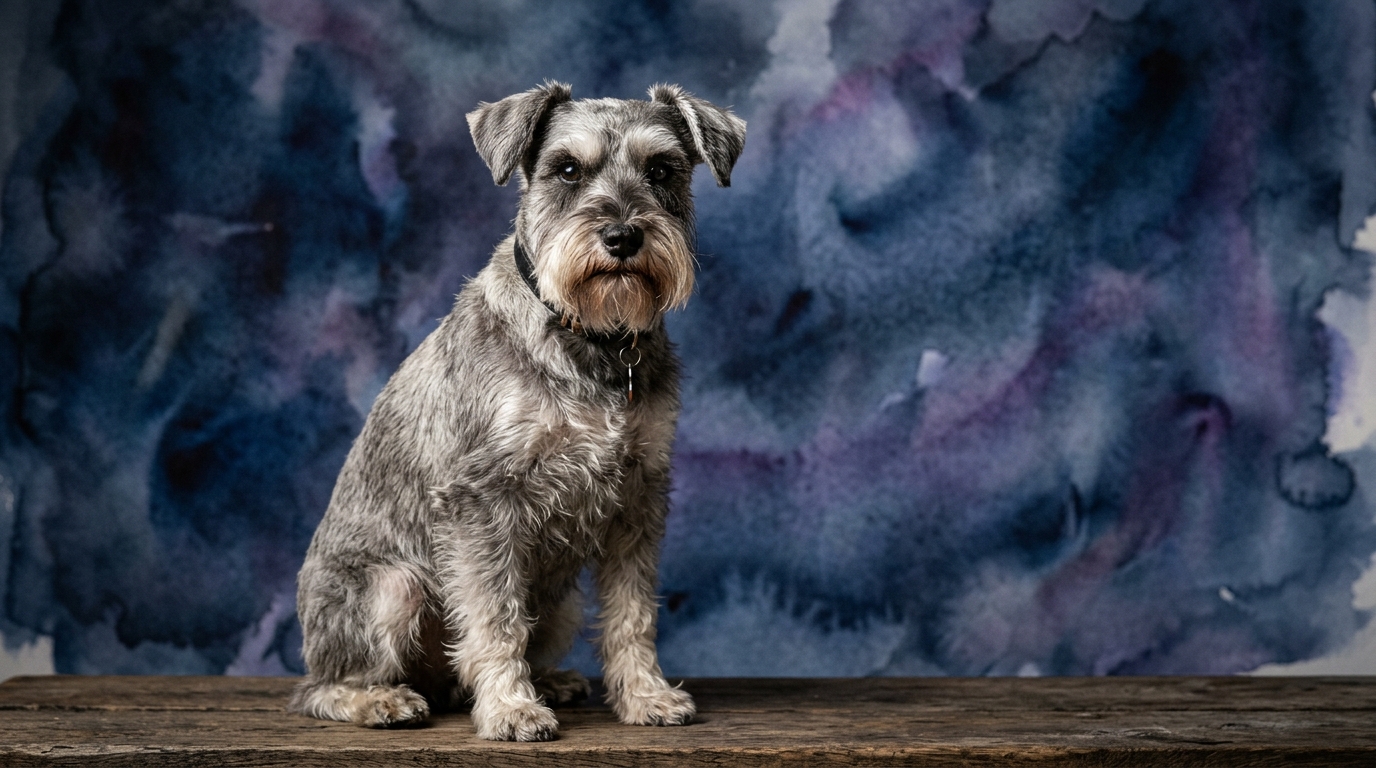
The Miniature Schnauzer, ranked #12 by Coren, presents a balanced and robust cognitive profile. Their Problem Solving ability scores a solid 4 out of 5, indicating a capacity for independent thought and finding solutions to novel challenges. Training Speed is exceptional at 5 out of 5, suggesting a rapid grasp of new commands and routines. Social Intelligence is strong at 4 out of 5, reflecting an aptitude for understanding human cues and navigating social dynamics. Their Instinctive Drive, also 4 out of 5, points to a persistent, purposeful nature, often tied to their Terrier heritage. Finally, their Memory is rated 4 out of 5, allowing them to retain learned behaviors and recall past experiences effectively.
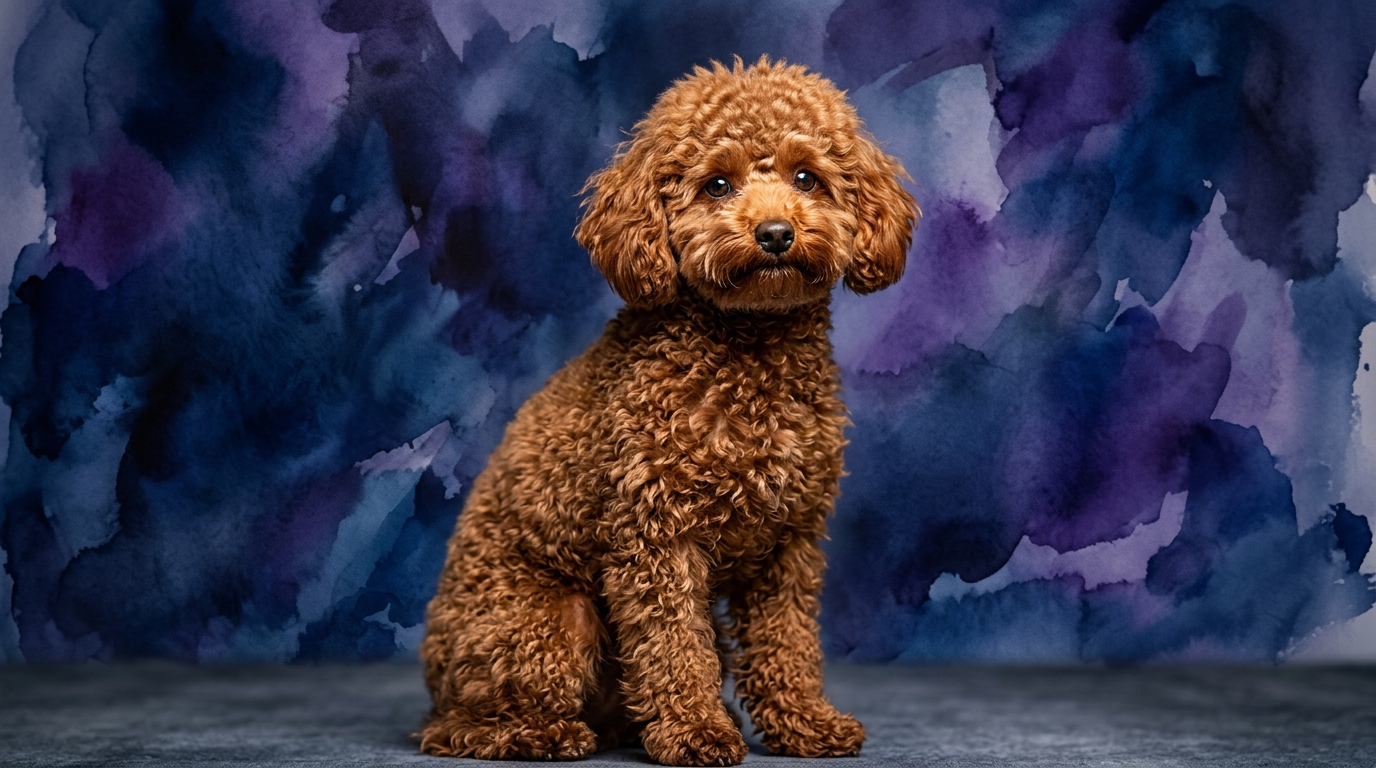
In contrast, the Toy Poodle, holding an impressive #2 Coren rank, showcases a distinct set of cognitive strengths. Their Problem Solving ability is outstanding at 5 out of 5, demonstrating superior capacity for complex reasoning and adaptive behavior. Training Speed mirrors the Schnauzer's at a perfect 5 out of 5, highlighting their quick learning. However, their Social Intelligence is rated 3 out of 5, suggesting they might be less attuned to subtle social cues compared to the Schnauzer, or perhaps more focused on their primary human. Instinctive Drive is also 3 out of 5, indicating a less intense, though still present, intrinsic motivation for tasks. Their Memory, however, is a remarkable 5 out of 5, signifying an exceptional ability to recall information and experiences over time.
Miniature Schnauzer's Cognitive Edge: Social Nuance and Persistent Purpose
While both breeds exhibit notable cognitive strengths, the Miniature Schnauzer distinctively excels in areas that speak to their social engagement and inherent drive. Their Social Intelligence, rated 4 out of 5 compared to the Toy Poodle's 3 out of 5, suggests a more nuanced understanding of human emotions and social structures within a household. This manifests as an astute awareness of family dynamics, often making them perceptive to changes in mood or routine, and better at adapting their behavior to maintain harmony. They might be quicker to pick up on subtle non-verbal cues from their owners, fostering a seemingly deeper, more intuitive connection.
Furthermore, the Miniature Schnauzer's Instinctive Drive, scoring 4 out of 5 against the Toy Poodle's 3 out of 5, reflects their Terrier lineage and a robust internal motivation for engagement. This isn't merely about energy levels; it speaks to a persistent, goal-oriented mindset. Owners might observe this as a tenacious approach to tasks, whether it's 'hunting' for a dropped toy under the sofa or diligently 'guarding' their home perimeter from perceived intruders. This drive fuels their engagement with activities that challenge them, making them eager participants in structured games or problem-solving scenarios that tap into their inherent working spirit.
Toy Poodle's Cognitive Prowess: Supreme Problem Solving and Retention
The Toy Poodle truly shines in cognitive domains that demand abstract thought and information retention, surpassing the Miniature Schnauzer in these specific areas. Their Problem Solving ability, an exceptional 5 out of 5 compared to the Schnauzer's 4 out of 5, indicates a superior capacity for analytical thinking and developing creative solutions. This isn't just about learning tricks; it's about navigating complex environments, figuring out how to open a child-proof gate, or devising novel ways to get a coveted treat. Owners often report their Toy Poodles displaying remarkable ingenuity when faced with novel situations, demonstrating an impressive ability to adapt and strategize beyond simple trial and error.
Equally impressive is the Toy Poodle's Memory, scoring a perfect 5 out of 5 against the Schnauzer's 4 out of 5. This translates into an outstanding ability to recall commands, routines, and past experiences with remarkable accuracy and over extended periods. A Toy Poodle is likely to remember a sequence of commands taught weeks ago, or the exact location of a toy hidden days prior. This superior retention makes them particularly adept at advanced obedience, complex trick training, and even canine sports that require intricate sequences and precise execution. Their capacity to store and retrieve information efficiently contributes significantly to their overall adaptability and learning potential.
Training Trajectories: Understanding Distinct Learning Styles
At first glance, both the Miniature Schnauzer and the Toy Poodle appear equally 'easy' to train, each boasting a perfect 5 out of 5 in Training Speed. This metric primarily reflects how quickly a dog grasps a new command or concept. However, the underlying cognitive profiles reveal distinct approaches to the training process and what makes them successful learners. The Miniature Schnauzer's high Social Intelligence (4/5) and Instinctive Drive (4/5) mean they are often motivated by the desire to cooperate and engage in purposeful activity. Their keen awareness of human cues makes them responsive to direction, and their drive provides the persistence to work through challenges, making them eager partners in training sessions focused on practical skills or tasks.
The Toy Poodle, while equally swift in acquiring new information, leverages its superior Problem Solving (5/5) and Memory (5/5) to excel in training. They don't just learn quickly; they understand the *why* behind the command and recall it with precision. This allows them to master complex sequences and generalize learned behaviors to new situations with remarkable efficiency. While their lower Social Intelligence (3/5) might mean they are less overtly people-pleasing than a Schnauzer, their sheer intellectual capacity and retention make them exceptional candidates for advanced obedience, agility, or competitive dog sports where intricate patterns and precise execution are paramount. Therefore, both are easy to train, but the Schnauzer might be more intuitive for an owner seeking a cooperative companion, while the Poodle thrives with an owner who enjoys pushing cognitive boundaries.
Matching Minds to Lifestyles: Activity Levels and Engagement Needs
Choosing between a Miniature Schnauzer and a Toy Poodle also depends significantly on an owner's lifestyle and their preferred mode of interaction. The Miniature Schnauzer, with its balanced cognitive profile featuring a robust Instinctive Drive (4/5) and good Problem Solving (4/5), typically thrives with active owners who enjoy engaging them in structured activities. Their Terrier background means they appreciate having a 'job' to do, whether it's regular walks with opportunities for exploration, interactive puzzle toys that challenge their wit, or participation in dog sports like earthdog trials or agility. They are well-suited for owners who enjoy a dynamic partnership and can provide consistent mental and physical stimulation to channel their purposeful energy.
The Toy Poodle, while often perceived as delicate due to its size, possesses a formidable intellect that demands engagement, albeit in a slightly different manner. Their exceptional Problem Solving (5/5) and Memory (5/5) make them ideal companions for owners who enjoy consistent mental challenges and advanced training. They might not require the same raw physical exertion as a Schnauzer to be content, but they absolutely need their minds exercised through learning new tricks, practicing complex obedience routines, or participating in canine freestyle or rally. A relaxed owner who enjoys teaching and interacting through mental games will find the Toy Poodle incredibly rewarding, as their satisfaction comes from intellectual mastery rather than purely instinctive pursuits. However, neglecting their need for mental stimulation can lead to boredom and undesirable behaviors, regardless of their physical activity level.
The Verdict
Choose the Miniature Schnauzer if you seek a socially astute, driven companion who thrives on purposeful engagement and a cooperative partnership, offering a balanced blend of intuition and tenacity for an active, involved owner.
Opt for the Toy Poodle if you are an owner who delights in advanced training, complex problem-solving, and appreciates a dog with an exceptional memory and capacity for abstract thought, ready to master intricate tasks and intellectual challenges.
🧠 Find Your Pet's IQ Score
Our Pet IQ Lab assessment covers 25+ tests across 5 cognitive dimensions — personalized to your breed.
Take the Full IQ Test →Frequently Asked Questions
Which breed is generally more attuned to human emotions and social cues?
The Miniature Schnauzer, with its Social Intelligence score of 4/5, is typically more attuned to human emotions and social dynamics. This can make them more perceptive to changes in household mood and quicker to adapt their behavior to maintain harmony, fostering a deeply intuitive bond with their family.
Which breed demonstrates greater ingenuity in figuring out complex situations?
The Toy Poodle, with an outstanding Problem Solving score of 5/5, exhibits greater ingenuity in figuring out complex situations. They are adept at analytical thinking and devising creative solutions to novel challenges, often surprising owners with their cleverness in navigating obstacles or achieving goals.
Is one breed better at remembering learned commands and routines over time?
The Toy Poodle demonstrates superior long-term memory, scoring 5/5 compared to the Miniature Schnauzer's 4/5. This means a Toy Poodle is exceptionally good at retaining a vast repertoire of commands, routines, and past experiences with remarkable accuracy and over extended periods, making them excellent for advanced training.