Side-by-Side IQ Profile: Unpacking Canine Cognition
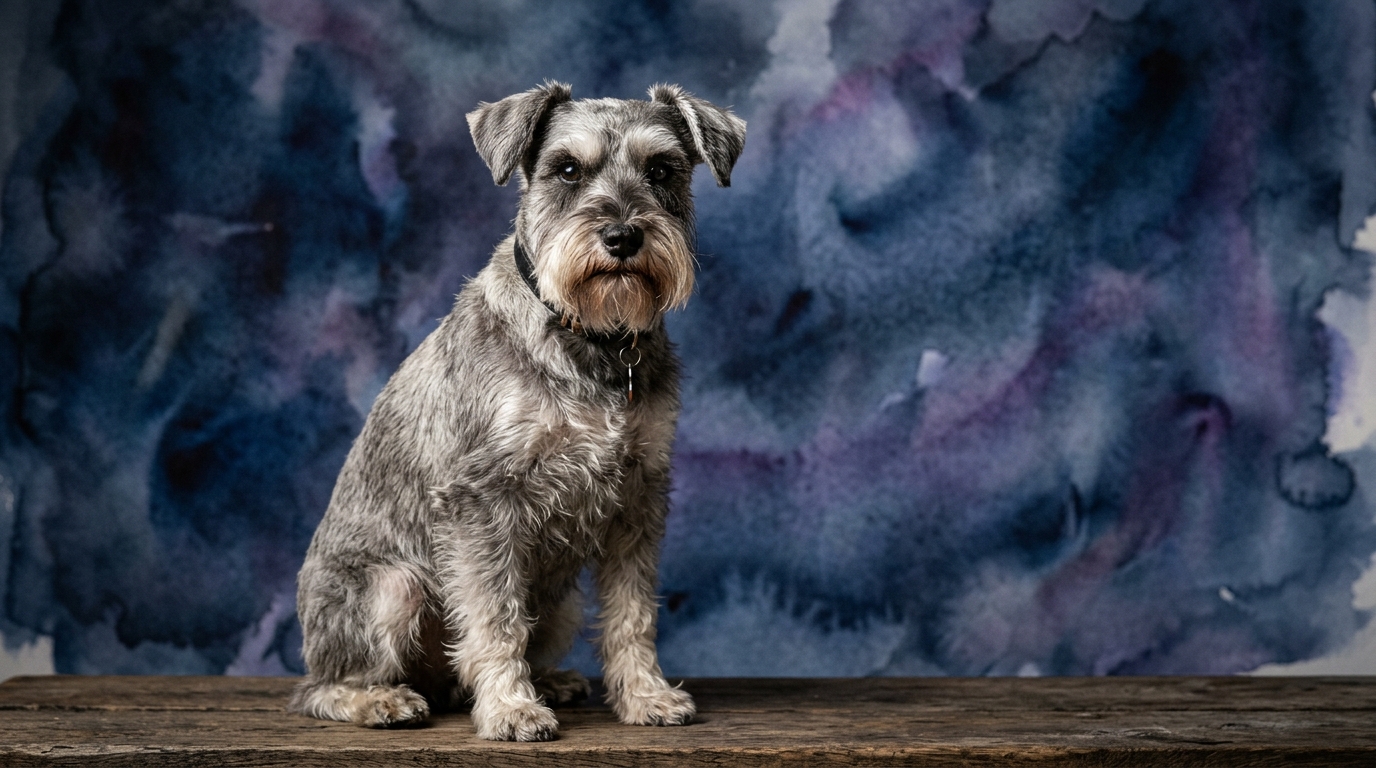
At The Cosmic Pet Pet IQ Lab, we analyze canine intelligence across five key dimensions. For the Miniature Schnauzer, a breed ranked #12 by Coren, its Problem Solving scores 4/5, indicating a strong capacity for figuring out novel situations, often employing strategic thinking to overcome obstacles or access rewards with an analytical and persistent approach. Its Training Speed is an exceptional 5/5, meaning these dogs absorb new commands and routines with remarkable quickness, often requiring fewer repetitions to achieve mastery and eager participation in structured learning. Social Intelligence for the Miniature Schnauzer rates 4/5, reflecting a keen understanding of human social cues and group dynamics, enabling them to adapt well to various household environments and form strong, nuanced bonds. Its Instinctive Drive is 4/5, where the innate terrier urge for hunting and tracking is present but typically manageable, manifesting as focused curiosity. Finally, Memory scores 4/5, demonstrating robust long-term and short-term recall for learned commands, routines, and specific events.
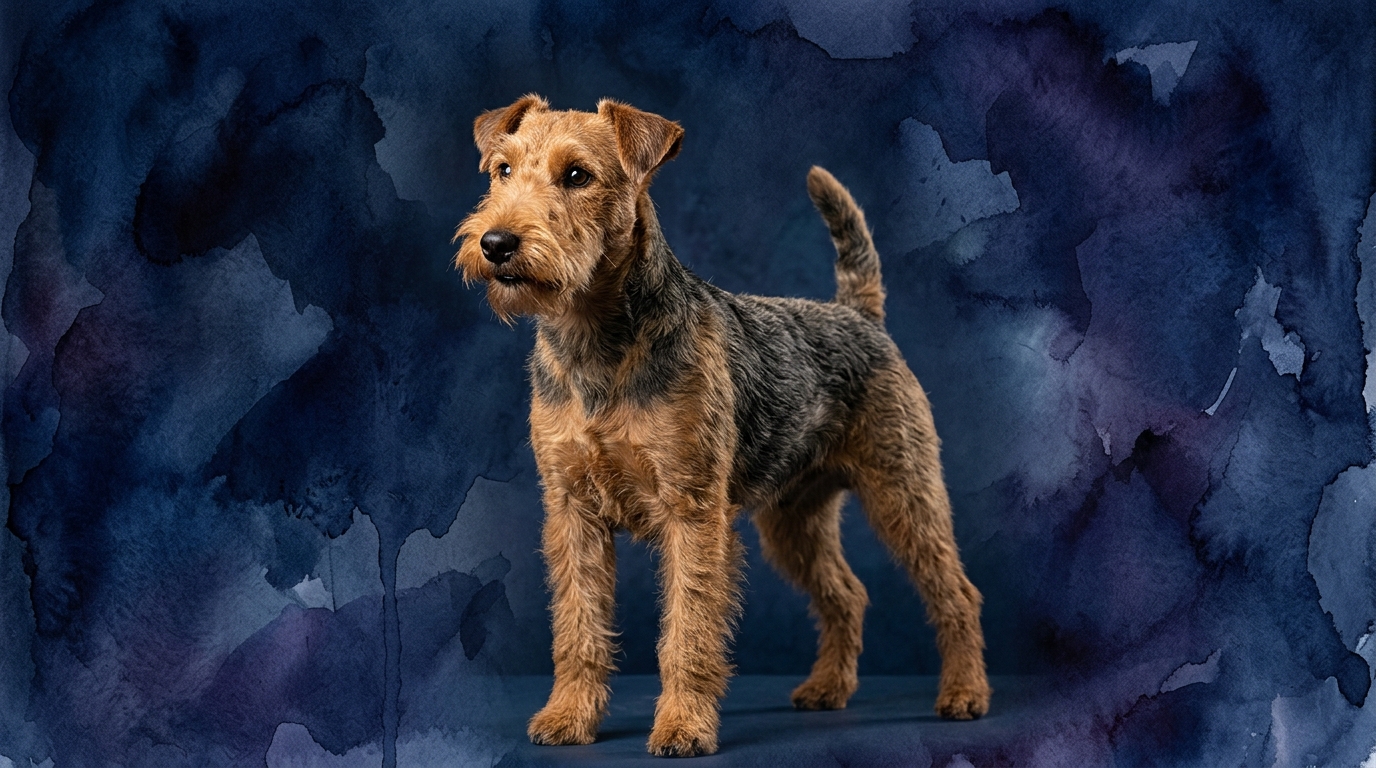
The Welsh Terrier, while not Coren-ranked, presents a distinct cognitive profile across the same dimensions. Its Problem Solving scores 3/5, indicating that these terriers approach challenges with a more independent and sometimes trial-and-error methodology; while capable, their solutions might be less direct or take longer to achieve. Training Speed is 3/5, meaning learning new tasks requires more consistent and patient reinforcement, as their independent spirit often means they need greater motivation and repetition to solidify behaviors. For Social Intelligence, the Welsh Terrier scores 3/5, suggesting they are affectionate but tend to be more self-reliant in social settings, often preferring to engage on their own terms rather than constantly seeking human interaction or guidance. Its Instinctive Drive is 3/5, where these drives, particularly for chasing and exploring, are evident but often less intensely focused compared to some other terriers, enjoying purposeful activity. Memory scores 3/5, indicating that while they retain information, their recall might be more selective or require more frequent refreshing, especially for commands that don't align with their natural inclinations.
Where the Miniature Schnauzer's Mind Shines
The Miniature Schnauzer's cognitive profile paints a picture of a dog that excels in structured learning and adaptive reasoning. Their 4/5 problem-solving capability means they are adept at navigating complex environments, quickly understanding how to manipulate objects or pathways to achieve a goal, such as opening a gate or figuring out a multi-stage puzzle toy. This analytical prowess is complemented by their exceptional training speed (5/5), allowing them to pick up new commands and intricate sequences with remarkable efficiency. An owner might observe them mastering 'stay' or 'heel' after only a few short sessions, a testament to their focused attention and desire to cooperate. Furthermore, their 4/5 social intelligence enables them to read human emotions and intentions with considerable accuracy, making them highly responsive companions who often anticipate their owner's next move. This translates into seamless household integration and a dog that understands the nuances of family dynamics. Their robust memory (4/5) ensures that once a lesson is learned, it is retained, making consistent training efforts yield lasting results.
Distinct Strengths of the Welsh Terrier's Cognition
While the Welsh Terrier's IQ scores are generally a point lower than the Miniature Schnauzer's, this does not indicate a cognitive deficit, but rather a different style of engagement. Their 3/5 in problem-solving often manifests as a tenacious, independent approach. Rather than quickly analyzing, a Welsh Terrier might persist through trial and error, demonstrating a stubborn resilience until a solution is found, making them excellent at tasks requiring sheer determination. Their 3/5 social intelligence, while suggesting less overt attentiveness to human cues, fosters a self-reliant and less 'needy' companionship. They are affectionate but thrive on having their own space and tasks, appealing to owners who appreciate a dog with distinct autonomy. The 3/5 instinctive drive, while still present, means their natural terrier inclinations are often channeled into specific, focused activities rather than a constant, generalized intensity. This can make them suitable for owners who enjoy engaging in specific dog sports like earthdog trials or agility, where their focused persistence can be a true asset.
Ease of Training: A Tale of Two Terriers
When it comes to training, the Miniature Schnauzer generally presents a more straightforward experience due to its 5/5 training speed and 4/5 social intelligence. These dogs typically exhibit a strong desire to please and a quick grasp of expectations, making them responsive to positive reinforcement and eager to learn new commands. Their ability to read social cues means they often pick up on an owner's mood and adjust their behavior accordingly, facilitating a smoother training dynamic. This responsiveness, coupled with their strong memory (4/5), means lessons stick well and build upon each other efficiently. In contrast, the Welsh Terrier, with its 3/5 training speed and social intelligence, requires a more patient and creative approach. Their independent nature means they may not always see the immediate benefit in complying with a command, often preferring to follow their own instincts. Training a Welsh Terrier necessitates making lessons engaging, consistent, and highly rewarding, often leveraging their natural drive and curiosity rather than expecting immediate, compliant obedience. Owners must understand that 'stubborn' isn't a flaw, but a characteristic of their independent cognitive style, requiring a partnership built on mutual respect and clear, positive communication.
Tailoring to Lifestyles: Active vs. Relaxed Owners
The Miniature Schnauzer's balanced cognitive profile makes it adaptable to a range of owner lifestyles. Its moderate instinctive drive (4/5) ensures it enjoys activity without being overwhelmingly intense, making it a good fit for active owners who enjoy daily walks, hikes, or dog sports, but it can also settle comfortably with more relaxed owners who provide consistent mental stimulation through training and puzzle toys. Their high social intelligence (4/5) means they thrive on human companionship and are typically keen to participate in family activities, whether it’s a quiet evening or a lively play session, making them versatile companions. The Welsh Terrier, with its more independent streak (3/5 social intelligence) and focused instinctive drive (3/5), often appeals to owners who appreciate a dog with a distinct personality and a robust, outdoor-loving spirit. They excel with owners who can provide consistent, engaging activities that tap into their natural terrier instincts, such as exploring new trails or participating in earthdog sports. While they enjoy family time, they also benefit from opportunities for independent exploration, making them well-suited for active individuals or families who value a spirited companion with a strong sense of self.
The Verdict
Opt for a Miniature Schnauzer if you seek a companion eager for structured learning and seamless integration into family life, offering quicker training progress and strong social responsiveness.
Choose a Welsh Terrier if you appreciate an independent, resilient dog with a tenacious spirit, thriving with owners who enjoy consistent, engaging activities and a partner with a strong, self-reliant personality.
🧠 Find Your Pet's IQ Score
Our Pet IQ Lab assessment covers 25+ tests across 5 cognitive dimensions — personalized to your breed.
Take the Full IQ Test →Frequently Asked Questions
Is the Miniature Schnauzer a good choice for first-time dog owners?
Yes, their 5/5 training speed and 4/5 social intelligence make them generally easier to train and more responsive to guidance, which can be very beneficial for new owners learning the ropes of canine companionship. Their eagerness to please and adaptability simplify the initial learning curve.
How do their instinctive drives impact daily life?
The Miniature Schnauzer's 4/5 instinctive drive means they enjoy purposeful activities and exploration, but it's typically manageable within a household setting. The Welsh Terrier's 3/5 drive is also present, often manifesting as focused determination in specific tasks, requiring consistent outlets to prevent boredom and channeling their natural curiosity productively.
Do Welsh Terriers require more mental stimulation than Miniature Schnauzers?
Both breeds benefit from mental stimulation, but the Welsh Terrier's independent problem-solving (3/5) and lower training speed (3/5) mean mental engagement needs to be particularly captivating and consistent to hold their interest. Miniature Schnauzers (4/5 problem-solving, 5/5 training speed) are often quicker to engage with and master mental challenges, though both thrive on cognitive enrichment.