Side-by-Side IQ Profile: Interpreting Identical Scores
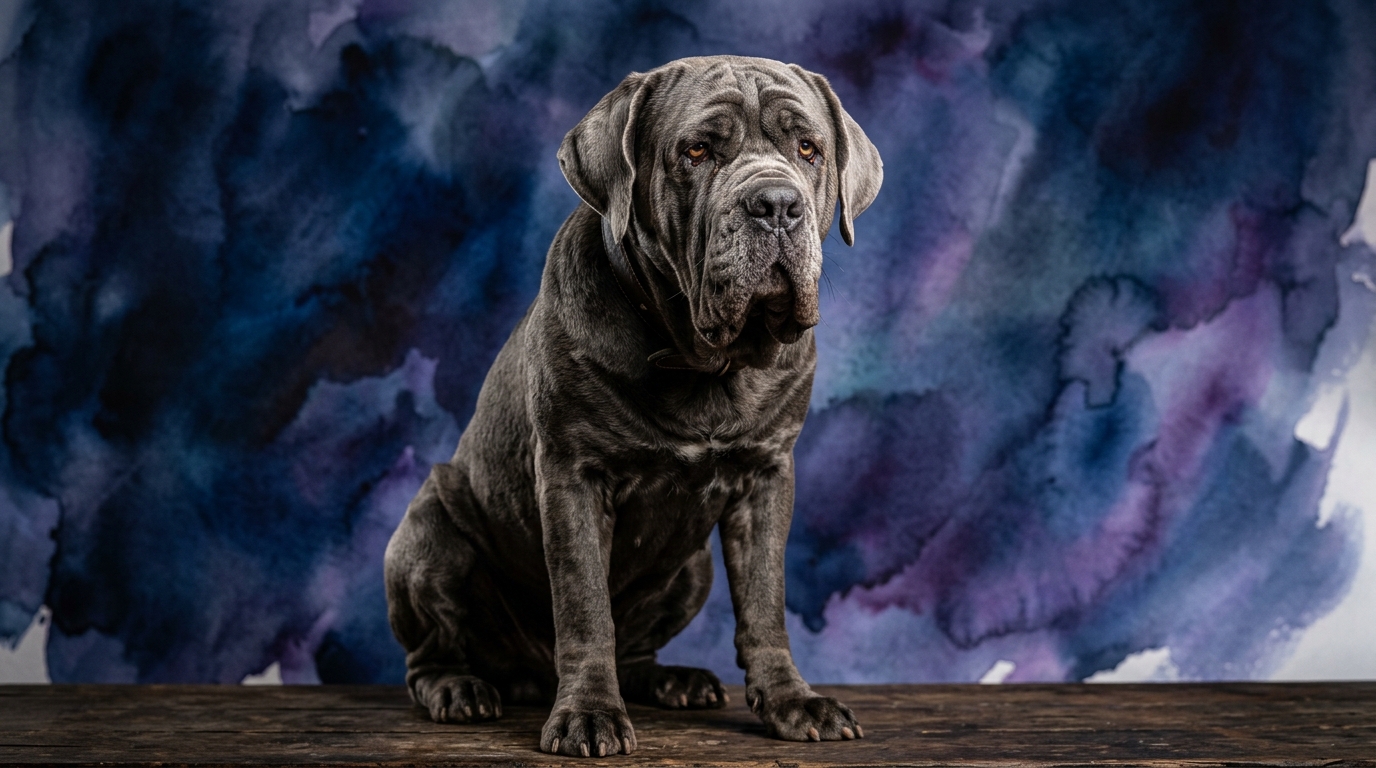
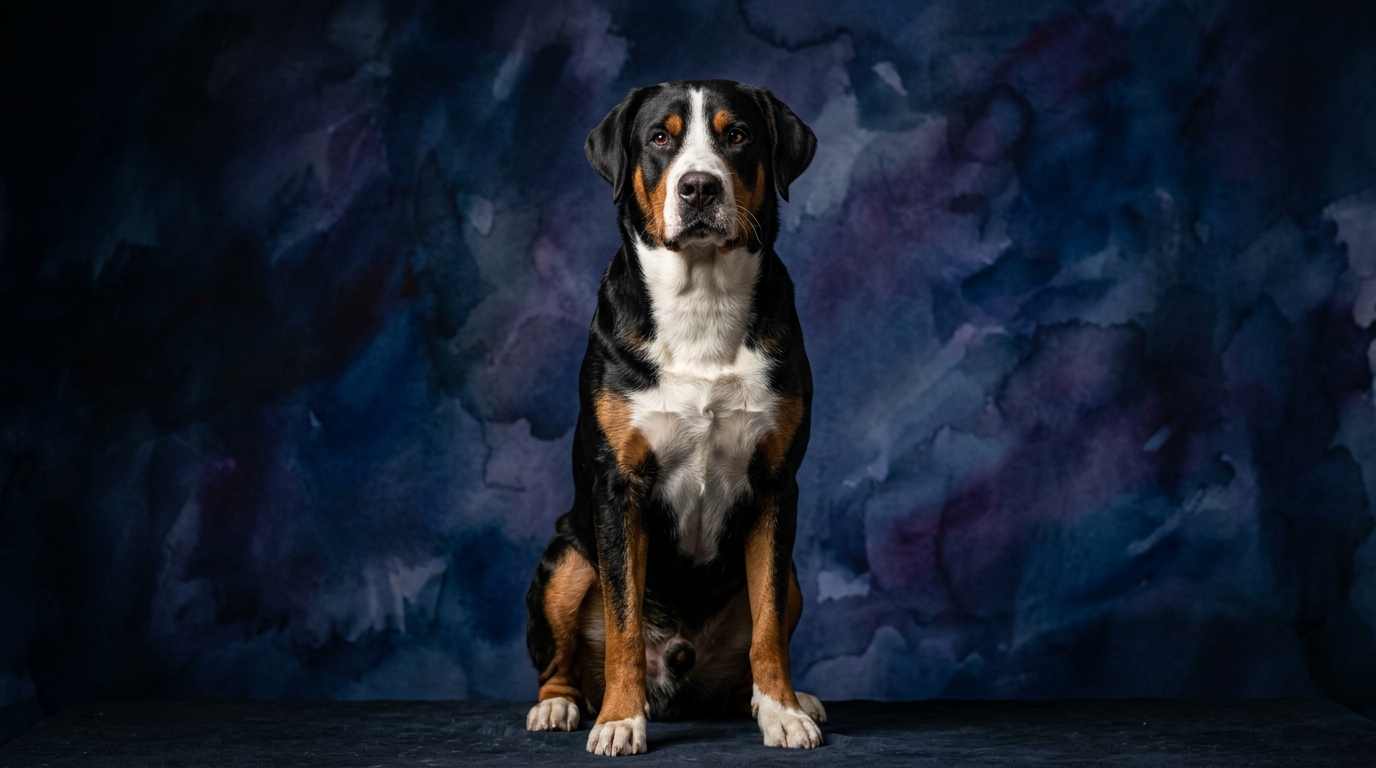
At The Cosmic Pet Pet IQ Lab, both the Neapolitan Mastiff and the Greater Swiss Mountain Dog register a consistent 3/5 across all five measured cognitive dimensions. This identical numerical assessment, however, belies the distinct ways these breeds apply their intellect, deeply influenced by their historical functions and inherent temperaments. A '3/5' for a massive guardian differs subtly from a '3/5' for a cooperative farm dog.
For the Neapolitan Mastiff, their 3/5 score in **Problem Solving** primarily revolves around their guardian role. This means they are capable of assessing evolving situations within their territory, determining if a novel sound or presence constitutes a threat, and deciding on an appropriate response, from watchful stillness to a more assertive display. They might figure out how to best position themselves for observation or how to bypass a minor obstacle to reach a perceived boundary. Their solutions are typically practical and rooted in their protective instincts, focused on maintaining security.
A 3/5 in **Training Speed** for the Neapolitan Mastiff suggests they learn at a steady pace, but their inherent independence means they often require a patient and consistent handler. They grasp commands reliably but may choose to comply based on their assessment of the situation or their mood. Repetition and positive reinforcement are crucial, as they aren't typically driven by an overwhelming desire to please, preferring instead to operate on their own terms once a concept is understood.
Their **Social Intelligence** score of 3/5 indicates a well-developed understanding of social cues and hierarchies, particularly within their immediate family. Neapolitan Mastiffs are astute observers of their human companions, recognizing emotional states and household routines. However, their social intelligence also extends to discerning strangers, often exhibiting a reserved and watchful demeanor, accurately distinguishing between welcome visitors and potential intruders based on subtle cues. They form deep, discerning bonds with their chosen few.
The Neapolitan Mastiff's 3/5 **Instinctive Drive** is powerfully channeled into protection and territorial defense. This manifests as an innate vigilance, a strong desire to patrol and secure their home, and a readiness to intercede if their family or property is perceived to be in danger. This drive is not overtly aggressive but rather a deep-seated commitment to their role as guardians, requiring careful socialization and management from an early age.
Finally, a 3/5 **Memory** means Neos retain learned behaviors, routines, and experiences effectively. They will remember commands, household rules, and the individuals they consider part of their inner circle. Crucially, they also remember perceived threats or negative interactions, which contributes to their discerning nature and consistent guarding behavior over time, making them reliable in their protective duties.
The Greater Swiss Mountain Dog, also scoring 3/5 across the board, applies its cognitive strengths differently. Their **Problem Solving** ability often shines in tasks requiring physical engagement and cooperation. They might figure out the best way to navigate a cart through a tight space, strategize how to move livestock from one pen to another, or understand how to manipulate a puzzle toy to retrieve a treat. Their solutions are often practical, involving physical manipulation or sequential steps, driven by their working heritage as versatile farm dogs.
A 3/5 in **Training Speed** for the Greater Swiss Mountain Dog indicates they learn new commands and tasks at a consistent, moderate rate. They are generally eager to engage with their handlers and possess a willing spirit, which can make the training process feel rewarding. While not lightning-fast, their focus and desire to participate in activities with their people ensure steady progress with clear, consistent instruction and positive reinforcement, making them enjoyable students.
With a 3/5, the Greater Swiss Mountain Dog exhibits robust **Social Intelligence**, characterized by their affable nature with their family and accepted acquaintances. They are adept at reading human emotions and intentions, often seeking to please and engaging in cooperative interactions. This capacity for understanding social dynamics also allows them to integrate well into family life and interact appropriately with other animals, often displaying a patient and tolerant demeanor.
Their 3/5 **Instinctive Drive** is a blend of their historical roles: drafting, droving, and general farm work. This manifests as a desire to pull, a watchful eye over their 'flock' (human or animal), and an inclination to be involved in household activities. They possess a natural inclination to be useful and engaged, making them suitable for various canine sports and tasks that tap into these inherent motivations.
A 3/5 **Memory** ensures Greater Swiss Mountain Dogs reliably recall commands, training sequences, and the locations of favored objects or people. They remember routines and expectations, making them predictable and consistent companions once a behavior is established. This strong memory aids in their ability to perform complex tasks and maintain good manners within their home environment, contributing to their reliability.
Where the Neapolitan Mastiff Wins Cognitively
While both breeds score identically, the Neapolitan Mastiff often displays a subtle cognitive advantage in situations demanding astute discernment and independent judgment, especially concerning territorial security. Their 3/5 problem-solving, coupled with their specific social intelligence, allows them to accurately assess nuanced social cues from strangers, quickly distinguishing between a harmless visitor and a potential threat without direct human instruction. This independent threat assessment, rooted deeply in their guarding instincts, means they can act decisively and appropriately in ambiguous situations, relying on their own interpretation rather than always waiting for a handler's command. This cognitive strength is less about complex trick learning and more about practical, real-world application of their intellect in their primary protective role.
Where the Greater Swiss Mountain Dog Wins Cognitively
Conversely, the Greater Swiss Mountain Dog often shines in cognitive areas requiring cooperative problem-solving and sustained engagement in structured tasks. Their 3/5 problem-solving, when paired with their strong desire to work alongside humans, translates into a superior ability to grasp multi-step commands and execute tasks that involve physical coordination and teamwork, such as drafting or navigating agility courses. Their social intelligence fosters a greater willingness to adapt their actions based on handler feedback, making them highly responsive partners in complex activities. This cooperative intelligence, driven by their historical role as versatile farm helpers, allows them to excel in collaborative learning and performance.
Which is Easier to Train and Why
Despite both breeds sharing a 3/5 training speed, the Greater Swiss Mountain Dog generally presents as an easier breed to train for the average owner, primarily due to inherent behavioral differences. The Greater Swiss Mountain Dog possesses a more pronounced desire to please its human companions and a natural biddability, meaning they are often more eager to engage in training sessions and respond positively to direction. Their historical role demanded cooperation with humans, fostering a temperament that readily accepts guidance and enjoys working alongside people.
In contrast, the Neapolitan Mastiff, while capable of learning at a similar pace, approaches training with a more independent and sometimes stubborn mindset. Their self-reliant nature means they often require more consistent motivation, repetition, and a handler who can confidently establish leadership without resorting to harsh methods. While both learn, the 'Swissy' typically offers a smoother, more enthusiastic training journey for most owners who appreciate a readily compliant and engaged student.
Suited Lifestyles: Active Owners vs. Relaxed Owners
When considering lifestyle, the Greater Swiss Mountain Dog generally aligns better with active owners, whereas the Neapolitan Mastiff can suit more relaxed owners, provided their specific needs are met. Greater Swiss Mountain Dogs thrive on consistent engagement and purpose; their 3/5 instinctive drive means they need regular physical activity like long walks, hikes, or opportunities for drafting and canine sports. They are happiest when involved in family activities and given a 'job' to do, requiring an owner willing to provide this mental and physical stimulation and integrate them fully into an active routine.
In contrast, the Neapolitan Mastiff, while requiring daily walks and mental engagement, is often content with a more relaxed pace within their secure territory. Their 3/5 instinctive drive is channeled more into watchful guardianship rather than high-energy exertion. They prefer lounging nearby, observing their surroundings, and require an owner who understands and respects their independent, protective nature, providing secure boundaries and consistent, calm leadership rather than constant activity. Their exercise is often more about patrolling their domain than sustained aerobic effort.
The Verdict
Choose a Neapolitan Mastiff if you seek a formidable, discerning guardian who excels at independent territorial oversight and thrives with a calm, confident owner who appreciates their self-reliant nature. They are ideal for those valuing a protective presence and a deep, quiet bond within a secure home environment.
Opt for a Greater Swiss Mountain Dog if you desire a robust, cooperative companion eager to participate in family activities and structured tasks, thriving on consistent engagement and a 'job' to do. They are best for active owners who can provide regular mental and physical stimulation and enjoy a highly biddable partner.
🧠 Find Your Pet's IQ Score
Our Pet IQ Lab assessment covers 25+ tests across 5 cognitive dimensions — personalized to your breed.
Take the Full IQ Test →Frequently Asked Questions
Do Neapolitan Mastiffs or Greater Swiss Mountain Dogs make good family pets?
Both breeds can be excellent family pets, but with different caveats. Neapolitan Mastiffs form profound bonds with their families, often showing a gentle side with children they know, but require careful socialization due to their protective instincts and reserved nature with strangers. Greater Swiss Mountain Dogs are generally more outwardly friendly and tolerant, thriving on inclusion in family activities, though their size requires supervision around very young children.
Are Neapolitan Mastiffs and Greater Swiss Mountain Dogs good with other pets?
With proper early socialization, both breeds can coexist peacefully with other pets. Neapolitan Mastiffs can be selective and may require careful introductions, particularly with unfamiliar dogs, due to their territorial nature. Greater Swiss Mountain Dogs are often more amenable to living with other animals, especially if raised together, but their strong build means interactions should always be supervised.
What are the exercise needs for these two breeds?
Neapolitan Mastiffs require moderate daily exercise, typically a good walk or playtime in a secure yard, as their massive build isn't suited for extreme exertion, but they still need mental stimulation. Greater Swiss Mountain Dogs have higher exercise needs, benefiting from longer walks, hikes, or engaging in activities like carting or obedience, needing consistent physical and mental outlets to prevent boredom.