
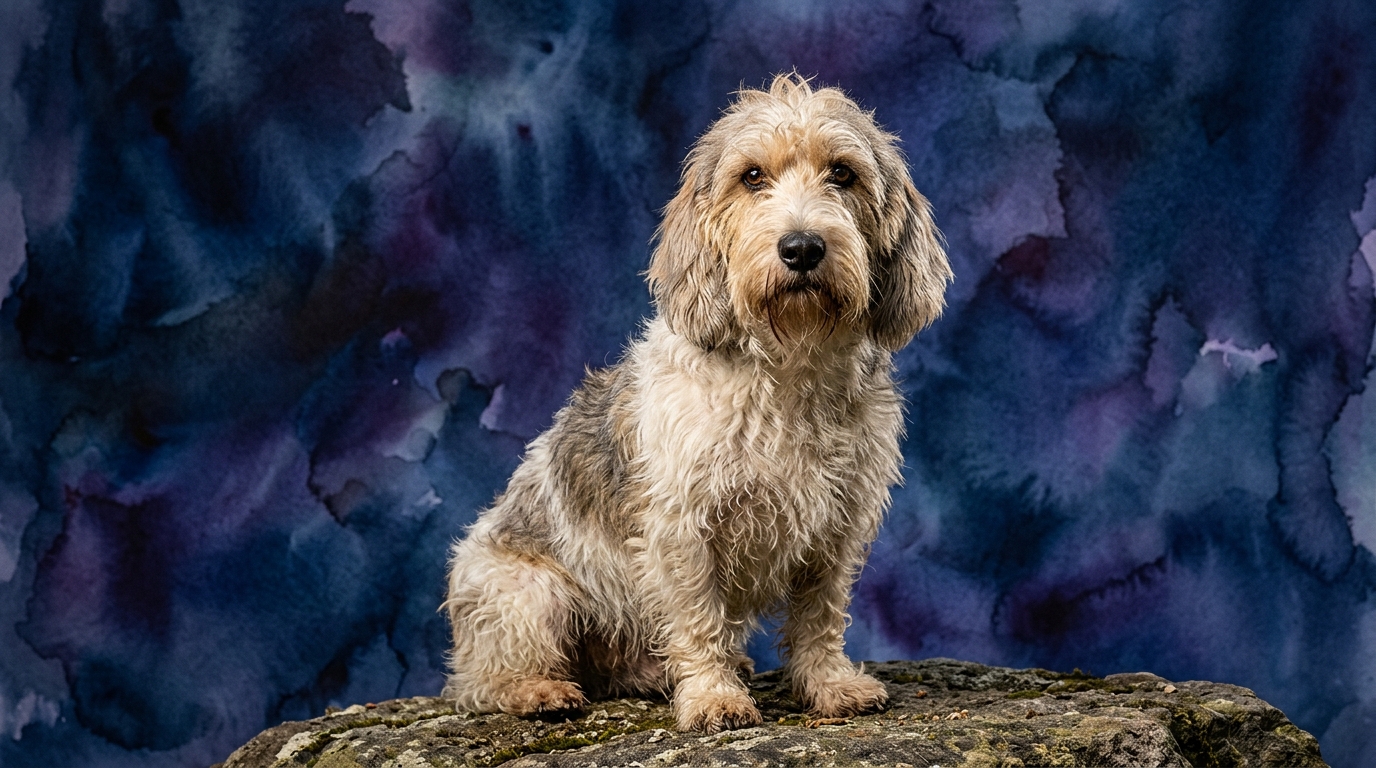
Side-by-Side IQ Profile: Unpacking Identical Scores
At first glance, the IQ profiles of the Neapolitan Mastiff and the Petit Basset Griffon Vendéen (PBGV) appear remarkably similar, with both breeds scoring 3/5 across problem-solving, training speed, social intelligence, instinctive drive, and memory. However, these identical scores do not imply identical cognitive expression; rather, they highlight a baseline capacity that is profoundly shaped by each breed's historical purpose and inherent temperament. Understanding these nuances requires looking beyond the numbers to the practical application of their cognitive strengths.
For the Neapolitan Mastiff, a working breed, their cognitive dimensions are intrinsically tied to their role as a formidable guardian. Their Problem Solving (3/5) manifests as a practical, context-specific ability to assess potential threats to their home or family and strategically position themselves. Their cognitive efforts are often directed towards maintaining order and security within their defined territory, rather than abstract puzzles. Training Speed (3/5) indicates they are capable of absorbing and retaining commands, particularly those related to their guardian duties or household routines, but their learning pace is deliberate. Consistency and a clear, confident leader are crucial for success, as they may require motivation to comply if a command conflicts with their inherent protective instincts. Social Intelligence (3/5) allows them a nuanced understanding of their human family's emotions and social dynamics, forming deep bonds and often exhibiting a calm, discerning demeanor towards strangers, adept at reading intentions within their trusted circle. Their Instinctive Drive (3/5) primarily revolves around protection and territoriality, a watchful presence and readiness to intercede if they perceive a threat, rather than a high-energy, prey-focused drive. Finally, Memory (3/5) is robust for routines, people, and past experiences, allowing them to recall specific training commands and positive or negative interactions over extended periods, contributing to their reliability as guardians.
The Petit Basset Griffon Vendéen, a hound breed, expresses its identical cognitive scores through a lens of sensory-driven exploration and persistence. Their Problem Solving (3/5) acumen shines through their tenacious pursuit of scent trails, figuring out how to navigate complex terrain or overcome obstacles to reach a source of intriguing aroma. Their cognitive efforts are heavily geared towards sensory-driven discovery and unraveling olfactory puzzles. Training Speed (3/5) means they are intelligent and capable of learning commands, yet their independent hound nature and overwhelming scent drive can sometimes make them appear less responsive during training sessions. Success hinges on engaging their natural curiosity with high-value rewards and maintaining absolute consistency amidst potential distractions. Social Intelligence (3/5) sees PBGVs as highly social with their human and canine 'pack,' adept at reading social cues within their immediate group and generally friendly towards new acquaintances. However, their focus can quickly shift to an enticing scent, temporarily overshadowing human interaction. Their Instinctive Drive (3/5) is predominantly rooted in scenting, tracking, and vocalizing, reflecting their heritage as robust hunting companions, possessing an unwavering determination to follow a compelling aroma. Their Memory (3/5) is strong for specific scent locations, successful past tracking endeavors, and positive reinforcement associated with training, remembering where the best smells are found and which people offer the best treats, reinforcing their exploratory nature.
Where the Neapolitan Mastiff Excels Cognitively
The Neapolitan Mastiff’s cognitive strengths are deeply rooted in their foundational role as a steadfast, discerning guardian. Their Problem Solving (3/5) manifests as a deliberate, calculated assessment of their immediate environment, prioritizing security and stability within their domain. Unlike a hound driven by immediate sensory input, the Mastiff processes information with a focus on potential threats, making decisions that reflect their protective mandate. This involves understanding complex scenarios, such as distinguishing between a playful, welcome visitor and an unwelcome intruder, a nuanced form of situational awareness that demands more than simple pattern recognition.
Furthermore, their Social Intelligence (3/5) allows for a profound understanding of human emotions and household dynamics, translating into a calm, empathetic presence within the family unit. They excel at reading non-verbal cues from their trusted companions, offering comfort or vigilance as needed without explicit instruction. This deep perceptive ability, combined with their Memory (3/5) for routines and past interactions, enables them to integrate seamlessly into a household, often anticipating needs and maintaining a predictable, secure environment through their sheer presence and discerning judgment. Their cognitive 'wins' are in the realm of stable, protective, and deeply integrated family companionship.
Where the Petit Basset Griffon Vendéen Excels Cognitively
The Petit Basset Griffon Vendéen’s cognitive prowess shines brightest in their sensory-driven engagement with the world, particularly through their extraordinary olfactory capabilities. Their Problem Solving (3/5) is less about abstract strategy and more about tenacious, sequential deduction through scent. They can unravel complex olfactory puzzles, following faint traces across varied terrain with remarkable focus and persistence, a skill vital for their hunting heritage. This involves constantly re-evaluating information, adapting their path, and making rapid decisions based on subtle environmental cues, often outsmarting physical obstacles to maintain a trail.
Their Instinctive Drive (3/5) is a powerful cognitive engine, propelling them to explore and discover with an unflagging enthusiasm that few other breeds can match. This relentless curiosity and drive for exploration, combined with their Memory (3/5) for specific scent locations, means they are constantly learning and mapping their environment through smell. This allows them to build a detailed mental library of their surroundings, far beyond what visual cues alone could provide, making them exceptional at navigating and rediscovering areas of interest. Their cognitive 'wins' are in the realm of sensory exploration, persistent tracking, and environmental mastery through scent.
Training Dynamics: Neapolitan Mastiff vs. PBGV
Assessing ease of training, both breeds score 3/5 for Training Speed, yet their behavioral expressions of this score differ significantly due to their inherent motivations and breed characteristics. The Neapolitan Mastiff, while requiring a firm and consistent hand, often responds well to training that aligns with their inherent desire for order and their social intelligence. They understand their role within the family structure and, once they respect their handler’s authority, can be quite compliant. Their formidable size necessitates early and thorough obedience training, which they are capable of absorbing, especially when presented with practical, purpose-driven commands. They learn and retain commands, but their motivation often stems from loyalty and a desire to please their trusted people, rather than an eagerness for endless repetition or complex tricks.
The Petit Basset Griffon Vendéen, conversely, presents a unique training challenge due to their powerful instinctive drive for scent and their independent hound nature. While they learn and remember commands, their attention can be incredibly difficult to hold when an enticing aroma captures their focus. Training a PBGV often feels like a constant negotiation against the overwhelming pull of their nose; they might know the command perfectly but choose to prioritize a fascinating scent over immediate compliance. Therefore, while equally capable of learning, the PBGV demands far greater patience, creativity in motivation, and a profound understanding of their primary sensory world to achieve consistent results. Their training requires an owner who can make themselves more interesting than the environment, often requiring specialized techniques like positive reinforcement and recall training in highly distracting environments.
Activity Levels: Matching Breed to Lifestyle
The choice between these two breeds also hinges significantly on an owner’s lifestyle and activity levels. For active owners who relish outdoor adventures and engaging in mentally stimulating activities, the Petit Basset Griffon Vendéen is often the more suitable companion. Despite their 'basset' moniker, PBGVs are surprisingly energetic and possess a boundless zest for exploration, thriving on long walks, hikes, and especially scent-based activities like tracking or nose work. Their cognitive engagement is heightened by opportunities to use their primary sense, making them ideal for owners who can dedicate time to satisfying their innate drive for discovery and physical exertion, requiring an owner to be just as curious and active.
In contrast, the Neapolitan Mastiff typically aligns better with more relaxed owners who appreciate a calm, deliberate presence. While they certainly require regular, moderate exercise to maintain their health and prevent boredom, they are not high-energy dogs that demand constant vigorous activity. A Neapolitan is often content with a good daily walk and ample lounging time within their secure territory, where they can fulfill their guardian role with quiet vigilance. Owners who prefer a less physically demanding canine companion, but are prepared for the responsibilities of managing a very large, powerful, and protective breed with extensive socialization needs, will find a Neapolitan Mastiff a deeply rewarding presence.
The Verdict
Select the Neapolitan Mastiff if you seek a formidable, loyal guardian with a calm, deliberate cognitive approach, valuing a dog that deeply integrates into family routines and offers quiet, protective companionship.
Opt for the Petit Basset Griffon Vendéen if you desire an energetic, curious companion with a strong independent streak, eager to explore the world through their nose, and you can provide ample scent-driven activities.
🧠 Find Your Pet's IQ Score
Our Pet IQ Lab assessment covers 25+ tests across 5 cognitive dimensions — personalized to your breed.
Take the Full IQ Test →Frequently Asked Questions
Do Neapolitan Mastiffs and PBGVs learn at the same rate despite different temperaments?
Yes, both breeds score 3/5 in training speed, indicating a similar capacity for learning new commands. However, the Neapolitan Mastiff often learns best with clear, consistent leadership and purpose-driven commands, while the PBGV requires more creative motivation and management of environmental distractions due to their strong scent drive.
How does a '3/5' in problem-solving differ between these two breeds?
For the Neapolitan Mastiff, 3/5 problem-solving often involves practical, situational assessments for guarding and understanding household dynamics. For the PBGV, it manifests as tenacious, sensory-driven deduction, such as expertly following complex scent trails and navigating obstacles during exploration.
Is one breed more 'social' than the other, given their identical social intelligence scores?
Both score 3/5, but their social expressions differ. Neapolitan Mastiffs show deep social intelligence within their trusted family circle, discerning intentions and often reserved with strangers. PBGVs are generally friendly and social with their pack, but their powerful instinctive drive can sometimes lead them to prioritize an intriguing scent over human interaction.