Side-by-side IQ profile
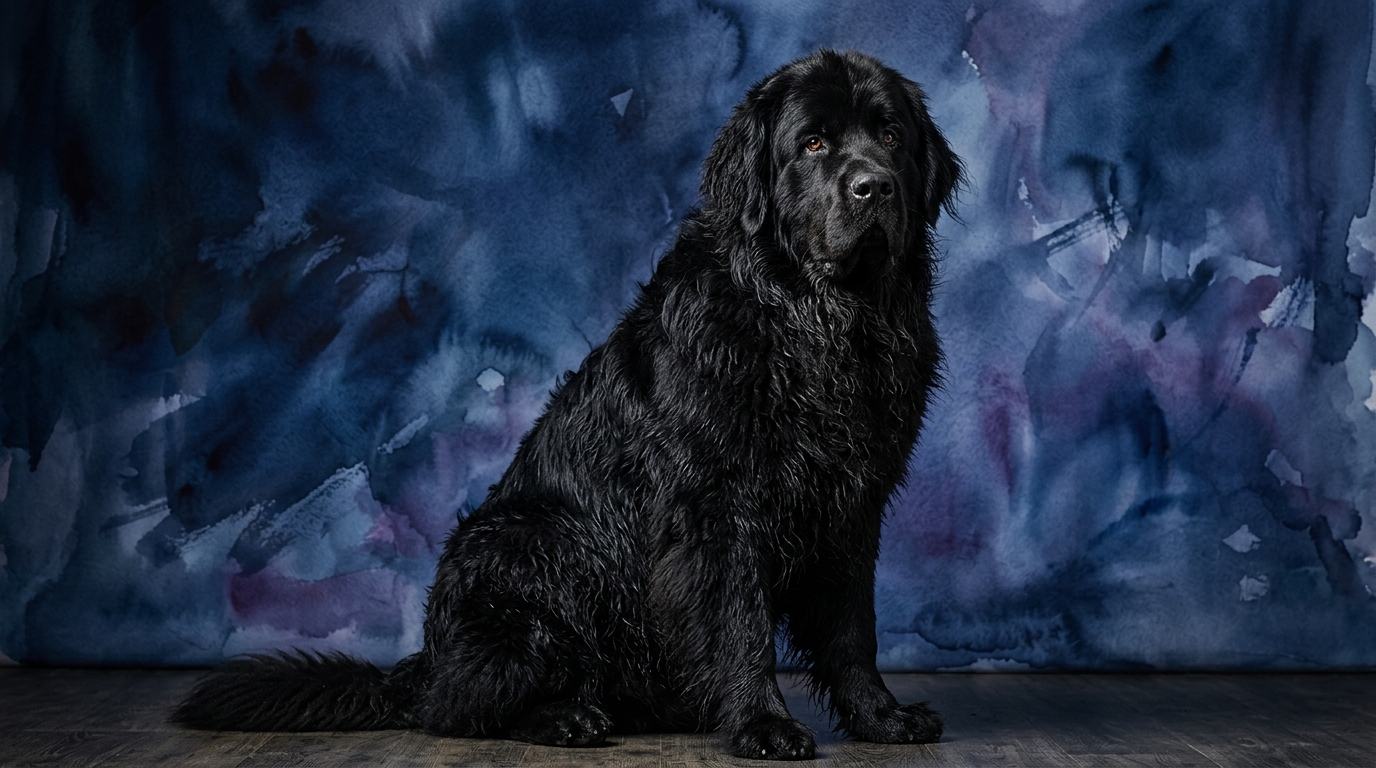
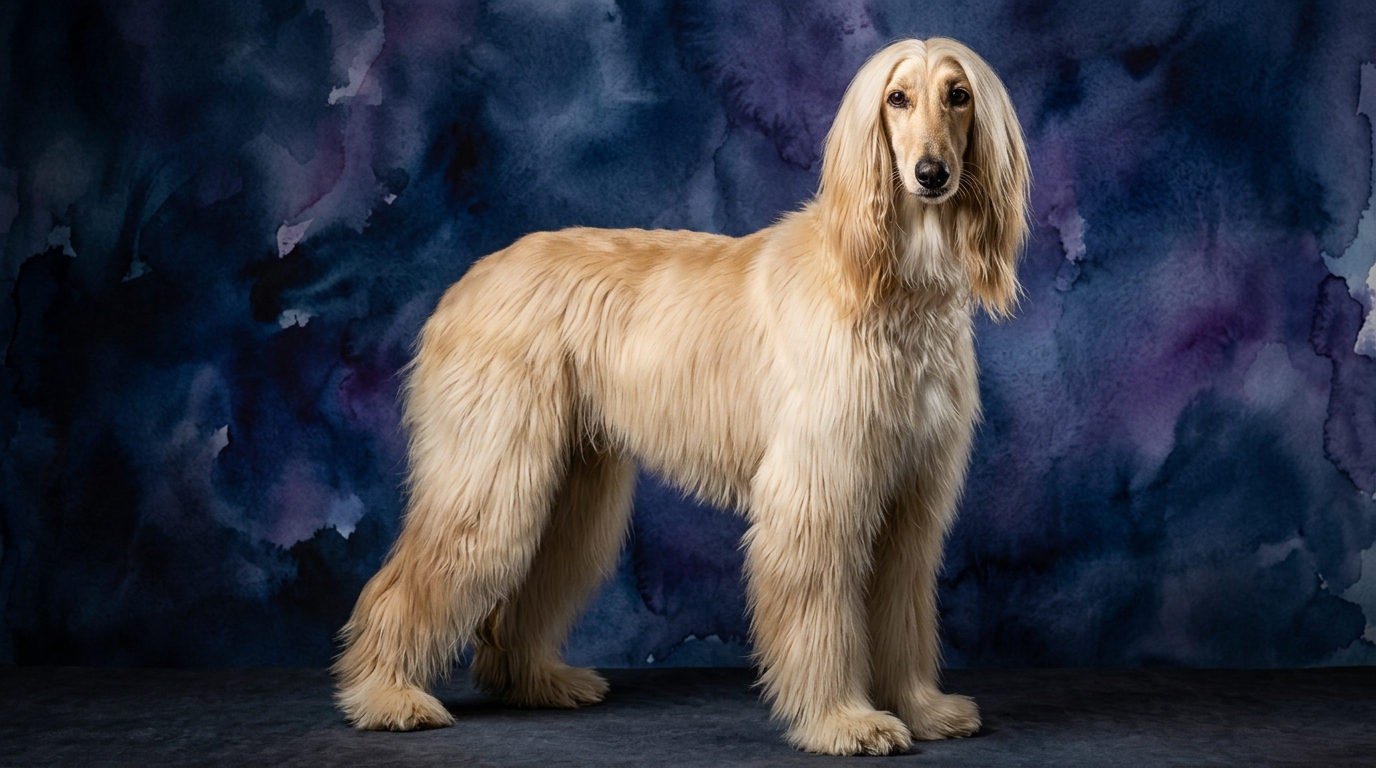
The Cosmic Pet Pet IQ Lab evaluates canine cognition across five dimensions. The Newfoundland, a Working breed, ranks #34 on the Coren scale, while the Afghan Hound, a Sighthound, sits at #79, hinting at foundational differences.
For the Newfoundland: Problem Solving 3/5 reflects practical intelligence, often applied to rescue or navigation to aid others. Training Speed 4/5 indicates a quick grasp of commands and a desire to cooperate. Social Intelligence is 5/5; these dogs are acutely aware of human emotions, making them exceptional companions. Instinctive Drive, also 5/5, is powerfully geared towards protection and rescue, manifesting as an urge to ‘save.’ Memory, at 4/5, enables consistent recall of commands and experiences.
The Afghan Hound presents a different cognitive landscape. Problem Solving is 4/5, suggesting an agile mind capable of independent thought and creative solutions, particularly when pursuing a goal. Training Speed is a low 1/5, reflecting an independent spirit over repetitive instruction. Social Intelligence scores 2/5, indicating less overt interest in human social dynamics, preferring reserved interactions. Instinctive Drive is 5/5, channeled into spotting, chasing, and coursing with incredible focus. Memory, at 3/5, is adequate for recalling important individuals and routines.
Where Newfoundland Wins Cognitively
The Newfoundland’s cognitive strengths stem from its working heritage. Its exceptional Social Intelligence (5/5) means it excels at reading human body language and emotional states, making it incredibly empathetic and responsive. This profound understanding allows Newfoundlands to anticipate needs or sense distress, often intervening subtly, like nudging a sad child. Their high Training Speed (4/5) and strong Memory (4/5) create a dog that learns quickly and retains lessons long-term. This is crucial for complex tasks like water rescue, remembering action sequences or locations. Their practical problem-solving (3/5) applies to efficient aid, whether pulling a cart or guiding someone, rather than abstract puzzles. This blend of social acumen, rapid learning, and reliable recall makes them a formidable cooperative partner.
Where Afghan Hound Wins Cognitively
The Afghan Hound's cognitive prowess lies in its ancient hunting role, demanding keen observation and independent decision-making. Their Problem Solving score of 4/5 reflects an impressive ability to assess situations rapidly and devise effective strategies, especially in dynamic, open environments. This involves independently tracking prey, navigating terrain, and making split-second decisions without human command. This manifests as a creative approach to obstacles, preferring their own solutions. Their Instinctive Drive (5/5) is powerfully channeled into pursuit and observation, a testament to centuries of sighthound breeding. This drive translates into unwavering focus on movement and profound satisfaction in the chase. While social intelligence is lower (2/5), it signifies a dignified, less overtly demonstrative bond, expressing deep attachments by choosing when and how to engage socially, respecting their inherent independence.
Which is Easier to Train and Why
The Newfoundland clearly holds a training advantage due to its high Social Intelligence (5/5) and Training Speed (4/5). Newfoundlands inherently desire to please, making them highly receptive to instruction and eager to participate. Their strong memory (4/5) ensures learned commands are retained, promoting consistent performance. They thrive on positive reinforcement, viewing training as cooperative, strengthening the bond. This innate biddability means they quickly grasp obedience and complex tasks, making them a joy for any owner.
In contrast, the Afghan Hound's training Speed of 1/5 and lower Social Intelligence (2/5) create a different dynamic. They aren't "difficult" due to lack of capacity, but their independence and strong instinctive drive for self-directed action mean they often see little value in repetitive obedience. Afghan Hounds understand commands, but their motivation to execute depends on perceived benefit. Training requires immense patience, creativity, and understanding of their sighthound nature. Owners must make training fun and rewarding, often using their natural prey drive in controlled settings. Expect an Afghan to question "why?" and comply only if it aligns with their agenda.
Which Suits Active Owners vs. Relaxed Owners
Suitability for active versus relaxed owners depends on cognitive engagement. The Newfoundland, despite its size, adapts well to various activity levels, suiting moderately active and relaxed owners alike, provided social and emotional needs are met. For the moderately active, a Newfoundland happily joins long walks, swimming, or carting, engaging its instinctive drive. For relaxed owners, its social intelligence and desire for companionship mean contentment with indoor interaction and a consistent routine, thriving as a family member. Their cognitive profile requires consistent, gentle leadership and abundant affection.
The Afghan Hound, conversely, thrives with active owners who appreciate its intense instinctive drive (5/5) and independent problem-solving (4/5). Their need for bursts of high-speed activity is non-negotiable. Owners must provide regular, vigorous exercise, ideally in secure, expansive areas for free galloping. Their independent nature means less inclination for highly structured activities unless it appeals to their athleticism. An Afghan owner should offer outlets like lure coursing or long hikes, rather than expecting a perpetually biddable companion. They suit those respecting periods of calm independence balanced with exhilarating activity.
The Verdict
Choose the Newfoundland if you seek a deeply empathetic, highly trainable companion eager to participate in family life and cooperative tasks, thriving on social interaction and a sense of purpose.
Opt for the Afghan Hound if you appreciate an independent, visually driven companion who excels at self-directed problem-solving and vigorous bursts of activity, valuing a dignified yet affectionate bond.
🧠 Find Your Pet's IQ Score
Our Pet IQ Lab assessment covers 25+ tests across 5 cognitive dimensions — personalized to your breed.
Take the Full IQ Test →Frequently Asked Questions
Do Afghan Hounds understand commands, even with their low training speed?
Yes, Afghan Hounds are capable of understanding commands, and their problem-solving ability is quite high. Their low training speed score primarily reflects their independent nature and preference for self-directed action rather than an inability to comprehend. They often choose when and if to comply based on their own motivations.
How does the Newfoundland's high social intelligence impact its behavior with children?
The Newfoundland's exceptional social intelligence makes them remarkably gentle and patient with children. They are often acutely aware of a child's vulnerability and emotional state, naturally adopting a protective and nurturing role, though supervision is always essential with any dog and child.
Is the Afghan Hound truly "less intelligent" than the Newfoundland because of its Coren rank?
Not at all; the Coren rank and IQ scores highlight different types of intelligence. The Afghan Hound's cognitive profile emphasizes independent problem-solving and instinctive drive for hunting, while the Newfoundland excels in social intelligence and cooperative training. Both are intelligent, but in ways suited to their historical roles.