Side-by-Side IQ Profile: Newfoundland vs. American Water Spaniel
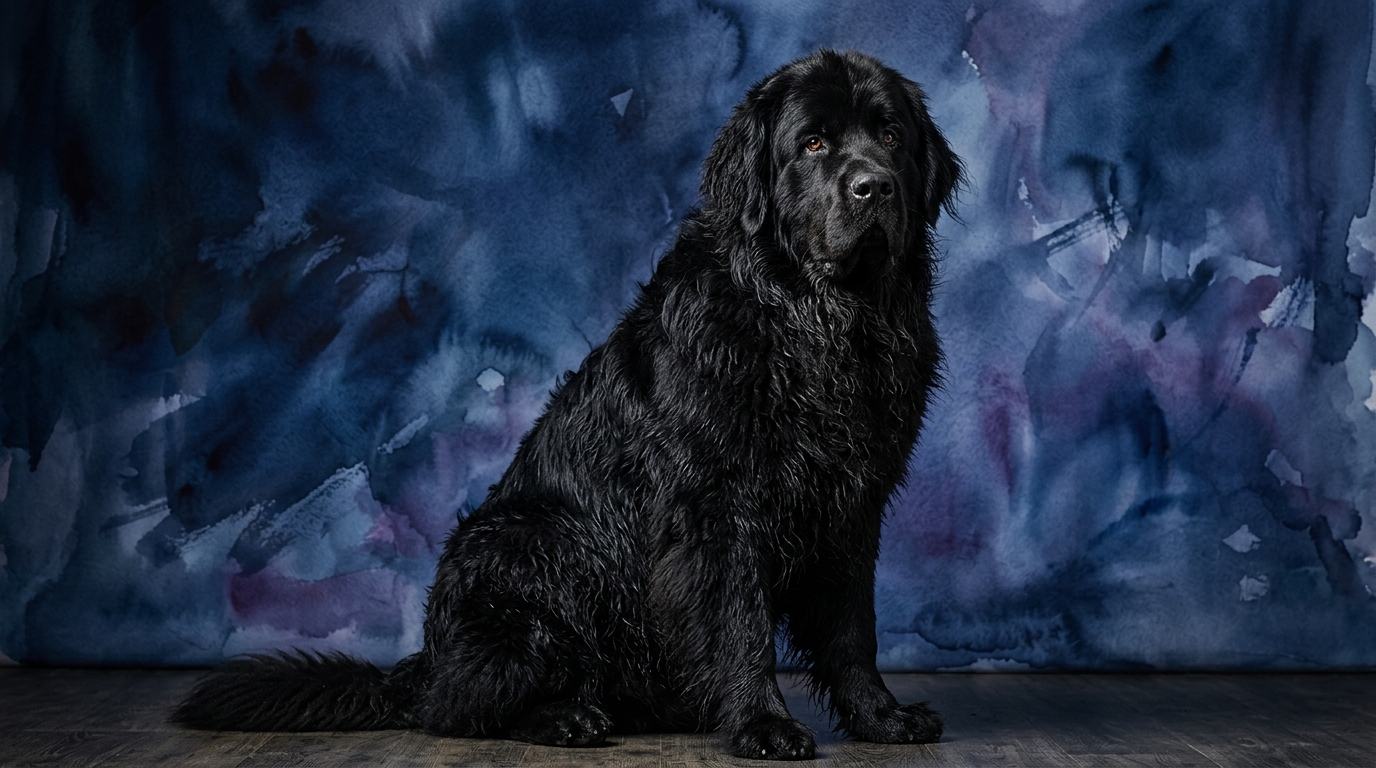
The Newfoundland, ranked #34 by Coren, presents a unique cognitive blueprint tailored for its role as a water rescue dog and steadfast companion. Their Problem Solving is rated 3/5, indicating a practical, methodical approach to obstacles, often relying on their physical presence and learned behaviors for direct solutions. Training Speed for the Newfoundland scores 4/5, reflecting an impressive ability to pick up new commands and routines, largely due to their eagerness to please and strong handler bond. A perfect 5/5 in Social Intelligence highlights their exceptional capacity to understand and respond to human emotions and cues, making them profoundly empathetic. Their Instinctive Drive is also 5/5, deeply rooted in their heritage for aid and protection, manifesting as a powerful, complex motivation to help. Finally, their Memory at 4/5 ensures strong recall for people, places, and learned tasks over time.
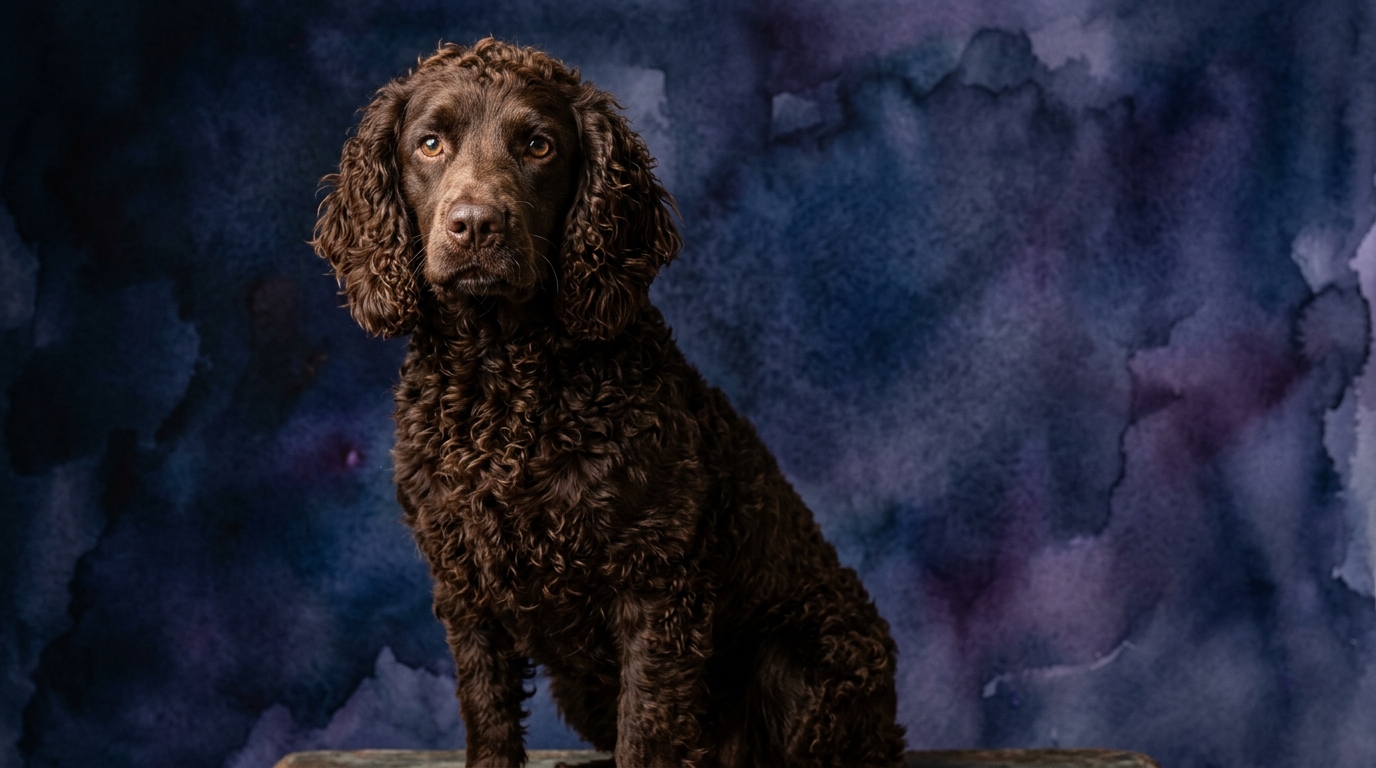
The American Water Spaniel, with a Coren rank of #44, exhibits cognitive traits optimized for its sporting and retrieving background. Their Problem Solving matches the Newfoundland at 3/5, focusing on efficient task completion like navigating terrain or locating game. Their Training Speed is 3/5; while capable, they may require more repetition and varied methods due to their spirited nature. Social Intelligence for the AWS is 3/5, showing observational skills and strong bonds within their immediate family, though perhaps less broad empathy than the Newfoundland. Their Instinctive Drive, rated 3/5, is intensely geared towards hunting and retrieving, a potent motivation within its specific working context. Like the Newfoundland, their Memory is 4/5, crucial for recalling hunting routes, retrieve locations, and specific commands, supporting their independent work in the field.
Where Newfoundland Wins Cognitively
The Newfoundland's cognitive superiority shines brightest in the realm of social intelligence, scoring a perfect 5/5. These gentle giants possess an unparalleled ability to interpret human emotions and social cues, often anticipating needs without explicit commands. This profound empathy allows them to form deep, nuanced bonds, making them exceptionally attuned therapy animals and family companions. Their instinctive drive, also rated 5/5, is another area of distinct strength, manifesting as an innate desire to protect and assist, particularly in water. This isn't just a simple reflex; it's a complex, proactive motivation to intervene and help, which is a rare and sophisticated form of canine cognition. Furthermore, their training speed (4/5) slightly surpasses the American Water Spaniel, indicating a quicker grasp of new commands, likely fueled by their strong desire to please and their profound social connection to their handlers. This combination of advanced social understanding and inherent altruism sets the Newfoundland apart, enabling them to engage with the world in a profoundly compassionate and helpful manner.
Where American Water Spaniel Wins Cognitively
While the Newfoundland excels in social and altruistic cognition, the American Water Spaniel demonstrates specific cognitive strengths tailored to its sporting background. Their problem-solving abilities, rated 3/5, are equal to the Newfoundland's, but they often apply this practical intelligence with a different focus: navigating complex terrain, locating hidden game, and executing precise retrieves. This breed's memory (4/5), matching the Newfoundland's, is particularly adept at recalling specific locations, scent trails, and intricate sequences of actions required during a hunt, allowing for independent and efficient work in the field. Their instinctive drive (3/5), though lower in score, is intensely focused on tasks like flushing and retrieving, demanding a different kind of cognitive agility and persistence. This drive, while not as broadly altruistic, is highly specialized and refined, requiring them to make quick decisions and adapt strategies in dynamic outdoor environments. The American Water Spaniel's cognitive strengths are therefore optimized for self-directed, task-oriented performance, where independence and precision in their specific working role are paramount.
Which is Easier to Train and Why
Based on our metrics, the Newfoundland generally presents as the easier breed to train, primarily due to its superior social intelligence (5/5) and faster training speed (4/5). Newfoundlands are deeply attuned to their handlers' moods and intentions, making them highly receptive to instruction and eager to cooperate. Their strong desire to please, coupled with their calm and patient demeanor, means they respond well to positive reinforcement and are less likely to become distracted or stubborn during training sessions. For instance, a Newfoundland is more likely to maintain focus on a complex multi-step command sequence, driven by their bond with their human. In contrast, the American Water Spaniel, with a training speed of 3/5 and social intelligence of 3/5, may require more patience and varied approaches. Their spirited and independent nature, while valuable in the field, can sometimes translate to a shorter attention span or a tendency to follow their own instincts if not consistently engaged. While both breeds are capable learners, the Newfoundland's inherent social disposition and quicker grasp of new concepts make the training journey typically smoother and more rewarding for the average owner seeking a highly biddable companion.
Which Suits Active Owners vs. Relaxed Owners
The choice between a Newfoundland and an American Water Spaniel hinges significantly on an owner's lifestyle. The Newfoundland, despite its impressive instinctive drive for rescue work, generally suits a more relaxed owner or one seeking a large, calm companion for moderate activity. While they require regular walks and opportunities for swimming, their immense size and gentle temperament mean they are content with a steady routine rather than high-intensity, constant exertion. Their profound social intelligence means they thrive on close family interaction and quiet companionship at home, making them excellent partners for owners who appreciate a steadfast presence. Conversely, the American Water Spaniel is unequivocally better suited for active owners. Their sporting heritage imbues them with a boundless energy and a persistent drive for physical and mental engagement. They need regular, vigorous exercise, which could include daily long runs, swimming, or participation in dog sports like agility, obedience, or field trials. Their cognitive strengths are geared towards problem-solving in dynamic environments, so they flourish when given 'jobs' that challenge both their bodies and minds. A relaxed owner might find themselves overwhelmed by the AWS's need for stimulation, potentially leading to behavioral issues stemming from boredom.
The Verdict
Choose the Newfoundland if you seek a profoundly empathetic, calm, and biddable companion who thrives on close family interaction and requires moderate physical activity.
Opt for the American Water Spaniel if you are an active individual or family looking for an energetic, independent, and task-oriented partner for outdoor adventures and dog sports.
🧠 Find Your Pet's IQ Score
Our Pet IQ Lab assessment covers 25+ tests across 5 cognitive dimensions — personalized to your breed.
Take the Full IQ Test →Frequently Asked Questions
Do Newfoundlands make good apartment dogs despite their size?
While very large, Newfoundlands can adapt to apartment living if they receive adequate daily exercise and mental stimulation. Their calm indoor demeanor and preference for being close to their family make them surprisingly adaptable, provided their exercise needs are met with regular walks and outdoor time.
How do the grooming needs of these two breeds compare?
The Newfoundland, with its thick double coat, requires significant grooming, including daily brushing to prevent mats and regular bathing, especially if they swim. The American Water Spaniel's curly, waterproof coat is less demanding but still needs regular brushing to prevent tangles and occasional trimming to maintain its health and function.
Are American Water Spaniels prone to separation anxiety?
American Water Spaniels are social dogs who bond closely with their families and can be prone to separation anxiety if left alone for extended periods without sufficient exercise or mental enrichment. Their need for activity means boredom can quickly lead to destructive behaviors if not addressed.