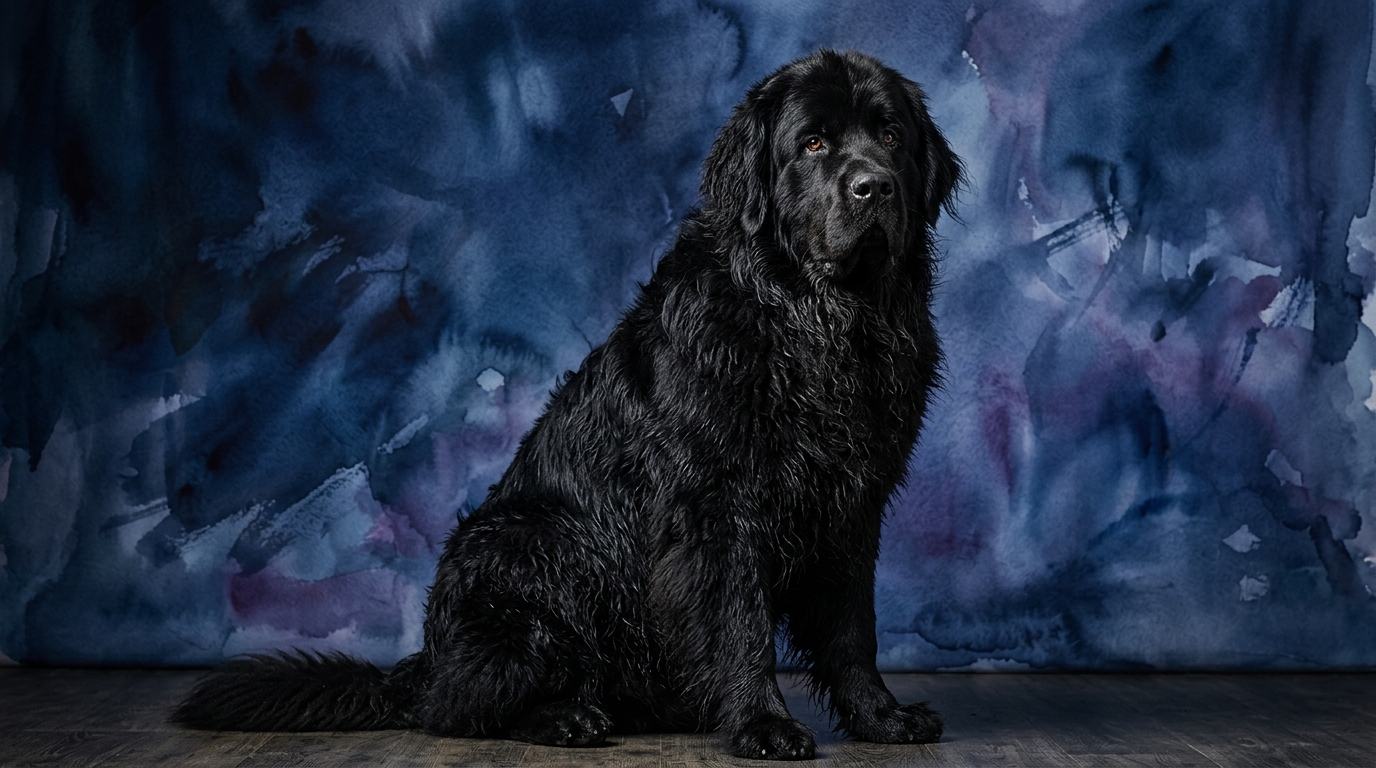
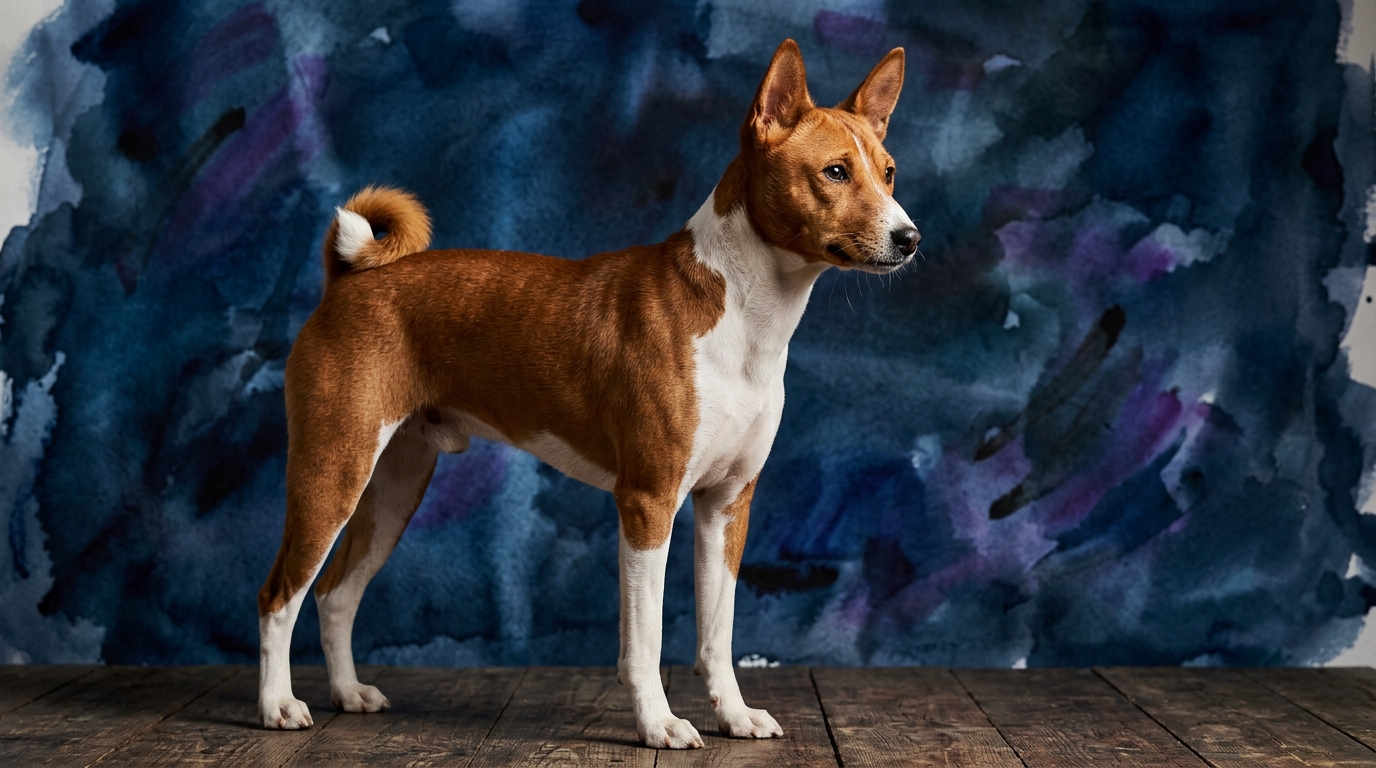
Side-by-Side IQ Profile: Newfoundland vs. Basenji
The Cosmic Pet Pet IQ Lab employs a multi-dimensional framework to assess canine intelligence, moving beyond a single, simplistic score. For the Newfoundland, a Coren rank of #34 places them within the above-average working intelligence category. Their Problem Solving is rated 3/5, indicating a capable but not intensely driven approach to complex puzzles. Training Speed stands at 4/5, reflecting a willingness and aptitude for learning commands quickly. Social Intelligence is exceptional at 5/5, showing a profound attunement to human emotional states and group dynamics. Instinctive Drive, particularly for assistance and protection, is also 5/5, while Memory is strong at 4/5, allowing for solid retention of learned behaviors and relationships.
In contrast, the Basenji, with a Coren rank of #78, falls into the fair working intelligence category, often perceived as more challenging. Their Problem Solving ability is remarkably high at 5/5, suggesting an exceptional capacity for independent thought and creative solutions to obstacles. However, their Training Speed is notably low at 1/5, indicating a significant challenge in traditional obedience contexts. Social Intelligence is rated 3/5, meaning they are capable of forming bonds but often exhibit a more selective or independent social demeanor. Instinctive Drive, particularly for hunting and exploration, is high at 5/5, and their Memory is solid at 4/5, recalling experiences and patterns effectively.
Where the Newfoundland Wins Cognitively
The Newfoundland's cognitive strengths primarily lie in its collaborative spirit and profound social attunement. Its 5/5 Social Intelligence means it excels at understanding and responding to human cues, emotions, and intentions. This isn't just about being friendly; it's about a deep, intuitive grasp of social dynamics, making them highly responsive to their family's needs and excellent communicators within a household. This cognitive empathy allows them to anticipate desires and offer comfort, often without explicit instruction.
Coupled with a 4/5 Training Speed and a 5/5 Instinctive Drive for assistance, Newfoundlands are predisposed to working in partnership with humans. Their cognitive architecture supports a desire to engage in tasks alongside their people, whether it's pulling carts, performing water rescues, or simply being a calm, reassuring presence. They process information related to human interaction efficiently and are motivated to act in ways that maintain social harmony and fulfill their inherent cooperative drives, making them highly biddable and eager to learn within a social context.
Where the Basenji Wins Cognitively
The Basenji's standout cognitive victory is its exceptional Problem Solving ability, rated 5/5. Unlike many breeds that rely on human direction, Basenjis possess an innate capacity to independently assess situations, strategize, and execute solutions. This isn't about following commands; it's about figuring out how to open a gate, escape a yard, or retrieve a desired object through inventive means. Their minds are constantly analyzing their environment for opportunities and challenges, making them incredibly resourceful and often surprising in their ingenuity.
This high problem-solving capacity, combined with a 5/5 Instinctive Drive, fuels their exploratory nature and independence. They are adept at navigating complex environments, remembering routes (4/5 Memory), and employing various tactics to achieve their own goals, which frequently involve satisfying their strong prey drive or curiosity. While this can sometimes be perceived as stubbornness in a training context, it is, in fact, a powerful cognitive asset that allows them to thrive in situations requiring self-reliance and quick, independent decision-making.
Which is Easier to Train and Why
When it comes to ease of training, the Newfoundland clearly holds an advantage due to its cognitive profile. Their 4/5 Training Speed is a direct reflection of their eagerness to please and absorb new commands. This receptiveness is heavily bolstered by their 5/5 Social Intelligence; they are deeply attuned to their owner's moods and verbal cues, making them highly motivated by positive reinforcement and social praise. A Newfoundland views training as a collaborative activity, a chance to strengthen their bond and fulfill their instinctive drive to be a helpful companion. They genuinely want to understand what is being asked of them and comply.
The Basenji, however, presents a significant challenge with its 1/5 Training Speed. This isn't due to a lack of mental capacity, but rather their independent problem-solving nature and lower social intelligence (3/5) compared to the Newfoundland. A Basenji often evaluates a command based on its own perceived utility or interest, rather than an inherent desire to comply for compliance's sake. Their minds are often preoccupied with their own agenda, like exploring or tracking scents (5/5 Instinctive Drive), making them less inclined to focus on repetitive obedience exercises. Training a Basenji requires immense patience, creative motivation, and an understanding that they are more likely to 'negotiate' than simply obey, often employing their 5/5 Problem Solving to find loopholes or alternative actions.
Which Suits Active Owners vs. Relaxed Owners
The Newfoundland, with its strong social intelligence and biddable nature, is generally better suited for owners who desire a highly interactive and cooperative companion. While they require regular exercise and mental engagement, their activities often revolve around joint ventures: long walks, swimming, or training sessions that strengthen the human-dog bond. They thrive in environments where they are an integral part of family life and receive consistent social interaction and gentle guidance. Owners seeking a dog that will enthusiastically participate in structured activities and respond readily to direction will find the Newfoundland a fulfilling partner.
The Basenji, given its high problem-solving ability and independent spirit, appeals more to owners who appreciate a dog with a mind of its own and are prepared for a more nuanced relationship. They require owners who can provide ample mental stimulation through puzzle toys, scent work, and secure environments that cater to their exploratory drives. While they need physical activity, it often manifests as bursts of energy or independent adventures. Owners who enjoy engaging with a clever, sometimes mischievous, and often self-directed canine, and who are patient with a dog that may not always prioritize human commands, will find a unique connection with a Basenji. They are not for the owner seeking unquestioning obedience or a constantly 'relaxed' presence; rather, they suit those who value an active, mentally stimulating challenge.
The Verdict
Choose the Newfoundland if you seek a highly social, cooperative, and biddable companion eager to work alongside you and integrate deeply into your family's social fabric.
Opt for the Basenji if you admire independent thought, appreciate a dog that can outsmart its environment, and are prepared for the engaging challenge of a clever, self-directed companion.
🧠 Find Your Pet's IQ Score
Our Pet IQ Lab assessment covers 25+ tests across 5 cognitive dimensions — personalized to your breed.
Take the Full IQ Test →Frequently Asked Questions
Do Newfoundlands make good family dogs?
Yes, Newfoundlands excel as family dogs due to their exceptional 5/5 Social Intelligence and strong instinctive drive to protect and assist. They are typically patient, gentle, and highly attuned to the needs of their human family members, making them wonderful companions for households with children.
Are Basenjis difficult to live with due to their independence?
Basenjis can present unique challenges due to their 5/5 Problem Solving and 1/5 Training Speed, which translates to a highly independent and often self-directed nature. While they are not inherently 'difficult,' their strong will and propensity for mischief require an owner who understands and appreciates their unique cognitive style and can provide consistent, engaging mental stimulation.
Which breed is better for first-time dog owners?
For most first-time dog owners, the Newfoundland is generally a more suitable choice due to its higher Training Speed (4/5) and exceptional Social Intelligence (5/5), making them more receptive to guidance. The Basenji's independence and low training speed (1/5) can be challenging for those without prior experience handling a self-willed breed.