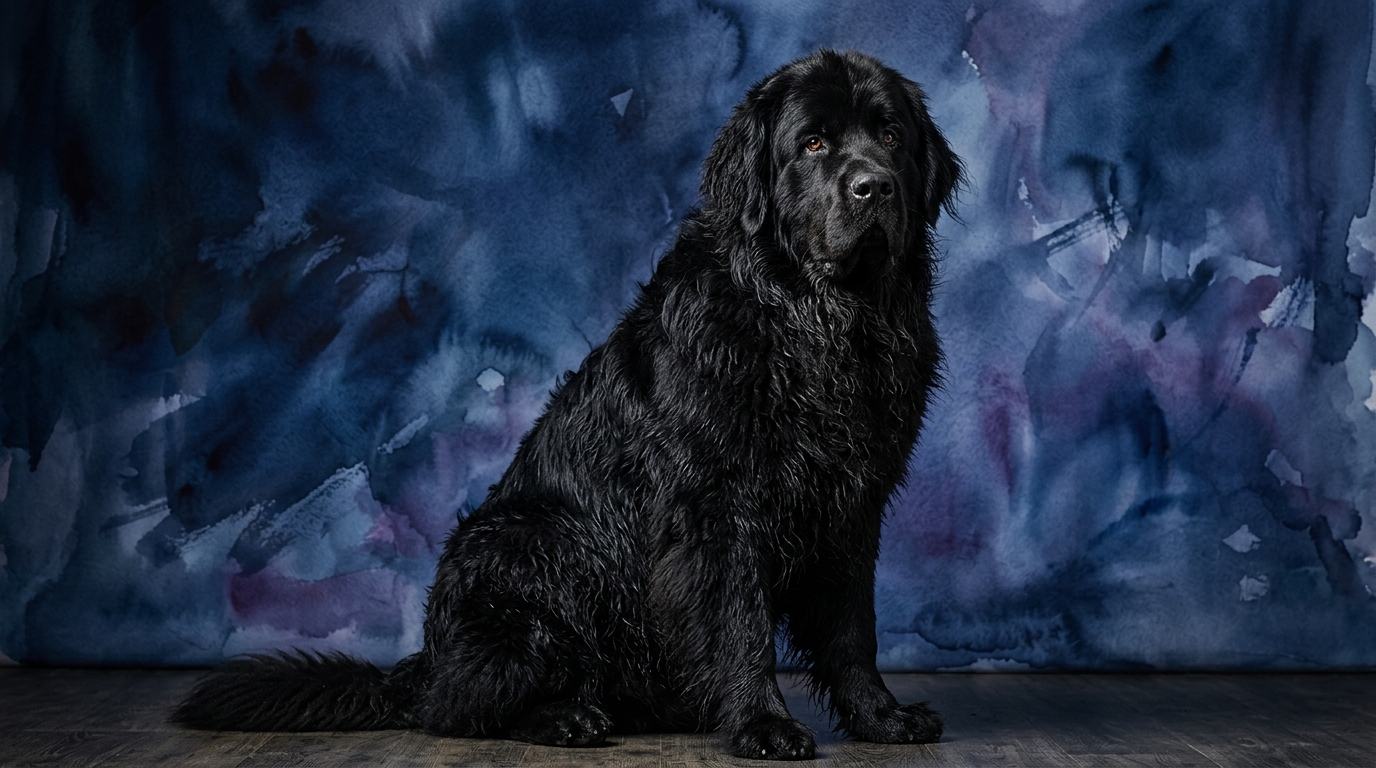
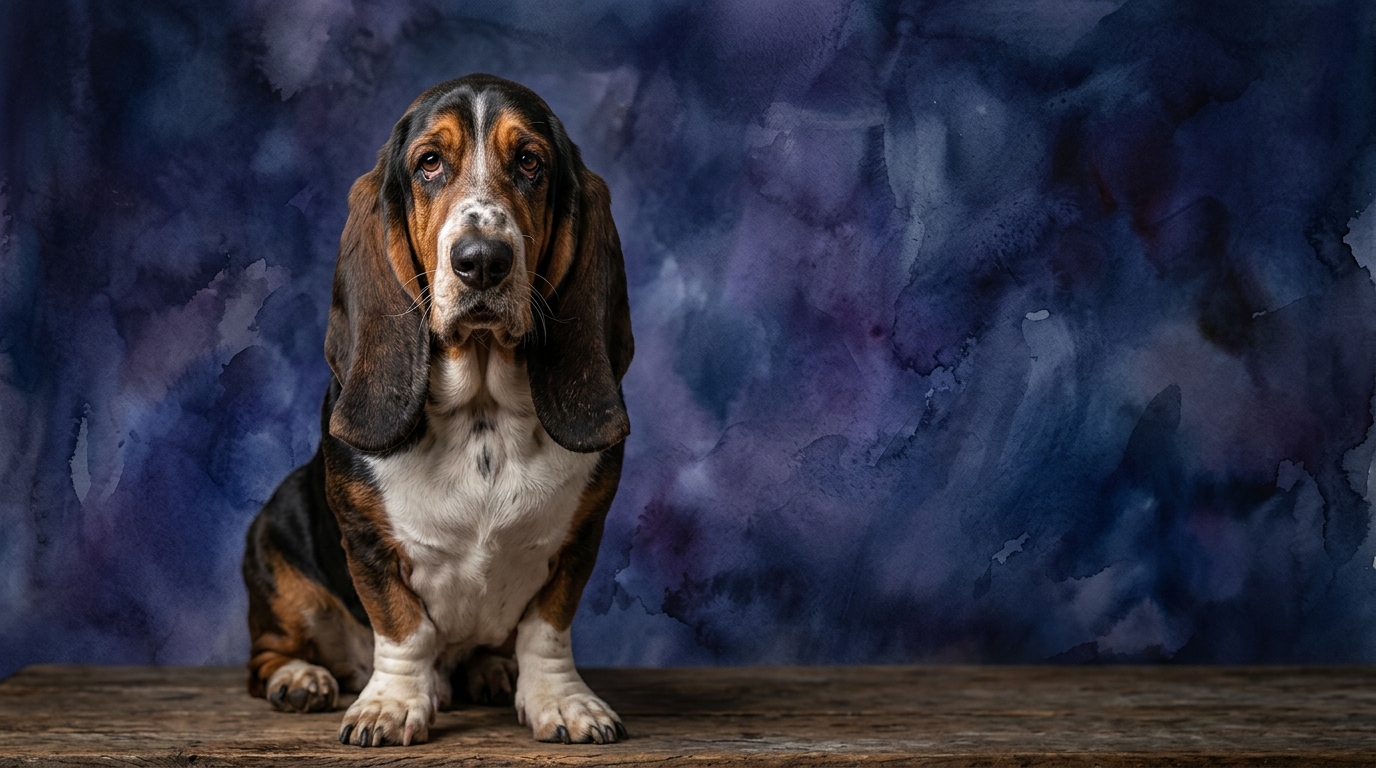
Side-by-Side IQ Profile
The Cosmic Pet Pet IQ Lab assesses five key cognitive dimensions. For the Newfoundland, problem-solving scores 3/5, indicating an ability to navigate complex situations like water rescue with practical insight. Training speed is 4/5, reflecting their quick grasp of new commands and multi-step tasks. Social intelligence is an exceptional 5/5, showcasing their deep empathy and strong cooperative bond with humans. Their instinctive drive registers a perfect 5/5, manifesting as a powerful, inherent urge for rescue work and protection, particularly in aquatic environments. Lastly, memory is 4/5, allowing them to retain commands, routines, and experiences reliably.
In contrast, the Basset Hound's profile highlights a different set of strengths. Their problem-solving is 3/5, primarily focused on deciphering intricate scent trails rather than general environmental challenges. Training speed is 3/5, suggesting a deliberate learning pace, often requiring repetition due to their independent nature. Social intelligence is 3/5; while friendly, their attention is frequently drawn by scent rather than constant human interaction. Instinctive drive is 3/5, intensely channeled into their powerful sense of smell, directing their actions towards tracking. Memory is also 3/5, meaning they recall basic commands but can be easily distracted from them by compelling odors.
Where Newfoundland Wins Cognitively
Newfoundlands truly excel in collaborative problem-solving and social cognition, areas where their scores significantly outpace the Basset Hound. Their perfect 5/5 in social intelligence means they are exceptionally attuned to human emotions and intentions, making them natural, empathetic partners in complex tasks. This isn't just about understanding commands; it's about anticipating needs, offering comfort, and working in sync with their human counterparts, a trait honed by centuries of water rescue and family guardianship. They possess an innate ability to assess situations, such as a person in distress, and respond appropriately, demonstrating a practical problem-solving ability that merges empathy with decisive action.
Furthermore, their 5/5 instinctive drive is a directed, purposeful energy towards welfare and protection, often involving intricate environmental navigation. This drive, combined with a 4/5 training speed and 4/5 memory, allows them to master and retain multi-step procedures necessary for life-saving work, like deploying a life raft or pulling a boat. Their cognitive strengths are geared towards understanding and interacting with a dynamic world, making quick, sound decisions under pressure, and applying learned behaviors reliably in varied and often challenging contexts.
Where Basset Hound Wins Cognitively
While the Basset Hound’s general IQ scores might appear modest compared to the Newfoundland, their cognitive strengths are profoundly specialized and often misunderstood when viewed through a conventional lens. Their problem-solving (3/5) isn't about rescuing people from water, but about unraveling the intricate puzzles left by a scent trail. This requires an extraordinary capacity for sustained focus, discrimination of minute olfactory details, and an unwavering persistence that allows them to follow a trail for miles, ignoring distractions that would deter most other breeds. Their world is defined by scent, and within that domain, their analytical abilities are unparalleled.
The Basset Hound’s 3/5 instinctive drive, while lower than the Newfoundland's, is intensely channeled into this olfactory pursuit. It manifests as an indefatigable motivation to track, a drive so powerful it often overrides learned commands or human requests. Their memory (3/5) in this context is less about recalling obedience tasks and more about retaining the nuances of a scent profile or remembering the exact path a specific trail took hours earlier. This breed excels not in broad cooperative intelligence, but in a singular, deep dive into sensory data processing, making them masters of their unique cognitive niche.
Which Is Easier to Train and Why
When it comes to ease of training, the Newfoundland holds a distinct advantage, primarily due to their higher scores in training speed (4/5) and social intelligence (5/5). These dogs possess a strong desire to please and a natural inclination towards cooperative work, making them highly receptive to instruction. They quickly form associations between commands and actions, and their deep social bond with their owners means they are often intrinsically motivated by praise and positive reinforcement. This translates into faster acquisition of complex obedience cues, a more reliable recall even in distracting environments, and a greater willingness to engage in structured learning sessions.
The Basset Hound, with its 3/5 training speed and 3/5 social intelligence, presents a different training experience. Their independent nature and powerful scent drive mean they are less inherently focused on human directives. A Basset Hound's primary motivation often comes from their nose, not from a desire to perform for their handler. This can lead to what some perceive as stubbornness, but it is more accurately a testament to their single-minded focus on scent exploration. Training a Basset requires immense patience, consistency, and a deep understanding of their specialized drives. Recall, for instance, can be particularly challenging; a Basset on a compelling scent trail may appear deaf to commands, not out of defiance, but because their cognitive processing is entirely dedicated to the olfactory input.
Which Suits Active Owners vs. Relaxed Owners
The Newfoundland is an ideal companion for owners who lead an active lifestyle and desire a dog deeply integrated into their daily activities. Their powerful build and historical role in water rescue mean they thrive on regular, vigorous exercise, including swimming, long walks, and engaging in dog sports. Owners who enjoy training and want to participate in activities like obedience, therapy work, or even carting will find a Newfoundland a willing and capable partner. Their high social intelligence and cooperative drive mean they flourish when given purpose and consistent interaction, making them excellent for families who can dedicate significant time to their physical and mental stimulation.
Conversely, the Basset Hound is better suited for more relaxed owners, though this doesn't imply a sedentary lifestyle. While Bassets enjoy leisurely strolls where they can indulge their scenting instincts, they are not built for high-impact activities or endurance running. Their short legs and long backs make them prone to certain physical limitations, favoring moderate, consistent exercise over intense bursts. Owners who appreciate a calm, amiable presence indoors, and are content with structured 'sniffing expeditions' rather than long hikes, will find a Basset Hound a delightful companion. Their independent streak means they are often content to nap at your feet, but their need for mental engagement through scent work should not be overlooked.
The Verdict
Choose a Newfoundland if you seek a highly collaborative, empathetic companion capable of complex learning and eager participation in family activities, especially those involving water or structured work.
Opt for a Basset Hound if you value an independent, amiable companion whose unique cognitive strengths lie in persistent scent work, and you appreciate a more relaxed indoor presence balanced with dedicated outdoor sniffing adventures.
🧠 Find Your Pet's IQ Score
Our Pet IQ Lab assessment covers 25+ tests across 5 cognitive dimensions — personalized to your breed.
Take the Full IQ Test →Frequently Asked Questions
Are Newfoundlands good family dogs?
Yes, Newfoundlands excel as family dogs due to their exceptional social intelligence and gentle nature. They are patient with children and form strong bonds, often acting as protective but kind guardians within the household.
Do Basset Hounds require a lot of exercise?
Basset Hounds require moderate exercise, primarily in the form of regular, leashed walks where they can engage their powerful sense of smell. While they aren't high-energy dogs, mental stimulation through scent tracking is crucial for their well-being.
Which breed is more prone to separation anxiety?
Newfoundlands, with their strong social intelligence and desire for companionship, may be more prone to separation anxiety if left alone for extended periods. Basset Hounds, being more independent, tend to cope better with solitude, provided their needs for exercise and mental engagement are met.