Side-by-Side Cognitive Profiles: Newfoundland vs. Beagle
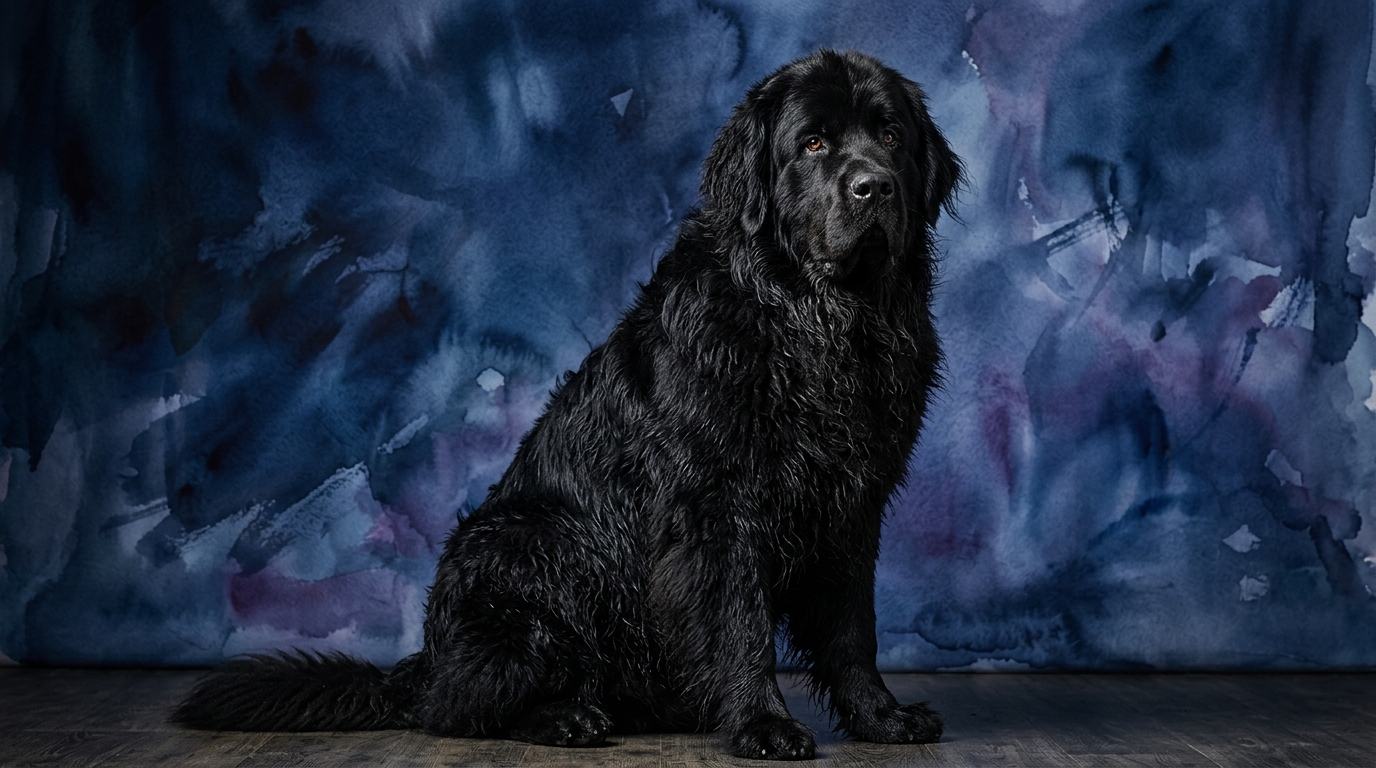
The Cosmic Pet Pet IQ Lab employs a five-dimensional framework to assess canine cognition, providing a nuanced understanding beyond simple obedience. For the Newfoundland, a Working breed ranked #34 by Coren, their profile highlights a balanced intelligence geared towards partnership. They score 3/5 in Problem Solving, indicating an ability to navigate challenges, often preferring collaborative solutions. Their Training Speed is a commendable 4/5, suggesting a readiness to absorb and execute commands. Social Intelligence shines at 5/5, reflecting an exceptional capacity to understand and respond to human emotions and social cues. Instinctive Drive, at 5/5, speaks to their powerful innate urges for protection, water rescue, and companionship. Finally, their Memory is solid at 4/5, allowing them to retain learned experiences and associations effectively.
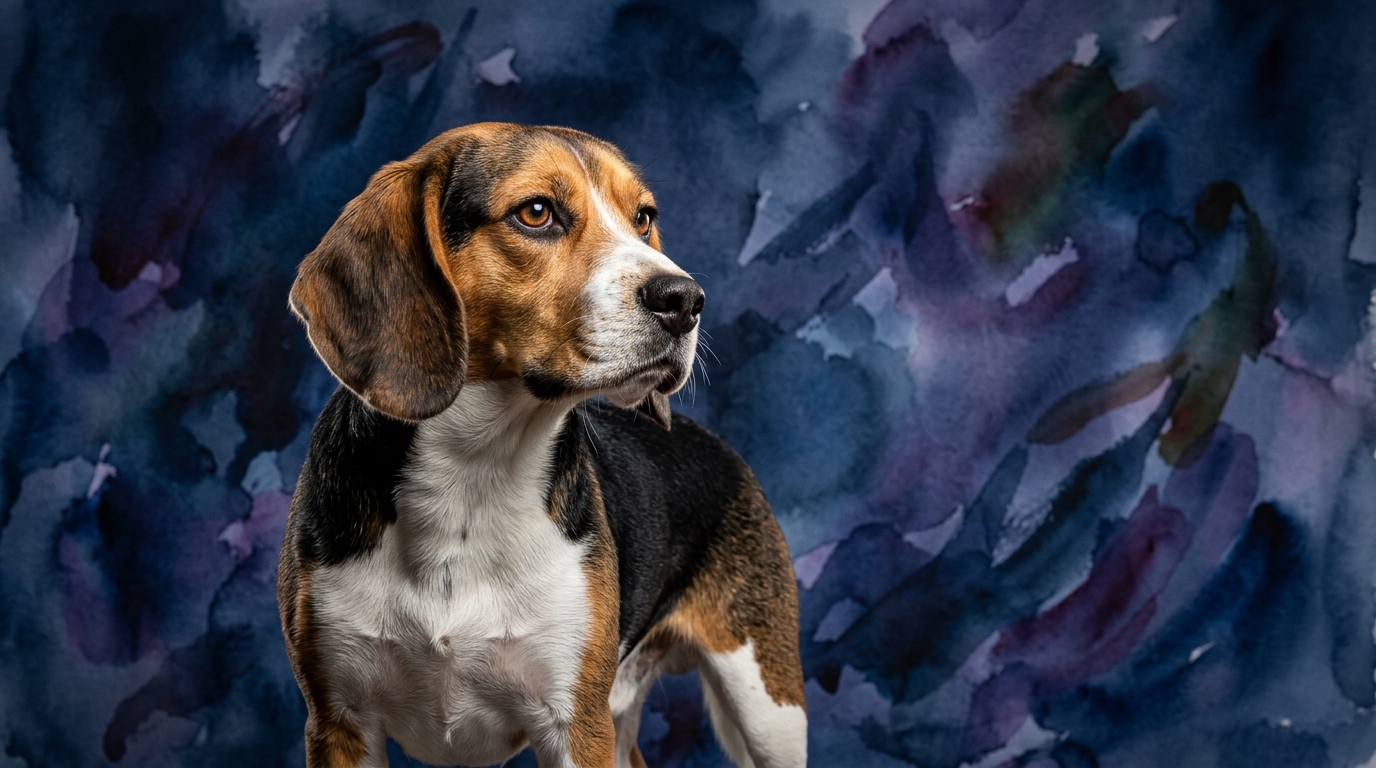
In contrast, the Beagle, a Hound breed with a Coren ranking of #72, presents a cognitive profile shaped by their ancient purpose. Their Problem Solving capability is rated higher at 4/5, demonstrating an impressive knack for independent strategizing, particularly when driven by a compelling scent. However, their Training Speed is 2/5, suggesting a more deliberate pace in absorbing new commands, often influenced by their strong independent streak. Social Intelligence for the Beagle is 3/5; while friendly, their primary focus often lies in their olfactory world rather than intricate human social dynamics. Their Instinctive Drive is a perfect 5/5, dominated by an unparalleled drive for tracking and scent-following. Memory, like the Newfoundland, stands at 4/5, allowing them to recall scents and locations with remarkable accuracy, though this can sometimes override obedience commands.
Where the Newfoundland Shines Cognitively
The Newfoundland's cognitive strengths lie profoundly in their social intelligence and cooperative spirit. With a top score of 5/5 in Social Intelligence, these gentle giants are remarkably attuned to their human companions' emotional states and intentions. This acute sensitivity fosters deep, empathetic bonds, making them exceptionally responsive to subtle cues and ideal partners in various activities. Their history as water rescue dogs demands a profound understanding of human distress and a willingness to act in collaboration, traits that are deeply ingrained in their cognitive makeup.
Furthermore, their Training Speed of 4/5 is a direct consequence of this social attunement and an inherent desire to please. Newfoundlands grasp new commands and routines with relative ease, not just through rote memorization, but because they genuinely seek to understand and fulfill their human's expectations. This combination of strong social intelligence and a cooperative training disposition means they often excel in obedience, therapy work, and any role requiring a nuanced interaction with people, processing complex social scenarios with a calm, considered approach.
Where the Beagle's Cognition Excels
The Beagle's cognitive prowess is most evident in its problem-solving abilities and an unparalleled instinctive drive, particularly when it comes to their nose. Scoring 4/5 in Problem Solving, Beagles display a remarkable capacity for independent thought and determination to achieve a goal, especially when that goal involves a compelling scent. This isn't about solving abstract puzzles for human amusement; it's about navigating complex environments, bypassing obstacles, and following intricate scent trails with unwavering focus. Their problem-solving is often a direct application of their primary sense, allowing them to 'read' the world in a unique and highly effective way.
Their perfect 5/5 in Instinctive Drive is the engine behind this cognitive strength. This powerful drive for tracking and scent work means a Beagle's brain is constantly processing olfactory information, making connections, and formulating strategies to locate the source of an intriguing smell. This isn't just a hobby; it’s a fundamental aspect of their being, leading to an independent and persistent approach to exploration. While it can sometimes make them appear stubborn in human-centric training, it’s a testament to their focused, self-directed intelligence, allowing them to excel in scent detection, tracking, and independent exploration.
Trainability: Newfoundland's Eagerness vs. Beagle's Independence
When considering ease of training, the Newfoundland holds a distinct advantage with a Training Speed of 4/5 compared to the Beagle's 2/5. This difference stems directly from their respective cognitive profiles and inherent motivations. Newfoundlands are often eager to please and possess high social intelligence, meaning they are motivated by human approval and connection. They are generally more focused on their handler during training sessions, readily absorbing commands and responding consistently. Their cooperative nature means they view training as a joint activity, making them responsive to positive reinforcement and clear guidance.
Beagles, conversely, are often perceived as more challenging to train due to their strong independent streak and overwhelming instinctive drive. While they are capable of learning, their attention is frequently pulled by the captivating world of scents. A Beagle might understand a command perfectly, but if a compelling smell crosses their path, their powerful 5/5 Instinctive Drive will often override their obedience. This requires a trainer to be exceptionally patient, consistent, and creative, often needing to incorporate scent work into training to harness their natural inclinations rather than fight against them, making their training a more prolonged and dedicated endeavor.
Lifestyle Match: Active Engagement vs. Calm Companionship
The cognitive and physical needs of these breeds lend themselves to different owner lifestyles. The Newfoundland, despite its substantial size, often suits owners who appreciate a calm, yet purposeful companion. While they require regular exercise and mental stimulation – such as long walks, swimming, or engaging in drafting activities – they are typically serene indoors, content to be part of family life. Their high social intelligence means they thrive on close companionship and benefit from owners who can provide consistent, gentle interaction and include them in daily routines. They are well-suited for families seeking a deeply bonded, gentle giant who is eager to participate in cooperative tasks.
The Beagle, on the other hand, is a breed for active owners who relish outdoor adventure and can channel their dog's boundless energy and scent drive. They require significant daily exercise, not just a casual walk, but opportunities to run, explore, and most importantly, use their nose. Without adequate mental stimulation through scent games, tracking, or consistent training, a Beagle's powerful instinctive drive can lead to boredom and undesirable behaviors like excessive barking or destructive chewing. Owners must be prepared to engage with their Beagle's independent, curious nature, providing structured activities that satisfy their innate desire to explore and follow a trail.
The Verdict
Choose a Newfoundland if you seek a profoundly social, empathetic, and cooperative companion eager to learn and integrate into family life, offering a calm, protective presence.
Opt for a Beagle if you are an active, patient owner who values an independent, scent-driven explorer, prepared to engage in consistent, creative training and satisfy their powerful instinctive drive.
🧠 Find Your Pet's IQ Score
Our Pet IQ Lab assessment covers 25+ tests across 5 cognitive dimensions — personalized to your breed.
Take the Full IQ Test →Frequently Asked Questions
Are Newfoundlands easy to care for?
Newfoundlands require significant grooming due to their thick double coat and benefit from owners who can manage their large size and moderate exercise needs. Their gentle nature makes daily care generally straightforward.
Do Beagles make good family pets?
Beagles are generally friendly and good-natured, making them suitable family pets, but their high energy and strong scent drive demand consistent training and ample exercise to prevent boredom-related issues.
What kind of mental stimulation do Beagles need?
Beagles thrive on mental stimulation that engages their powerful nose, such as scent work, tracking games, puzzle toys, and consistent obedience training. Regular opportunities for supervised exploration are also crucial.