Unpacking Their Cognitive Frameworks: A Side-by-Side IQ Profile
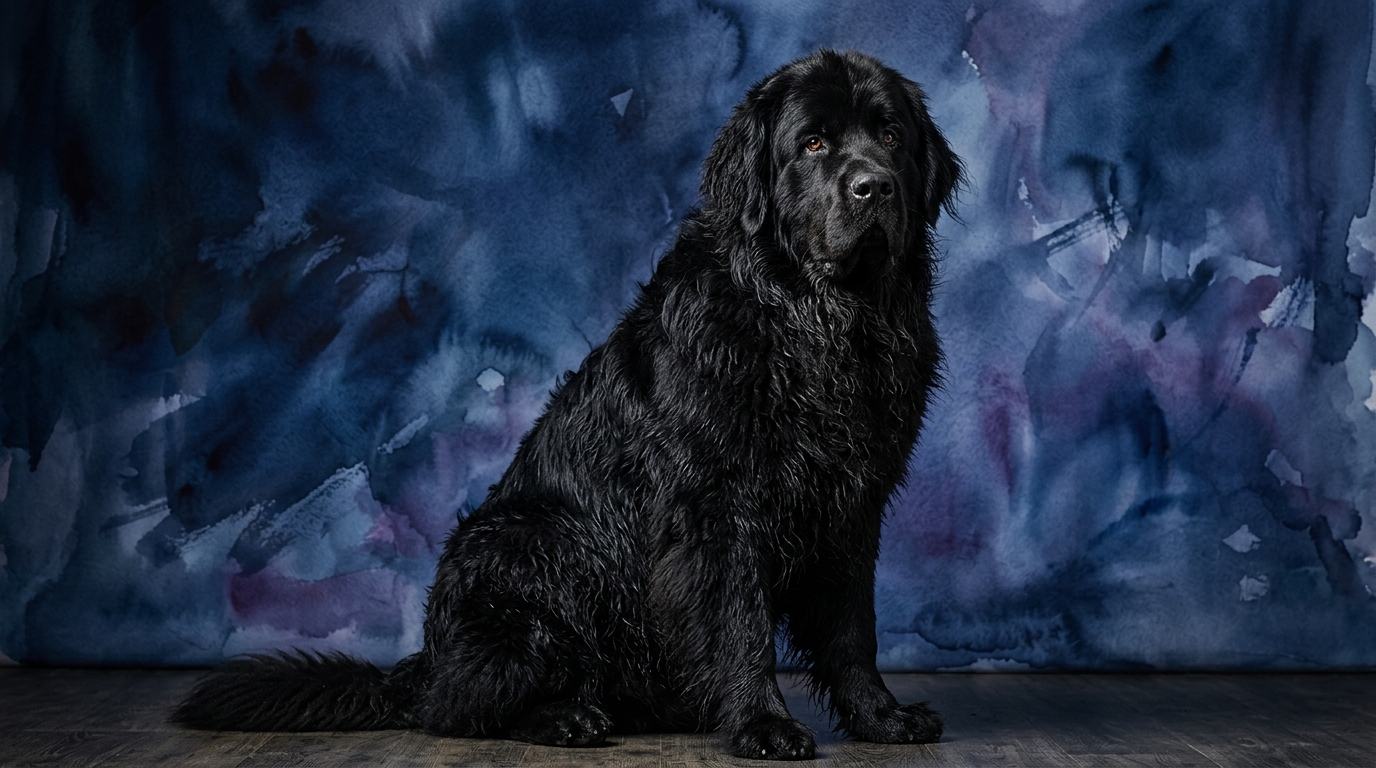
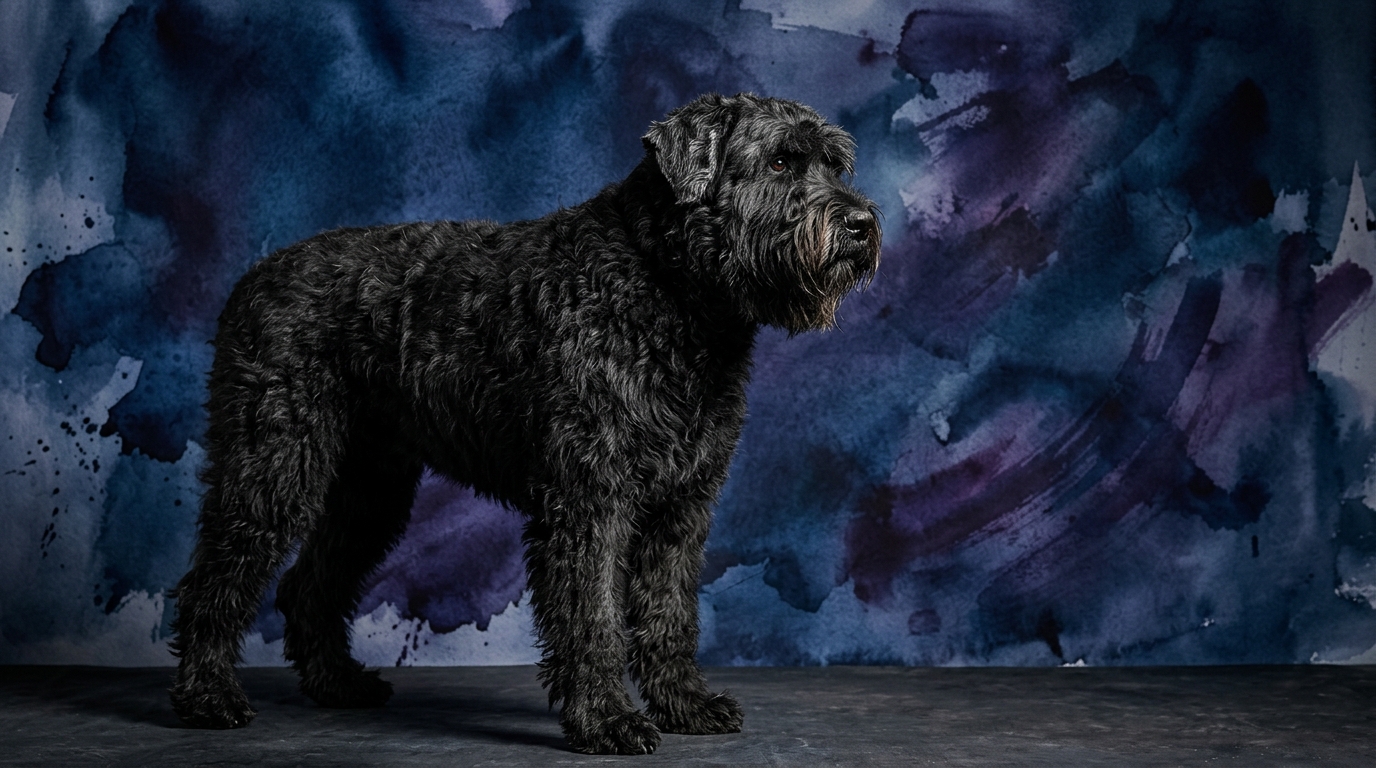
At The Cosmic Pet Pet IQ Lab, we evaluate canine intelligence across five key dimensions, revealing the unique cognitive architecture of each breed. The Newfoundland, a Working group dog, and the Bouvier des Flandres, from the Herding group, demonstrate distinct strengths that reflect their historical roles.
The Newfoundland's cognitive profile paints a picture of a compassionate and responsive companion. Their Problem Solving is rated 3/5, indicating an adequate capacity to navigate daily challenges and learn new tasks without necessarily being an innovator. Training Speed stands at 4/5, suggesting they are quite receptive to instruction and pick up new commands with relative ease. Where they truly shine is in Social Intelligence, earning a perfect 5/5, demonstrating an exceptional attunement to human emotions and social cues. Their Instinctive Drive is also 5/5, reflecting a powerful, inherent desire to assist and nurture, particularly in water rescue scenarios. Lastly, their Memory is 4/5, enabling them to retain commands and routines effectively over time.
In contrast, the Bouvier des Flandres presents a more independent and focused cognitive makeup. Their Problem Solving is also 3/5, indicating a practical intelligence geared towards their working roles, allowing them to make decisions in dynamic herding or guarding situations. Their Training Speed is 3/5, suggesting they are capable learners, but may require more consistent, patient guidance due to their self-reliant nature. Social Intelligence is rated 3/5; while observant of their human companions, they typically display a more reserved and less overtly empathetic demeanor compared to the Newfoundland. Their Instinctive Drive is 3/5, primarily focused on their herding and guarding heritage, manifesting as a strong protective inclination. Finally, their Memory is 3/5, indicating solid retention of learned behaviors and experiences, though perhaps requiring more reinforcement than a Newfoundland.
Where the Newfoundland's Mind Excels
The Newfoundland's cognitive strengths lie profoundly in areas that foster deep human-animal bonds and cooperative endeavors. Their unparalleled Social Intelligence (5/5) means they are exquisitely sensitive to their owners' moods and intentions, often anticipating needs or offering comfort without explicit prompts. This translates into a dog that integrates seamlessly into family life, acting as a gentle, empathetic presence that understands subtle social dynamics. They don't just follow commands; they engage in a nuanced emotional dialogue.
Coupled with their superior Training Speed (4/5), this social acumen makes them highly agreeable pupils. Newfoundlands are often eager to please and respond well to positive reinforcement, quickly associating actions with desired outcomes. Their strong Instinctive Drive (5/5), particularly for rescue and nurturing, further enhances their trainability in tasks related to helping, whether it's retrieving a dropped item or gently supervising children. Their 4/5 Memory ensures that once a lesson is learned, it tends to stick, contributing to their reliability in established routines and complex sequences of behavior. For an owner valuing a deeply connected and responsive companion, the Newfoundland's cognitive blueprint offers a distinct advantage.
Where the Bouvier des Flandres' Cognition Shines
The Bouvier des Flandres' cognitive profile, while different, showcases a particular strength in self-reliance and focused application of its abilities. Though their Problem Solving is rated 3/5, identical to the Newfoundland, the Bouvier's approach to problem-solving is often characterized by a determined independence. In situations demanding on-the-spot decisions without human intervention, such as managing livestock or assessing potential threats, their cognitive architecture allows them to act decisively based on their innate herding and guarding instincts. This isn't about solving puzzles for human entertainment, but rather practical, real-world application of their intellect in their working domains.
Their Instinctive Drive (3/5), while not as broadly applied as the Newfoundland's, is intensely focused on their core functions of guarding and herding. This concentrated drive, combined with their adequate Memory (3/5), means they can maintain vigilance and execute protective duties with remarkable consistency and tenacity. While their Social Intelligence (3/5) is more reserved, it fuels a watchful loyalty. They are observant of their environment and family, processing information to identify potential changes or threats, making them effective, albeit less overtly affectionate, guardians. This cognitive blend makes the Bouvier excel in roles requiring a steadfast, self-assured presence.
Trainability: A Tale of Two Temperaments
When considering ease of training, the Newfoundland generally presents a smoother journey. Their 4/5 Training Speed, combined with their exceptional 5/5 Social Intelligence and powerful 5/5 Instinctive Drive to please and assist, creates a highly cooperative learner. They thrive on positive reinforcement and readily engage with their human companions, often anticipating what is expected of them. Their inherent desire to be a part of the family unit means they are typically eager to comply and pick up commands and routines with relative swiftness, making them a rewarding experience for most trainers.
The Bouvier des Flandres, with a 3/5 Training Speed, demands a different approach. Their independent nature and historically self-reliant working roles mean they are less inherently inclined to simply comply without understanding the 'why.' Training a Bouvier requires consistency, clear leadership, and patience. While they are capable of learning a vast array of commands, their progress may be slower, and they might test boundaries more frequently. Their 3/5 Social Intelligence means they respond to a firm, fair hand rather than relying on overt emotional connection for motivation, and their 3/5 Instinctive Drive, focused on guarding, needs to be channeled correctly rather than suppressed. Owners must be prepared to invest significant time and effort into establishing a solid foundation of trust and respect, understanding that the Bouvier's intelligence is often expressed through independent thought rather than immediate obedience.
Lifestyle Match: Active vs. Relaxed Owners
The Newfoundland, despite its immense size, often suits owners seeking a more relaxed, yet engaged, companionship. While they certainly enjoy moderate exercise, particularly swimming, their high Social Intelligence means their primary need is for constant human companionship and integration into family activities. They are content to be a calm presence, often described as 'nanny dogs,' happy to lounge near their people after a good walk or a dip. Owners who appreciate a gentle giant that thrives on affection, moderate activity, and being a central part of family life will find the Newfoundland an ideal fit.
Conversely, the Bouvier des Flandres is best suited for active, experienced owners who can provide consistent structure and mental stimulation. Their herding background and independent problem-solving mean they are not content to simply be a decorative presence. Bouviers require a job, whether it's advanced obedience, agility, protection work, or extensive daily exercise with purpose. Their focused Instinctive Drive and independent nature mean that without proper outlets, they can become bored or exhibit undesirable behaviors. Owners prepared to engage in consistent training, provide ample physical activity, and channel their working intellect will find a dedicated and protective partner in the Bouvier des Flandres.
The Verdict
Choose the Newfoundland if you seek a deeply empathetic, gentle, and devoted companion who will seamlessly integrate into family life, offering calm reassurance and thriving on close connection.
Opt for the Bouvier des Flandres if you are an experienced owner prepared to provide consistent leadership, rigorous training, and ample mental and physical challenges for a self-reliant, protective, and dedicated working partner.
🧠 Find Your Pet's IQ Score
Our Pet IQ Lab assessment covers 25+ tests across 5 cognitive dimensions — personalized to your breed.
Take the Full IQ Test →Frequently Asked Questions
How does the Newfoundland's high social intelligence manifest in daily life?
A Newfoundland's 5/5 social intelligence means they are exceptionally attuned to human emotions, often offering comfort or adjusting their behavior based on your mood. They integrate deeply into family dynamics, acting as a gentle, empathetic presence who understands subtle social cues.
Is the Bouvier des Flandres' independence a challenge for all owners?
The Bouvier's independence (reflected in its 3/5 social intelligence and training speed) can be a challenge for novice owners or those seeking a dog that is always overtly eager to please. It requires consistent, firm, and fair leadership to channel their self-reliant nature effectively.
Which breed is generally better for a first-time dog owner?
The Newfoundland, with its higher training speed and exceptional social intelligence, is generally a more forgiving and cooperative choice for a first-time dog owner. Their eagerness to please and gentle nature make the learning process more manageable and rewarding.