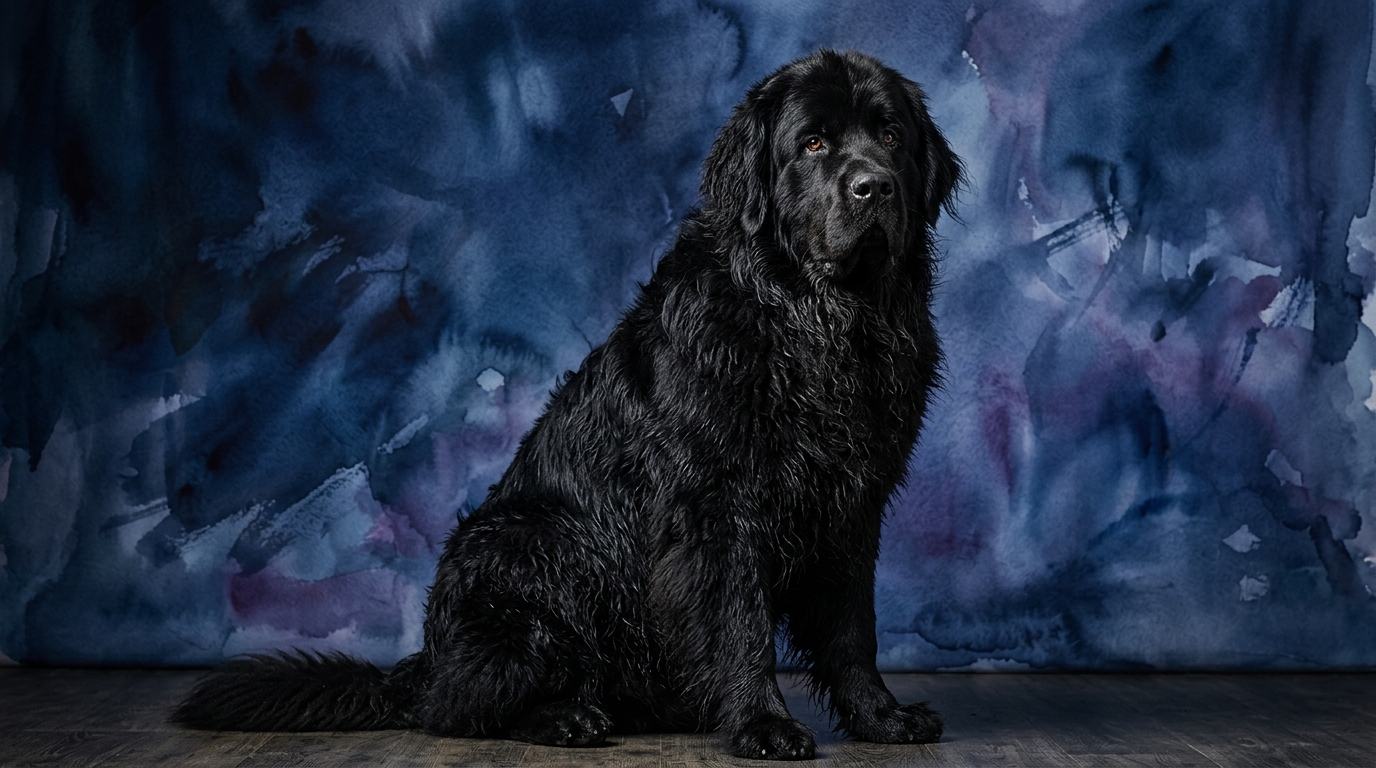
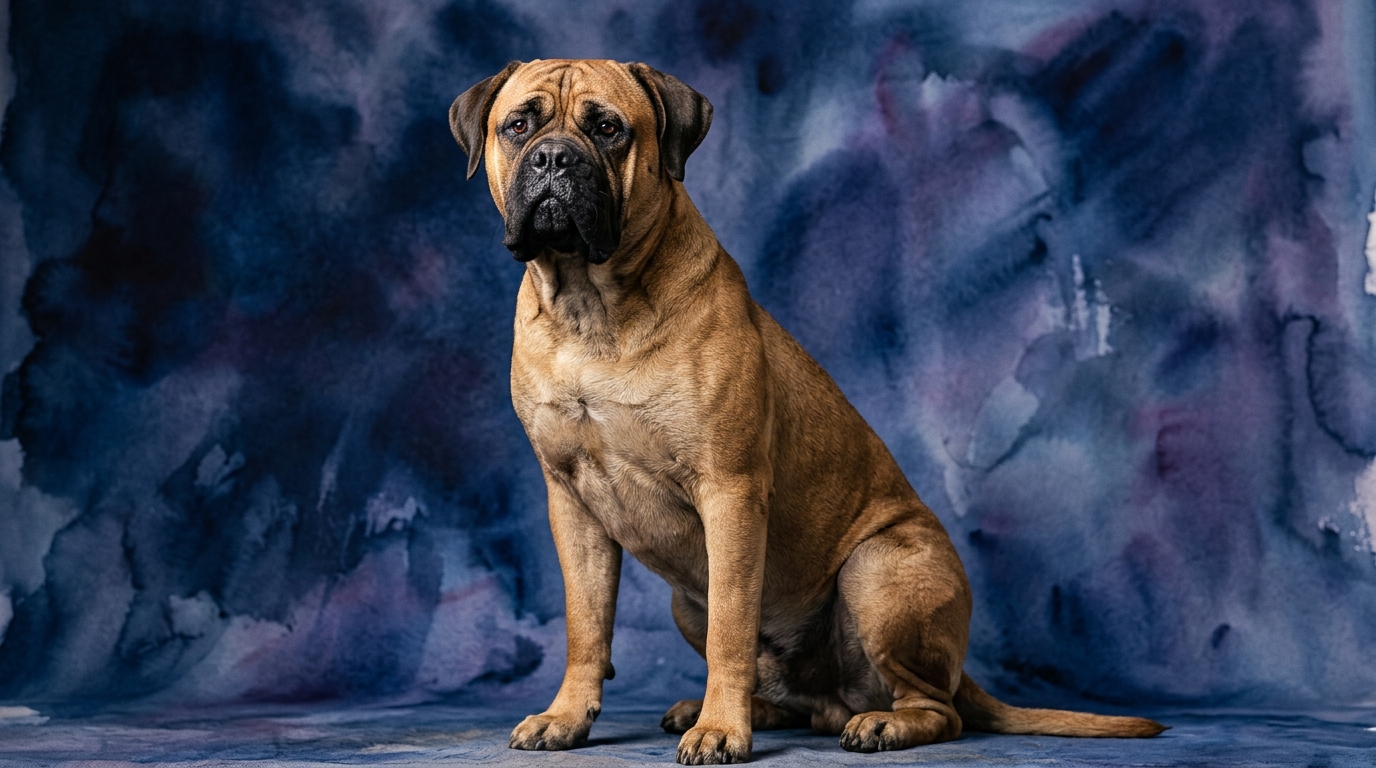
Side-by-Side IQ Profile: Newfoundland vs. Bullmastiff
To understand the unique mental landscapes of these two magnificent breeds, The Cosmic Pet Pet IQ Lab employs a five-dimensional cognitive framework:
**Newfoundland (Coren rank #34):**
**Problem Solving (3/5):** Newfoundlands can navigate moderately complex scenarios, particularly those involving retrieving or water rescue. They apply learned solutions effectively but aren't typically inclined towards abstract puzzle-solving for its own sake.
**Training Speed (4/5):** These dogs show a commendable aptitude for picking up new commands and routines quickly, often eager to cooperate and respond well to positive reinforcement methods.
**Social Intelligence (5/5):** Their exceptional social cognition means they are highly attuned to human emotions, body language, and subtle social cues, fostering deeply empathetic bonds and making them intuitive companions.
**Instinctive Drive (5/5):** Possessing a powerful, innate drive for rescue, particularly in water, and a strong protective instinct for their family, this drive is easily channeled into purposeful activities.
**Memory (4/5):** Newfoundlands retain learned behaviors, names, and experiences with good fidelity, demonstrating strong recall over extended periods and in various environments.
**Bullmastiff (Coren rank #69):**
**Problem Solving (3/5):** Bullmastiffs exhibit practical problem-solving skills primarily focused on their guarding duties, such as assessing territorial threats or navigating their environment to deter intruders, rather than complex intellectual challenges.
**Training Speed (3/5):** They learn at a moderate pace, often requiring consistent, patient repetition. Their independent streak means they process commands deliberately and need clear motivation.
**Social Intelligence (3/5):** While loyal to their family, Bullmastiffs are generally reserved and less overtly expressive in social interactions, especially with strangers, understanding basic social structures but not always subtle emotional nuances.
**Instinctive Drive (3/5):** Their primary drive is geared towards guarding and protection, manifesting as vigilance and a strong territorial instinct. This drive is focused and less about active engagement or varied tasks.
**Memory (3/5):** Bullmastiffs possess adequate memory for training and routines, but consistent reinforcement helps maintain sharp recall, especially for commands not frequently practiced.
Where the Newfoundland Wins Cognitively
The Newfoundland's cognitive strengths shine particularly bright in areas of social understanding and instinctual application. Their exceptional social intelligence (5/5) means they are remarkably perceptive of human moods and intentions, often anticipating needs or offering comfort without explicit prompting, making them highly empathetic companions. Furthermore, their powerful instinctive drive (5/5), especially for water rescue, is not just a physical capability but a deeply ingrained cognitive program. They demonstrate an almost innate understanding of how to approach and assist a struggling person in water, showcasing a complex sequence of actions driven by instinct and purpose. Their training speed (4/5) also surpasses the Bullmastiff, allowing them to grasp new concepts and commands with fewer repetitions, making early education a smoother and more rewarding process for both dog and owner.
Where the Bullmastiff Wins Cognitively
While the Newfoundland excels in social nuances, the Bullmastiff's cognitive advantages lie in their focused application of problem-solving (3/5) within their primary role: guarding. Their intelligence manifests in assessing potential threats, understanding territorial boundaries, and making independent judgments about when to intervene or deter. This isn't about complex puzzles, but practical, real-world situational awareness crucial for their protective duties. Their instinctive drive (3/5) is singularly channeled towards protection, leading to a consistent and unwavering vigilance that is highly valued. This focused drive, combined with a moderate training speed (3/5), means that once a guarding protocol is established, they adhere to it with impressive dedication, demonstrating a reliable and steadfast commitment to their core function. Their memory (3/5) for these critical protective routines is solid, ensuring reliability in their fundamental role.
Which Is Easier to Train and Why?
When considering ease of training, the Newfoundland generally presents a smoother path for most owners. Their training speed of 4/5, coupled with their high social intelligence (5/5) and innate desire to please, means they are often more receptive to instruction. They quickly form associations between commands and actions, and their sensitivity to human cues allows for more nuanced communication during training sessions. Behavioral differences include the Newfoundland's tendency to be more cooperative and less prone to stubbornness, viewing training as a collaborative activity and thriving on positive interaction. In contrast, the Bullmastiff, with a training speed of 3/5, requires more patience and consistency. Their independent nature and focused instinctive drive for protection can sometimes make them less inclined to follow commands that don't immediately align with their perceived purpose. They respond best to firm, fair leadership and positive reinforcement, but might test boundaries more frequently and require more repetitions to solidify new behaviors than a Newfoundland.
Suitability for Active vs. Relaxed Owners
For active owners seeking a canine partner for diverse activities, the Newfoundland is often a more suitable match. Their high instinctive drive (5/5) for activities like swimming, retrieving, and even carting means they thrive with owners who can provide outlets for these natural behaviors. They need regular, engaging exercise and mental stimulation to prevent boredom, and their social nature means they enjoy being involved in family outings and adventures. Owners who enjoy outdoor pursuits, especially near water, will find a Newfoundland an enthusiastic and capable companion. Conversely, for more relaxed owners, the Bullmastiff can be an excellent choice. While they still require regular walks and mental engagement to prevent destructive behaviors, their exercise needs are generally less intense than the Newfoundland's. They are content with lounging and being a watchful presence, making them ideal for individuals or families who prefer a more sedentary lifestyle but still want a loyal protector whose problem-solving (3/5) is often satisfied by observing their environment and fulfilling their guarding duties, rather than needing constant interactive games.
The Verdict
Choose a Newfoundland if you seek a highly empathetic, easily trainable companion eager to participate in family life and water activities, ideal for those who value profound social connection and cooperative learning.
Opt for a Bullmastiff if you desire a steadfast, protective guardian with a calm indoor presence, suited for owners who can provide consistent leadership and appreciate a dog whose intelligence shines in vigilance and quiet devotion.
🧠 Find Your Pet's IQ Score
Our Pet IQ Lab assessment covers 25+ tests across 5 cognitive dimensions — personalized to your breed.
Take the Full IQ Test →Frequently Asked Questions
Are Newfoundlands good with children?
Yes, Newfoundlands are renowned for their gentle and patient nature, often earning them the nickname 'nanny dog.' Their high social intelligence makes them highly tolerant and protective of children, making them excellent family pets who form strong bonds.
Do Bullmastiffs require a lot of exercise?
While Bullmastiffs are large dogs, their exercise requirements are moderate. Daily walks and some playtime are usually sufficient to keep them healthy and mentally stimulated, preventing boredom and potential destructive behaviors. They prefer quality over quantity.
Which breed is better for a first-time dog owner?
The Newfoundland is generally more forgiving for a first-time owner due to its higher training speed and eagerness to please, making initial training less challenging. Bullmastiffs, with their independent streak and protective instincts, benefit from experienced handling and consistent training from a confident owner.